Accra pulses with the energy of West Africa's most cosmopolitan capital, where colonial-era fortresses meet vibrant neighborhoods alive with art, music, and commerce. Perched along the Atlantic coast, this sprawling metropolis blends layers of history—from its role in the trans-Atlantic slave trade to its emergence as an independent nation's cultural heart—with a forward-looking creative scene that draws artists, entrepreneurs, and curious travelers. The city's waterfront charm, bustling markets, and deeply rooted sense of Ghanaian pride create an intoxicating atmosphere where past and present exist in constant, compelling dialogue.
Key Attractions
View all attractions →Aburi Botanical Gardens (day trip)
Nestled in the Akuapem hills about 45 minutes from Accra, this serene 64-acre garden showcases rare tropical plants, towering palms, and colorful orchids set against lush green mountains. The cool highland air and peaceful walking trails make it a refreshing escape from the city's heat, while the well-maintained grounds feature both indigenous and exotic specimens collected over more than a century. Visitors find themselves immersed in vibrant birdlife and the gentle sounds of nature on every path.
Cape Coast Castle (day trip)
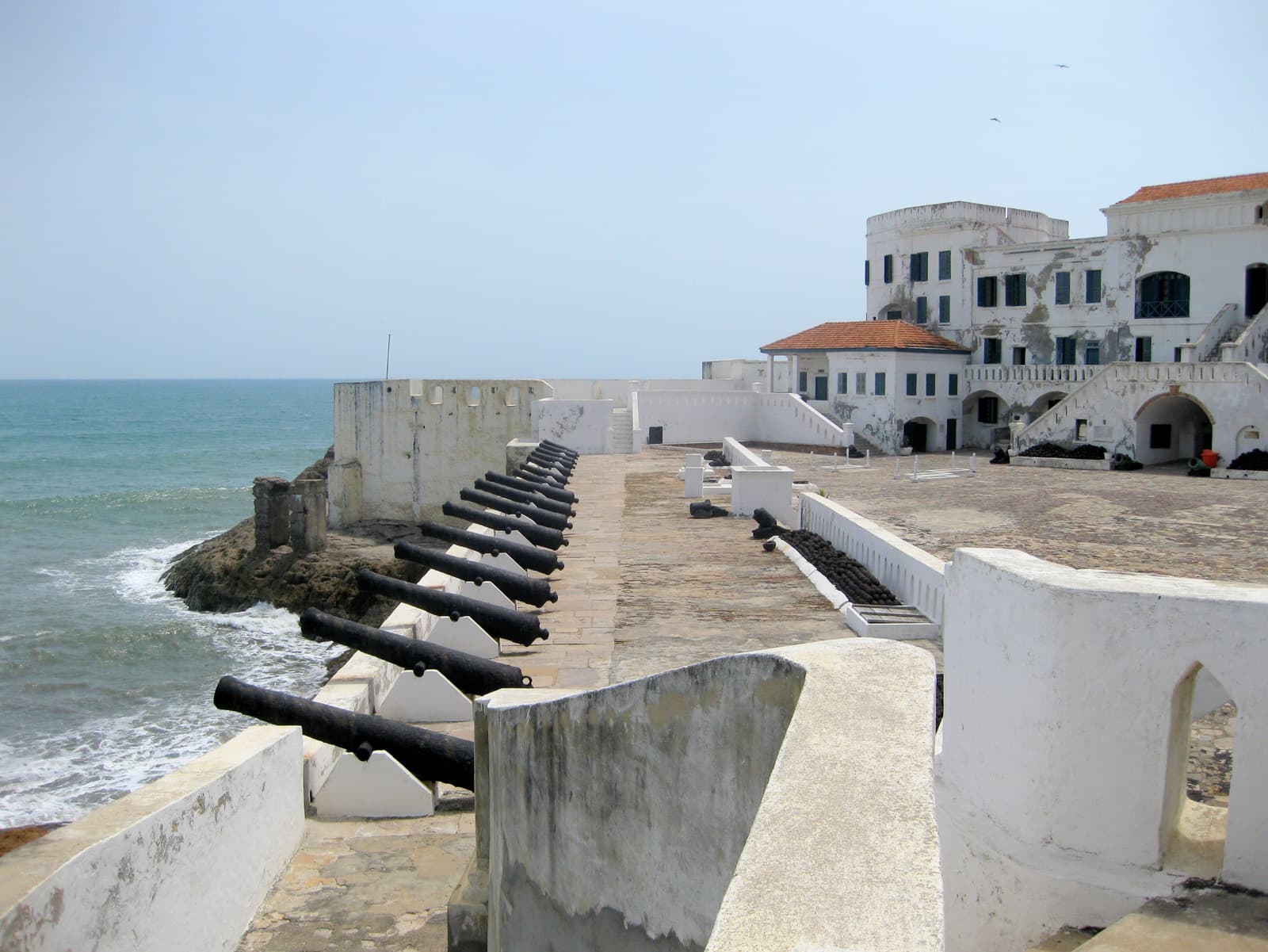
This whitewashed fortress stands as one of West Africa's most significant historical sites, where enslaved Africans were imprisoned before trans-Atlantic passage through its haunting underground dungeons. The castle's austere rooms and cramped holding cells offer a sobering encounter with this dark chapter of history, while the upper levels reveal the colonial administrators' surprisingly comfortable quarters overlooking the Atlantic. Guides provide deeply personal narratives that transform the architecture into a profound monument to resilience and remembrance.
Rjruiziii, CC BY-SA 3.0, via Wikimedia Commons
Christiansborg Castle (Osu Castle)
This whitewashed fortress overlooking the Atlantic Ocean tells the layered story of Ghana's colonial past, with dungeons, courtyards, and government offices housed within its thick stone walls. Built by Danish traders and later occupied by various European powers, the castle now serves as a seat of government while remaining open to visitors keen to understand Ghana's complex history. The rooftop offers sweeping views of Accra's coastline and the bustling Osu neighborhood below.
Jamestown District
Jamestown is Accra's oldest neighborhood, where colorful fishing boats bob in the harbor and colonial-era architecture whispers stories of Ghana's maritime past. The district pulses with authentic local life—fishermen mending nets, women selling fresh catch, and the aroma of grilled fish filling narrow lanes that seem frozen in time. This is where you'll find genuine Accra, far from tourist-heavy zones, with vibrant street culture and historical sites like Fort James embedded in its fabric.
Kwame Nkrumah Memorial Park
This serene green space honors Ghana's founding president with a striking bronze statue and peaceful gardens that reflect on the nation's independence struggle. Visitors can explore the mausoleum containing Nkrumah's remains while walking through beautifully landscaped grounds that offer a quiet retreat from central Accra's bustling energy. The park's thoughtful design blends contemporary monuments with natural beauty, creating an introspective atmosphere for both locals and travelers seeking cultural understanding.
Labadi Beach
Labadi Beach is Accra's most popular stretch of sand, where locals and visitors mingle among colorful fishing boats and seafood restaurants that line the shore. The beach offers a genuine glimpse of coastal Ghanaian life, with fishermen hauling catches while swimmers cool off in the Atlantic, and the air fills with the aroma of grilled fish and plantains. Sunset here transforms the water into molten gold, making it the perfect place to unwind after exploring the city.
Makola Market
Makola Market pulses with the authentic energy of Accra's everyday life, where vendors arrange pyramids of vibrant tomatoes, peppers, and tropical fruits beneath colorful umbrellas and makeshift stalls. The market's labyrinthine layout reveals everything from fresh fish and meat to fabrics, spices, and household goods, creating a sensory experience that captures the heart of local commerce. Haggling is expected and part of the cultural exchange, making it far more than just a shopping destination.
Mole National Park (multi-day trip)
Ghana's largest wildlife refuge sprawls across 4,840 square kilometers of pristine savanna in the northern region, where herds of elephants, antelope, and buffalo roam freely across golden grasslands and woodland. Wake before dawn for guided game drives that offer intimate encounters with African wildlife in their natural habitat, complete with expert naturalists who share fascinating insights about the ecosystem. The park's modest but comfortable lodge serves as your base for exploring this untamed landscape, blending adventure with genuine connection to West African wilderness.
National Museum of Ghana
Housed in a striking modernist building near Accra's waterfront, this museum charts Ghana's rich cultural heritage from ancient kingdoms through independence with thoughtfully curated artifacts and displays. You'll encounter everything from traditional royal regalia and intricate kente cloth to contemporary Ghanaian art, offering genuine insight into the country's artistic traditions and historical turning points. The museum strikes a nice balance between scholarly rigor and approachable storytelling that helps visitors connect with Ghana's layered past.
W.E.B. Du Bois Centre
This modest cultural center honors the legacy of African-American scholar and Pan-Africanist W.E.B. Du Bois, who spent his final years in Ghana and was buried nearby. The space showcases artifacts, photographs, and documents tracing Du Bois's intellectual contributions to Black liberation movements and his profound connection to Africa. Visitors gain intimate insight into a pivotal figure whose work bridged diaspora and continental African identity.
Itineraries Here
Planning a Trip to Accra: FAQs
When is the best time to visit Accra?
⌄
The best time to visit Accra is year-round.
How many days do you need in Accra?
⌄
Plan on about 4 days to cover Accra's highlights at a comfortable pace.
How do you get to Accra?
⌄
Accra is served by Kotoka International Airport (ACC), the country's primary hub, with direct and connecting flights from major North American cities. The airport lies approximately 5 km north of the city center; ground transport via taxi or ride-hailing services takes roughly 30–45 minutes depending on traffic. Day trips to Cape Coast Castle and Aburi Botanical Gardens are feasible by car (roughly 2–3 hours each way), while Mole National Park requires a longer commitment, best approached as an overnight or multi-day excursion.
What are the top things to do in Accra?
⌄
Top attractions in Accra include Aburi Botanical Gardens (day trip), Cape Coast Castle (day trip), Christiansborg Castle (Osu Castle), Jamestown District and Kwame Nkrumah Memorial Park. Itinara lists 10 verified attractions in total.