
Rome is an intoxicating open-air museum where nearly three millennia of history collide at every corner—from crumbling aqueducts and soaring baroque fountains to Renaissance palaces and ancient ruins that anchor the very streets you walk. The city's layers of empire, faith, and artistic genius create an atmosphere where getting lost is half the pleasure, as a quiet piazza might suddenly reveal a masterpiece or a fragment of stone that once knew emperors. Beyond the monumental grandeur lies a living, breathing capital where Romans navigate their daily rhythms amid the very monuments that define Western civilization.
Key Attractions
View all 112 attractions →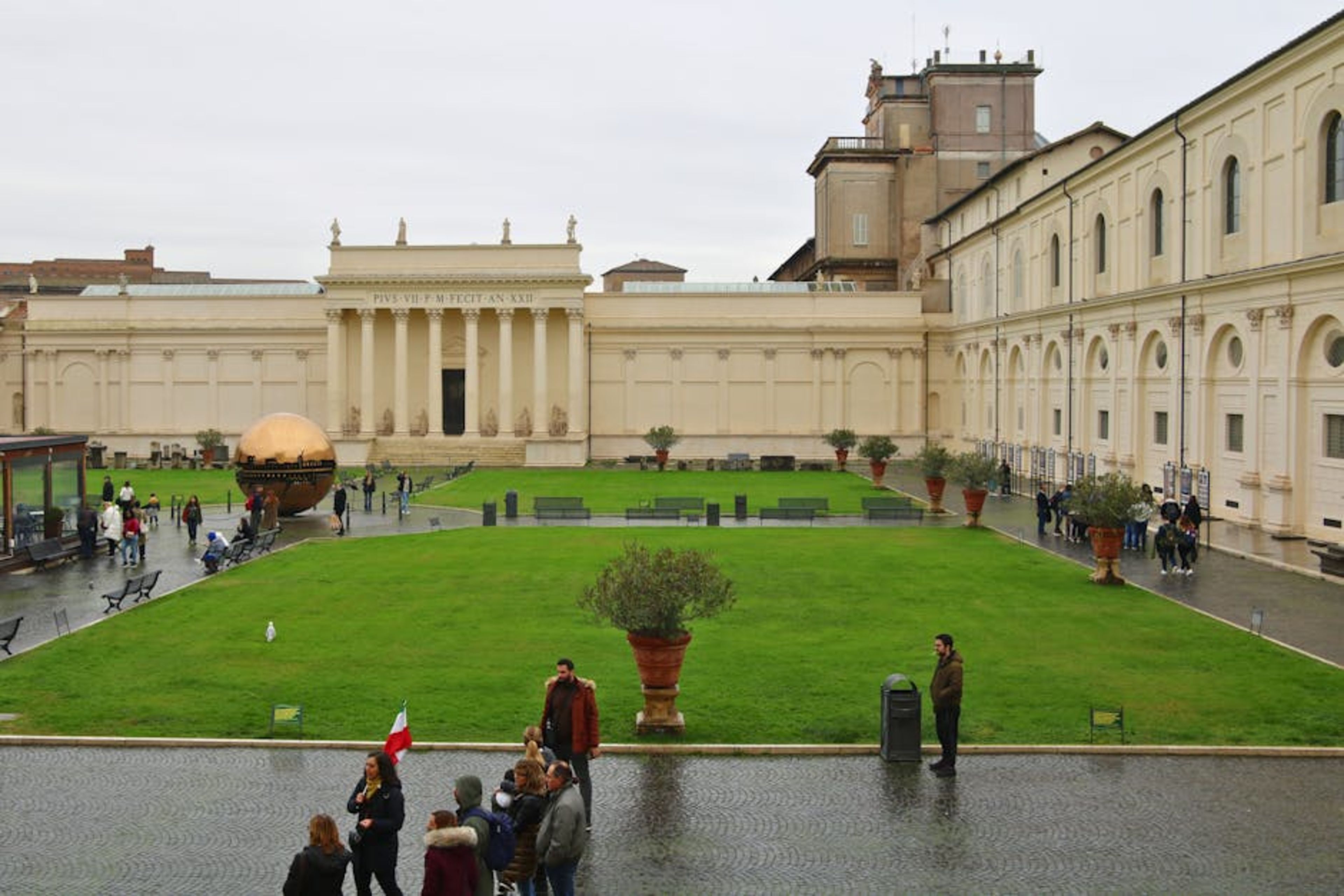
Ara Pacis Museum
This striking modern museum houses the remarkably preserved Ara Pacis Augustae, a marble altar commissioned by the Roman Senate in 13 B.C. to celebrate Emperor Augustus's safe return from Spain and Gaul. The glass and travertine building itself, designed by American architect Richard Meier, offers a beautiful contrast between contemporary architecture and ancient Roman craftsmanship. Walking around the intricately carved relief panels depicting Augustus and his family, you'll feel transported to the height of the Roman Empire.
Photo by Bruna Santos

Arch of Constantine
Standing majestically between the Colosseum and Roman Forum, this imposing triumphal arch celebrates Constantine's pivotal victory over Maxentius in 312 AD—a moment that would reshape the Roman Empire forever. The three-arched structure showcases remarkable craftsmanship with intricately carved reliefs that blend architectural spoils from earlier emperors with contemporary work, creating a fascinating timeline of Roman imperial art. As you walk around it, you'll feel the weight of nearly 1,700 years of history, watching how light plays across its weathered stone throughout the day.
Photo by www.kaboompics.com
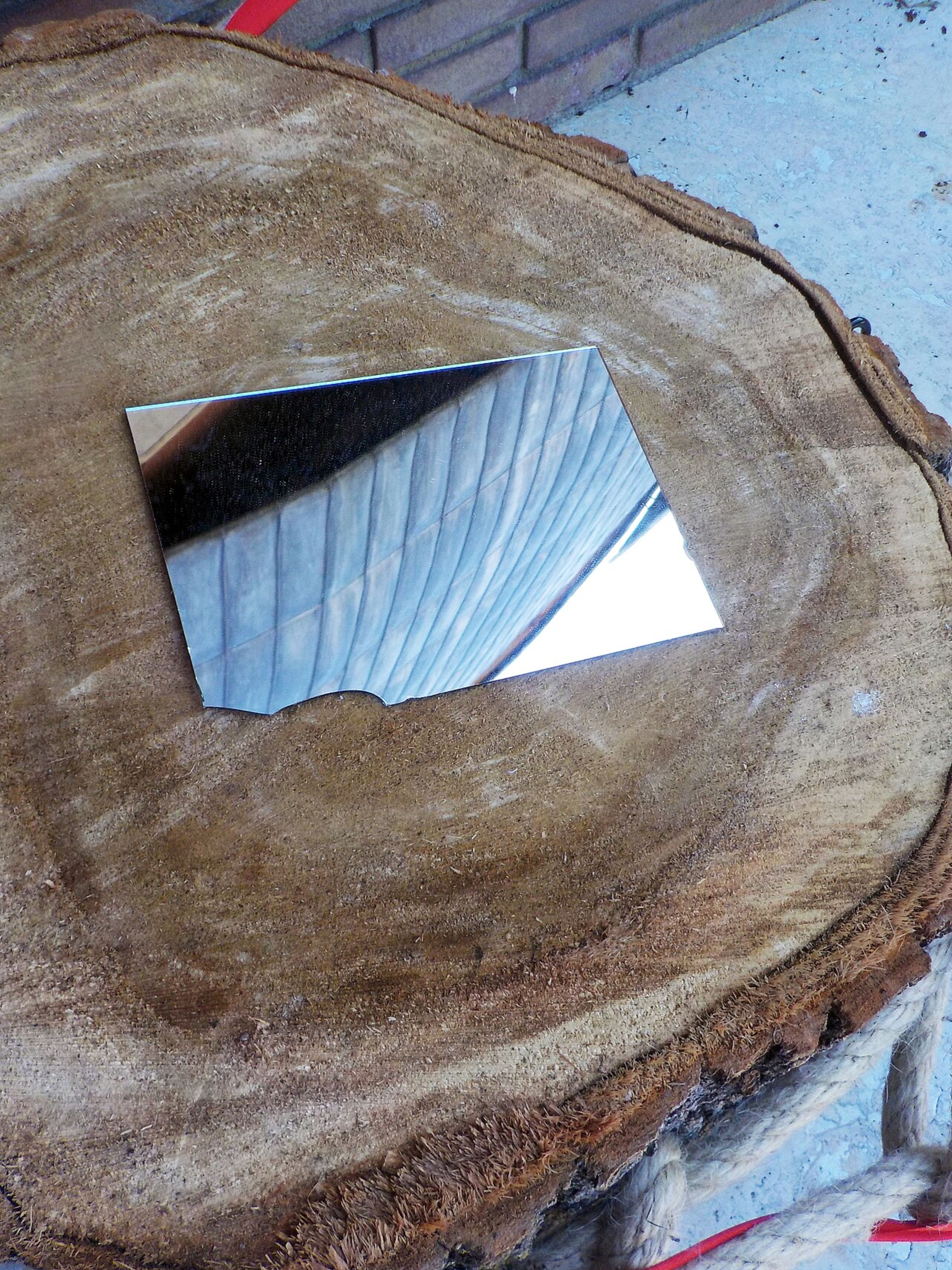
Auditorium Parco della Musica
Renzo Piano's architectural masterpiece rises dramatically from a sprawling park in northern Rome, offering three world-class concert halls wrapped around an open-air amphitheater. The striking contemporary design—with its distinctive shell-shaped structures—creates an unexpected oasis of culture and nature away from the city's historic center. Whether catching a performance or simply wandering the manicured grounds, you'll experience Rome's vibrant modern cultural scene against a backdrop of contemporary brilliance.
Photo by Albarubescens — CC BY-SA 4.0

Aventine Hill
The Aventine Hill stands as one of Rome's most enchanting residential neighborhoods, where ancient history whispers through tree-lined streets and hidden gardens that few tourists discover. From its peaceful heights, you'll find sweeping views of the city, charming basilicas tucked away on quiet corners, and the famous keyhole view of St. Peter's Basilica framed through the Priory of the Knights of Malta. This verdant sanctuary offers authentic Roman life far removed from the Colosseum crowds, with orange blossoms perfuming the air and locals leisurely sipping espresso at neighborhood bars.
Photo by Jensens — Public domain

Aventine Keyhole (Knights of Malta)
Peer through an ornate brass keyhole set into the green door of the Knights of Malta's Roman villa and discover a perfectly framed view of St. Peter's Basilica nestled between cypress trees—one of Rome's most whimsical optical surprises. This elegant architectural joke reveals how the villa's gardens were deliberately designed to create this enchanting focal point, transforming a simple metal opening into a window onto the city's most iconic monument. It's the kind of moment that makes you smile at Rome's playful side.
Photo by Galen Crout — CC0
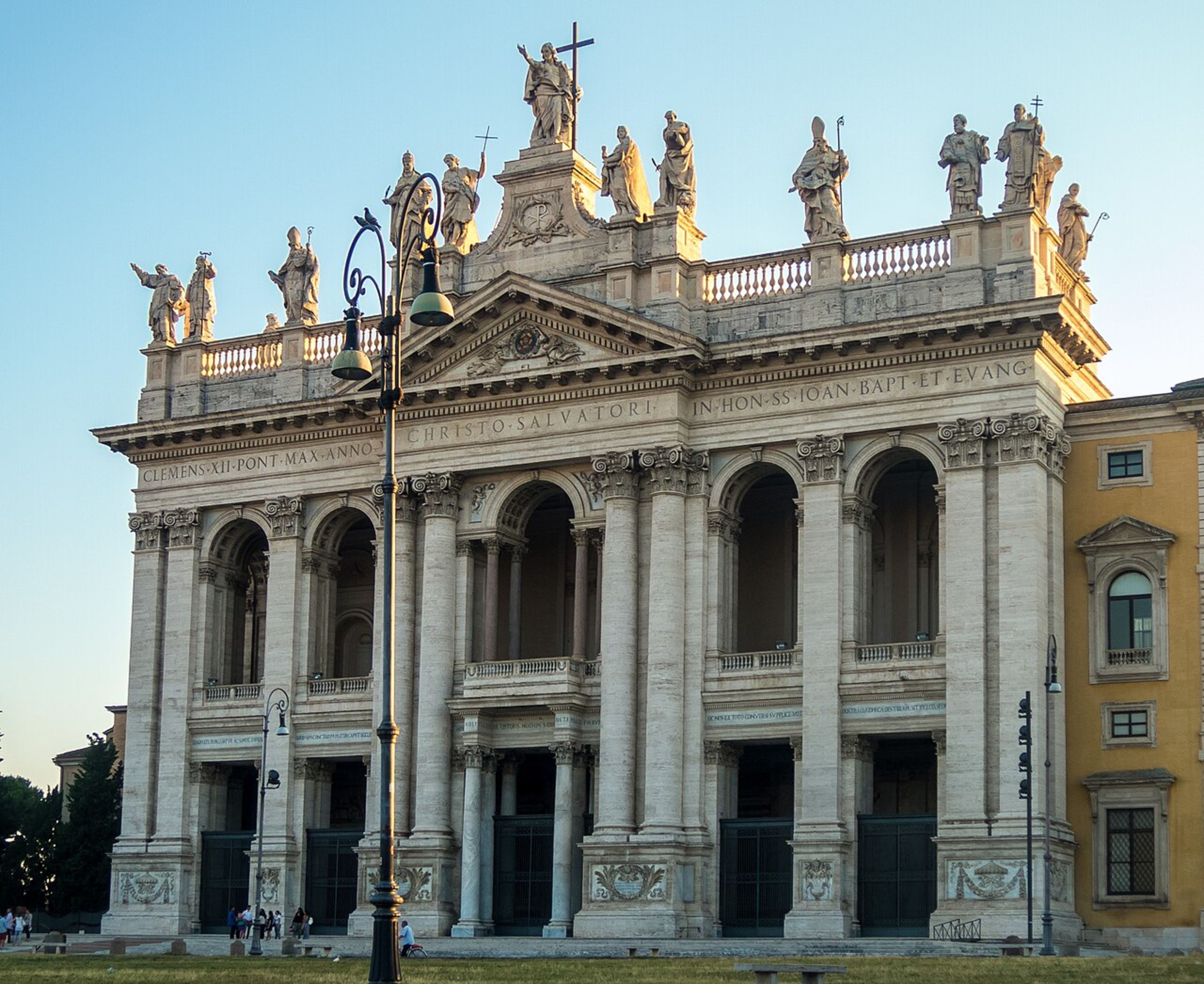
Basilica di San Giovanni in Laterano
One of Rome's four major basilicas and the official cathedral of the Diocese of Rome, this architectural masterpiece showcases layers of medieval and Renaissance splendor. Step inside to marvel at the soaring nave bathed in golden light, ornate ceiling frescoes, and the papal altar where centuries of cardinals have been crowned. The adjacent Cloisters offer a serene escape with beautifully preserved medieval columns and intricate marble work.
Photo by li zhang — CC BY 2.0

Basilica di San Paolo Fuori le Mura
This sprawling basilica is one of Rome's four papal churches and impresses visitors with its soaring interior flooded by natural light from towering windows, creating an atmosphere of serene grandeur. The striking 19th-century neoclassical reconstruction features a stunning golden apse and a forest of 80 marble columns that draw the eye toward the altar with quiet majesty. Hidden outside the typical tourist circuit south of the city center, it offers a contemplative space where locals and pilgrims genuinely experience devotion without the crush of crowds.
Photo by Dnalor 01 — CC BY-SA 3.0 at

Basilica di Santa Cecilia in Trastevere
Tucked away in charming Trastevere, this serene basilica honors Saint Cecilia, the patron saint of music, with a stunning gilded apse mosaic that seems to glow from within. Descend into the atmospheric crypt to glimpse remains of an early Christian martyr's chamber, where centuries of pilgrims have left their devotion. The peaceful courtyard and Renaissance interior offer a meditative escape from Rome's bustling streets.
Photo by fotokoci — CC0

Basilica di Santa Maria Maggiore
One of Rome's most splendid papal basilicas, Santa Maria Maggiore showcases stunning Renaissance and Baroque architecture crowned by a distinctive bell tower that pierces the Roman skyline. Inside, the basilica dazzles with intricate mosaics, gilded ceilings, and ornate chapels that tell stories of centuries of artistic patronage. This sacred space has welcomed pilgrims and art lovers for nearly 700 years, blending spiritual reverence with extraordinary beauty.
Photo by Cigoli — CC BY-SA 4.0

Baths of Caracalla
These sprawling imperial baths showcase the architectural grandeur and engineering prowess of ancient Rome, with remarkably preserved mosaics, marble columns, and multiple bathing chambers that once served over 1,600 visitors daily. Walking through the vast complex, you'll discover the intricate layout of hot, warm, and cold water pools alongside gymnasiums and libraries, revealing how Romans transformed bathing into an elaborate social and cultural experience. The haunting beauty of crumbling brick walls and scattered marble fragments creates an evocative atmosphere that transports you directly into the luxurious life of 3rd-century Rome.
Photo by Horia Horobeanu

Bioparco di Roma
Nestled within the lush Villa Borghese gardens, this intimate 42-acre zoo showcases over 1,100 animals representing 222 species in thoughtfully designed habitats that prioritize animal welfare. The zoo blends seamlessly with Rome's verdant landscape, offering visitors a chance to encounter wildlife from African savannas to Asian forests without leaving the city center. Walking through Bioparco feels less like a traditional zoo experience and more like exploring a natural sanctuary hidden within one of Rome's most beloved green spaces.
Photo by Krzysztof Golik — CC BY-SA 4.0

Borghese Gallery
Nestled within the lush Villa Borghese gardens, this intimate gallery houses one of Italy's finest private art collections, featuring masterpieces by Bernini, Raphael, and Titian in opulent frescoed rooms. The Renaissance villa itself is a work of art, with each salon designed as a theatrical setting for the treasures it displays. Visiting feels like stepping into the private world of a Renaissance cardinal, where art and architecture dance together in perfect harmony.
Photo by Lais Queiroz

Campo Verano Cemetery
Rome's largest cemetery sprawls across vast green grounds with ornate marble monuments, sculptures, and mausoleums that read like an open-air art museum. Walking these peaceful lanes feels like wandering through layers of Roman history, where notable artists, politicians, and everyday citizens rest beneath elaborate headstones and family chapels. The cemetery's quiet dignity offers a poignant contrast to the bustling city just beyond its gates.
Photo by Fczarnowski

Campo de' Fiori
This vibrant rectangular piazza pulses with life as Rome's most authentic open-air market, where vendors have hawked flowers, vegetables, and produce since medieval times. By evening, the Campo transforms into a social hub where locals and travelers converge at outdoor cafés beneath the statue of Giordano Bruno, the Renaissance philosopher burned here in 1600. The surrounding Renaissance buildings and narrow alleyways create an intoxicating blend of history, commerce, and spontaneous Roman charm that feels refreshingly untouched by tourist polish.
Photo by Livioandronico2013 — CC BY-SA 4.0

Capitoline Museums
Perched atop Rome's most sacred hill, these twin palaces house an extraordinary collection spanning from Roman antiquities to Renaissance masterpieces, offering intimate encounters with bronze horses, classical sculptures, and paintings that shaped Western art. The museums' rooftop terrace provides breathtaking panoramic views of the Roman Forum and the city's ancient heart, making it as much about perspective as possession. Walking between the connected buildings, you'll feel the weight of centuries while discovering works by Caravaggio and Titian alongside priceless archaeological finds.
Photo by Carole Raddato from FRANKFURT, Germany — CC BY-SA 2.0

Capuchin Crypt (Bone Church)
Beneath the Church of Santa Maria della Concezione lies an extraordinary ossuary where the skeletal remains of thousands of Capuchin monks have been artfully arranged into haunting sculptures, chandeliers, and architectural elements. This macabre yet oddly moving space offers a meditation on mortality and the Baroque fascination with vanitas, creating an atmosphere that's equal parts eerie and spiritually profound. The crypt's bone arrangements, created over centuries, reflect the monks' belief that death should serve as a reminder of life's transience.
Photo by Pixabay

Castel Sant'Angelo
This imposing cylindrical fortress began as Emperor Hadrian's grand tomb in 139 AD and transformed over centuries into a papal stronghold with hidden passageways and Renaissance frescoes. Climbing to the rooftop terrace rewards you with sweeping views of Rome's domes and the Tiber River winding through the city. The castle's blend of ancient Roman engineering and medieval-Renaissance additions tells a fascinating story of how Rome continually reinvented its most iconic structures.
Photo by SlimMars 13

Catacombs of Rome
Descend into Rome's haunting underground network where early Christians carved elaborate burial chambers and chapels from volcanic rock, creating a sacred sanctuary beneath the bustling city above. These shadowy passages tell stories of faith and resilience, with frescoed walls and carved epitaphs that whisper of lives lived two millennia ago. The cool, dimly-lit corridors offer an intimate glimpse into the spiritual practices and daily lives of ancient Rome's most devoted communities.
Photo by Adolphe Rouargue — Public domain

Cinecittà Studios
Step onto the legendary soundstages and backlots where Federico Fellini, Sergio Leone, and countless other masters shaped Italian cinema history. This sprawling 400,000-square-meter complex remains Europe's largest film studio, still actively producing movies while welcoming visitors to walk through authentic sets and exhibition spaces. You'll encounter everything from Cinecittà's golden age props to contemporary production facilities, offering a tangible connection to both classic and modern filmmaking.
Photo by Patricia Bozan

Circus Maximus
This sprawling ancient stadium cradled between Rome's two famous hills once thundered with the roar of chariot races and crowds of over 250,000 spectators. Today, the grassy oval offers a serene escape where you can walk the very paths that once vibrated with imperial entertainment and wild spectacle. Standing here, you'll feel the ghosts of gladiators and emperors who watched history unfold from these vanished stone tiers.
Photo by Livioandronico2013 — CC BY-SA 4.0

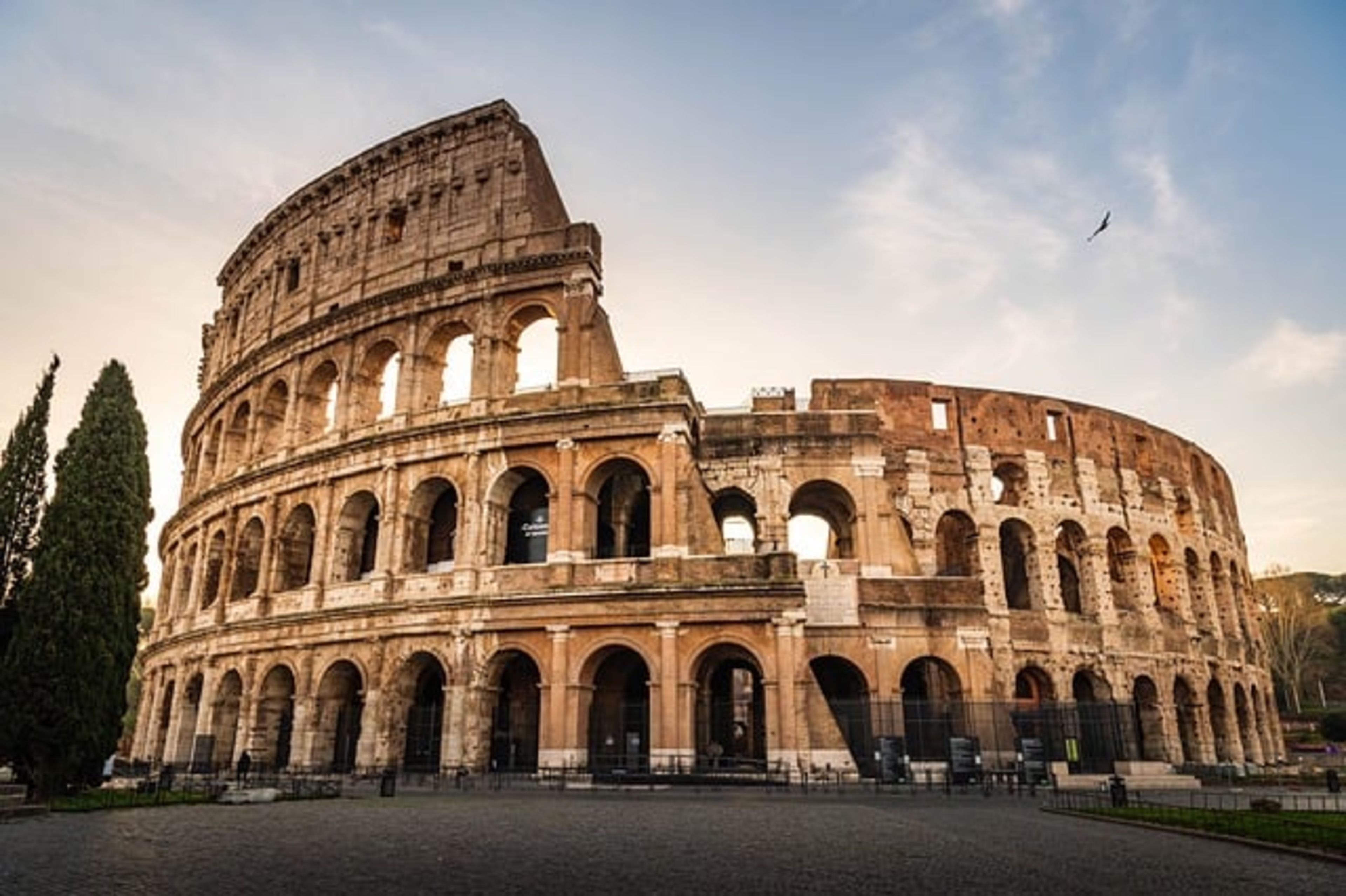
Colosseum
This iconic four-story amphitheater once hosted gladiatorial contests and public spectacles for up to 50,000 roaring spectators in ancient Rome. Walking through its weathered arches and cavernous corridors, you can almost hear the echoes of history reverberating off sun-bleached travertine stones. The Colosseum stands as a testament to Roman engineering prowess and remains one of the most recognizable monuments from antiquity.
Photo by Ryan Klaus

Column of Marcus Aurelius
Rising gracefully in the heart of Piazza Colonna, this imposing Doric column tells the story of Emperor Marcus Aurelius through intricate spiral reliefs depicting his military campaigns. The monument stands as a testament to Roman engineering prowess and serves as a serene focal point in bustling central Rome. Built nearly two millennia ago, its detailed carvings remain remarkably preserved, offering visitors a tangible connection to ancient imperial history.
Photo by Claudia Solano

Diocletian's Baths
The sprawling ruins of Rome's grandest imperial bathhouse stretch across several city blocks, offering visitors a chance to wander through soaring vaulted chambers and imagine the sophisticated leisure culture of ancient Rome. Once capable of accommodating 3,000 bathers simultaneously, the complex seamlessly blended bathing, exercise, and social gathering into a magnificent architectural experience. Today, fragments of the original structure remain interspersed with a Renaissance church and monastery, creating a haunting palimpsest of Roman grandeur and later religious transformation.
Photo by Joris — CC BY 2.0

EUR District
EUR (Esposizione Universale Roma) is a modernist planned district south of Rome's historic center, originally conceived for a 1942 World's Fair that never took place due to World War II. The neighborhood showcases striking Fascist-era architecture with wide avenues, symmetrical buildings, and monumental sculptures that reflect early 20th-century urban design ambitions. Today it serves as a vibrant cultural hub featuring museums, restaurants, and contemporary art galleries alongside its architectural heritage.
Photo by Reame
Explora Children's Museum
Explora is Rome's premier hands-on museum designed specifically for children aged 0-12, featuring interactive exhibits that transform learning into play across science, art, and nature. The museum's bright, welcoming spaces encourage young visitors to touch, build, and discover through carefully curated stations that spark curiosity without feeling like homework. It's a refreshing antidote to Rome's formal museums, offering kids a chance to burn energy while parents enjoy genuine educational value.
Photo by MARTINOPHUC

Flaminio District
The Flaminio District stretches north of Piazza del Popolo, offering a sophisticated blend of Renaissance architecture, modern boutiques, and intimate piazzas where Romans genuinely live and socialize. This tree-lined neighborhood reveals itself gradually through winding streets lined with art galleries, vintage shops, and neighborhood trattorias that locals fiercely defend. The district's relaxed elegance makes it feel worlds away from the tourist crush, yet perfectly positioned for exploring Rome's cultural riches.
Photo by Ariadne Barroso

Fontana dei Quattro Fiumi
Bernini's masterpiece in the heart of Piazza Navona depicts four great rivers of the world—the Danube, Ganges, Nile, and Rio de la Plata—through dramatically sculpted figures emerging from the travertine rock. The fountain's theatrical composition, with a soaring Egyptian obelisk at its center, captures the Baroque spirit of 17th-century Rome with its dynamic movement and grand symbolism. Standing here, you're witnessing one of the city's most enchanting gathering places where centuries of Roman life continue to unfold.
Photo by Muhamad Guruh Budi Hartono

Fontana del Tritone
This masterpiece of Baroque sculpture captures the sea god Triton in a moment of dynamic movement, water cascading from his conch shell in an eternal display of artistic virtuosity. Bernini's fountain sits at the heart of the bustling Piazza Barberini, where Romans and visitors alike pause to admire its muscular grace and theatrical composition. The fountain remains one of Rome's most beloved water features, a testament to seventeenth-century sculptural ambition.
Photo by Architas — CC BY-SA 4.0

Fontana dell'Acqua Paola
Perched majestically atop the Janiculum Hill, this Renaissance masterpiece gushes with theatrical grandeur, its five arches and cascading waters creating an enchanting focal point over the city. Built to celebrate the restoration of an ancient aqueduct, the fountain combines monumental scale with elegant proportions, drawing visitors into a moment of timeless Roman splendor. The surrounding piazza offers panoramic views of Rome's dome-studded skyline, making it as much a scenic viewpoint as a sculptural triumph.
Photo by Jorge Franganillo — CC BY 2.0

Fontana delle Api
Bernini's intimate Fountain of the Bees sits nestled where Via Veneto meets Piazza Barberini, a sculptural gem that rewards close inspection with its delicate details and playful bee imagery. This modest yet elegant fountain showcases the artist's ability to infuse monumental skill into a compact space, drawing water lovers and art enthusiasts to pause amid Rome's bustling modern streets. The fountain's modest scale makes it an unexpectedly charming contrast to the grandeur surrounding it.
Photo by Stendhal55 — CC BY-SA 4.0
Itineraries Here
Planning a Trip to Rome: FAQs
When is the best time to visit Rome?
⌄
The best time to visit Rome is spring.
How many days do you need in Rome?
⌄
Plan on about 5 days to cover Rome's highlights at a comfortable pace.
How do you get to Rome?
⌄
Rome is served by two major airports—Leonardo da Vinci (Fiumicino), roughly 15 miles southwest, and Ciampino, about 9 miles southeast—with direct flights from major U.S. hubs. Ground transport includes trains, buses, and car rentals; most visitors arriving by air use rail or shuttle services into the city center. Rome is also accessible by train from other Italian cities and European capitals.
What are the top things to do in Rome?
⌄
Top attractions in Rome include Ara Pacis Museum, Arch of Constantine, Auditorium Parco della Musica, Aventine Hill and Aventine Keyhole (Knights of Malta). Itinara lists 112 verified attractions in total.