
Florence stands as a living masterpiece where Renaissance art and architecture breathe from every corner of the Arno's banks. Wander through labyrinthine streets lined with ochre-colored buildings and emerge into vast piazzas anchored by the iconic Duomo, its terracotta dome a beacon visible across Tuscany's rolling hills. This city shaped the modern world—a crucible of creative genius where Medici patronage sparked an artistic awakening that still reverberates through its galleries, churches, and palaces.
Key Attractions
View all 38 attractions →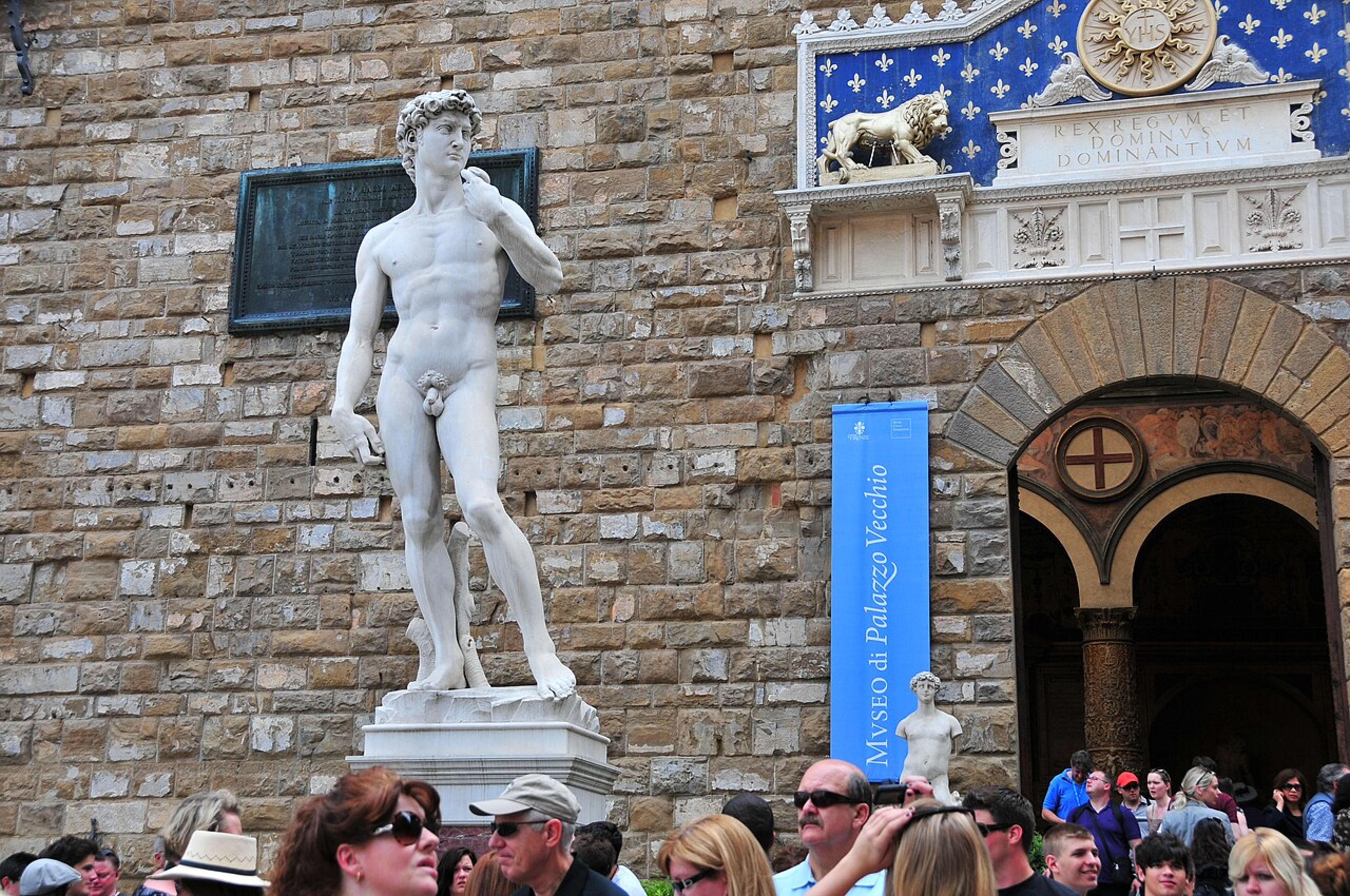
Accademia Gallery (David by Michelangelo)
Home to Michelangelo's iconic marble David, this intimate gallery feels like stepping into the Renaissance itself—the 17-foot statue commands the room with an intensity that photographs simply cannot capture. Beyond the superstar sculpture, you'll discover charming works by other Renaissance masters and Michelangelo's unfinished pieces that reveal the artist's passionate creative process. The gallery's compact size makes it refreshingly manageable compared to Florence's grander museums, allowing genuine contemplation rather than rushed crowds.
Photo by Mike McBey — CC BY 2.0
Baptistery of St. John
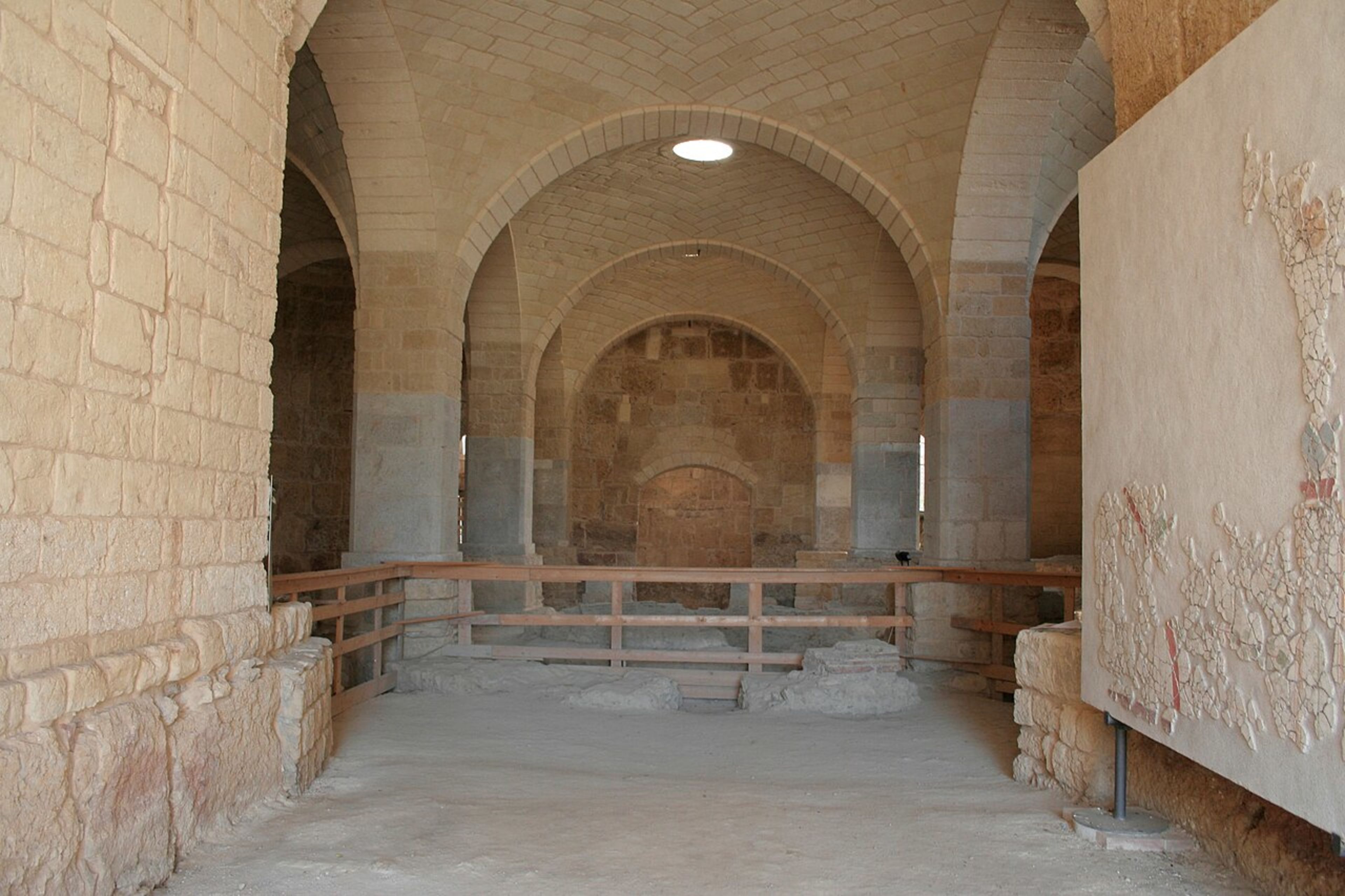
This octagonal masterpiece of white and green marble has stood opposite the Cathedral since the 11th century, representing the pinnacle of Florentine Romanesque design. Step inside to witness the stunning Byzantine mosaics that shimmer across the dome, a breathtaking reminder of medieval artistry and spiritual devotion. The famous bronze doors by Ghiberti, later moved to the Cathedral Museum, once marked this as one of Florence's most coveted artistic commissions.
Photo by Paola Liliana Buttiglione
Bardini Gardens
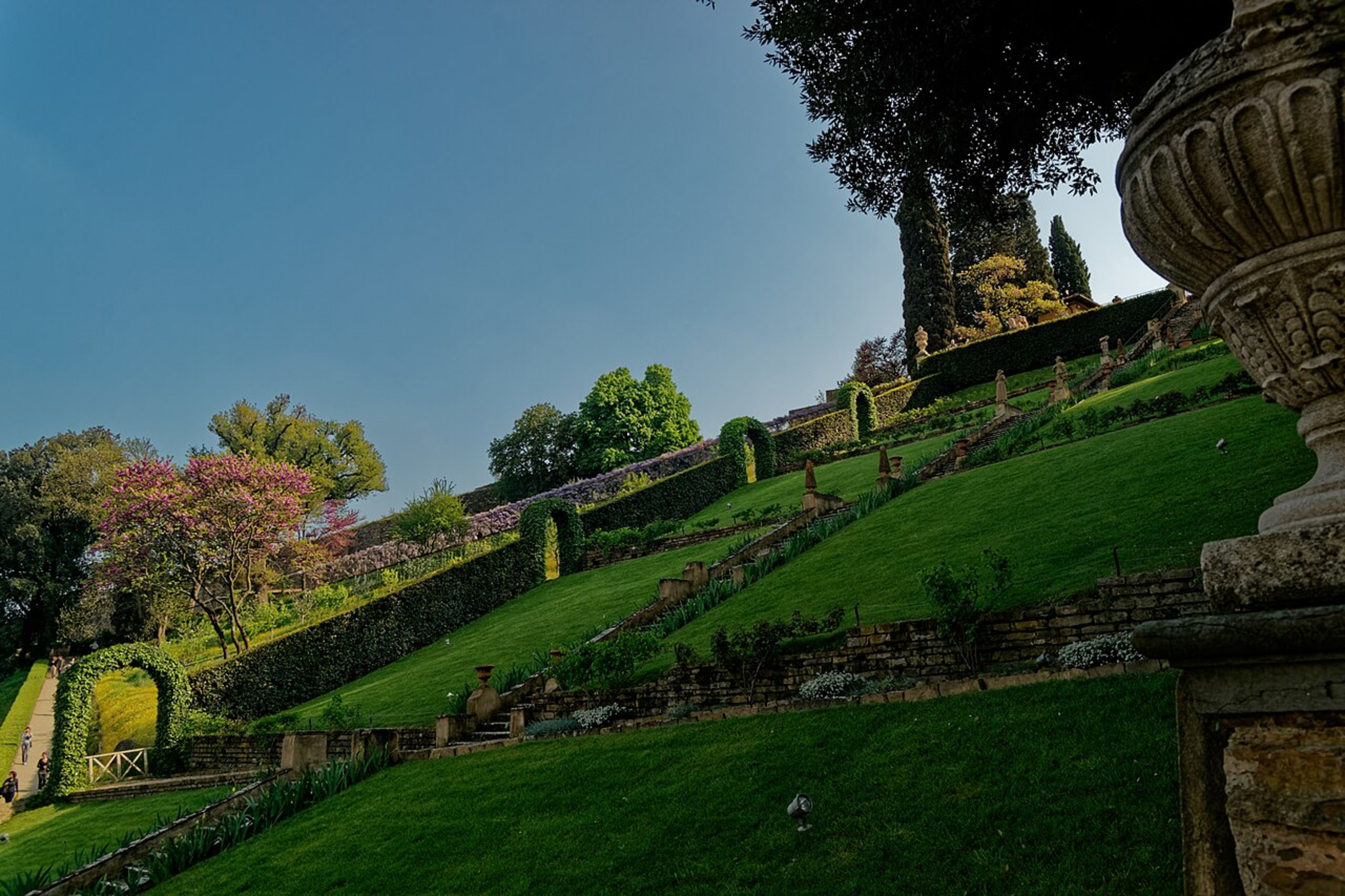
Perched high above the Arno on Florence's south bank, the Bardini Gardens sweep across a dramatic hillside with terraces, fountains, and Renaissance sculptures framing breathtaking panoramas of the city below. This lesser-known gem combines manicured Italian formality with wild, romantic woodland areas where wisteria-draped pergolas and hidden grottos reward exploration. The views alone make the climb worthwhile, especially during golden hour when Florence's terracotta roofs glow against the Tuscan hills.
Photo by Txllxt TxllxT — CC BY-SA 4.0

Bargello Museum
Housed in a formidable 13th-century fortress that once served as Florence's police headquarters and prison, the Bargello now showcases one of Italy's finest collections of Renaissance sculpture and decorative arts. Wander through its austere stone chambers and discover masterpieces by Donatello, Michelangelo, and Ghiberti in an intimate setting that feels worlds away from the crowded cathedral nearby. The museum's courtyard, with its soaring medieval architecture, transports you straight into Florence's turbulent past.
Photo by Lorenzofaoro

Basilica di San Lorenzo
This magnificent Renaissance basilica stands as a serene counterpoint to Florence's busier landmarks, with its austere facade and harmonious interior designed by Brunelleschi creating an atmosphere of quiet contemplation. Beyond its soaring columns and geometric beauty lies the Medici Chapel, an ornate marvel containing the tombs of Florence's most influential family, including works by Michelangelo and Donatello. The church's position at the heart of the old market quarter adds layers of authentic Florentine life, with locals still shopping and gathering in the surrounding piazza.
Photo by Gildo Cancelli

Basilica di Santa Croce
This magnificent Franciscan basilica houses the tombs of Florence's greatest luminaries, including Michelangelo, Galileo, and Dante, making it a true pantheon of Italian genius. The soaring Gothic interior with its elegant wooden ceiling and frescoed chapels creates an atmosphere of serene contemplation, while the attached museum preserves extraordinary artworks including Cimabue's masterpiece crucifix damaged in the 1966 flood. The adjoining leather school offers a glimpse into centuries-old Florentine craftsmanship.
Photo by Dllu — CC BY-SA 4.0

Basilica of Santa Maria Novella
This stunning Dominican basilica showcases the elegant fusion of Gothic and Renaissance architecture that defines Florentine religious art. Its magnificent green and white marble facade and soaring interior adorned with frescoes by Masaccio and Ghirlandaio transport visitors to the heart of medieval Florence's spiritual devotion. The adjoining cloisters and museum house remarkable artworks spanning centuries of Tuscan creativity.
Photo by Irina Balashova
Boboli Gardens
This sprawling Renaissance garden behind the Pitti Palace showcases centuries of landscape design with theatrical grottoes, fountains, and tree-lined avenues that invite leisurely wandering. Visitors discover hidden niches and panoramic viewpoints that reveal both intimate garden spaces and sweeping views across Florence's terracotta rooftops. The gardens blend Medici ambition with natural beauty, creating a serene escape from the bustling city streets below.
Photo by claydevoute

Cascine Park
Florence's largest green space stretches 160 hectares along the Arno River, offering a serene escape from the city's Renaissance crowds with tree-lined avenues perfect for leisurely strolls. The park blends formal gardens with natural woodland, featuring fountains, monuments, and open meadows where locals gather for picnics and recreation. Originally a Medici hunting reserve, Cascine Park retains its aristocratic charm while serving as the city's beloved outdoor gathering place.
Photo by philip.mallis

Fiesole (nearby hilltop town)
Perched on a verdant hillside just 30 minutes from Florence's chaos, Fiesole feels like stepping into a gentler medieval past with sweeping Tuscan views and tree-lined piazzas. This Etruscan settlement retains its quiet dignity through narrow stone alleys, Renaissance villas, and a stunning cathedral that has watched over the valley for centuries. The cooler mountain air and unhurried pace make it an ideal escape for anyone seeking Florence's charm without the overwhelming crowds.
Photo by Theodore Nguyen
Florence Cathedral (Duomo)
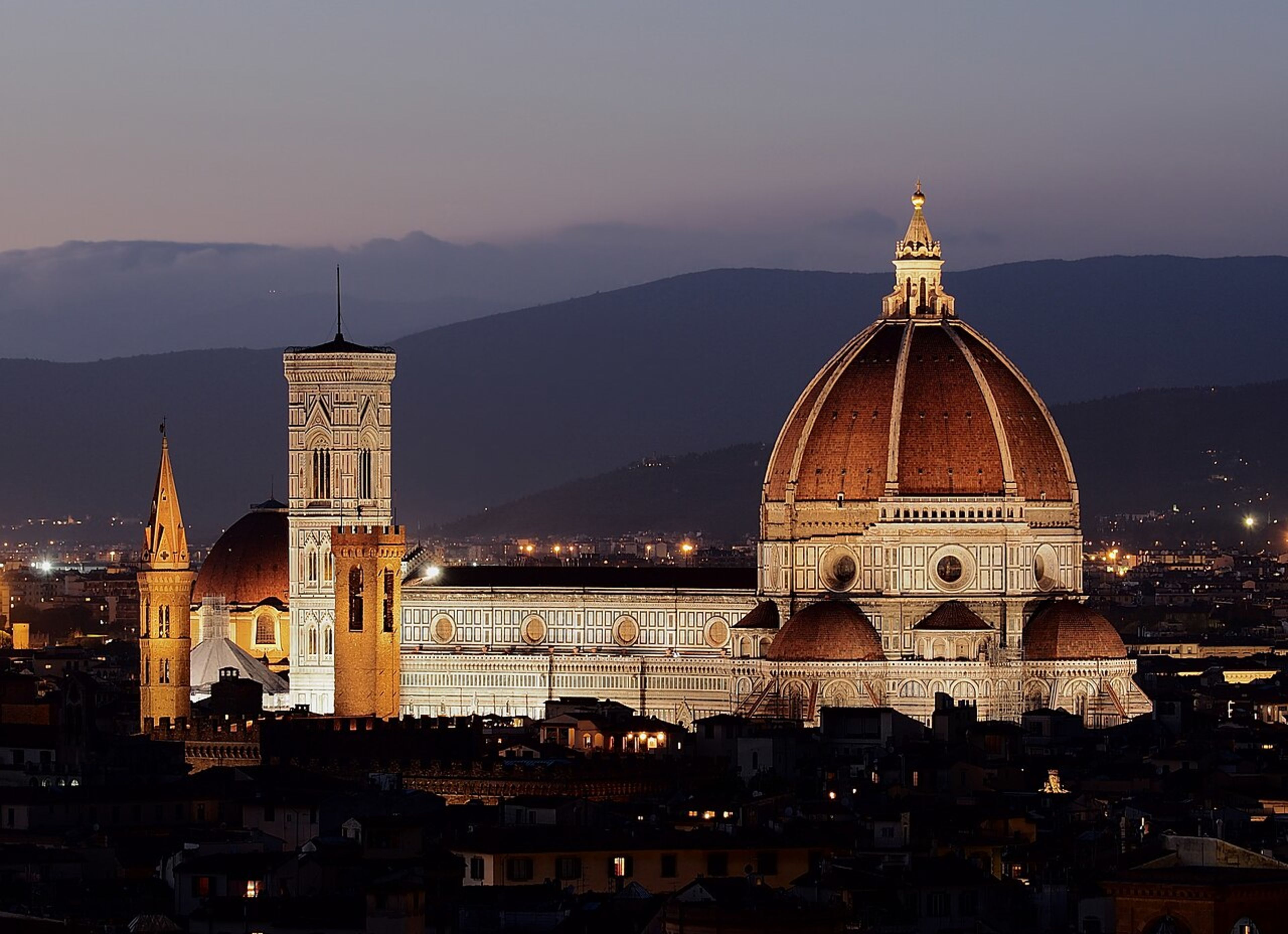
The Florence Cathedral, officially known as the Cattedrale di Santa Maria del Fiore, dominates the city skyline with its iconic terracotta dome designed by Filippo Brunelleschi—an engineering marvel of the Renaissance. Step inside to marvel at the soaring marble interior, intricate floor mosaics, and stunning frescoed dome that seems to float overhead with ethereal beauty. The adjacent Baptistry and Campanile tower complete this sacred complex, each telling centuries of Florentine artistic achievement.
Photo by Petar Milošević — CC BY-SA 4.0

Forte Belvedere
Perched dramatically above the Arno on a hilltop south of the Oltrarno, this imposing Renaissance fortress commands sweeping views across Florence's terracotta rooftops to the distant Tuscan hills. Built by the Medici family as both a defensive stronghold and a symbol of power, the fort's geometric bastions and austere stone walls tell stories of Florence's tumultuous past. Today it serves as an open-air museum hosting contemporary art installations alongside its historic military architecture.
Photo by Sailko — CC BY 2.5
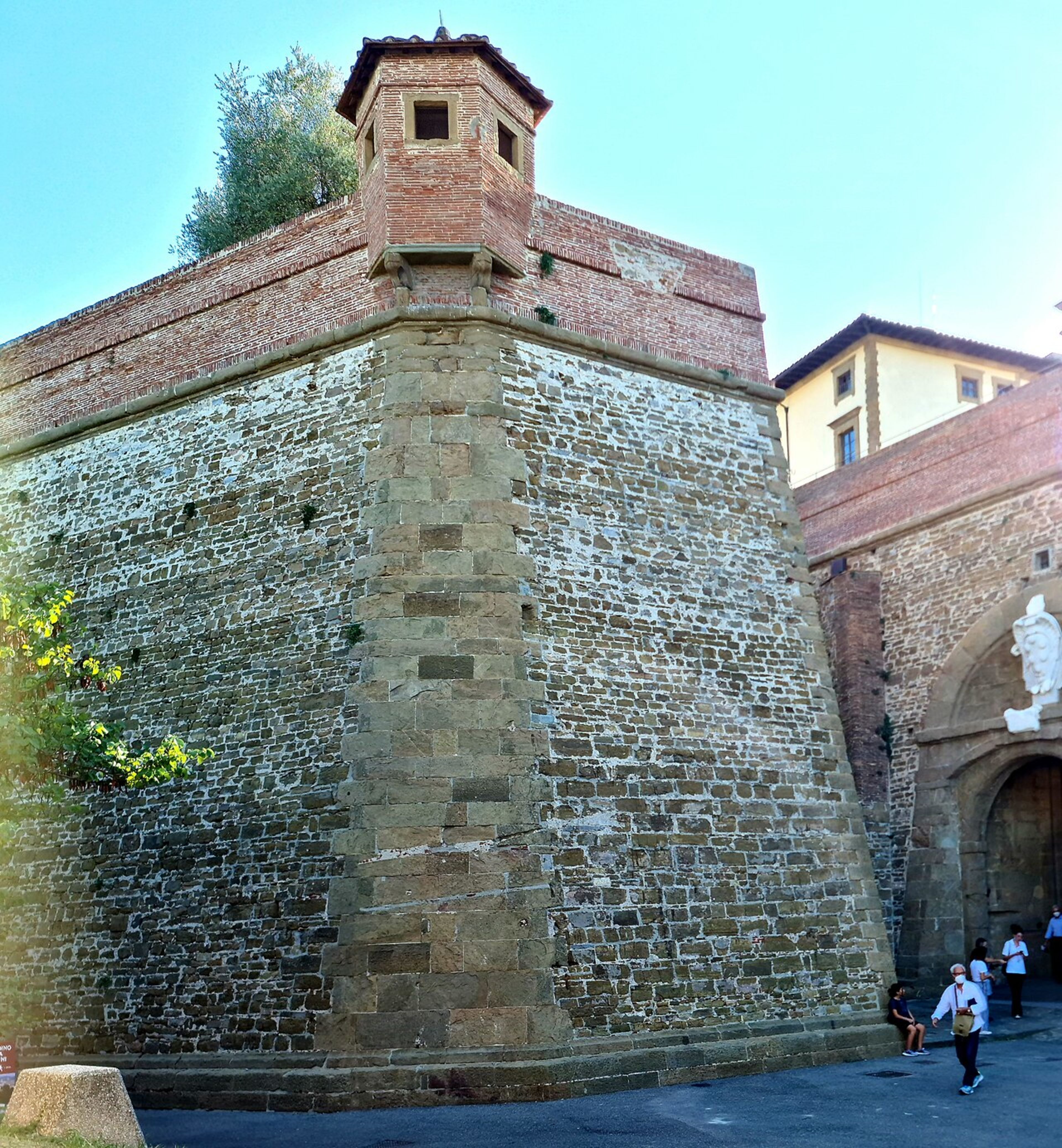
Forte di Belvedere
This Renaissance fortification crowns the southern hills of Florence with dramatic 360-degree views of the Duomo, Arno River, and rolling Tuscan countryside. Built by the Medici family as both a defensive stronghold and pleasure retreat, the fortress blends military precision with elegant courtyards that hosted grand celebrations. The stark stone walls and carefully preserved bastions transport you to centuries past while offering one of the most breathtaking panoramas in Italy.
Photo by Ricardalovesmonuments — CC BY-SA 4.0
Galileo Museum (Science Museum)
Housed in the Renaissance Palazzo Castellani along the Arno River, this museum celebrates Galileo's revolutionary contributions to science through original instruments and manuscripts that changed how we understand the universe. The collection spans from Galileo's actual telescopes and thermometers to intricate mechanical instruments and interactive exhibits that make Renaissance science tangible and engaging. You'll experience the profound shift from medieval thinking to empirical observation that sparked the Scientific Revolution.
Photo by Mesut Yalçın
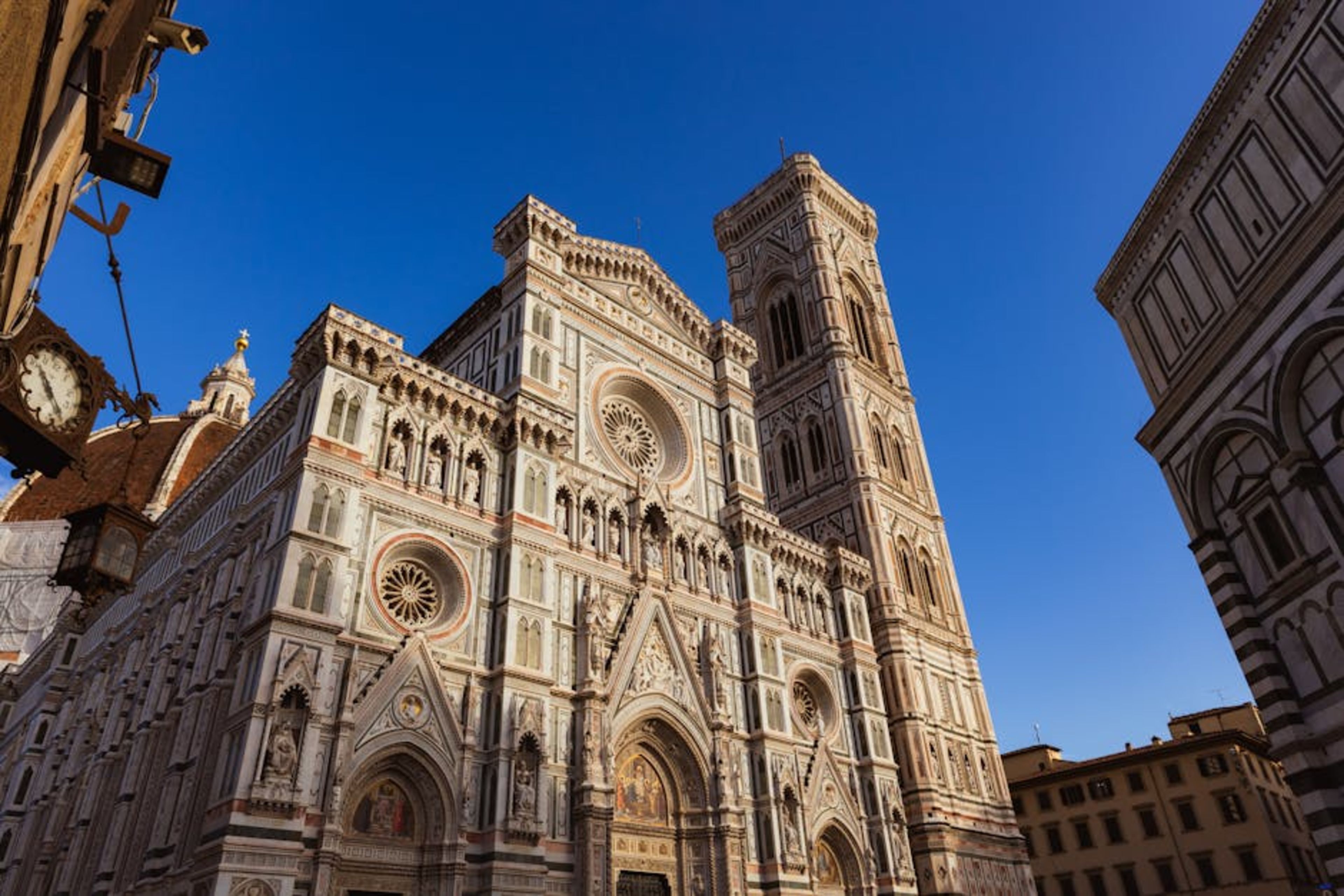
Giotto's Campanile (Bell Tower)
This stunning bell tower rises dramatically beside the Florence Cathedral with its iconic geometric marble patterns in white, green, and pink that seem to catch light differently throughout the day. Designed by the legendary artist Giotto, the campanile is a masterpiece of Italian Gothic architecture that rewards the climb with breathtaking 360-degree views of Florence's terracotta rooftops and surrounding Tuscan hills. The intricate diamond and square inlay designs tell the story of Florence's artistic ambitions and craftsmanship.
Photo by Angelo Capitanio
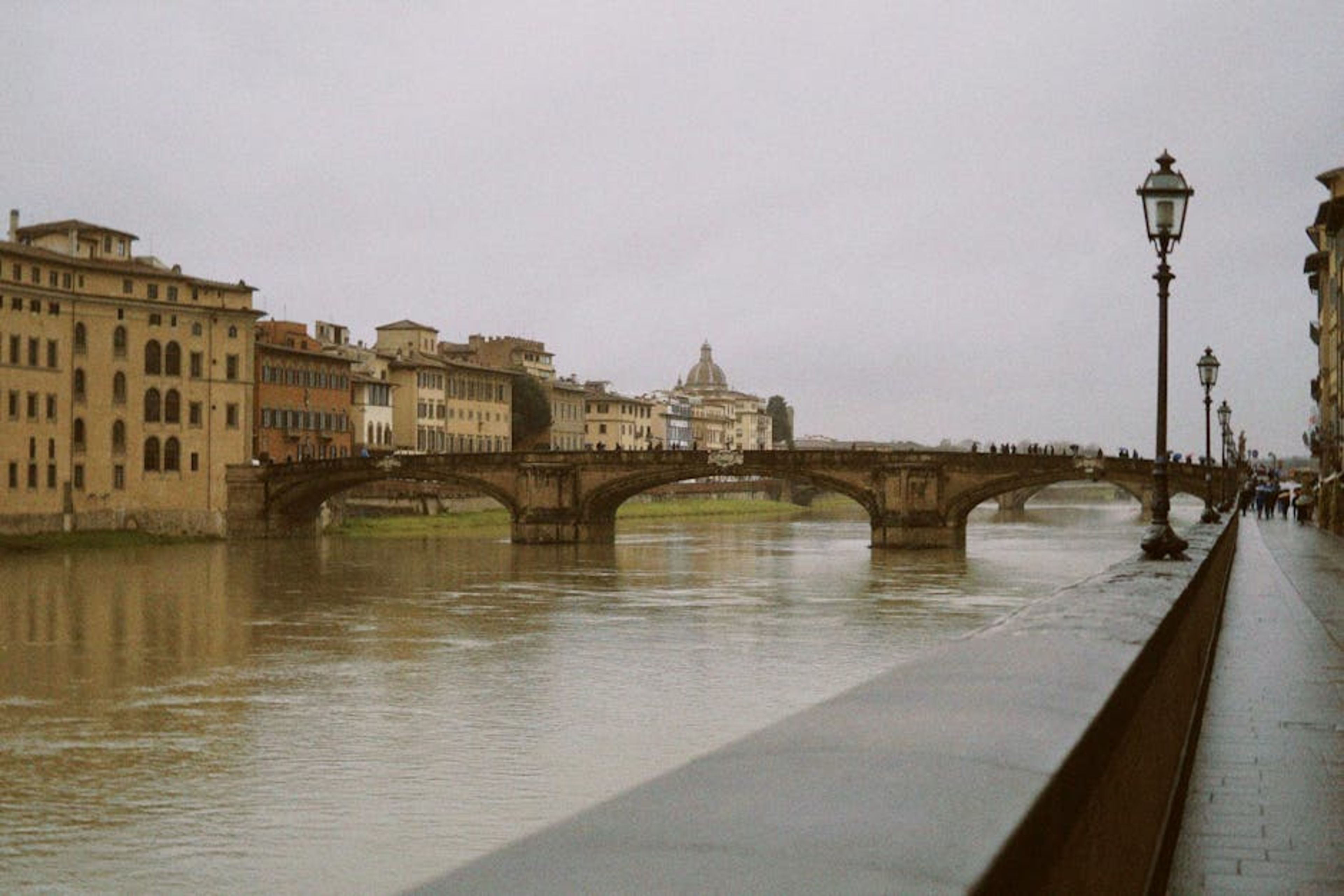
Iris Garden (Giardino dell'Iris)
Nestled on the hillside south of Florence's Piazzale Michelangelo, this serene botanical sanctuary cultivates over 2,500 varieties of iris flowers that transform the garden into a purple and blue paradise each spring. The garden's terraced layout winds through cypress groves and olive trees, offering peaceful respite from the city's crowded monuments while showcasing centuries of iris breeding heritage. Visitors find themselves surrounded by fragrant blooms and panoramic views of the Arno valley, making it a hidden gem that captures the essence of Tuscan botanical tradition.
Photo by William Posser
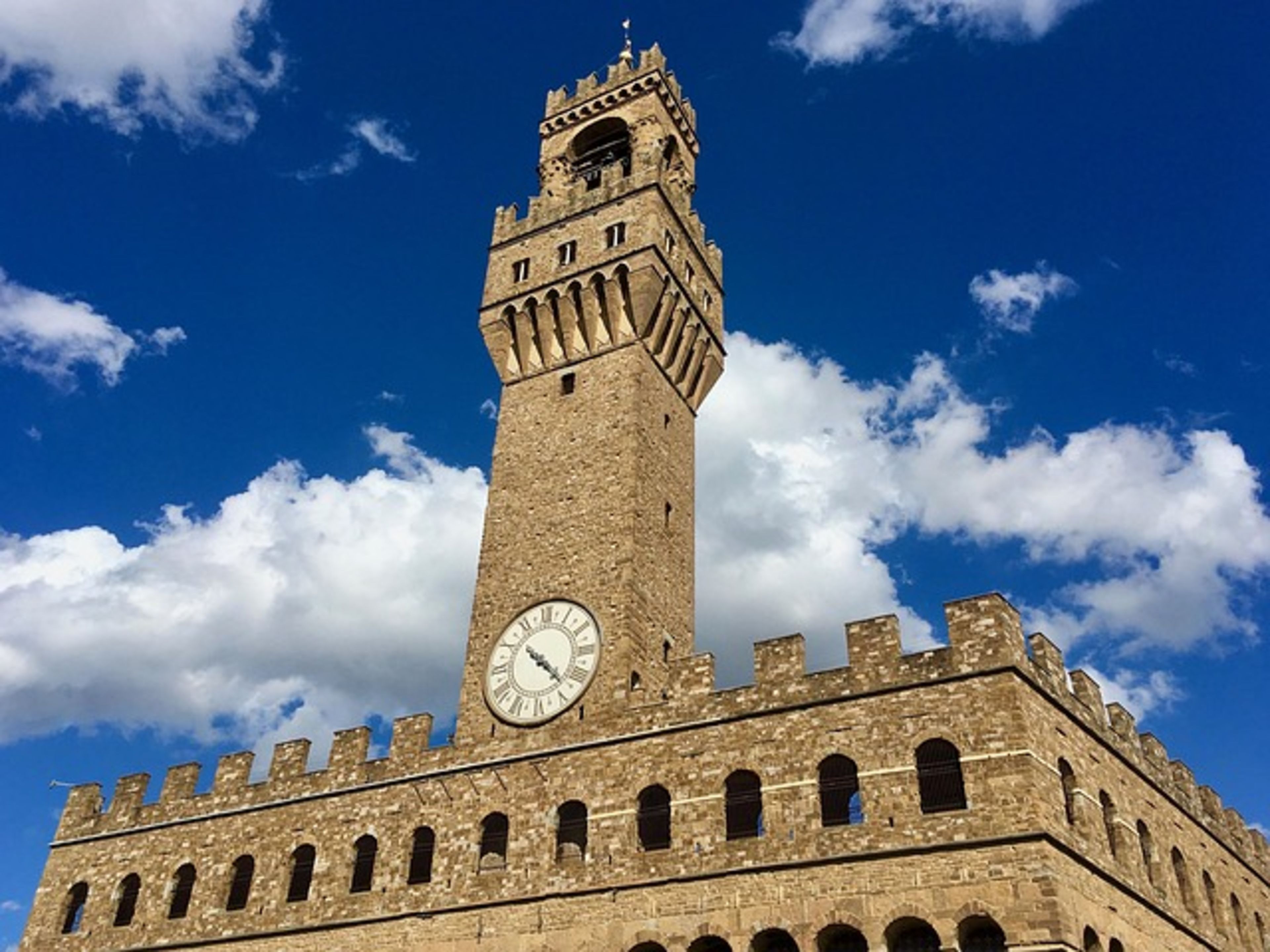
Leather School of Florence
Tucked within the serene cloisters of the Basilica di Santa Croce, this working leather school lets you watch artisans hand-craft leather goods using centuries-old techniques passed down through generations. The school operates both as a functioning workshop and museum, offering an intimate glimpse into Florence's most celebrated craft tradition where apprentices learn alongside master craftsmen at wooden benches. You can browse the adjacent shop where leather journals, belts, and bags are sold at prices that feel refreshingly direct, without the middleman markups of nearby tourist boutiques.
Photo by Eagleeye56

Leonardo da Vinci Museum
This intimate museum houses fascinating interactive models and reconstructions of Leonardo da Vinci's ingenious inventions and engineering designs, bringing his visionary concepts to life. Set in the heart of Florence, it offers a hands-on experience that reveals the mind of the Renaissance master through his coded notebooks and mechanical innovations. The collection captures both the artistic brilliance and scientific curiosity that defined da Vinci's extraordinary legacy.
Photo by aiva.
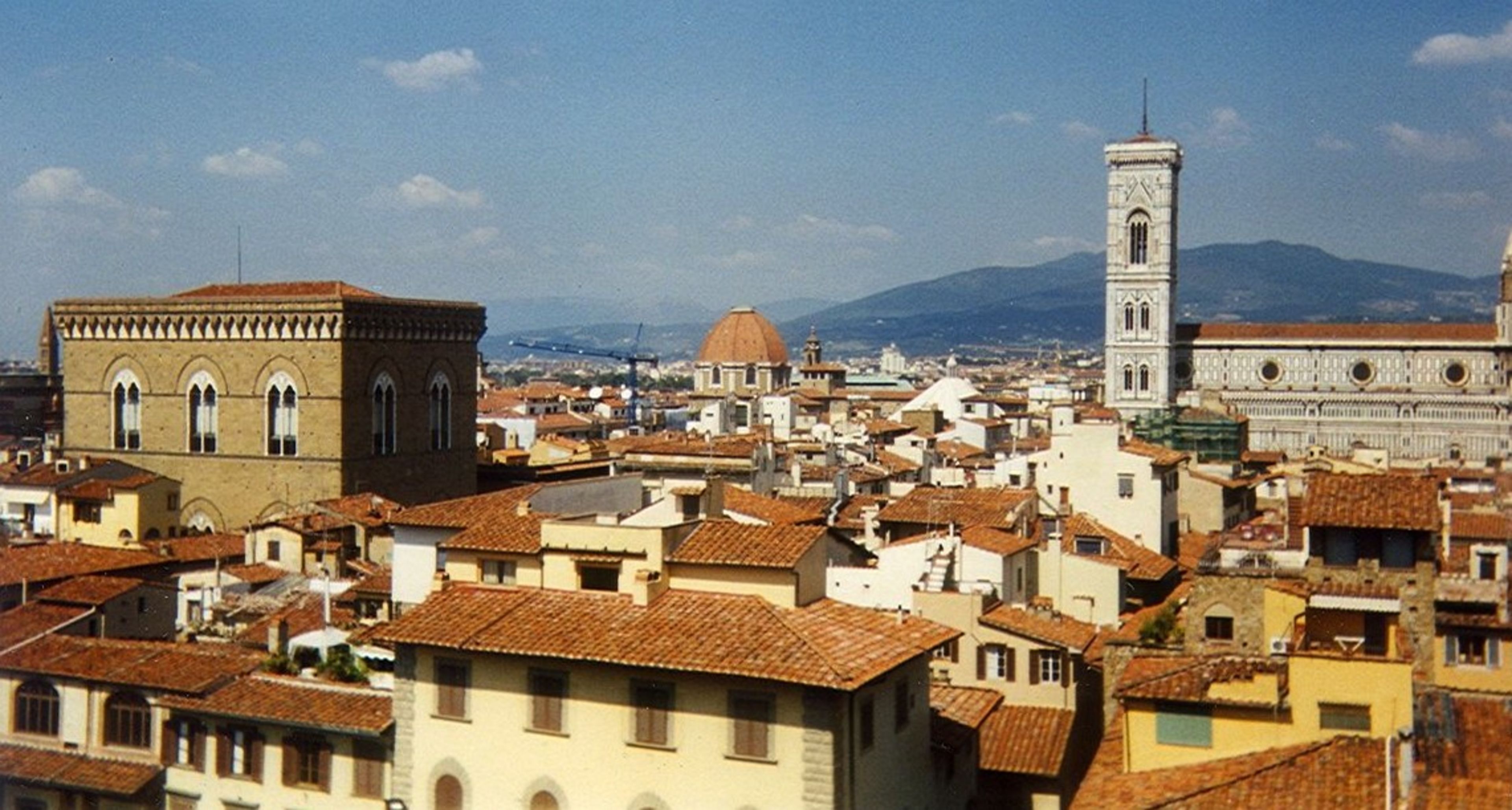
Loggia dei Lanzi
This stunning Renaissance loggia showcases masterpieces of Renaissance sculpture beneath elegant stone arches, including Cellini's famous Perseus and Giambologna's Rape of the Sabines. Built as a gathering space for Florentine nobility, it seamlessly blends art, history, and architecture in one of Italy's most celebrated public squares. The open-air gallery creates an intimate yet grand setting where centuries of artistic achievement feel touchably close.
Photo by Infrogmation — CC BY-SA 4.0

Medici Chapels
These magnificent chapels showcase the Renaissance at its most ambitious, with the Sagrestia Nuova featuring Michelangelo's haunting sculptures of Dawn, Dusk, Day, and Night that seem to emerge from their marble tombs. The New Sacristy and Chapel of the Princes together represent the Medici family's boundless wealth and artistic patronage, creating an atmosphere that feels both intimate and eternally grand. Soft light filters through the space, illuminating the careful geometry and precious marble work that took generations to complete.
Photo by Mattana — CC BY-SA 3.0
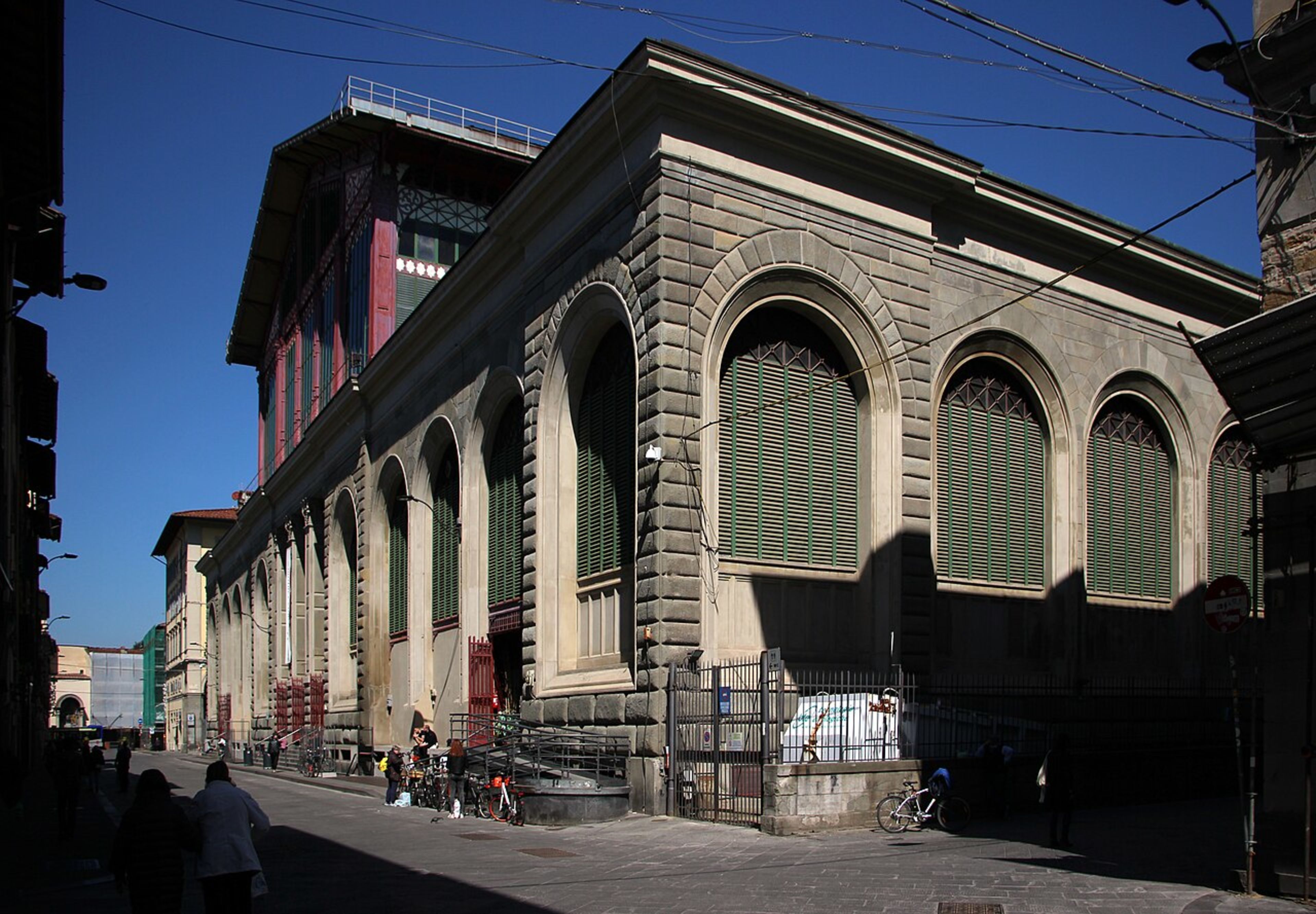
Mercato Centrale
Florence's historic central market pulses with the energy of daily Florentine life, where vendors have hawked fresh produce, meats, and cheeses for nearly 150 years beneath its elegant iron and glass structure. Built during the city's 19th-century urban renewal, Mercato Centrale captures the authentic soul of Florence that tourists often miss, offering a sensory feast of regional specialties and local conversation. The market's two levels—ground floor bustling with fresh ingredients and upper floor housing restaurants and food stalls—create a living testament to Italian food culture.
Photo by Francesco Bini — CC BY-SA 4.0
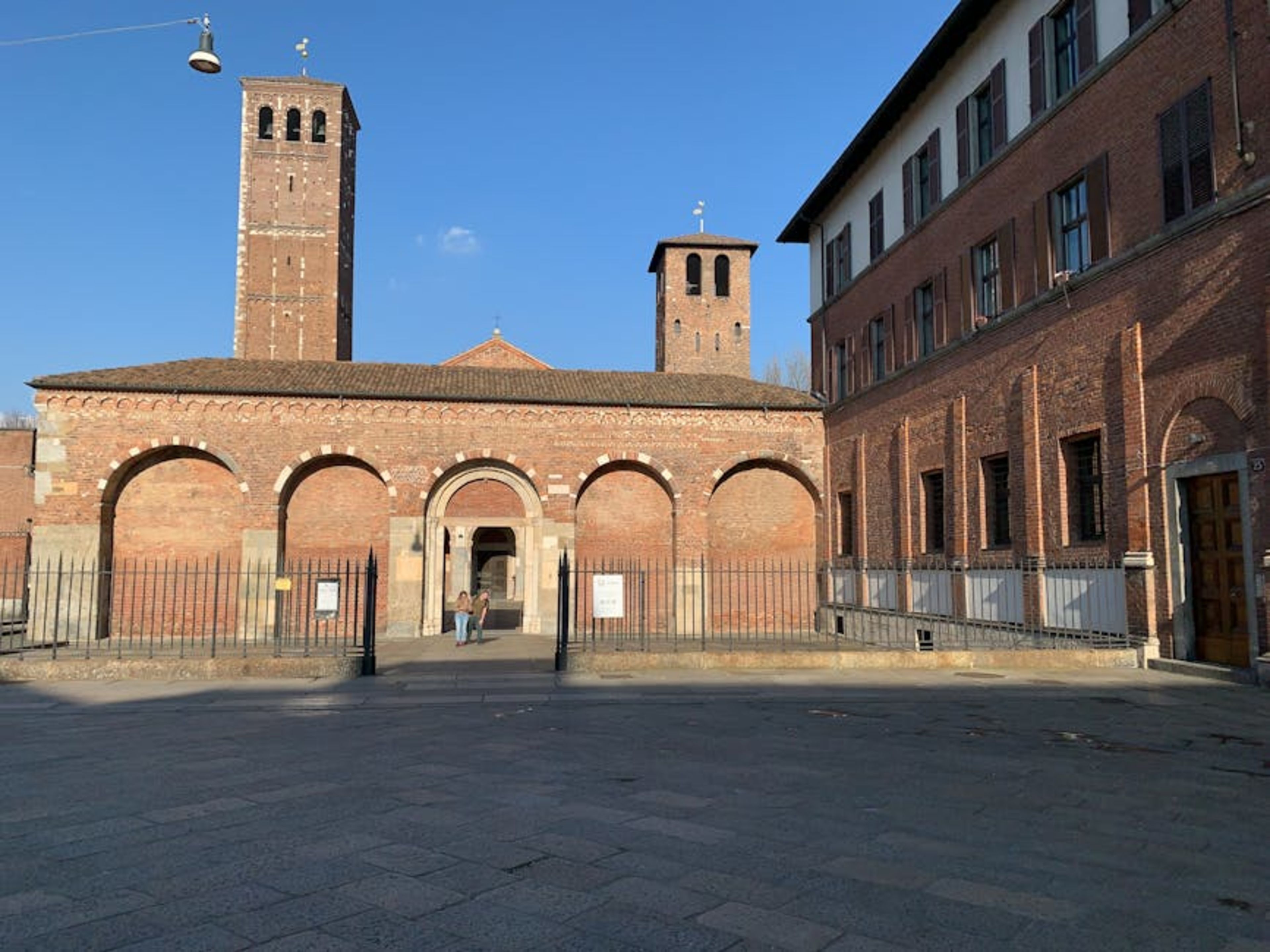
Mercato di Sant'Ambrogio
This covered market has supplied Florentines with fresh produce, meats, and flowers since the 19th century, offering an authentic glimpse into daily Florentine life away from tourist crowds. The iron and glass structure creates a charming, bustling atmosphere where vendors call out their daily specials and locals greet each other by name. It's a sensory experience—the aroma of fresh herbs and seasonal fruits mingles with the energetic chatter of shoppers and merchants.
Photo by Robin

Museo Nazionale del Bargello
Housed in a fortress-like medieval palace that once served as Florence's police headquarters and prison, this magnificent museum showcases Italy's most important collection of Renaissance sculpture. You'll find masterworks by Michelangelo, Donatello, and Brunelleschi in intimate courtyards and vaulted chambers that feel like stepping into Florence's artistic past. The building itself, with its dramatic crenellated tower and austere stone facade, is as much a work of art as the treasures it protects.
Photo by Efrem Efre
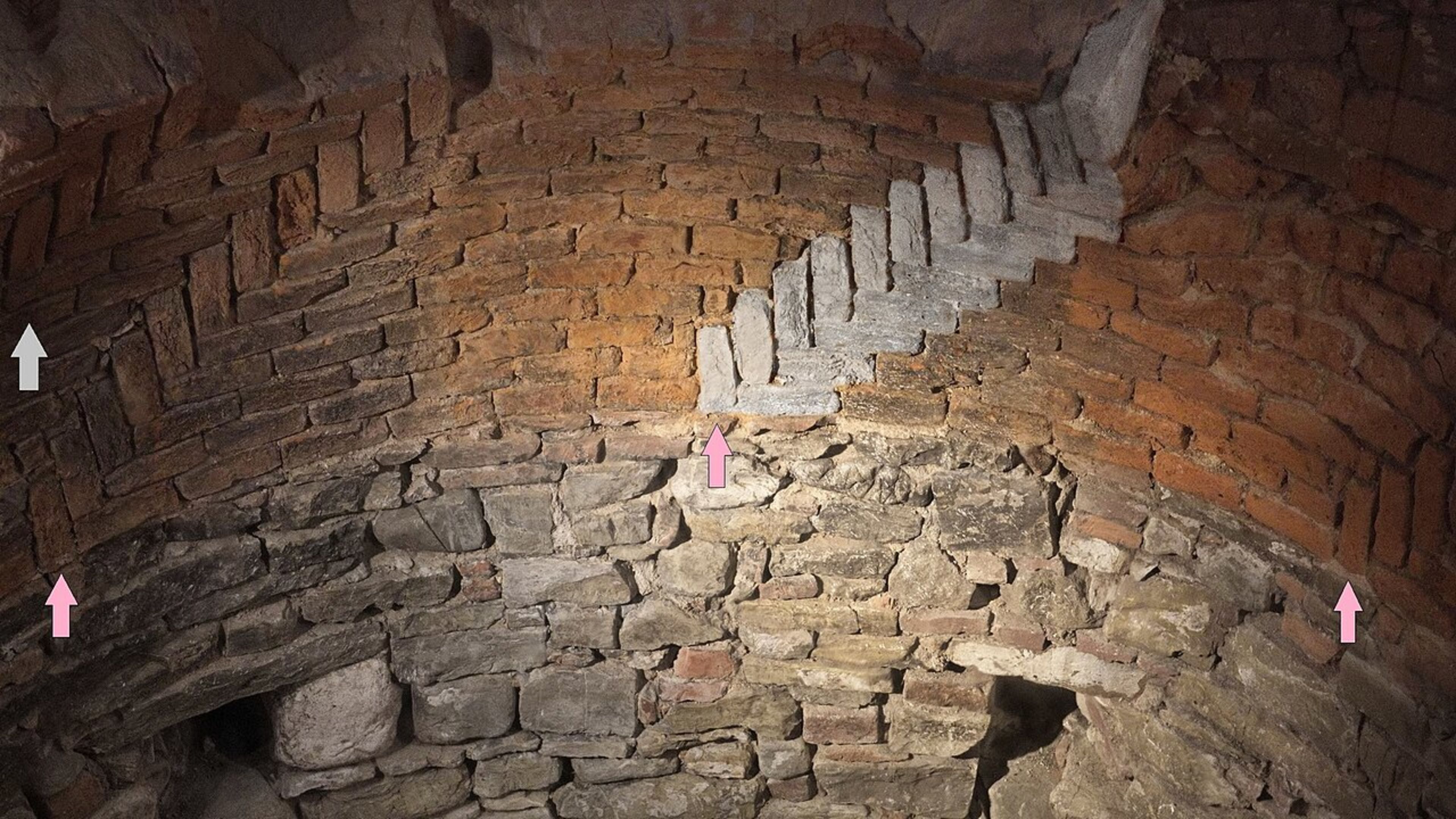
Museo dell'Opera del Duomo
This intimate museum houses the original masterpieces that once adorned Florence Cathedral, including Donatello's haunting wooden sculptures and Ghiberti's celebrated bronze doors panels. Walking through these galleries, you'll encounter the raw creative power of Renaissance artists in works that shaped Western art history, from delicate Gothic reliefs to revolutionary perspective studies. The museum offers an uncluttered appreciation of these treasures away from the cathedral crowds, allowing genuine contemplation of each piece's craftsmanship.
Photo by Armin Kleiner — CC BY-SA 4.0

Officina Profumo-Farmaceutica di Santa Maria Novella
Step into four centuries of botanical tradition at this enchanting apothecary nestled beside the Santa Maria Novella basilica, where Dominican friars first crafted perfumes and medicinal remedies in the 1600s. The intimate shop preserves its original wooden cabinets, antique glass vessels, and period furnishings, creating an atmosphere that transports you straight into Renaissance Florence's most sophisticated beauty rituals. Today, you can purchase their legendary fragrances, skincare products, and herbal remedies using recipes perfected over generations.
Photo by Diego Delso — CC BY-SA 4.0

Oltrarno Neighborhood
Oltrarno is Florence's artisan soul, where narrow streets lined with workshops reveal woodworkers, leather craftspeople, and printmakers still practicing centuries-old trades. This riverside neighborhood feels refreshingly local compared to the tourist-heavy northern bank, offering a genuine glimpse of how Florentines actually live and create. Hidden piazzas, quiet trattorias, and unexpected galleries make wandering here feel like discovering someone's best-kept secret.
Photo by Hub JACQU

Ospedale degli Innocenti
This Renaissance masterpiece by Filippo Brunelleschi showcases the iconic loggia with its graceful arches and terracotta medallions depicting swaddled infants. Once a foundling hospital serving Florence's most vulnerable children, it now houses an art gallery displaying works by Botticelli, Ghirlandaio, and other Renaissance masters. The serene courtyard and intimate galleries reveal both the building's humanitarian purpose and its profound artistic significance.
Photo by Simone Ramella

Palazzo Medici Riccardi
This stately Renaissance mansion showcases the refined taste and power of Florence's most influential family, with elegant courtyards and frescoed chapels that reveal how the Medici lived and ruled. The palace seamlessly blends austere stone facades with luminous interior spaces, particularly the stunning Chapel of the Magi adorned with Benozzo Gozzoli's vibrant frescoes. A walk through these rooms connects you directly to five centuries of Florentine history and artistic patronage.
Photo by Julian Lupyan — CC0

Palazzo Vecchio
Florence's imposing fortress-palace has served as the seat of power for over seven centuries, its crenellated tower rising majestically above the Piazza della Signoria. Inside, opulent Renaissance chambers and hidden passageways reveal the artistic ambitions of the Medici family, while the courtyard opens onto one of Italy's most recognizable public squares. The museum offers an intimate look at Florentine governance through frescoed halls, marble staircases, and collections ranging from Renaissance paintings to ancient sculptures.
Photo by Petar Milošević — CC BY-SA 4.0

Piazza della Repubblica
This grand Renaissance square sits at the heart of Florence's historic center, where Roman ruins once anchored the ancient city and a medieval Jewish ghetto stood before being redeveloped in the 19th century. Today it's a vibrant gathering place surrounded by elegant cafes and historic buildings, offering a perfect vantage point to absorb the energy of the city. The neoclassical columns and arcaded facades create an almost theatrical backdrop that makes the square feel like an outdoor drawing room for both locals and visitors.
Photo by Renzo Ferrante
Itineraries Here
Planning a Trip to Florence: FAQs
When is the best time to visit Florence?
⌄
The best time to visit Florence is spring.
How many days do you need in Florence?
⌄
Plan on about 4 days to cover Florence's highlights at a comfortable pace.
How do you get to Florence?
⌄
Florence is served by Peretola Airport (Aeroporto di Firenze) for direct European connections, and is approximately 90 minutes by train from Rome Fiumicino or 2 hours by car from Pisa International Airport. The city's central Santa Maria Novella train station connects Florence directly to Rome (2.5–3 hours), Milan (2–3 hours), and other major Italian cities.
What are the top things to do in Florence?
⌄
Top attractions in Florence include Accademia Gallery (David by Michelangelo), Baptistery of St. John, Bardini Gardens, Bargello Museum and Basilica di San Lorenzo. Itinara lists 38 verified attractions in total.