
Venice is an enchanting labyrinth of waterways, historic palaces, and centuries-old charm spread across 126 islands in a shallow Adriatic lagoon. Every corner reveals Renaissance art, Byzantine domes, and secret squares where locals still live among the canals as their ancestors did. The absence of cars and dominance of water transport create an almost dreamlike quality—a living museum where everyday life and extraordinary beauty are inseparable. Whether navigating the famous Grand Canal or stumbling upon hidden campos in lesser-known sestieri, Venice rewards the curious traveler with moments of genuine wonder.
Key Attractions
View all 47 attractions →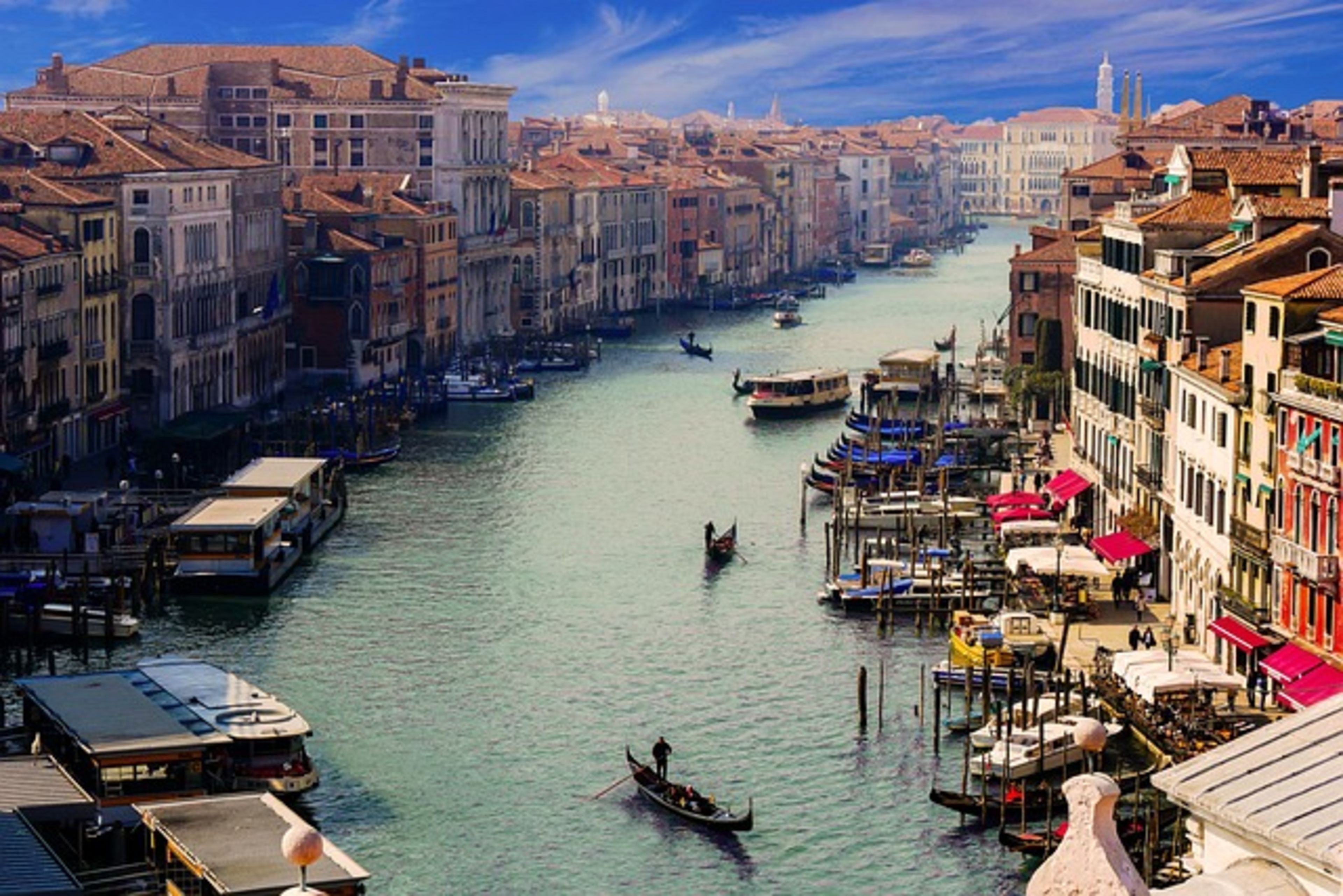
Arsenale
Once the beating heart of Venetian maritime power, the Arsenal is a sprawling complex where the Republic's legendary galleys were built with assembly-line efficiency centuries before the Industrial Revolution. Today it houses naval museums, restored shipyards, and atmospheric outdoor spaces where you can walk through centuries of naval history and witness traditional Venetian boat-building techniques. The site captures both the industrial ingenuity and artistic heritage that made Venice a Mediterranean superpower.
Photo by garten-gg

Bridge of Sighs
This ivory-colored limestone bridge, built in the early 17th century, serves as one of Venice's most romantic and melancholic symbols, connecting the Doge's Palace to the historic prison across the Rio di Palazzo. Legend claims that condemned prisoners would sigh as they crossed toward their cells, hence the bridge's haunting name. The ornate Baroque architecture and barred windows frame one of the city's most photogenic and emotionally resonant passages.
Photo by The Library of Congress from Washington, DC, United States — No restrictions

Burano Island
This impossibly picturesque fishing village explodes with jewel-toned houses that line narrow canals, creating the kind of postcard-perfect scenery that feels almost too vibrant to be real. Stroll past laundry fluttering between buildings, peek into lace-making shops where artisans still practice centuries-old techniques, and grab fresh seafood at waterfront trattorias where fishermen tie up their boats. The island pulses with authentic Venetian life that somehow remains undisturbed despite its fame, offering an intimate glimpse into how islanders actually live.
Photo by 12019

Ca' Pesaro
This ornate Baroque palace showcases Venice's finest modern and contemporary art collections within its gilded rooms overlooking the Grand Canal. The building itself is as much a masterpiece as its contents, with dramatic marble facades and soaring ceilings that transport you into Venice's aristocratic past. Inside you'll discover works by major European artists alongside intricate decorative arts that reveal how Venetian nobility once lived.
Photo by dalbera

Ca' Rezzonico
This magnificent 18th-century palazzo showcases the opulence of Venetian high society through lavishly decorated rooms adorned with frescoed ceilings, period furniture, and paintings by masters like Canaletto and Tiepolo. The museum offers an intimate glimpse into the daily lives of the Venetian aristocracy, with galleries displaying everything from ornate furniture to delicate ceramics and elaborate costumes. Its Grand Canal location provides stunning views across Venice's most iconic waterway, making it as much a window into the city's grandeur as a repository of its artistic treasures.
Photo by John Tekeridis

Ca' d'Oro
This exquisite 15th-century Gothic palace enchants visitors with its ornate marble façade and delicate tracery overlooking the Grand Canal, originally adorned with gold leaf that inspired its romantic name. Inside, you'll discover the Franchetti Gallery, an intimate art collection housed within elegant rooms that showcase Venetian masterpieces alongside Renaissance sculptures and paintings. The palace exemplifies Venetian Gothic architecture at its finest, blending Byzantine, Islamic, and European influences in a harmonious waterfront composition.
Photo by andlaz

Campanile di San Marco
This iconic brick tower dominates St Mark's Square with its commanding 98.6-meter presence, rebuilt faithfully after its dramatic 1902 collapse. The campanile offers breathtaking panoramic views across Venice's lagoon and the city's terracotta rooftops from its observation deck. Its distinctive Venetian architecture and golden weathervane have made it one of Italy's most recognizable landmarks since its restoration in 1912.
Photo by Unknown
Campo San Polo
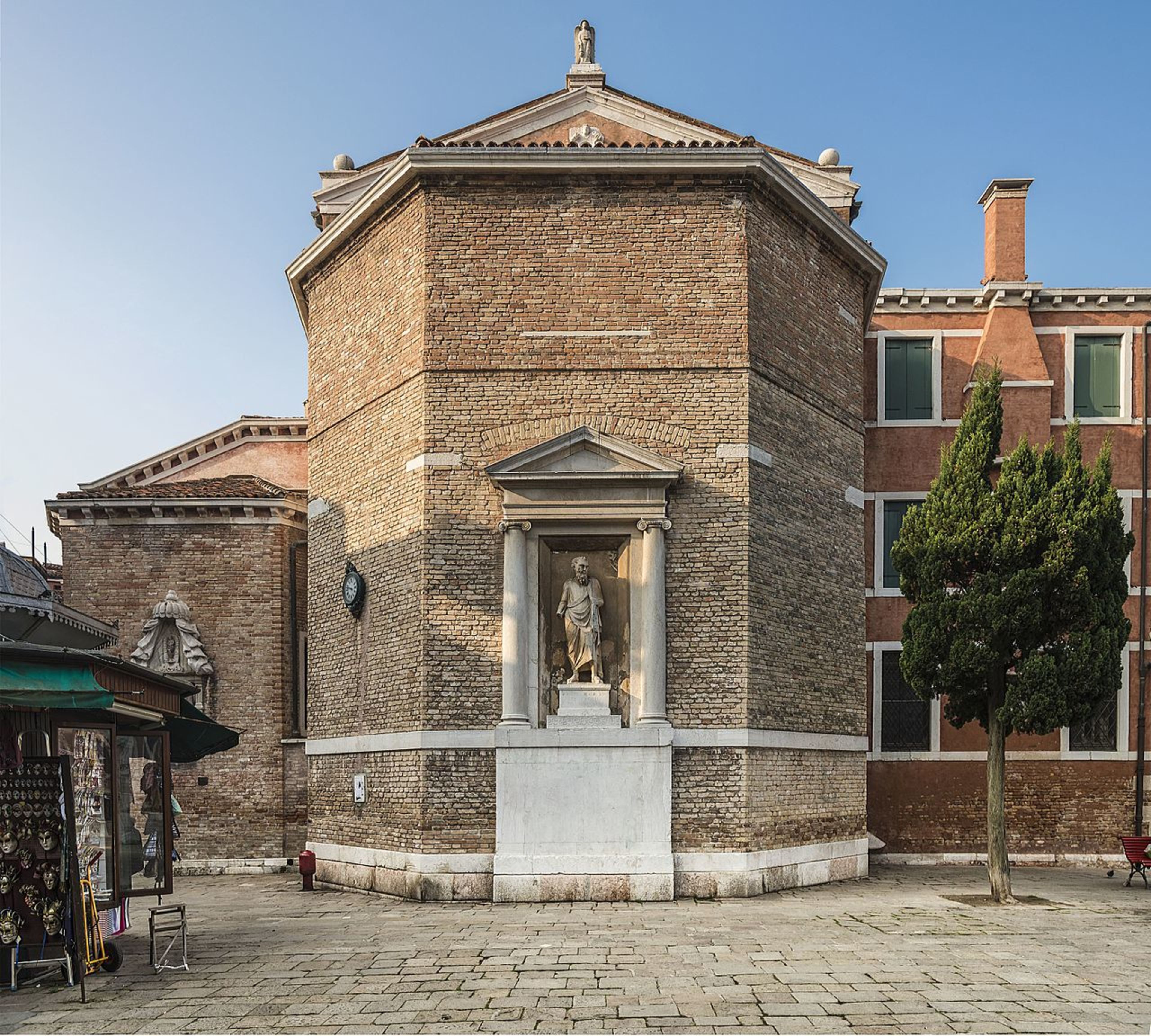
This sprawling rectangular campo is the heart of everyday Venetian life, where locals gather to chat, children play, and the rhythm of the city pulses quietly away from tourist masses. Unlike the formal grandeur of San Marco, Campo San Polo feels refreshingly lived-in, surrounded by colorful residential buildings, small cafés, and the striking Church of San Polo on its eastern edge. The square's open expanse offers rare breathing room in Venice's typically narrow, winding streets.
Photo by Didier Descouens — CC BY-SA 4.0

Campo Santa Margherita
This lively campo is the heart of Dorsoduro's bohemian character, where locals gather around the central well and ivy-draped buildings create an intimate Venetian atmosphere far from tourist hordes. Surrounded by cafés, gelato shops, and university students, the square pulses with authentic Venetian life and serves as a natural gathering place for both residents and visitors seeking genuine neighborhood vibes. The campo's generous open space and architectural charm make it one of Venice's most beloved squares for people-watching and soaking in everyday Venetian culture.
Photo by Efe Ersoy

Cannaregio Sestiere
Photo by nonsolo3D

Castello Sestiere
Castello is Venice's largest and most residential sestiere, offering an authentic escape from the tourist-packed Grand Canal with its quiet corners, local artisan workshops, and genuine Venetian atmosphere. The neighborhood reveals itself gradually through meandering alleyways that connect hidden squares, historic shipyards, and family-run establishments where Venetians still gather for morning espresso. From the Arsenal to the peaceful waterfront of Via Garibaldi, this district pulses with the real heartbeat of Venice rather than postcards.
Photo by leo2014
Clock Tower (Torre dell'Orologio)
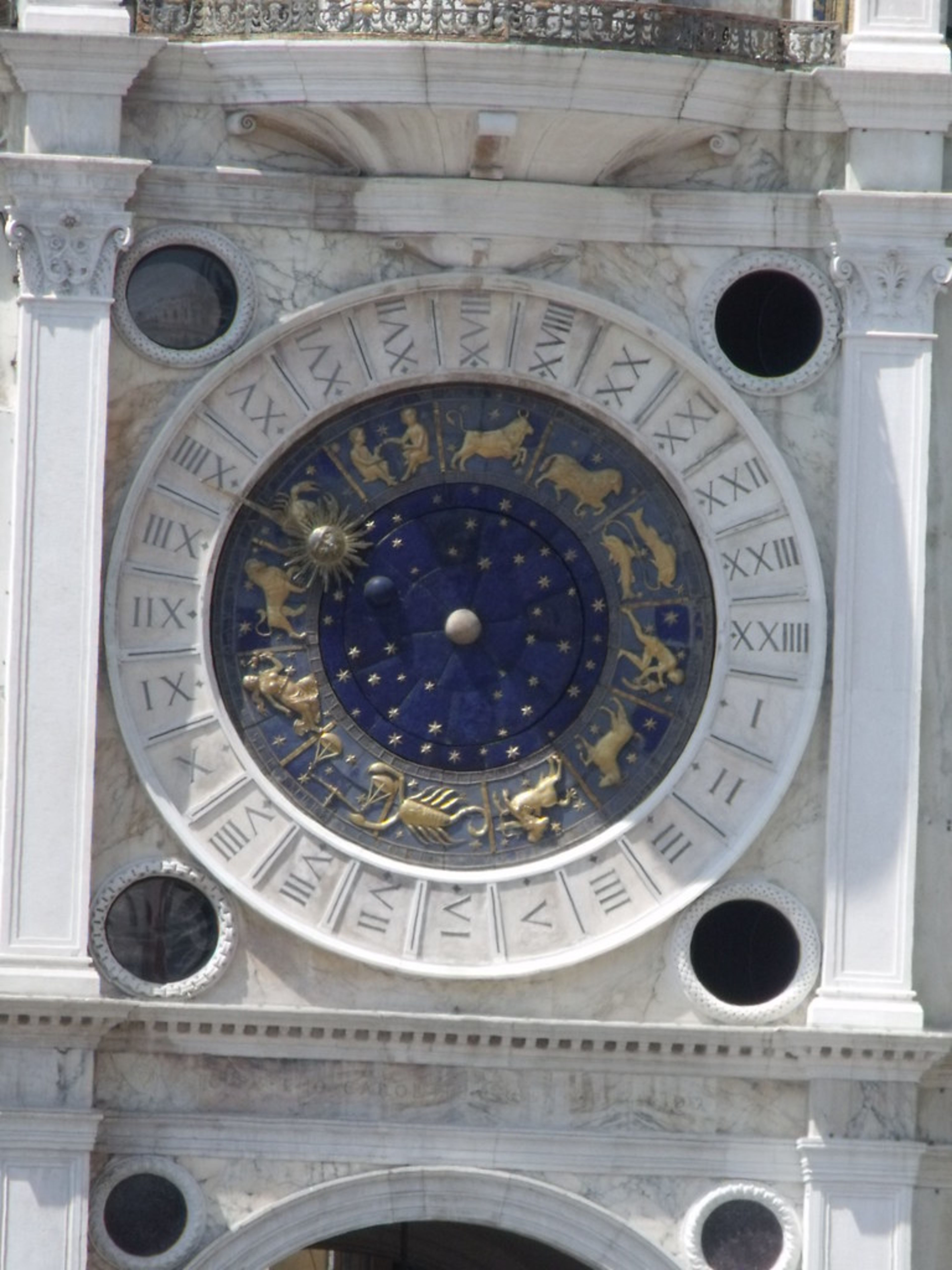
Rising majestically over St. Mark's Square, this Renaissance masterpiece has tracked Venetian time for over five centuries with its stunning astronomical dial and intricate mechanical workings. Visitors who brave the narrow staircases are rewarded with intimate views of the clock mechanism and a bird's-eye perspective of the piazza below. The tower's blue and gold face, crowned by two bronze Moors that strike the bell above, is an iconic symbol of Venice's maritime glory and engineering ingenuity.
Photo by ell brown

Doge's Palace
This stunning Venetian Gothic masterpiece served as the residence and seat of power for Venice's rulers from the 14th century onward, its pink and white marble façade a testament to the republic's maritime wealth. Inside, you'll encounter grand halls adorned with works by Venetian masters, secret passages used by the Doge, and the infamous Bridge of Sighs connecting to the prison. The palace's ornate interiors reveal the intricate political machinations and artistic sophistication that defined Venice's golden age.
Photo by Chris Liu

Dorsoduro Sestiere
Dorsoduro is Venice's most vibrant cultural district, home to world-class art museums including the Accademia Gallery and the Peggy Guggenheim Collection alongside charming residential streets and local osterias. This southwestern sestiere perfectly balances artistic prestige with authentic Venetian life, featuring the iconic Basilica di Santa Maria della Salute and panoramic waterfront promenades along the Grand Canal. The neighborhood's artistic legacy, bohemian atmosphere, and thriving community of students and artisans make it distinctly different from the crowded tourist zones of San Marco.
Photo by Erik Mclean
Fondamenta delle Zattere
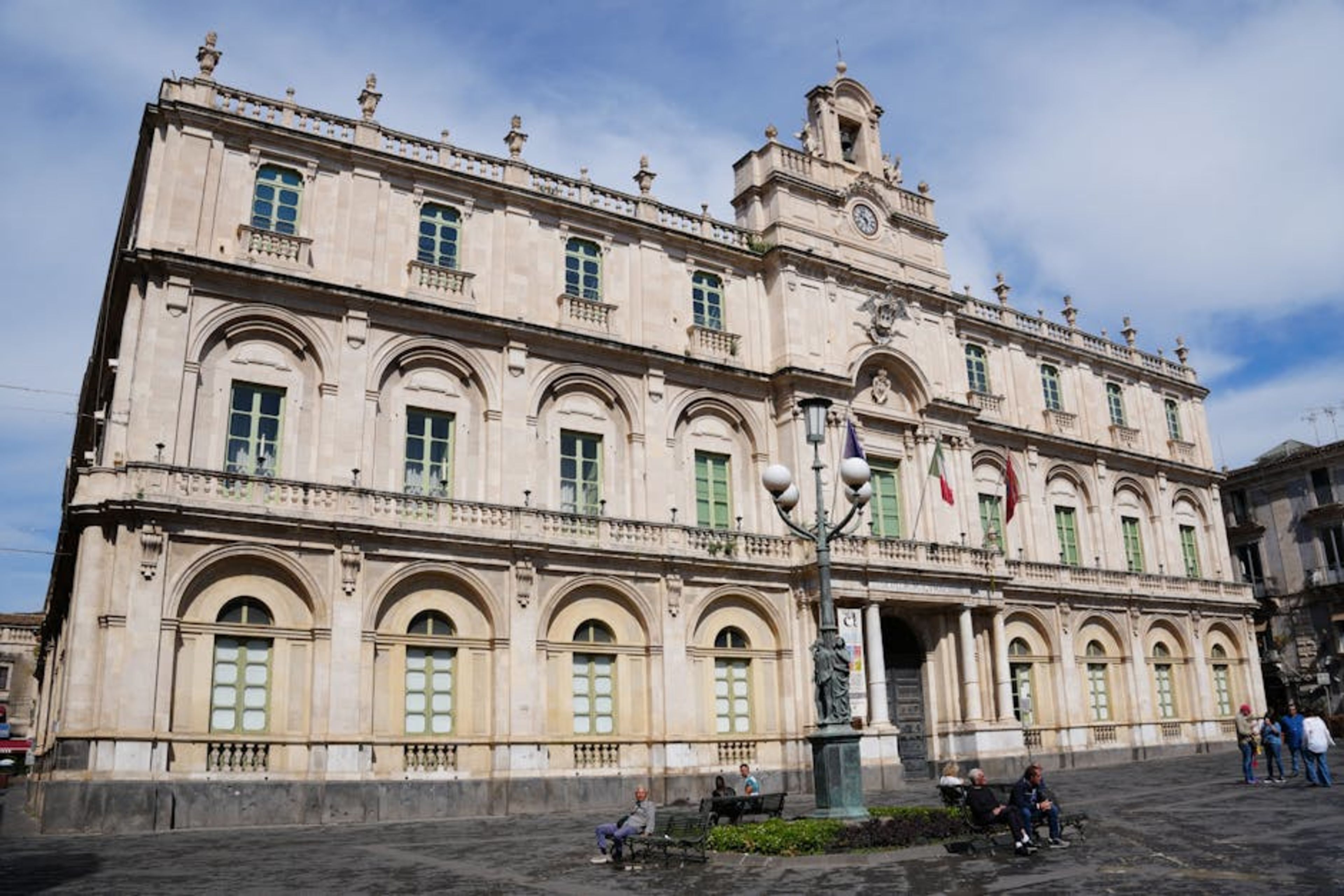
This beloved waterfront promenade stretches along Venice's southern edge, offering some of the city's most unobstructed views across the Giudecca Canal to the island beyond. Local Venetians favor this sunlit ribbon of pavement for evening passeggiata, gelato in hand, where the air feels fresher and the pace more relaxed than the labyrinthine center. The Zattere is where Venice's working waterfront meets leisurely living—dotted with historic boatyards, casual cafés, and the monumental Gesuati church punctuating the skyline.
Photo by Dmitry Romanoff

Fondazione Querini Stampalia
This magnificent Renaissance palace reveals the refined taste of Venice's noble Querini Stampalia family through its intimate galleries and impressive library spanning centuries. The beautifully restored interior, enhanced by architect Carlo Scarpa's modern interventions, creates a dialogue between historic treasures and contemporary design that feels refreshingly personal rather than institutional. Beyond the art collections, the hidden garden courtyard offers a serene escape from the bustling streets outside.
Photo by Vladimir Srajber

Frari Church (Basilica dei Frari)
This majestic Gothic basilica soars above the San Polo district with a stunning brick façade and houses some of Venice's most treasured Renaissance masterpieces, including Titian's luminous 'Assumption of the Virgin.' Walking through its cavernous interior feels like stepping into a masterclass of Italian art, where the play of light through tall windows illuminates centuries of devotion captured in paint and stone.
Photo by Stefan G

Gallerie dell'Accademia
This essential Venetian museum showcases centuries of masterpieces from the Byzantine through Renaissance periods, featuring works by Bellini, Titian, Tintoretto, and Veronese that capture the city's golden artistic legacy. The collection flows chronologically through intimate galleries, allowing you to witness Venice's artistic evolution from its Byzantine influences to its Renaissance dominance. Every few years, the museum becomes a pilgrimage site when Leonardo's extraordinary Vitruvian Man drawing is displayed, drawing art lovers from around the world.
Photo by Didier Descouens — Public domain

Ghetto Ebraico
Hidden behind an unassuming archway in Venice's Cannaregio district lies the world's first and most compact Jewish ghetto, where five centuries of Venetian Jewish life unfolds across impossibly narrow streets and towering buildings stacked story upon story. The community transformed vertical living into an art form, with buildings rising six or seven stories high to accommodate the population confined within these tight boundaries, creating an atmosphere both melancholic and intimate. Today, the neighborhood pulses with kosher restaurants, cultural centers, and museums that honor this resilient community's enduring heritage.
Photo by nouveaumonde34

Giudecca Island
Giudecca Island offers a quieter, more authentic Venetian experience than the crowded San Marco district, with waterfront promenades, residential neighborhoods, and the stunning Basilica di Santa Maria della Presentazione. The island's industrial heritage blends with contemporary art galleries and boutique restaurants, creating a charming contrast to Venice's busier zones. Long, peaceful walks along the Fondamenta reveal local life, boatyards, and sudden vistas across the Giudecca Canal.
Photo by Markus Winkler

Gondola Rides
Gliding silently through Venice's narrow waterways in a traditional black gondola is less about transportation and more about surrendering to the city's romantic rhythm—your gondolier will navigate centuries-old routes beneath low bridges while the sounds of the bustling squares fade away. These iconic flat-bottomed boats have been the lifeblood of Venice since medieval times, and a ride offers intimate perspectives of hidden palaces, local neighborhoods, and the architectural details that make each canal uniquely enchanting. The experience captures something almost dreamlike about Venice that photos simply cannot convey.
Photo by Mary P Madigan
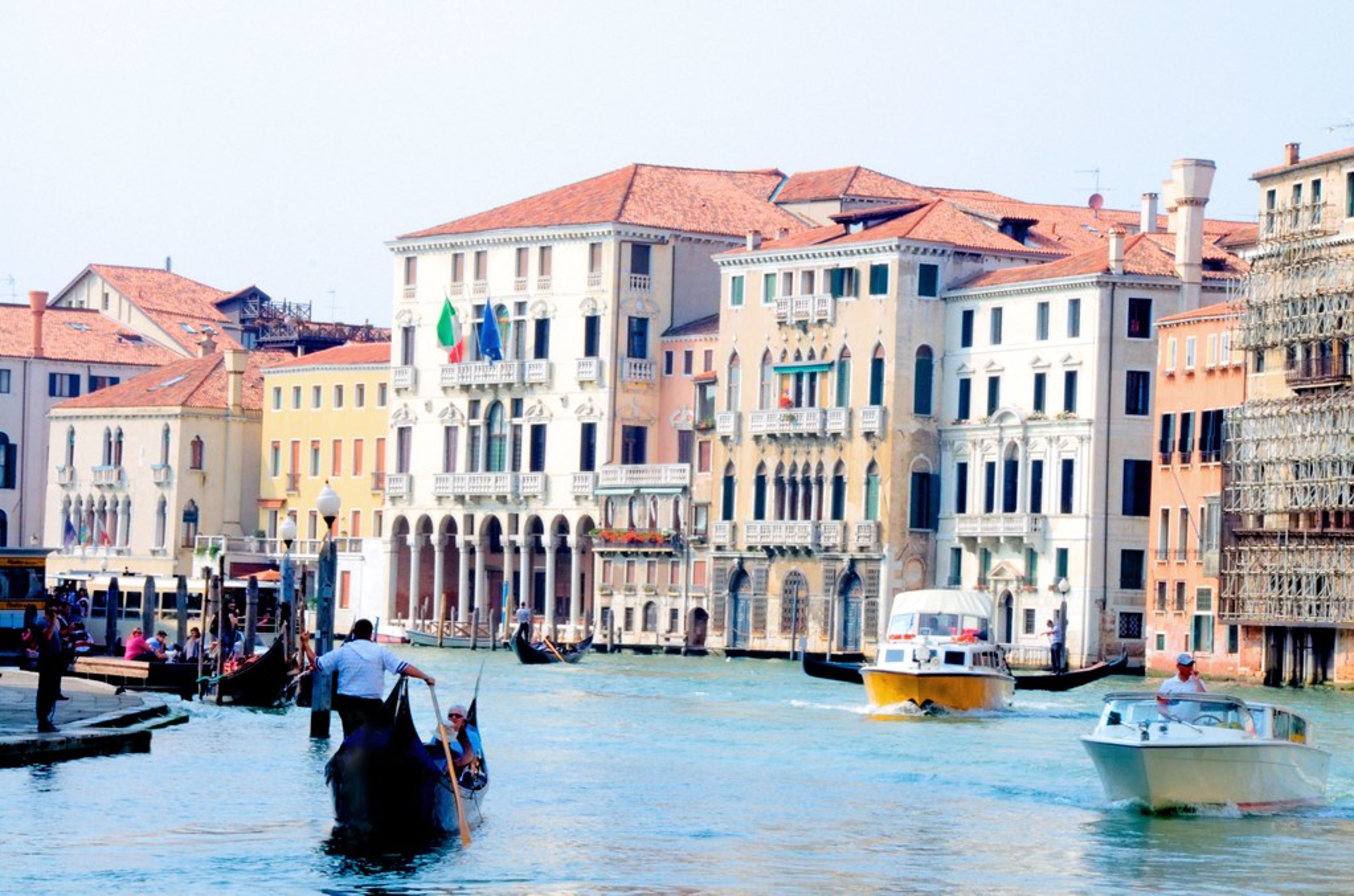
Grand Canal
Venice's vital artery winds through the heart of the city like an elegant S-curve, connecting the railway station to San Marco Basin while flanking some of the republic's most magnificent palaces. The canal's edges burst with Gothic, Renaissance, and Baroque architecture that tells the story of Venice's maritime dominance and merchant wealth. Traveling by vaporetto or gondola offers an intimate perspective on how Venetians live and move through their aquatic city.
Photo by gnuckx

Libreria Acqua Alta (Bookshop)
This enchanting used bookshop in the Cannaregio district is a labyrinth of stacked volumes, creaky wooden floors, and whimsical touches like books piled inside a vintage gondola and a rooftop garden overlooking the Grand Canal. The owner's quirky personality permeates every corner, from hand-scrawled signs to a cat that occasionally naps among the Italian literature section. It's a treasure hunt for bibliophiles, where you're as likely to find a rare first edition as you are to stumble upon unexpected literary gems tucked into unconventional corners.
Photo by Davide Mauro — CC BY-SA 4.0
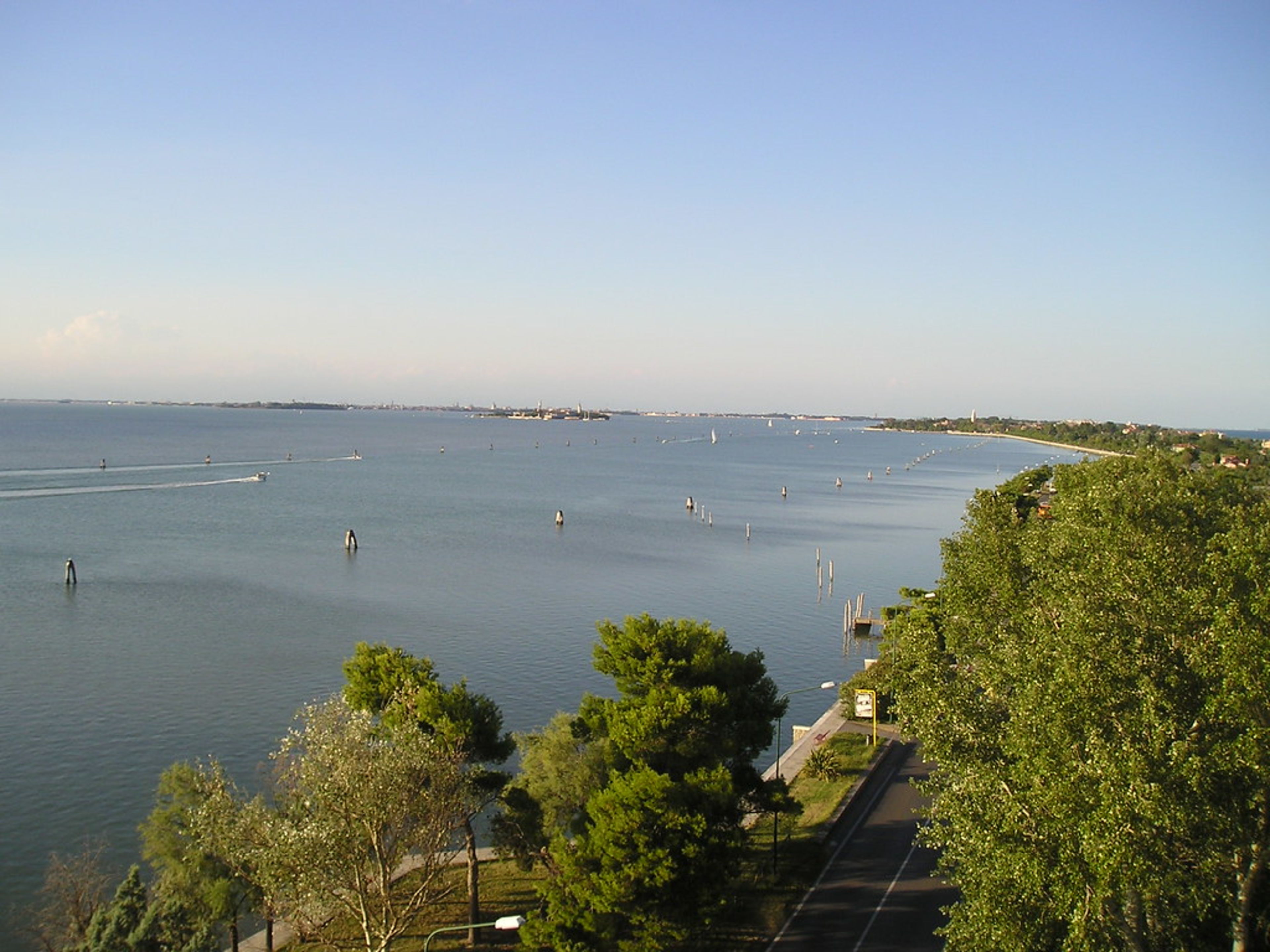
Lido di Venezia
This 11-kilometer barrier island separates Venice's lagoon from the Adriatic Sea, offering sandy beaches and a more relaxed atmosphere than the crowded historic center. Home to around 20,400 residents and the prestigious Venice Film Festival, the Lido blends seaside leisure with cultural prestige. The island features a charming promenade lined with belle époque hotels, casual beachside restaurants, and local shops that capture the essence of a classic Italian beach resort.
Photo by pandemia

Mercato di Rialto (Fish Market)
This centuries-old fish market is the beating heart of Venetian commerce, where fishmongers have been hawking their daily catches from the lagoon with boisterous energy and authentic local charm. The market's covered stalls and open-air vendors create a sensory explosion of fresh seafood, calling out prices and recommendations in rapid Venetian dialect that feels utterly unchanged since medieval times. Beyond the fish, you'll discover seasonal produce, local cheeses, and a palpable connection to Venice's identity as a maritime republic.
Photo by pierre matile

Murano Island
Murano is a charming archipelago of interconnected islands where centuries-old glass-blowing traditions still thrive in working furnaces and family-run ateliers. Stroll across graceful bridges connecting the islands, watch artisans create intricate glass pieces in real-time, and discover vibrant glasswork shops lining the main canal. The island offers an authentic glimpse into Venetian craftsmanship without the overwhelming crowds of central Venice.
Photo by archer10 (Dennis)

Museo Correr
Housed in the elegant Procuratie Nuove building overlooking St. Mark's Square, the Museo Correr showcases Venice's artistic heritage through paintings, sculptures, and decorative arts spanning from Byzantine times to the 18th century. The museum's collection includes works by Venetian masters and fascinating exhibits on the city's maritime history, offering intimate insights into how this unique lagoon republic thrived and governed itself. Walking through its rooms feels like stepping through the centuries of Venetian glory without the overwhelming scale of larger galleries.
Photo by Patrick
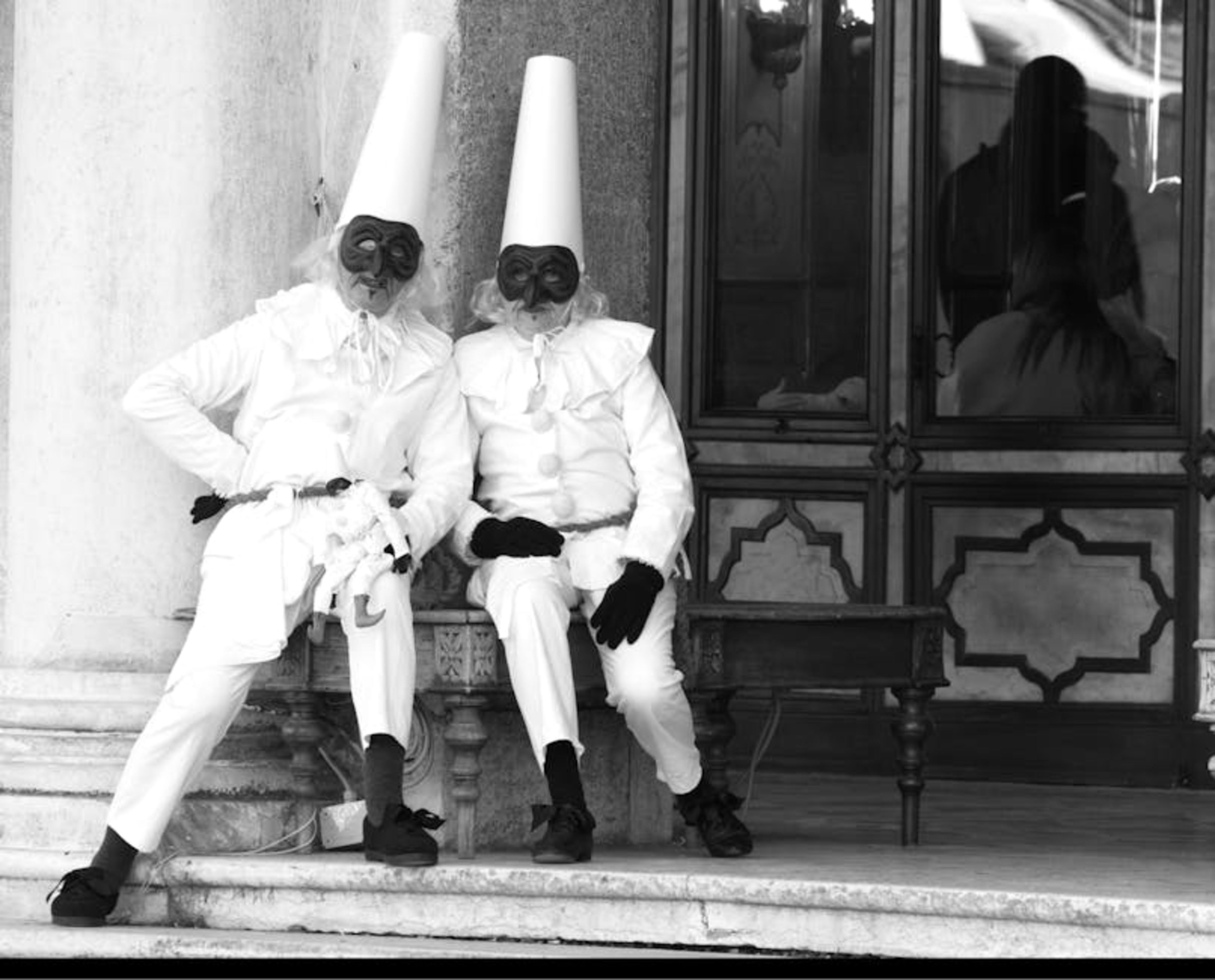
Museo del Merletto (Lace Museum – Burano)
Housed in a 16th-century Venetian palazzo on Burano's picturesque main canal, this intimate museum showcases centuries of exquisite lace-making traditions that transformed this colorful island into a textile powerhouse. The collection spans from medieval needlepoint to contemporary creations, featuring delicate wedding veils, altar cloths, and intricate patterns that reveal the patience and artistry of generations of lace makers. Walking through these rooms feels like stepping into the island's soul, where every thread tells a story of craft, skill, and cultural pride.
Photo by Alessandro Manzoli

Museo del Vetro (Glass Museum – Murano)
Housed in a stunning Venetian palazzo, this museum showcases six centuries of Murano's legendary glassmaking heritage through exquisite vessels, chandeliers, and artistic masterpieces. You'll discover everything from delicate Roman glass fragments to bold contemporary installations, all illuminated in ways that celebrate the material's luminous qualities. The collection reveals how a small island became Europe's most prestigious center for glass artistry, with each piece telling stories of innovation and craftsmanship passed down through generations.
Photo by Didier Descouens — CC BY-SA 4.0

Museo di Storia Naturale di Venezia
Tucked into the magnificent Fondaco dei Turchi palace on the Grand Canal, this natural history museum offers a refreshing escape from Venice's crowded tourist circuit with its compelling collections of fossils, minerals, and Adriatic wildlife. The museum's exhibits span from prehistoric specimens to regional biodiversity, housed within Renaissance-era rooms that add genuine character to your exploration. What makes it special is how intimate and manageable it feels—you'll actually have breathing room to appreciate the displays without the exhausting shoulder-to-shoulder experience of other Venetian museums.
Photo by Jayartphoto
Itineraries Here
Planning a Trip to Venice: FAQs
When is the best time to visit Venice?
⌄
The best time to visit Venice is spring|fall.
How many days do you need in Venice?
⌄
Plan on about 3 days to cover Venice's highlights at a comfortable pace.
How do you get to Venice?
⌄
Venice is served by Marco Polo Airport (approximately 8 km north) and Treviso Airport (about 30 km inland). From mainland Italy, the city is roughly 2 hours by train from Milan, 3 hours from Florence, and 4 hours from Rome. Water buses and boats connect the airport and mainland to the historic island center; there are no road vehicles in Venice itself.
What are the top things to do in Venice?
⌄
Top attractions in Venice include Arsenale, Bridge of Sighs, Burano Island, Ca' Pesaro and Ca' Rezzonico. Itinara lists 47 verified attractions in total.