
Verona is a city where ancient Roman grandeur meets Renaissance elegance, where weathered honey-colored stone whispers stories of gladiators, medieval princes, and star-crossed lovers. Perched along the Adige River in northeastern Italy, this compact jewel has drawn visitors for centuries—drawn by its remarkably preserved amphitheater, its labyrinthine medieval quarters, and its reputation as a living stage for passion and art. Walking its narrow cobbled streets, you'll discover a place where history isn't confined to museums but spills onto every piazza and palace façade.
Key Attractions
View all attractions →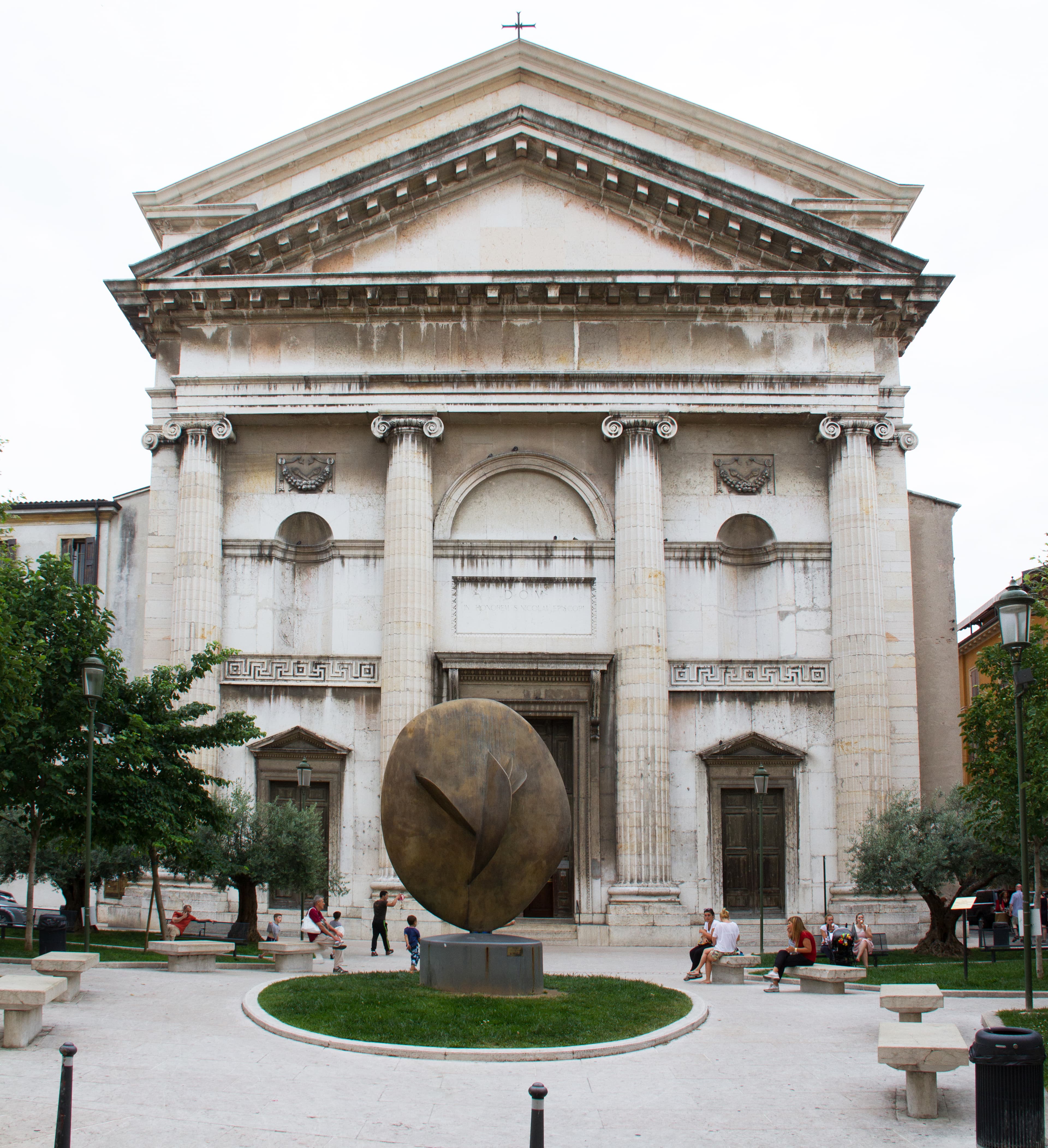
Arena di Verona (Roman Amphitheater)
This remarkably well-preserved Roman amphitheater from the 1st century still captivates visitors with its imposing pink-and-white stone arches and intimate arena floor where gladiators once clashed. Today it serves as one of Europe's most atmospheric opera venues, where you can experience both the grandeur of ancient engineering and the drama of world-class performances. Walking through its echoing corridors and climbing to the upper tiers rewards you with sweeping views of Verona's terracotta rooftops and distant hills.
Tony Hisgett from Birmingham, UK, CC BY 2.0, via Wikimedia Commons
Basilica di San Zeno Maggiore
This masterpiece of Romanesque architecture sits on the banks of the Adige River, crowned by a striking bell tower and graced with bronze doors depicting biblical scenes that date back to the 12th century. Step inside to discover soaring arches, intricate mosaics, and a serene crypt where San Zeno himself is said to rest, creating an atmosphere of genuine spiritual calm. The basilica's harmonious proportions and warm honey-colored stone make it one of northern Italy's most beloved medieval churches.

Castelvecchio Museum
Housed within Verona's imposing red-brick medieval fortress, this museum showcases an exceptional collection of Venetian and Northern Italian art spanning centuries. The masterfully curated galleries flow through the castle's dramatic spaces, where Renaissance masterpieces hang against ancient stone walls, creating an enchanting dialogue between architecture and art. You'll discover works by Bellini, Mantegna, and Tintoretto that reveal the region's rich artistic heritage.
Photo by Ввласенко

Giardino Giusti
This serene Renaissance garden unfolds across two levels, where manicured hedges, ancient cypress trees, and hidden grottos create a sense of timeless elegance that transports you straight into 16th-century aristocratic life. The upper garden offers a peaceful cypress maze and panoramic views over Verona's terracotta rooftops, while secluded fountains and moss-covered stonework whisper tales of centuries past. It's a place where you can lose yourself in nature without losing the magic of history.
Photo by Paolo Villa

Juliet's House (Casa di Giulietta)
Step into Verona's most romantic legend at this 13th-century palazzo that Shakespeare's timeless tragedy transformed into a pilgrimage site for lovers worldwide. The iconic balcony overlooking the courtyard has become an Instagram sensation, where countless visitors leave love notes and rub the bronze statue of Juliet for good fortune. Inside, period furnishings and exhibits trace the building's real history alongside its fictional fame, creating an enchanting blend of medieval authenticity and literary magic.
Photo by José Luiz

Piazza dei Signori
Verona's most intimate piazza is a Renaissance jewel enclosed by elegant medieval and Renaissance buildings, where locals gather under the gaze of Dante's statue. The square pulses with authentic Italian life—morning espresso drinkers, afternoon shoppers, and evening passeggiata strollers create an unhurried rhythm that feels worlds away from tourist crowds. Surrounded by the Palazzo della Ragione, Torre dei Lamberti, and intimate cafes, this is where Veronese history whispers rather than shouts.
Photo by 21177668
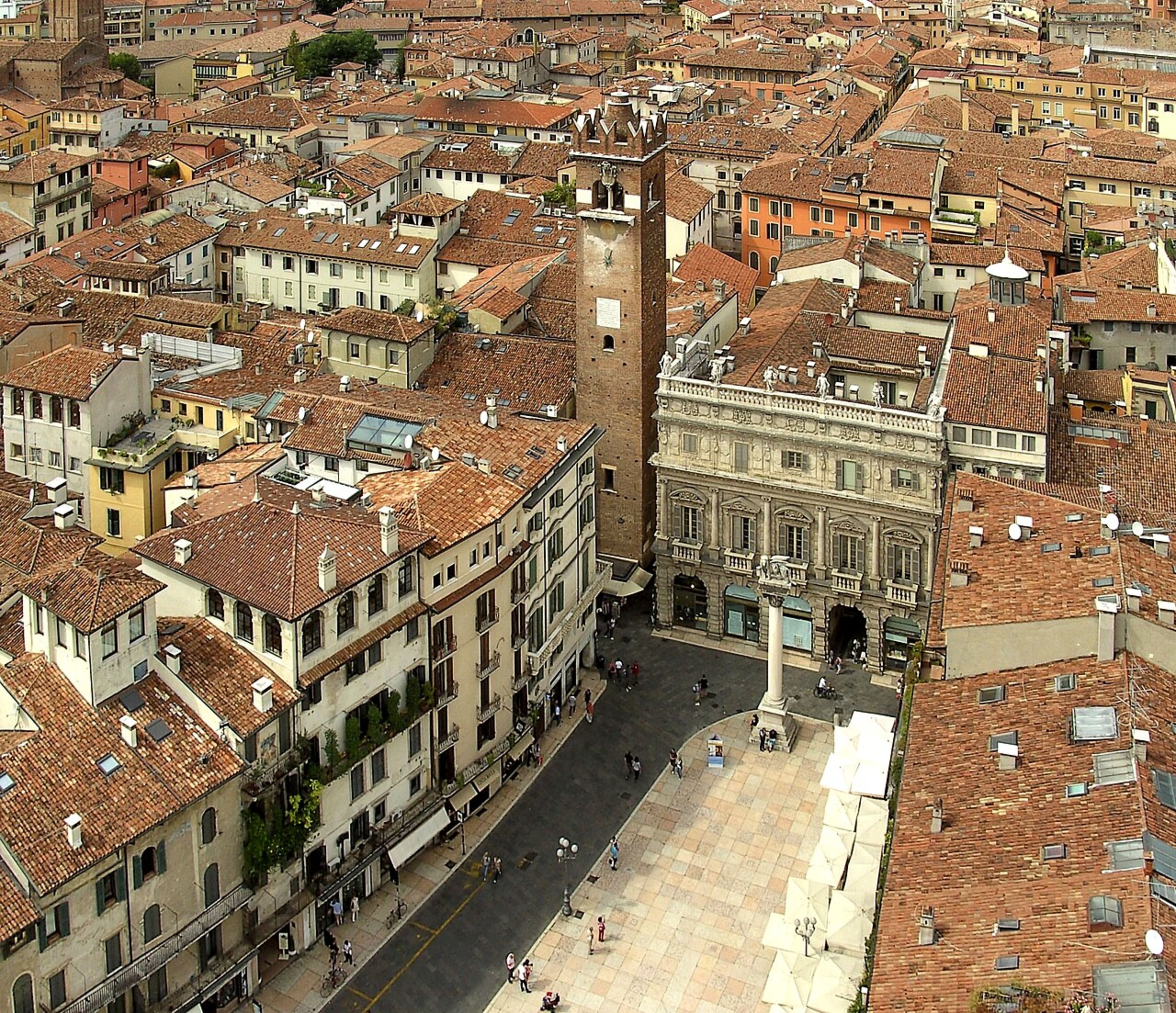
Piazza delle Erbe
Verona's heart beats in this vibrant medieval square, where Renaissance palaces frame the daily market and street musicians fill the air with melody. Once the Roman Forum, this lively gathering place blends centuries of history with modern Italian energy—locals lingering over espresso while vendors hawk fresh produce under ancient frescoed buildings. The surrounding arcades offer shelter for wandering, while the panoramic tower views reward those who climb higher.
Photo by High Contrast

Ponte Pietra (Ancient Bridge)
This iconic Roman bridge spanning the Adige River is one of Italy's most picturesque monuments, with its distinctive arches perfectly reflected in the gentle waters below. Built in 100 AD and partially destroyed during World War II, it was meticulously reconstructed to preserve its ancient character while serving as a living connection between Verona's charming neighborhoods. Walking across its warm stone surface feels like stepping directly into the city's two-thousand-year history.
Photo by CEphoto, Uwe Aranas
Scaliger Tombs
Perched beside the Church of Santa Maria Antica, these ornate Gothic monuments showcase the artistic ambitions and power of Verona's ruling Scaliger family across three generations. Each tomb features elaborate stone canopies, decorative finials, and intricate carved details that reveal the wealth and influence these lords commanded during medieval Italy's most turbulent centuries. The tombs stand as an open-air gallery of medieval craftsmanship, freely accessible and deeply atmospheric, particularly when the afternoon light casts dramatic shadows across their weathered facades.

Torre dei Lamberti
This magnificent medieval tower rises dramatically over Verona's historic center, offering breathtaking panoramic views from its bell chamber that stretch across the red-tiled rooftops and distant Alpine peaks. Climb its ancient stone staircase to experience the city as medieval citizens did, with the gentle clanging of the historic bells adding an atmospheric soundtrack to your ascent. The tower's striking blend of Romanesque and Gothic architecture reflects centuries of Veronese history and craftsmanship.
Photo by Didier Descouens
Itineraries Here
Planning a Trip to Verona: FAQs
When is the best time to visit Verona?
⌄
The best time to visit Verona is spring.
How many days do you need in Verona?
⌄
Plan on about 3 days to cover Verona's highlights at a comfortable pace.
How do you get to Verona?
⌄
Verona Villafranco Airport (about 12 km southwest) connects to major European cities, while the city is also well-served by rail from Milan (roughly 2 hours), Venice (1.5 hours), and Bologna (2 hours). If driving, Verona sits on the A4 autostrada linking Milan to Venice.
What are the top things to do in Verona?
⌄
Top attractions in Verona include Arena di Verona (Roman Amphitheater), Basilica di San Zeno Maggiore, Castelvecchio Museum, Giardino Giusti and Juliet's House (Casa di Giulietta). Itinara lists 10 verified attractions in total.