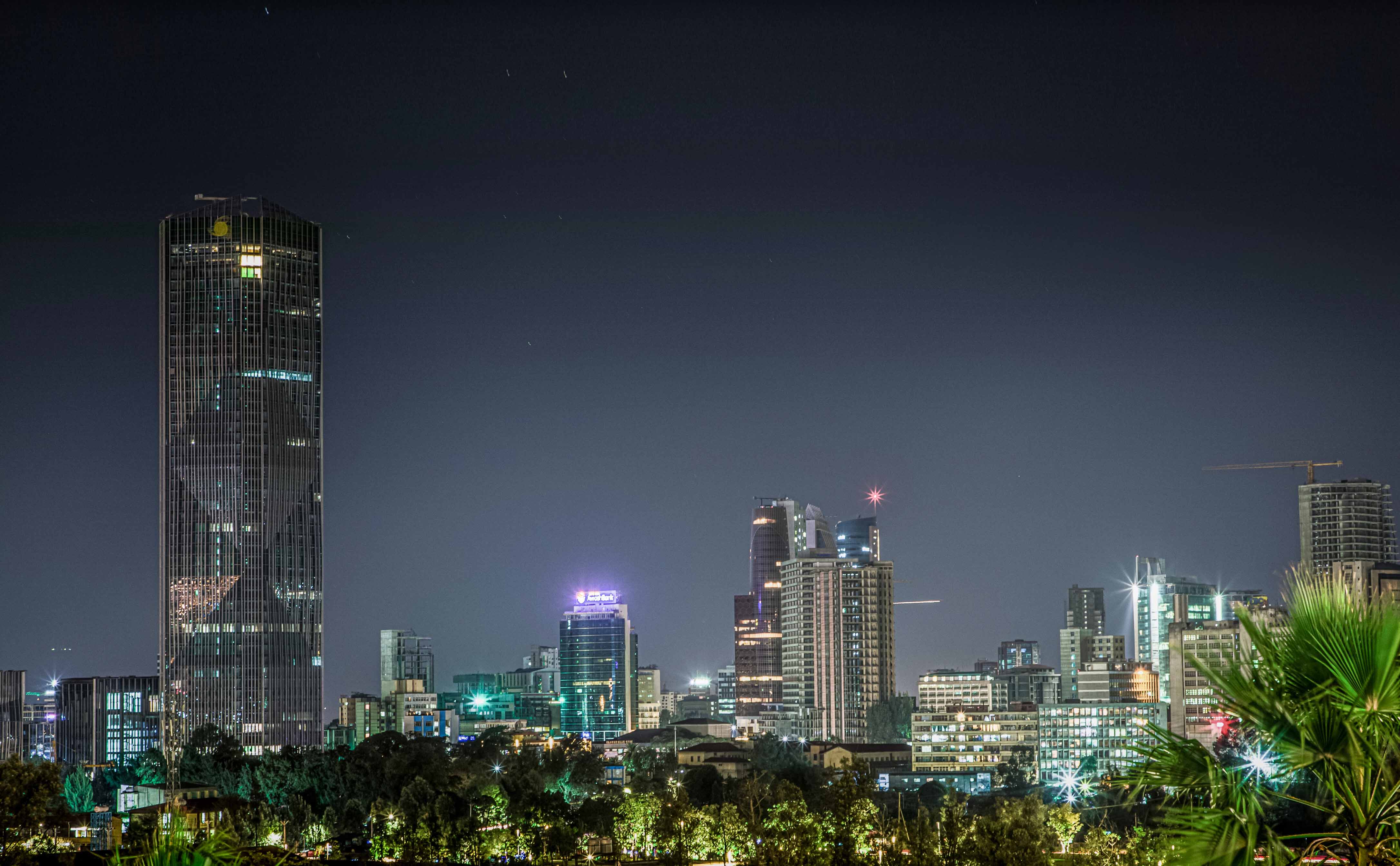
Addis Ababa sprawls across a high-altitude plateau at nearly 2,400 meters, making it Africa's highest capital and a city where crisp mountain air mingles with the energy of a continental hub. Founded by Emperor Menelik II in 1886 as a resort town centered around natural hot springs, it has evolved into a vibrant cultural epicenter where Orthodox churches stand alongside colonial architecture and contemporary development. The city pulses with history—from the relics of the Red Terror to the discovery of Lucy in the National Museum—while serving as home to the African Union, anchoring Ethiopia's role in continental affairs.
Key Attractions
View all attractions →Addis Ababa Museum
Housed in a striking red-roofed mansion in the heart of Addis Ababa, this museum traces the capital's transformation from a modest settlement to Africa's diplomatic hub through carefully curated artifacts and historical photographs. The collection spans from Emperor Menelik II's era through the modern period, offering intimate glimpses into Ethiopian imperial life, traditional craftsmanship, and the city's pivotal role in continental politics. Personal belongings, period furniture, and archival documents create a compelling narrative that feels as much about the city's soul as its history.
Africa Hall (UNECA)
This iconic modernist building serves as the headquarters of the United Nations Economic Commission for Africa, designed by renowned Ethiopian architect Alemayehu Assefa and completed in 1963. The striking circular design reflects African unity and cooperation, making it one of Addis Ababa's most recognizable architectural landmarks. Visitors can tour the building's interior to appreciate its historical significance and learn about continental economic development initiatives.
Awash National Park (day trip)
Located about 225 kilometers east of Addis Ababa, Awash National Park spans diverse landscapes from savanna grasslands to volcanic highlands along the Awash River. The park is home to diverse wildlife including hamadryas baboons, antelopes, warthogs, and numerous bird species, making it a rewarding escape from the capital. Natural hot springs and waterfalls punctuate the park's scenic terrain, offering refreshing swimming opportunities and dramatic photography spots.
Entoto Hill & St. Mary's Church
Perched at 3,200 meters above sea level, Entoto Hill offers panoramic views of Addis Ababa's sprawling cityscape and the surrounding highlands, making it a beloved escape for locals seeking fresh air and perspective. The modest but spiritually significant St. Mary's Church sits at the summit, where Emperor Menelik II sought refuge during the Italian invasion and later established his capital, creating a pilgrimage destination layered with Ethiopian history and faith.
Ethnological Museum (Haile Selassie's Palace)
Set within the former imperial residence of Emperor Haile Selassie, this museum beautifully preserves Ethiopia's diverse cultural heritage through traditional crafts, religious artifacts, and royal furnishings spread across three floors. The palace itself, with its distinctive architecture and meticulously maintained gardens, offers a tangible connection to Ethiopia's recent imperial history and the daily life of one of Africa's most influential leaders. Walking through these chambers feels like stepping into a pivotal chapter of African history, where Ethiopian tradition meets twentieth-century monarchy.
Holy Trinity Cathedral
Ethiopia's most important religious landmark, this stunning cathedral dominates Addis Ababa's skyline with its distinctive neoclassical dome and serves as the spiritual heart of the Ethiopian Orthodox Church. Inside, you'll find intricate religious artwork, ornate furnishings, and a solemn atmosphere where pilgrims gather for prayer and contemplation. The cathedral's architecture beautifully blends European influences with Ethiopian Orthodox traditions, making it an architectural marvel worth experiencing.
Lion of Judah Monument
This iconic bronze statue stands as Ethiopia's most recognizable symbol, commemorating the nation's independence and the legendary lineage of Ethiopian rulers. Perched majestically in the heart of Addis Ababa, the Lion gazes across the city with a dignity that reflects centuries of Ethiopian pride and resistance to colonialism. The surrounding plaza offers a peaceful retreat where locals and visitors gather to witness one of Africa's most powerful monuments to sovereignty.
Mercato (Largest Open Market in Africa)
Mercato sprawls across Addis Ababa's western quarter as a labyrinthine bazaar where the rhythms of Ethiopian commerce have pulsed for over a century, with vendors hawking everything from spices and textiles to electronics and livestock. The sensory overload—the aromas of berbere and coffee, the melodic calls of traders, the kaleidoscope of colors—captures the raw energy of East African street culture in its most authentic form. Navigating its narrow alleys feels like stepping into the city's beating heart, where price haggling and neighborly banter are as much a part of the experience as the goods themselves.
National Museum of Ethiopia (Lucy's Skeleton)
Home to the 3.2-million-year-old skeletal remains of Lucy (Dinknesh), one of the world's most significant paleontological discoveries, this museum offers a profound journey through human origins and Ethiopian cultural heritage. Beyond the famous fossil, you'll encounter impressive collections of ancient manuscripts, royal regalia, and artifacts spanning Ethiopia's diverse ethnic groups and kingdoms. The museum captures both the scientific wonder of human evolution and the rich tapestry of Ethiopian civilization in a setting that feels intimate despite its world-class significance.
Red Terror Martyrs' Memorial Museum
This solemn museum preserves the haunting history of Ethiopia's Red Terror period (1977-1978), housing personal belongings, photographs, and testimonies of victims in what was once an imperial palace basement. The exhibits create an intimate and deeply moving experience, with curated displays that honor the lives lost during this tumultuous chapter. Walking through the memorial spaces invites reflection on resilience and the importance of remembering historical atrocities.
Itineraries Here
Planning a Trip to Addis Ababa: FAQs
When is the best time to visit Addis Ababa?
⌄
The best time to visit Addis Ababa is year-round.
How many days do you need in Addis Ababa?
⌄
Plan on about 3 days to cover Addis Ababa's highlights at a comfortable pace.
How do you get to Addis Ababa?
⌄
Bole International Airport (ADD), located about 5 km southeast of the city center, serves as the primary gateway with connections from major African hubs and international carriers. Ground transport includes taxis, ride-sharing apps, and hotel transfers; the drive to central areas typically takes 15–30 minutes depending on traffic. There are no major highway routes from neighboring countries that bypass the airport for typical visitor arrival.
What are the top things to do in Addis Ababa?
⌄
Top attractions in Addis Ababa include Addis Ababa Museum, Africa Hall (UNECA), Awash National Park (day trip), Entoto Hill & St. Mary's Church and Ethnological Museum (Haile Selassie's Palace). Itinara lists 10 verified attractions in total.