Athens, Greece
5-Day Itinerary for Active Retirees
“Marble, Light, and Long Lunches: 5 Days in Athens”
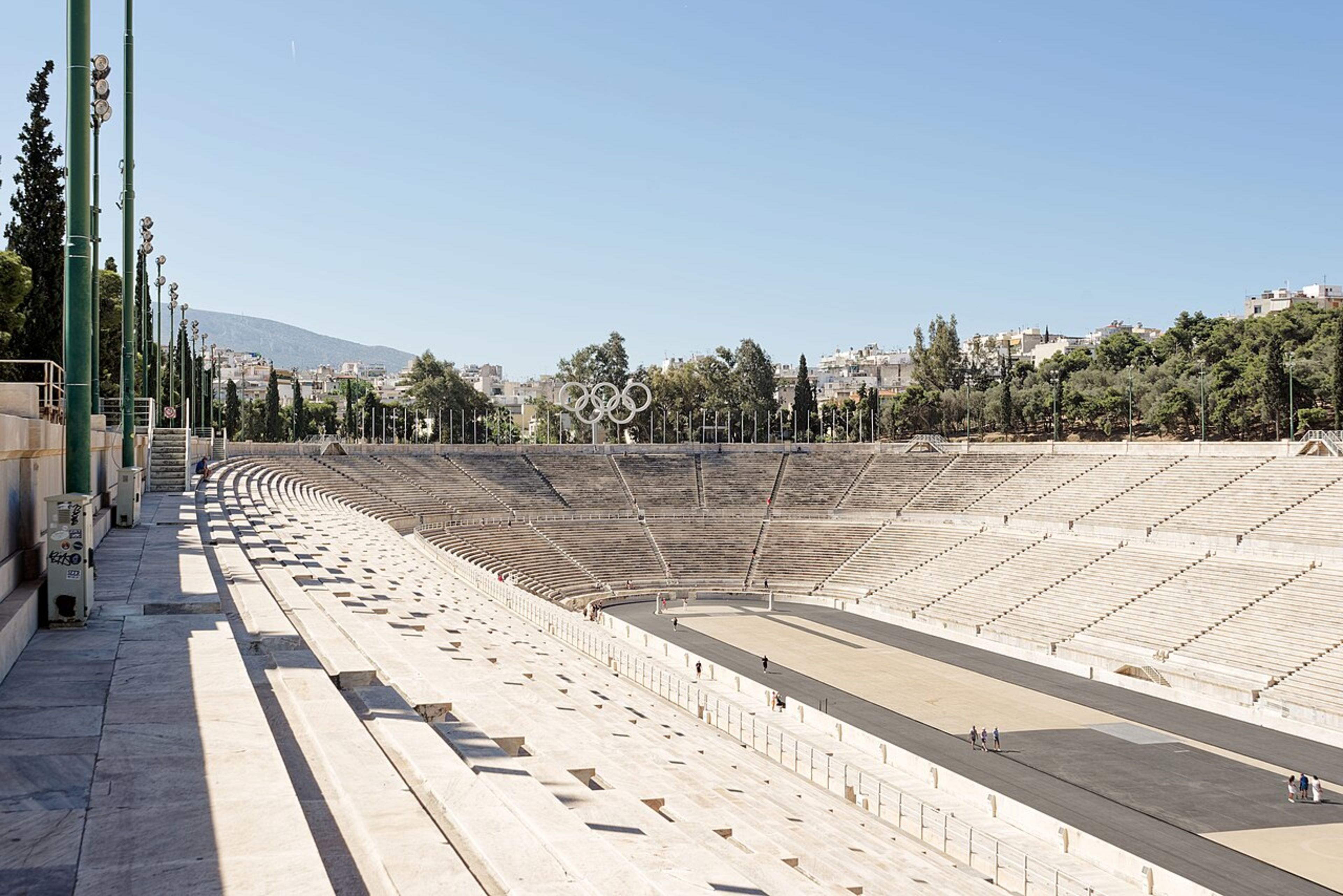
Athens in spring arrives soft-edged — wildflowers pushing through marble cracks, morning light the color of honey on Pentelic stone, and just enough coolness in the air to make a long walk feel like a gift rather than a chore. This is a city best absorbed slowly, one sun-warmed café table and one quiet ruin at a time.
At a Glance
Highlights
- Sunrise views of the Parthenon before the crowds arrive
- Unhurried mornings in the Acropolis Museum's glass-walled galleries
- Cycladic figurines and Byzantine icons in hushed, air-conditioned calm
- A funicular ride to Lykabittos Hill for the whole city underfoot
- Neoclassical Plaka lanes scented with jasmine and grilled fish
- A seaside afternoon at Cape Sounio's Temple of Poseidon
- Long, unrushed tavern lunches built for lingering conversation
Day-by-Day Plan
Day 1: Settling In Beneath the Sacred Rock
A gentle first day of short walks and long views around Plaka and the ancient core, designed to ease into Athens without overexertion — roughly 1.5 miles of flat-to-gently-sloped walking.
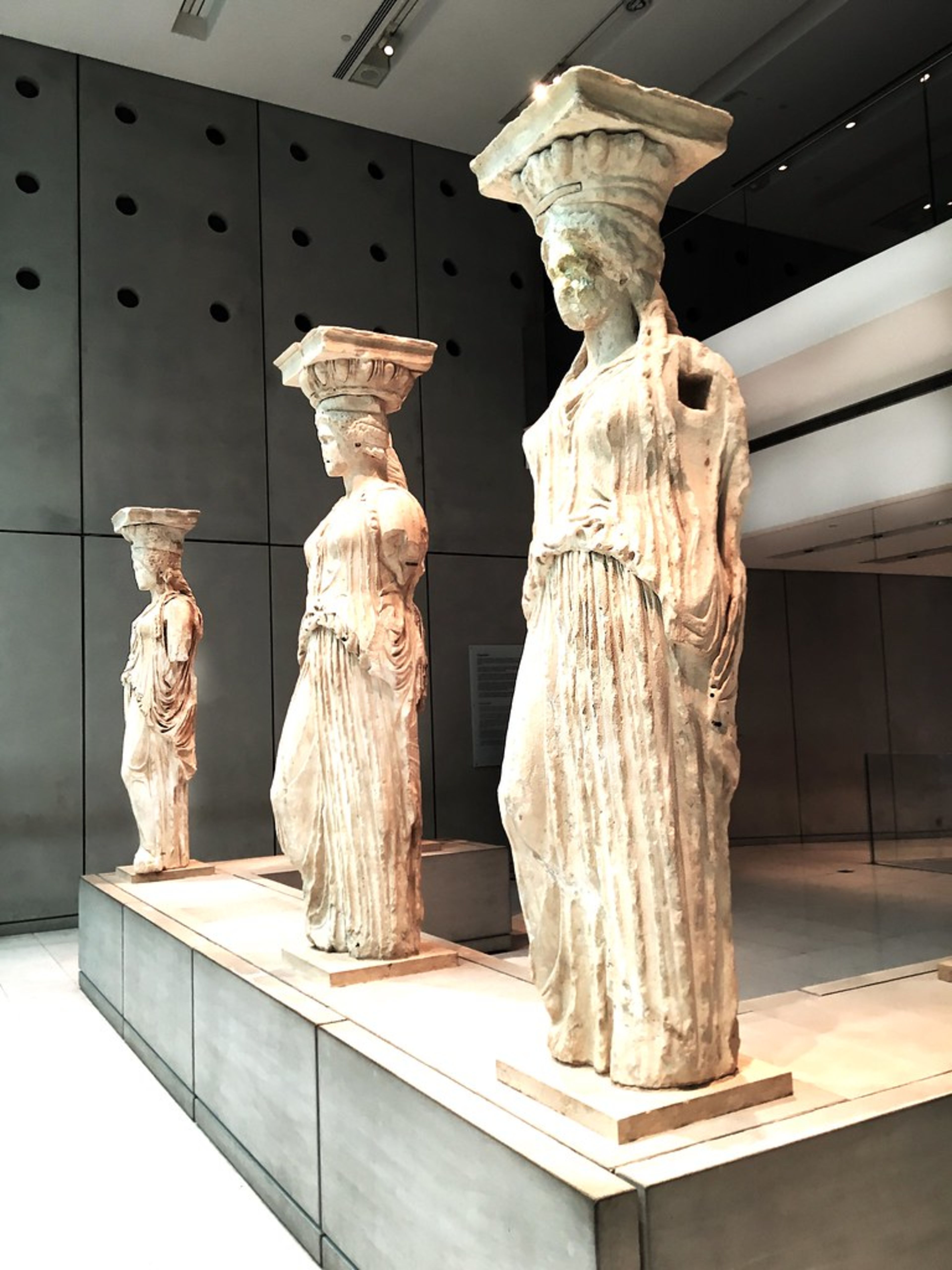
Start soft: this modern glass-and-marble museum lets you absorb ancient Athens without the sun or the stairs of the hilltop itself. Glass floors reveal excavated ruins beneath your feet, and the top-floor Parthenon Gallery frames the actual monument through floor-to-ceiling windows — a preview that makes tomorrow's climb feel personal rather than abstract. Arrive right at opening for near-empty galleries and unhurried bench time.
Wander the sloping cobblestone lanes at an unhurried pace, pausing wherever a balcony overflowing with spring geraniums or a cat sunning on a doorstep catches your eye. The neighborhood is quietest again after the midday tourist surge fades in late afternoon, but a slow late-morning stroll before full crowds arrive still feels intimate. Bring your camera — every turn offers another postcard corner.

The day opens gently at the Acropolis Museum, where glass floors and quiet galleries ease you into ancient Athens without a single flight of uneven stone stairs. Arriving near opening means the Parthenon Gallery is nearly yours alone, morning light catching the marble figures at a soft angle.
After a relaxed lunch, the pace shifts to a slow wander through Plaka's cobbled lanes, where jasmine-scented air and balconies dripping with spring blooms invite you to stop often, sit on a shaded bench, and simply watch the street go by.
Dinner comes early by Athenian standards — around 8pm — at a calm taverna tucked into Plaka's quieter edges, where the day's marble and cobblestones give way to warm bread, olive oil, and the first glass of local wine.
Day 2: Climbing to the Parthenon's Shadow
The Acropolis itself takes center stage this morning, followed by a slower afternoon among nearby ruins — about 2 miles total, with one significant uphill stretch.
Arrive right at 8am opening, when the marble is still cool underfoot and the crowds haven't yet arrived — by 10am this hilltop becomes shoulder-to-shoulder, but the first hour belongs almost entirely to early risers. The path up is uneven in places, so take it slowly; benches near the entrance offer rest before the final approach. Standing before the Parthenon's subtly curved columns, feel two and a half millennia of history compressed into a single sweeping view of the city below.
Once atop the summit, take time near the Parthenon itself to notice the subtle optical illusions ancient architects built into its columns — lines that appear perfectly straight but are in fact gently curved. Wind at this elevation carries the hum of the city below, and even amid growing midday crowds, a slow circuit around the temple rewards patience.

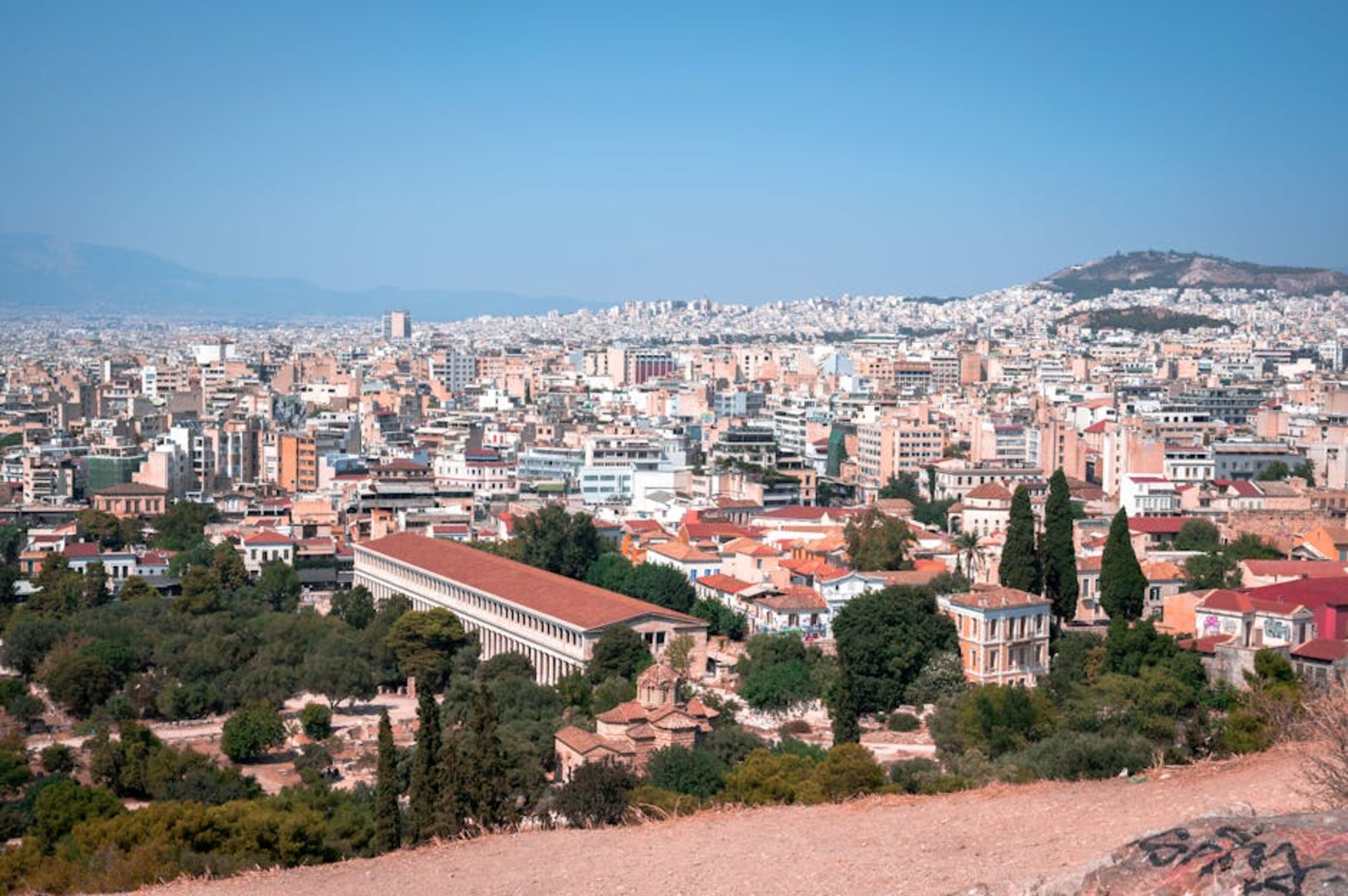
A short, level walk down brings you to this graceful Roman gateway, its marble columns glowing in late-morning sun. Far quieter than the hilltop above, it's an easy spot to pause on a bench, catch your breath, and appreciate the arch's understated elegance before lunch.

The Acropolis rewards those who arrive early: by 8am the marble is cool, the light golden, and the crowds still thin enough to feel like you have the Parthenon nearly to yourselves. The climb is gradual but uneven in spots, so a slow pace with frequent pauses suits the morning perfectly.
Descending toward Hadrian's Arch, the pace eases considerably — flat paths, dappled shade, and a graceful Roman monument that asks nothing more than quiet appreciation before a leisurely lunch nearby.
Dinner tonight leans a touch more refined, with a reserved table offering views back toward the hill you climbed that morning, the Parthenon now floodlit against the evening sky.
Day 3: Markets, Marble, and the Quiet Temple
A gentle morning through the Ancient Agora and Temple of Hephaestus followed by an easy wander through Monastiraki's market lanes — roughly 1.8 miles of flat walking.
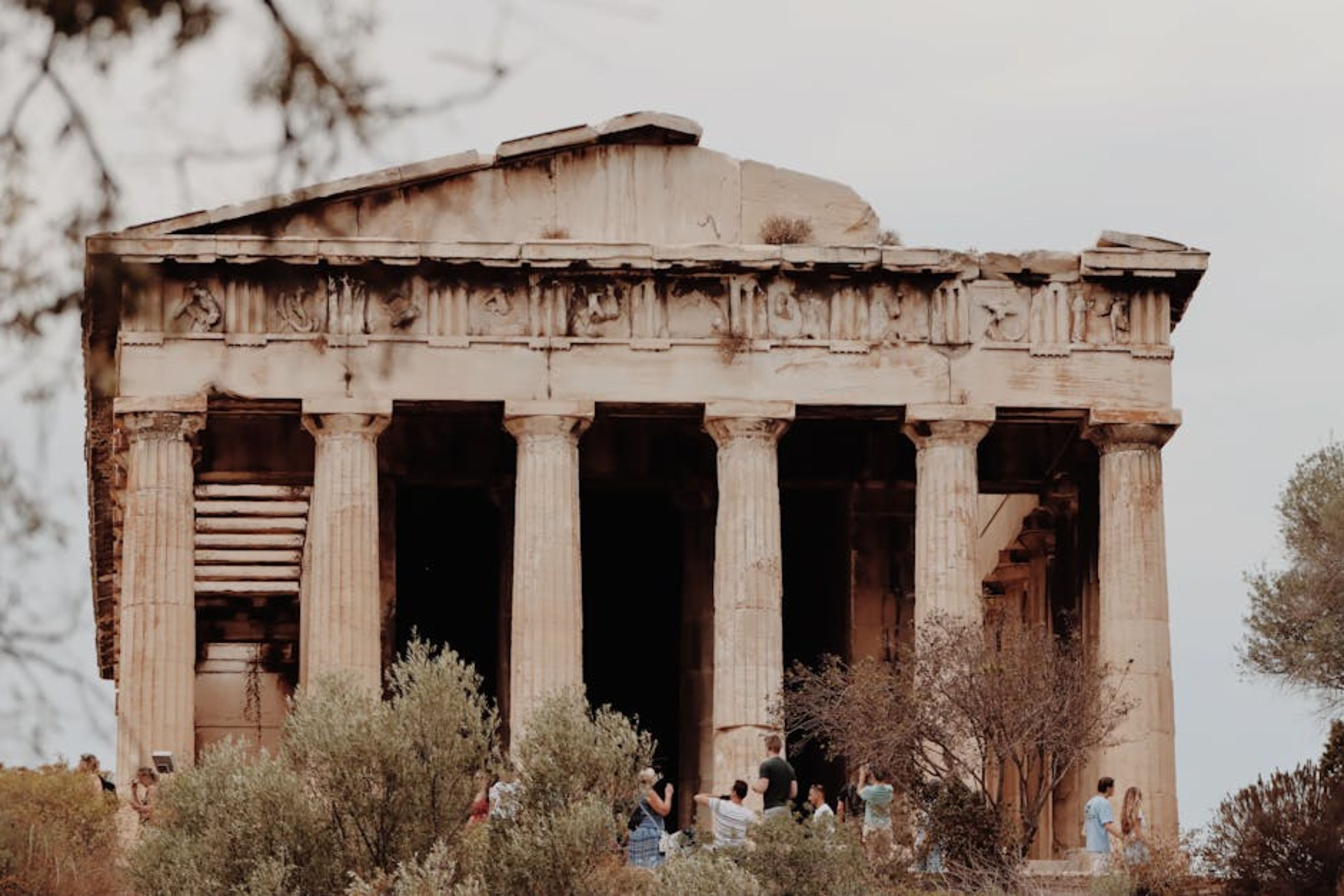
This is the ancient world's best-kept secret — arrive early and you may have the entire temple to yourself, its columns glowing softly against a still-waking sky. Unlike the crowded Acropolis, this site rewards quiet contemplation; take a bench nearby and simply watch the light shift across the stone.
Wander the paths where Socrates once debated philosophy with his students — the reconstructed Stoa offers welcome shade and a museum-quality collection of everyday ancient artifacts. Paths here are mostly flat gravel, making it one of the more comfortable ruin sites to explore slowly.

Arrive before the midday crush for the best experience — by noon, the narrow lanes fill with vendors' rapid-fire haggling and the scent of aged leather and old books. A slow wander here suits browsing over buying; even without a purchase, the sensory chaos of stalls piled with vintage trinkets is worth the visit.

The Temple of Hephaestus greets the morning in near-total solitude, its columns catching soft early light while the rest of the city is still stirring — a rare moment of calm before the Ancient Agora's gentle ramble through philosophical history.
By midday, the mood shifts entirely into the sensory swirl of Monastiraki's flea market, where vintage treasures and animated haggling reward slow browsing rather than a hurried pass-through.
Dinner settles into a more polished register at a modern Greek table near the Agora, the day's marble dust and market chaos giving way to a calm evening of shared plates and quiet conversation.
Day 4: Museums, Gardens, and the City From Above
A cultured day moving between Kolonaki's museums and a scenic ride up Lykabittos Hill, with the National Garden offering restful green space between — about 1.7 miles, mostly flat with one funicular ascent.
Soft lighting and incense-scented galleries create an almost reverent hush around glowing gold Byzantine icons — this is one of the calmest, most beloved museums for slow contemplation, especially on a Tuesday or Wednesday morning when crowds are thinnest. Comfortable seating throughout the galleries makes for an easy, unhurried visit.

After the museum's hush, the garden offers a green, birdsong-filled retreat — dappled paths wind past a small lily pond and Mediterranean plantings just beginning their spring bloom. Benches are frequent here, making it an ideal spot to sit, breathe, and let the morning's culture settle before lunch.

Rather than the steep footpath, take the funicular to the summit for sweeping 360-degree views of the entire city, the Acropolis glowing amber in the distance as afternoon light softens. The temperature here drops noticeably from street level, so a light jacket is welcome; arrive by 4:30pm to settle in before the sunset crowds gather closer to 6pm.

The morning unfolds slowly inside the Byzantine and Christian Museum, where gold-flecked icons glow under soft lighting and the hush of the galleries invites lingering rather than rushing — a perfect antidote to yesterday's market chaos.
After a calm interlude in the National Garden's leafy paths, the day shifts upward — literally — as the funicular carries you above the city to Lykabittos Hill, where Athens spreads out below in every direction, amber-lit as the afternoon fades.
Dinner settles into an easy, unhurried rhythm at a nearby café or grill, the city lights beginning to flicker on below as the day's cultural richness gives way to quiet conversation.
Day 5: To the Edge of the Sea
A half-day excursion to Cape Sounio's seaside temple, paced for comfort with ample seated rest, followed by a relaxed final evening back in the city — roughly 1 mile of walking total.
Arrive before the midday crowds thicken to experience the Doric columns framing an endless blue horizon in relative quiet — salt spray drifts up from waves crashing far below, and the wind carries the scent of open sea. Benches near the entrance offer rest before the short walk to the temple itself; take it slowly, as the path has some uneven sections. This is one of the most evocative sites near Athens, and a midday visit avoids both the crowds and the chill of early morning or late evening.

The morning begins with an easy coastal drive south from Athens, the city giving way gradually to sea views and pine-scented hills as the Athens Riviera unfolds along the route.
At Cape Sounio, the Temple of Poseidon rewards a midday visit with clear skies over the Aegean and manageable crowds, the Doric columns standing sentinel over centuries of sailors' prayers for safe passage.
Back in the city by early evening, a final relaxed dinner at a familiar taverna closes the trip gently — a fitting, unhurried farewell to marble, myth, and Mediterranean light.
Want to tweak this trip?
Our AI planner can customize this itinerary to your exact dates, interests, and travel style.
Customize This ItineraryRestaurant details (hours, menus, availability) change frequently. Check current hours before visiting, especially in seasonal destinations.
Dietary compatibility tags are general guidance. If you have severe allergies, confirm directly with the restaurant.
Travel tips are general guidance, not professional safety advice. Check government advisories for latest information.
All prices are approximate and may vary seasonally.
Attractions in This Itinerary
Acropolis MuseumMuseumPlaka NeighborhoodNeighborhoodAcropolis of AthensRuinsParthenonRuinsHadrian's ArchMonumentTemple of HephaestusTempleAncient AgoraRuinsMonastiraki Flea MarketMarketByzantine and Christian MuseumMuseumNational GardenGardenLykabittos HillViewpointCape Sounio (Temple of Poseidon – day trip)Temple