
Bruges is a dreamlike medieval city frozen in time, where cobblestone streets wind past gabled townhouses and picturesque canals reflect centuries-old architecture. This UNESCO-protected historic center invites wandering—whether you're standing before Michelangelo's hauntingly serene Madonna in a soaring church, or simply drifting along the Dijver with a cone of Belgian chocolate in hand. The city's intimate scale and car-free core make it feel like stepping into a Flemish painting come to life.
Key Attractions
View all attractions →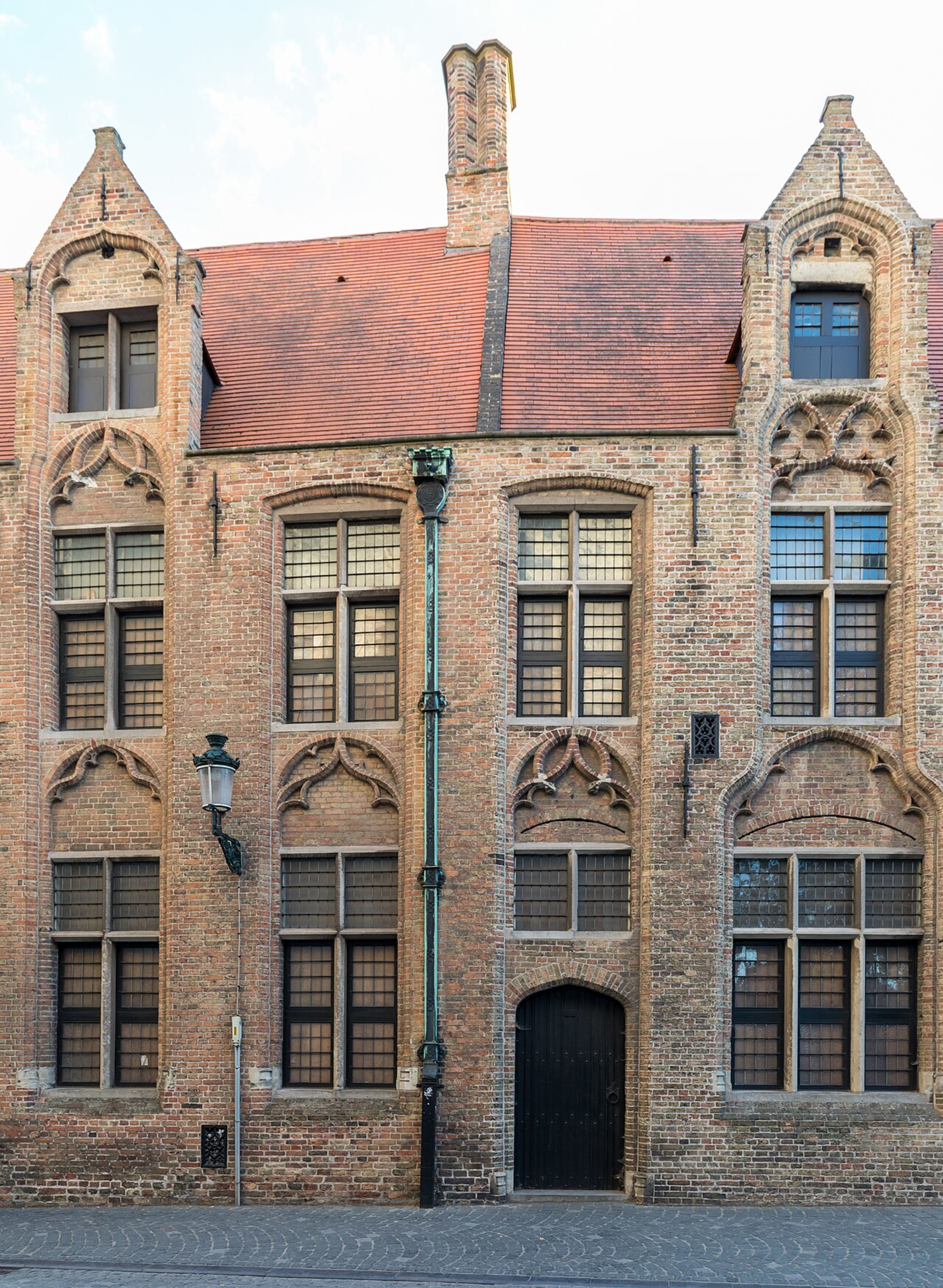
Archeologisch Museum
Housed in a beautifully restored medieval building, this intimate museum reveals Bruges' layered Roman and medieval past through pottery shards, coins, and tools that once belonged to the city's earliest inhabitants. The collection traces daily life from Roman occupation through the prosperous medieval period, offering a quieter alternative to Bruges' busier attractions. Walking through these galleries feels like uncovering the city's secrets room by room.
Photo by Dietmar Rabich

Basilica of the Holy Blood
Photo by CEphoto, Uwe Aranas
Begijnhof
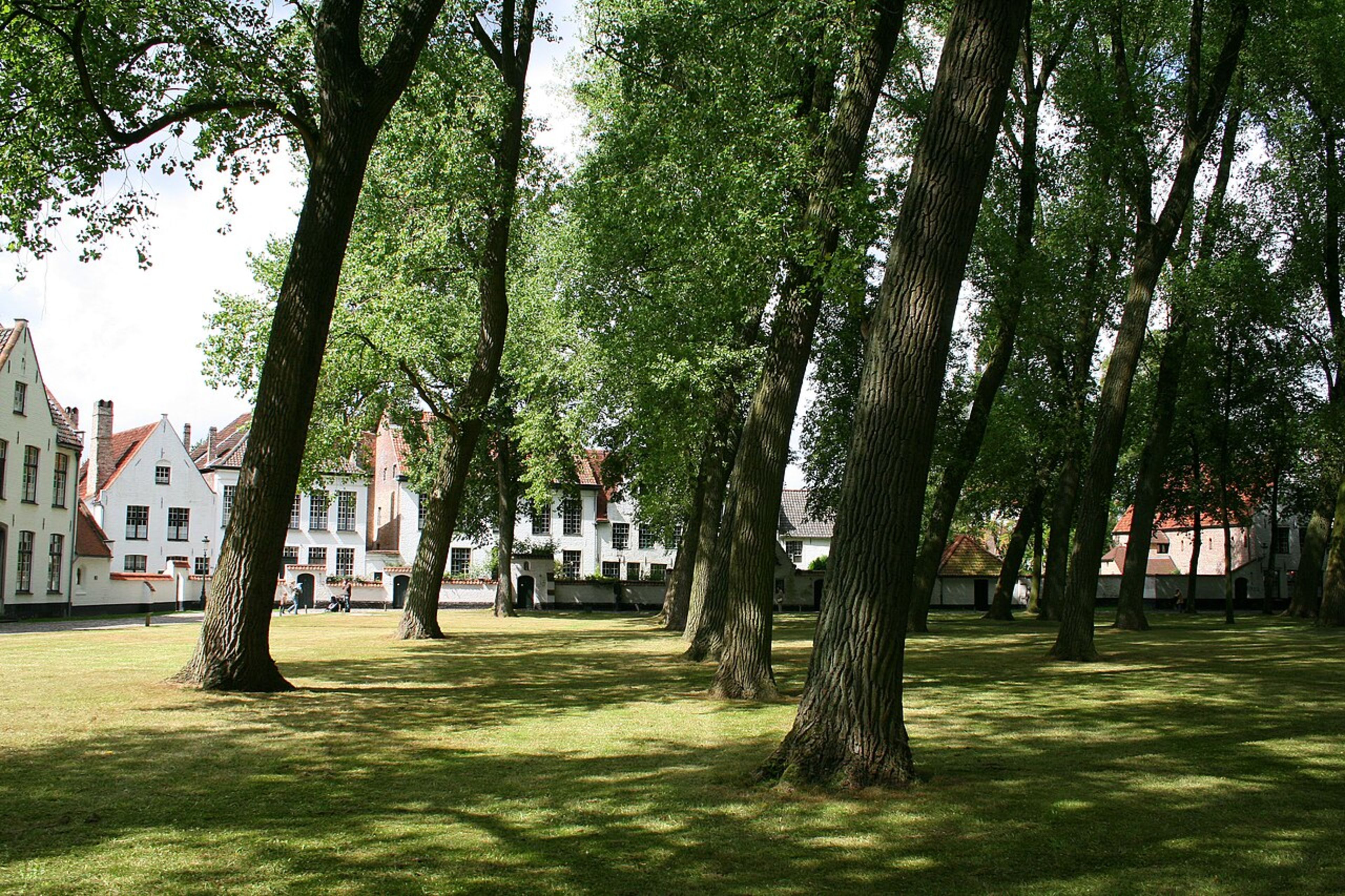
This serene medieval complex tucked away in central Bruges offers a peaceful retreat where whitewashed houses surround a quiet garden, transporting you back to the spiritual lives of the beguines who inhabited these streets for centuries. The architectural harmony of the enclosed neighborhood, with its uniform facades and intimate courtyards, creates an almost monastic atmosphere that feels wonderfully removed from the bustling city just beyond its gates. Today, a small community of nuns maintains the spiritual tradition, while visitors can wander freely through this living piece of medieval social history.
Photo by Jean-Pol GRANDMONT

Belfry of Bruges
This soaring medieval bell tower dominates Bruges' Main Square with its distinctive octagonal top and striking architecture that has watched over the city for nearly 800 years. The climb rewards visitors with breathtaking panoramic views across Bruges' red-tiled rooftops and the surrounding Flemish countryside. Once housing the city's treasures and archives, the belfry remains an iconic symbol of medieval civic independence and craftsmanship.
Photo by CEphoto, Uwe Aranas
Burg Square
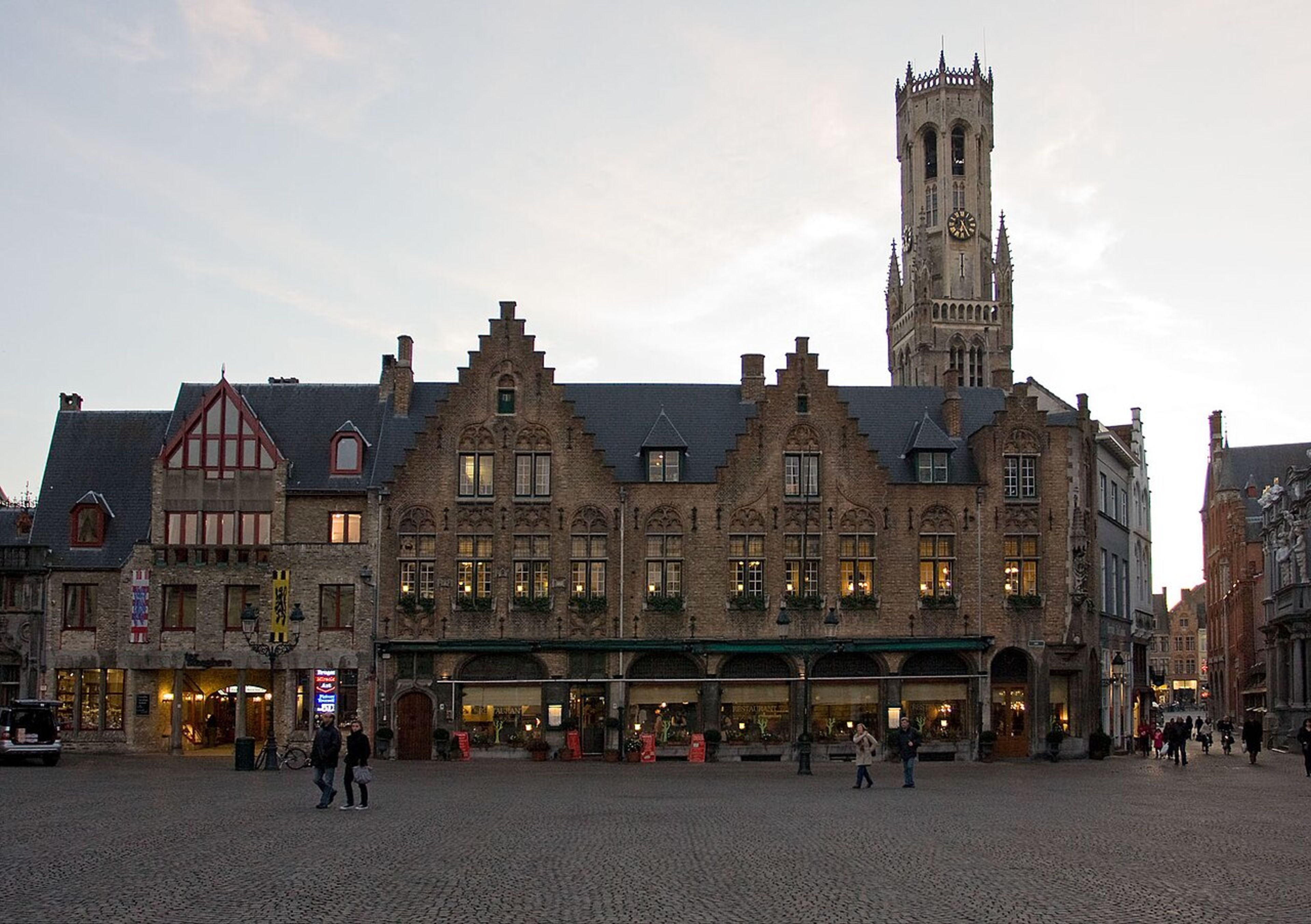
This intimate medieval square is surrounded by ornate Flemish architecture that tells stories of Bruges' golden age as a trading powerhouse, with the stunning Basilica of the Holy Blood anchoring one corner. The mix of Gothic and Renaissance buildings creates an almost stage-like atmosphere, where you can almost hear the echoes of centuries of merchants, pilgrims, and townspeople crossing the same cobblestones. Despite being one of the most visited spots in Bruges, Burg manages to feel like a hidden pocket of history tucked away from the modern world.
Photo by Sergey Ashmarin
Choco-Story (Chocolate Museum)
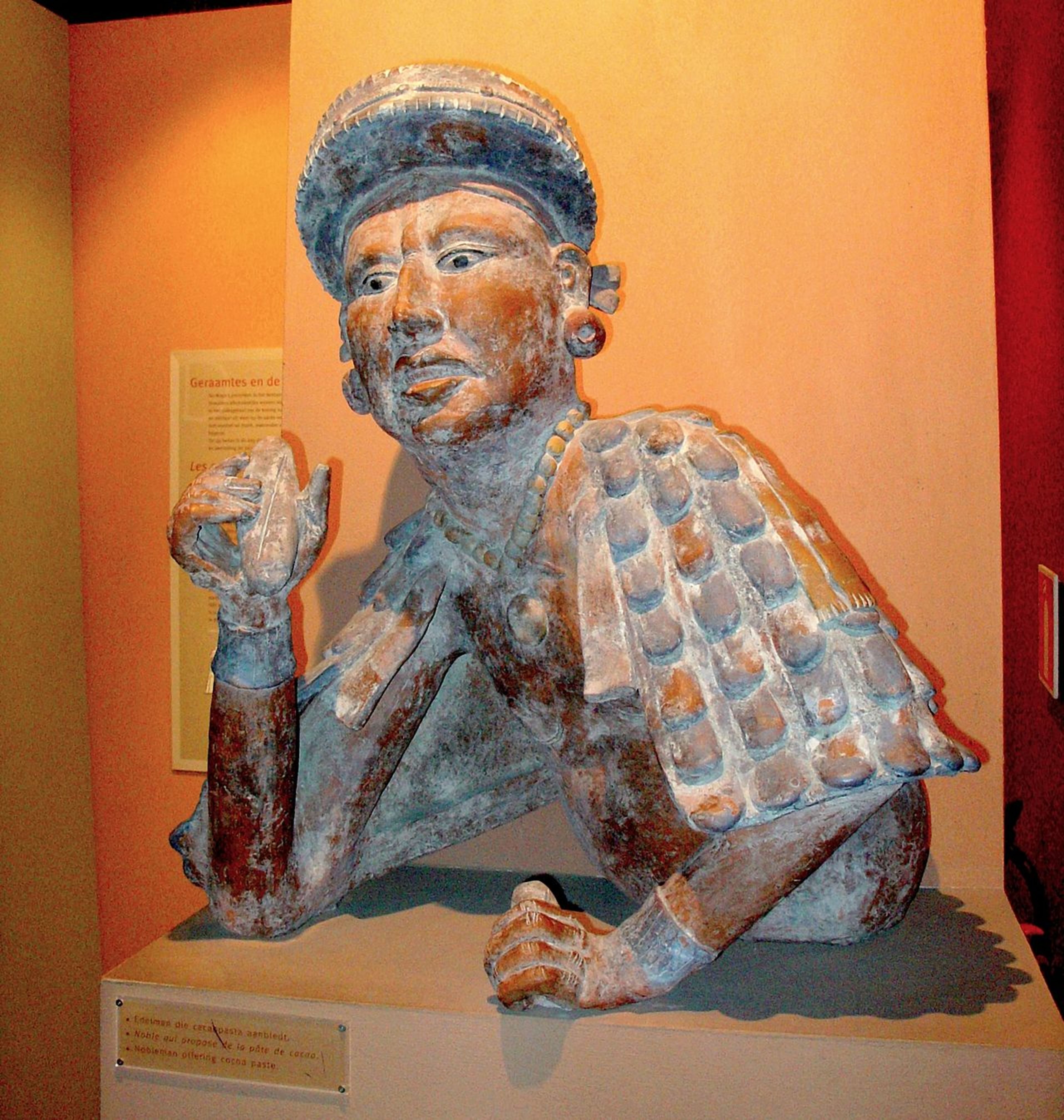
Housed in a 15th-century building in Bruges' charming medieval center, this intimate museum walks you through chocolate's journey from ancient Aztec beverages to modern Belgian pralines with hands-on demonstrations and tastings. The museum's highlight is watching skilled artisans tempering chocolate and crafting bonbons before your eyes, transforming cocoa into edible art. Interactive exhibits and a cozy chocolate shop at the exit make this a sensory delight for both chocolate connoisseurs and curious travelers.
Photo by Yelkrokoyade

Church of Our Lady (Michelangelo's Madonna)
This stunning Gothic church houses Michelangelo's marble Madonna and Child, the only sculpture by the Renaissance master to leave Italy during his lifetime. The serene white marble figure stands in striking contrast to the red-brick Gothic architecture, creating an unexpected meeting of Italian brilliance and Flemish craftsmanship. Beyond the Madonna, the church's soaring interior and intricate wood carvings reward those who linger beyond the famous sculpture.
Photo by Michelangelo Buonarroti (artist)
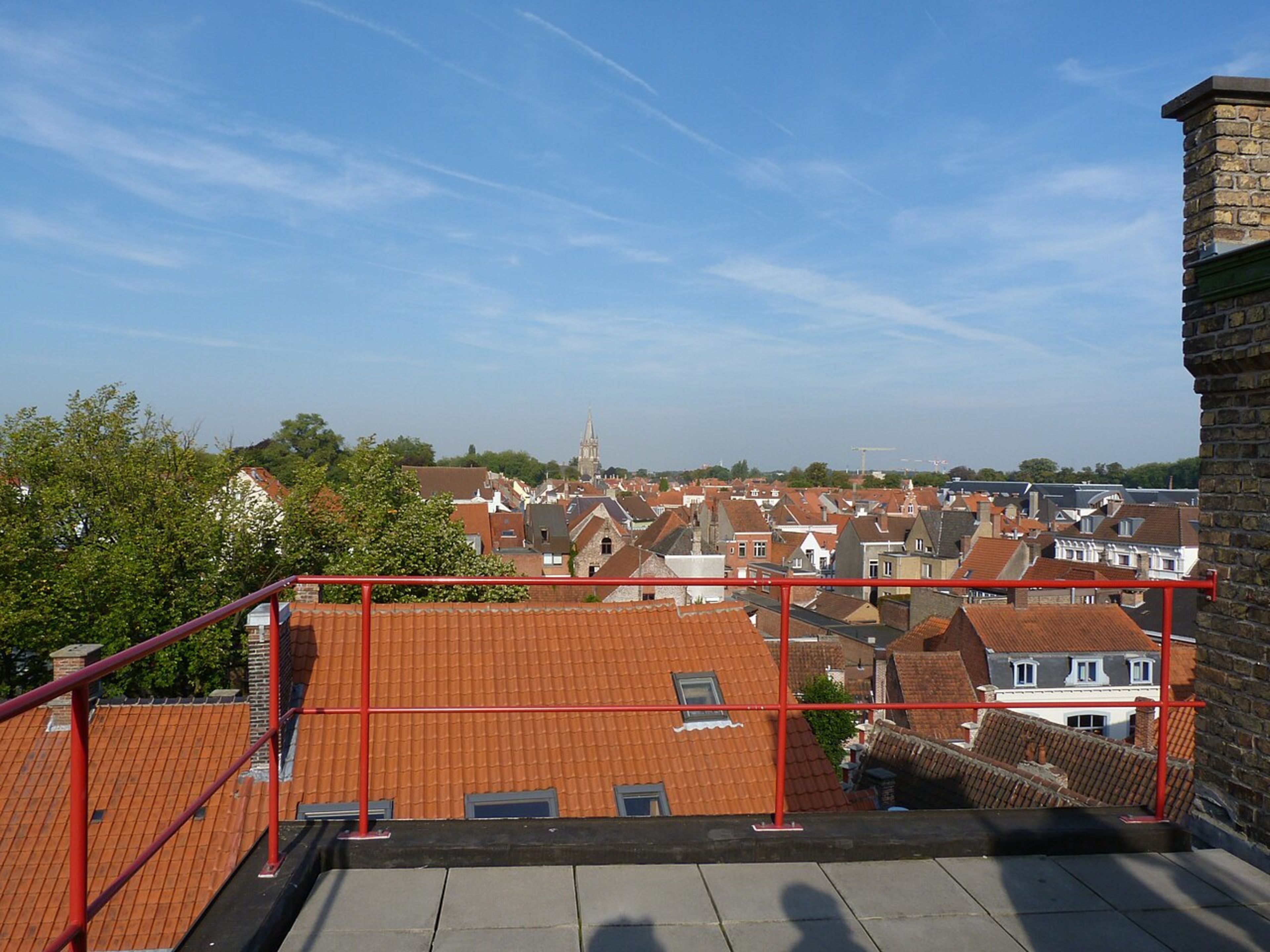
De Halve Maan Brewery
This family-owned brewery has been crafting Belgian ales in the heart of Bruges since the 19th century, offering visitors an intimate look at traditional brewing methods in a atmospheric medieval setting. The guided tour winds through original copper kettles and wooden barrels while expert brewmasters share stories of their flagship Brugse Zot beer. You'll finish with a refreshing tasting session in their cozy tasting room overlooking the charming streets of Bruges.
Photo by Michiel Dumon
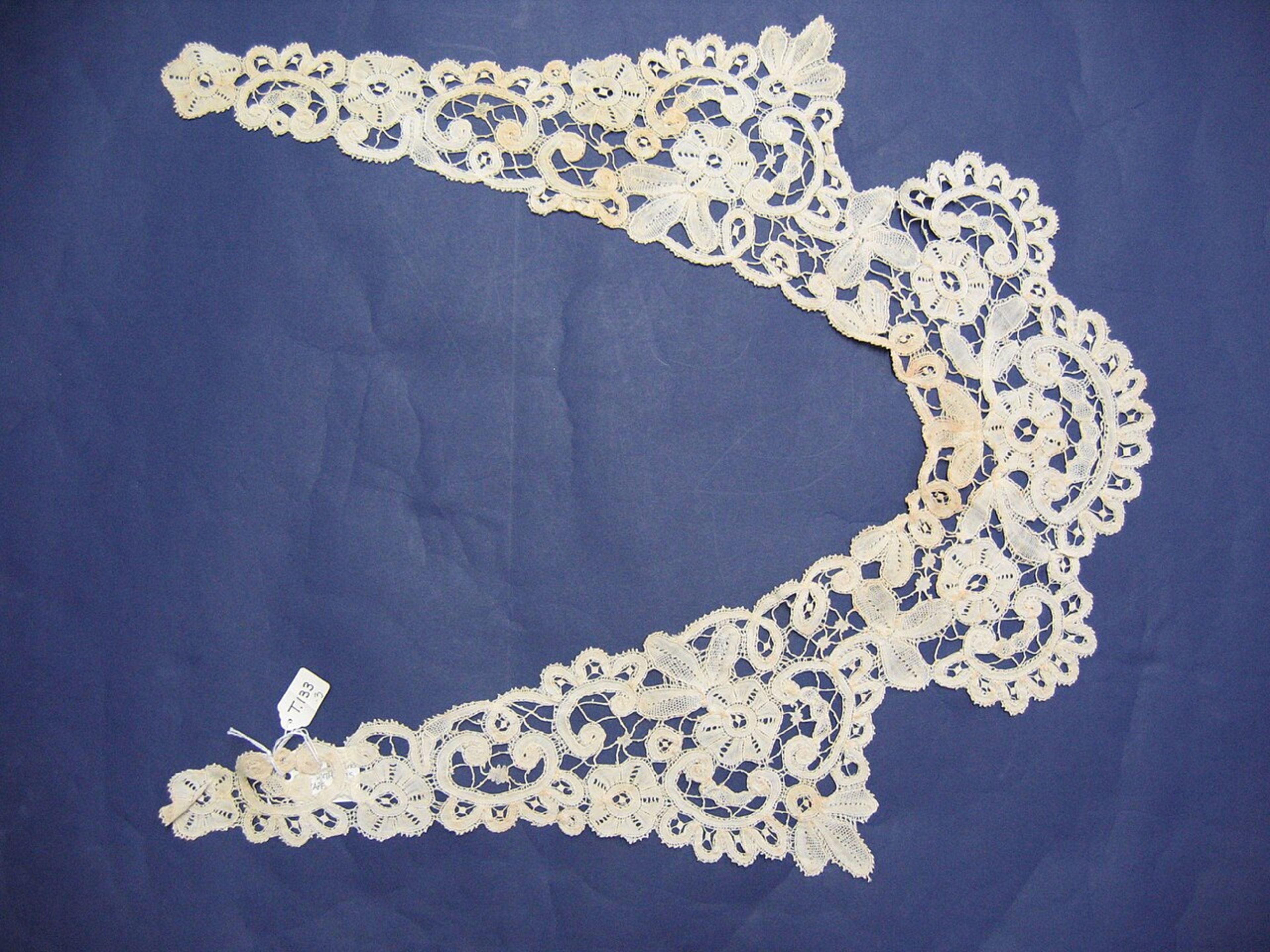
Diamond Museum
Nestled in a charming 16th-century house along Bruges' picturesque streets, the Diamond Museum unveils the secrets of gem cutting and polishing through interactive exhibits and dazzling displays. You'll discover how master craftsmen transform rough stones into brilliant jewels while learning about Bruges' historic role in the diamond trade. The museum expertly balances storytelling with hands-on demonstrations, making it engaging for both casual visitors and gemstone enthusiasts.
Photo by Unknown authorUnknown author

Dijver Canal
The Dijver is Bruges' most romantic waterway, lined with stepped gablehouses and weeping willows that seem to lean toward their own reflections. This peaceful canal connects the Beguinage to the Market Square, offering some of the most photographed views in Belgium where swans glide past centuries-old architecture. Walking its banks feels like stepping into a Flemish painting come to life.
Photo by Marc Ryckaert (MJJR)

Folklore Museum
Tucked away in a series of charming medieval almshouses in Bruges' Saint-George quarter, this intimate museum brings Flemish daily life vividly to the present through period rooms, traditional crafts, and household treasures from centuries past. Wander through authentically furnished rooms where bakers, weavers, and families once lived, discovering how ordinary people navigated love, work, and celebration in this historic trading city. The museum's strength lies not in grand narratives but in the small, human details—children's toys, wedding chests, apprentice tools—that make history feel genuinely lived-in.
Photo by Dennis G. Jarvis

Groeningemuseum
Housed in a serene 15th-century monastery garden setting, the Groeningemuseum showcases an exceptional collection of Flemish paintings spanning from medieval times to the present day. The museum's intimate galleries feel less overwhelming than larger institutions, allowing you to genuinely connect with masterpieces by Jan van Eyck, Hieronymus Bosch, and other Flemish masters. The peaceful courtyard and garden provide a contemplative space between galleries, making the experience both intellectually enriching and emotionally restorative.
Photo by scanned by Marc Ryckaert MJJR
Historic Centre of Bruges (UNESCO)
Bruges' medieval heart is a mesmerizing maze of narrow brick-lined streets, picturesque canals, and Flemish architecture that seems frozen in the 15th century. Wandering through the center reveals hidden courtyards, artisanal chocolate shops, and quiet squares where locals linger over coffee as swans glide past ancient bridges. This UNESCO-protected quarter pulses with authentic charm—a place where every corner reveals another photogenic vista and centuries of European history.
Photo by Trougnouf
Lace Centre (Kantcentrum)
Housed in a beautifully restored 15th-century mansion near Sint-Jakobskerk, this intimate museum celebrates Bruges's centuries-old lace-making tradition through exquisite examples and live demonstrations. You'll watch skilled artisans work their bobbins and needles with hypnotic precision, their hands moving in patterns passed down through generations. The collection ranges from delicate Bruges lace to contemporary pieces, offering a genuine window into the craft that once made this city wealthy.

Markt Square
Bruges' magnificent Markt Square is ringed by guild houses with ornate facades and topped by the iconic Belfry tower, creating one of Europe's most photogenic medieval plazas. The open square buzzes with café culture, street performers, and locals, making it the vibrant heart where centuries of Flemish history seem to echo off the cobblestones. Horse-drawn carriages clip-clop past flower stalls, transporting visitors through a landscape that feels frozen in time yet alive with contemporary energy.
Photo by Marc Ryckaert (MJJR)

Memling Museum (Sint-Janshospitaal)
Housed in a beautifully preserved medieval hospital, this intimate museum showcases masterworks by Hans Memling, one of the Northern Renaissance's greatest painters, displayed in the very setting where he once lived and worked. The collection features exquisite religious paintings and altarpieces that glow with ethereal light and intricate detail, offering a profound encounter with 15th-century Flemish spirituality. Walking through the Gothic halls and cloister transports you back to the Renaissance, blending art, architecture, and history in one remarkable experience.
Photo by Marc Ryckaert (MJJR)

Minnewater (Lake of Love)
This enchanting swan-filled lake sits in the southern corner of Bruges' medieval center, its name evoking the romantic legend of star-crossed lovers whose devotion transformed them into swans. The tranquil waters reflect centuries-old brick buildings and weeping willows, creating the kind of dreamy atmosphere that makes you forget you're in a busy city. Locals and visitors alike find themselves drawn to the peaceful waterside promenade, where swans glide gracefully and time seems to slow down.
Photo by Luu

Provinciaal Hof
This striking neo-Gothic palace dominates one side of Bruges' iconic Markt square with its ornate red-brick facade and distinctive tower. Once the seat of West Flanders' provincial government, the building showcases the architectural ambitions of early 20th-century Flemish civic pride. While primarily administrative, its exterior presence makes it a compelling stop for architecture enthusiasts exploring the square's historic ensemble.
Photo by Michielverbeek

Rozenhoedkaai (Canal View)
Rozenhoedkaai is the most photographed spot in Bruges, where pastel-colored medieval townhouses lean over calm canal waters that mirror their fairy-tale facades. This intimate waterside corner captures the essence of Bruges' romantic character, with swans gliding beneath arched bridges and the gentle lap of water against ancient stone. The scene feels frozen in time, offering visitors an almost magical moment that justifies the crowds who gather here daily.
Photo by Thomas Quine
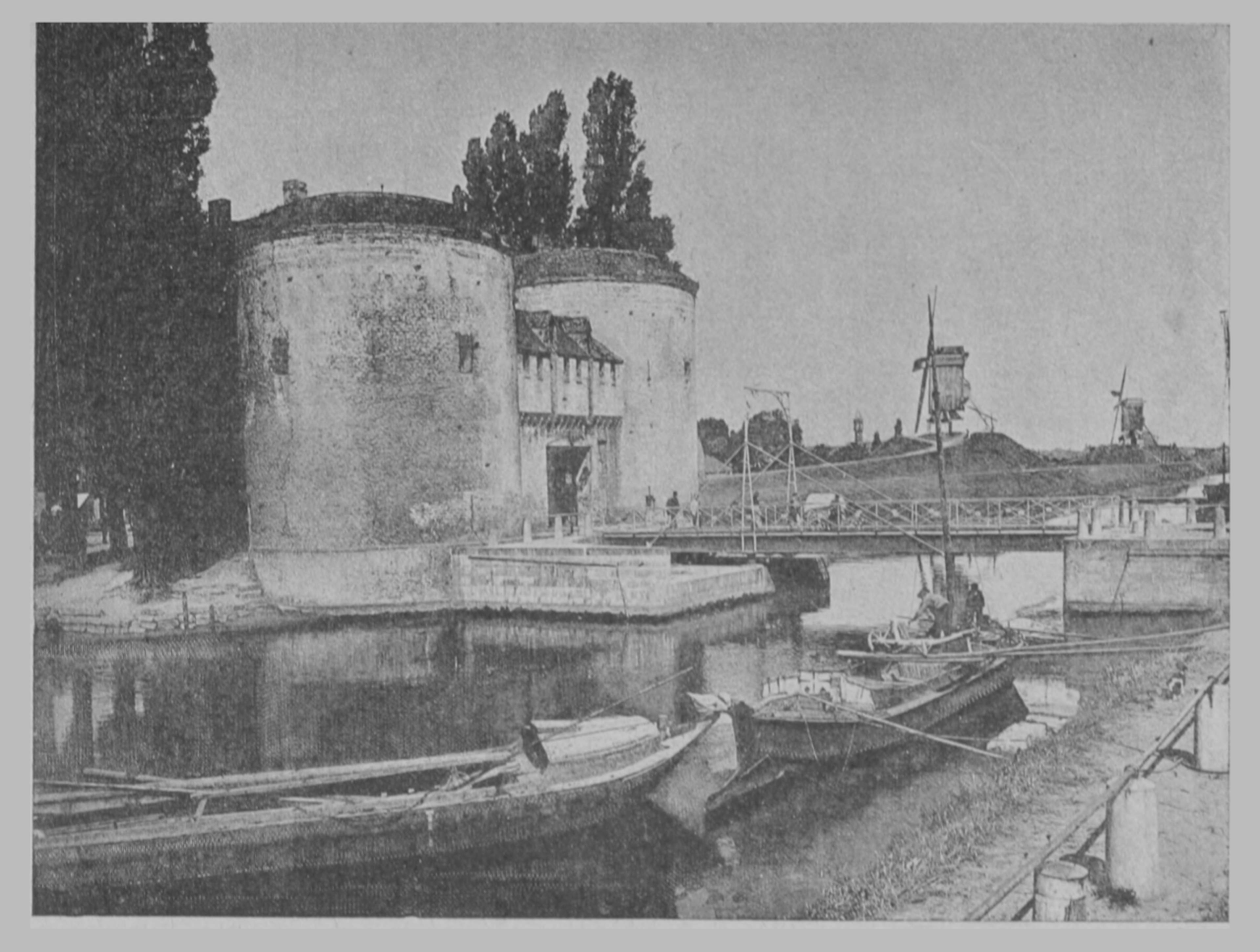
Windmills (Kruisvest)
Standing sentinel along Bruges' medieval ramparts, these picturesque windmills have rotated their sails for centuries, grinding grain and pumping water to keep the city alive. Today they're living monuments to Flemish ingenuity, with several still operational during certain seasons, their mechanical beauty reflected in the tranquil surrounding moat. The mills create one of Bruges' most photogenic scenes, especially when their white wooden sails catch the wind against the city's golden-brick skyline.
Photo by Ch.-G. Petit et Cie.
Itineraries Here
Planning a Trip to Bruges: FAQs
When is the best time to visit Bruges?
⌄
The best time to visit Bruges is spring.
How many days do you need in Bruges?
⌄
Plan on about 3 days to cover Bruges's highlights at a comfortable pace.
How do you get to Bruges?
⌄
Bruges is served by Brussels Airport (about 1.5 hours away by train or car), Belgium's primary international hub. Direct trains connect Brussels to Bruges' central station in roughly 1 hour. From Amsterdam, allow 3–4 hours by train or car. The city itself is pedestrian-friendly and compact, best explored on foot.
What are the top things to do in Bruges?
⌄
Top attractions in Bruges include Archeologisch Museum, Basilica of the Holy Blood, Begijnhof, Belfry of Bruges and Burg Square. Itinara lists 20 verified attractions in total.