
Budapest unfolds across the Danube as one of Europe's most architecturally enchanting capitals, where grand Habsburg-era monuments rise alongside thermal baths that have drawn visitors for centuries. Straddling ancient trade routes, this cosmopolitan hub pulses with a distinctive Central European energy—a place where Belle Époque grandeur meets contemporary culture, and where the river itself becomes a defining presence. Whether exploring the castle quarters of Buda or the energetic boulevards of Pest, the city rewards wanderers with unexpected moments of beauty around every corner.
Key Attractions
View all attractions →
Andrássy Avenue
This tree-lined boulevard stretches nearly two kilometers from Erzsébet Square to City Park, showcasing Budapest's most elegant Neo-renaissance architecture with ornate mansions that whisper tales of the Austro-Hungarian era. Strolling Andrássy Avenue feels like walking through a living museum where architectural grandeur meets vibrant modern culture, with boutiques, galleries, and cafés tucked into historic facades. The avenue's UNESCO World Heritage status reflects its significance as one of Europe's most distinctive urban thoroughfares.
Photo by xorge — CC BY-SA 2.0

Aquaworld Budapest
This tropical water park and aquarium hybrid transports you to exotic underwater worlds with thousands of fish species swimming through carefully themed exhibits, from Mediterranean habitats to Amazonian ecosystems. Beyond the aquarium halls, you'll find warm indoor pools, waterslides, and spa facilities that make it as much a playful escape as an educational experience. The facility brilliantly combines family entertainment with genuine wildlife encounters in a single climate-controlled venue perfect for Budapest's variable weather.
Photo by Christo

Buda Castle
Perched dramatically on Castle Hill overlooking the Danube, this magnificent Baroque palace complex has been the seat of Hungarian royalty for nearly eight centuries and offers sweeping views of Budapest's eastern bank. The castle houses the Hungarian National Gallery and Budapest History Museum, where visitors can wander through opulent royal chambers and discover centuries of Hungarian art and culture. Walking through its courtyards feels like stepping between eras, with each corner revealing Renaissance gardens, Gothic towers, and stories of kings and queens.
Photo by Jakub Hałun

Budapest History Museum
Housed in the stunning Buda Castle complex, this museum traces Budapest's transformation from Roman settlement to modern metropolis through carefully curated artifacts and interactive exhibits. The collection spans from prehistoric times through the Ottoman occupation, offering intimate glimpses into the city's diverse cultural layers rather than overwhelming you with endless displays. Visitors often appreciate how the museum's location within the castle itself becomes part of the story, with medieval stonework and period rooms enhancing the historical narrative.
Photo by CryolophosaurusEllioti

Budapest Zoo
Wandering through this historic zoo feels like stepping into Budapest's cultural heritage while encountering exotic wildlife across beautifully landscaped grounds. The blend of meticulously maintained botanical gardens with animal exhibits creates an oasis where you can spot everything from African lions to playful red pandas. The Belle Époque architecture scattered throughout the grounds adds nostalgic charm to an already enchanting experience.
Photo by Martin Belam (currybet) from Niederalm, Austria — CC BY-SA 2.0

Chain Bridge
This iconic 19th-century chain bridge dramatically connects Buda's castle district with Pest's bustling riverfront, creating one of Europe's most photographed monuments. The bridge's distinctive twin towers and delicate ironwork frame stunning views of the Danube and surrounding architecture from every angle. Whether you're crossing on foot or simply admiring it from the riverbanks, the Chain Bridge captures the romantic essence of Budapest's divided yet unified character.
Photo by artorusrex

Citadella Fortress
Perched dramatically atop Gellért Hill 235 meters above the Danube, this 19th-century fortress commands breathtaking panoramic views of Budapest's skyline and the winding river below. Built after the 1848 revolution as a symbol of Habsburg military power, it now welcomes visitors to explore its historic walls, ramparts, and the iconic Liberation Monument. The fortress itself is freely accessible, making it one of Budapest's most rewarding hilltop experiences for photographers and history enthusiasts alike.
Photo by Omar A.

Danube Promenade
This scenic riverside walkway offers enchanting views of the Danube with Budapest's most iconic landmarks framing the horizon—the illuminated Parliament Building and Buda Castle create a postcard-perfect backdrop across the water. Stroll beneath weeping willows and cafés where locals gather to watch the city's riverside rhythm, making it one of Europe's most beloved urban waterfront experiences. The promenade transforms into a glittering ribbon of light after dark, when street lamps and building reflections dance across the water.
Photo by JStolp
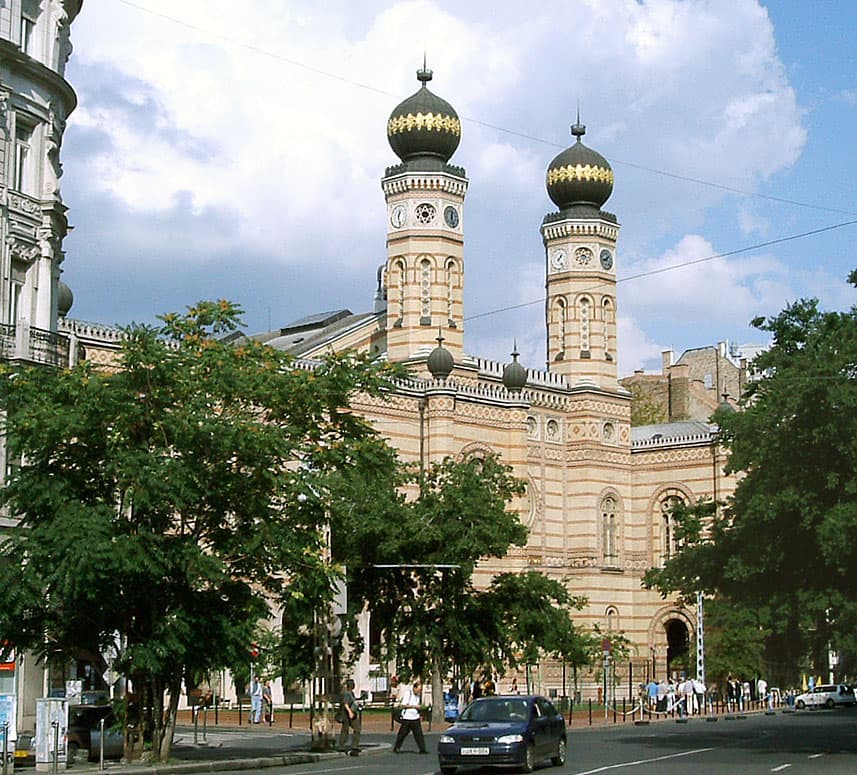
Dohány Street Synagogue
Europe's largest synagogue, this stunning Neolog temple combines Byzantine, Moorish, and Romantic architectural styles with twin onion domes that dominate Budapest's skyline. Step inside to discover soaring nave columns, ornate decorative details, and a palpable sense of history that spans over 160 years of Central European Jewish heritage. The adjoining Jewish Museum provides deeper context into the community's complex past and resilient present.
The original uploader was OsvátA at Hungarian Wikipedia., CC BY-SA 3.0, via Wikimedia Commons

Elizabeth Bridge
This elegant white suspension bridge gracefully spans the Danube River, connecting Buda and Pest with a single dramatic arch that has become one of Budapest's most iconic silhouettes. Named after Empress Elizabeth of Austria, the bridge offers breathtaking views of the Parliament Building, Fisherman's Bastion, and the river's cascading shores from its pedestrian walkways. Walking across at dusk transforms the experience into something almost magical, as the bridge's lights reflect off the water and the city glows amber and gold.
Photo by Alex Proimos from Sydney, Australia — CC BY 2.0
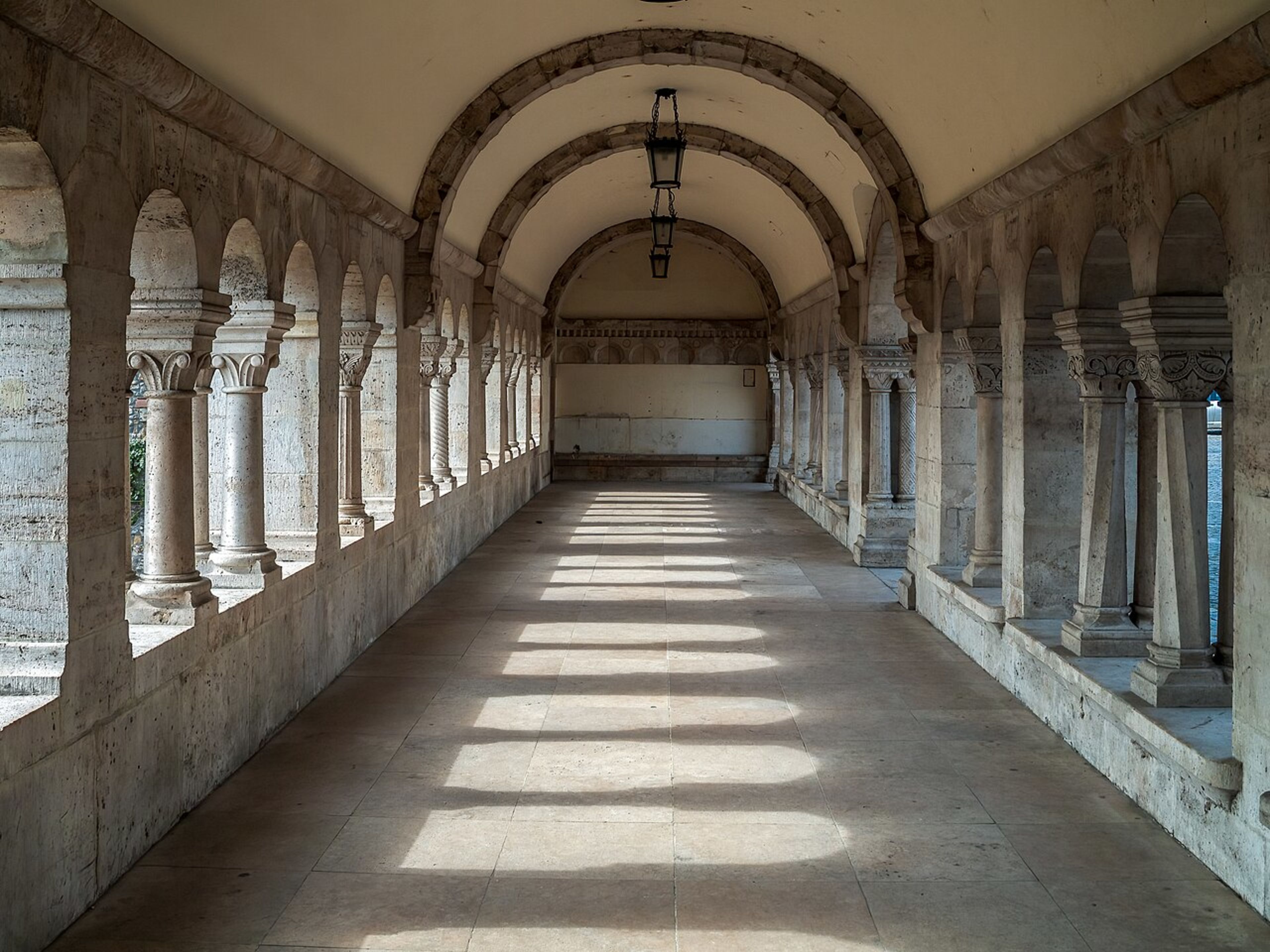
Fisherman's Bastion
This whimsical neo-Gothic and neo-Romanesque structure rises majestically above the Danube with seven towers representing the Magyar tribes who founded Hungary. Built as a viewing terrace for the 1896 Millennium celebrations, it offers breathtaking panoramic vistas of Budapest's Parliament Building and the Pest skyline. The bastion combines romantic architecture with practical function, serving as both a stunning visual landmark and a working viewpoint loved by locals and travelers alike.
Photo by Ermell — CC BY-SA 4.0

Gellért Hill
Named after Saint Gerard, this 235-meter limestone hill rises dramatically above Budapest's Danube banks, offering breathtaking panoramic views of the Parliament Building, Chain Bridge, and the city's terracotta rooftops. The hilltop Citadel, built during the 19th century, now hosts the iconic Liberty Statue and functions as both a fortress museum and popular gathering spot for locals and visitors alike. Walking through its leafy paths and historic monuments feels like stepping through layers of Budapest's turbulent and triumphant past.
Photo by Perituss — CC0
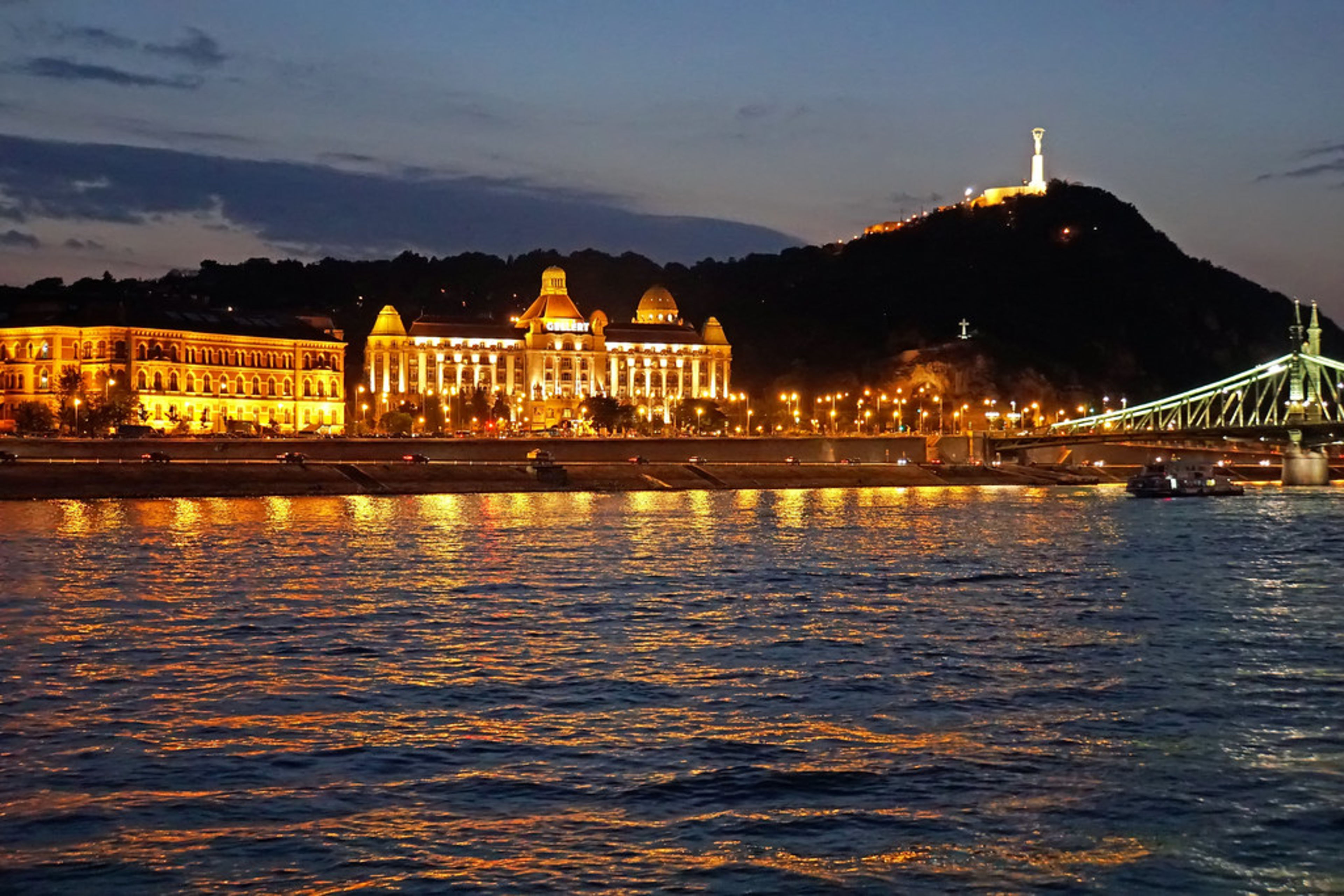
Gellért Thermal Baths
Nestled at the foot of Gellért Hill, this Art Nouveau thermal bath complex harnesses naturally heated mineral waters that emerge from Budapest's thermal springs, creating an oasis of relaxation surrounded by lush gardens and city views. The indoor pools maintain different temperatures ranging from warm to hot, while the outdoor pools offer a uniquely Hungarian bathing experience year-round, with steam rising into the cool air on chilly days. Beyond the therapeutic waters, visitors find themselves in a beautifully restored architectural gem that captures the elegance of early 20th-century European spa culture.
Photo by archer10 (Dennis)
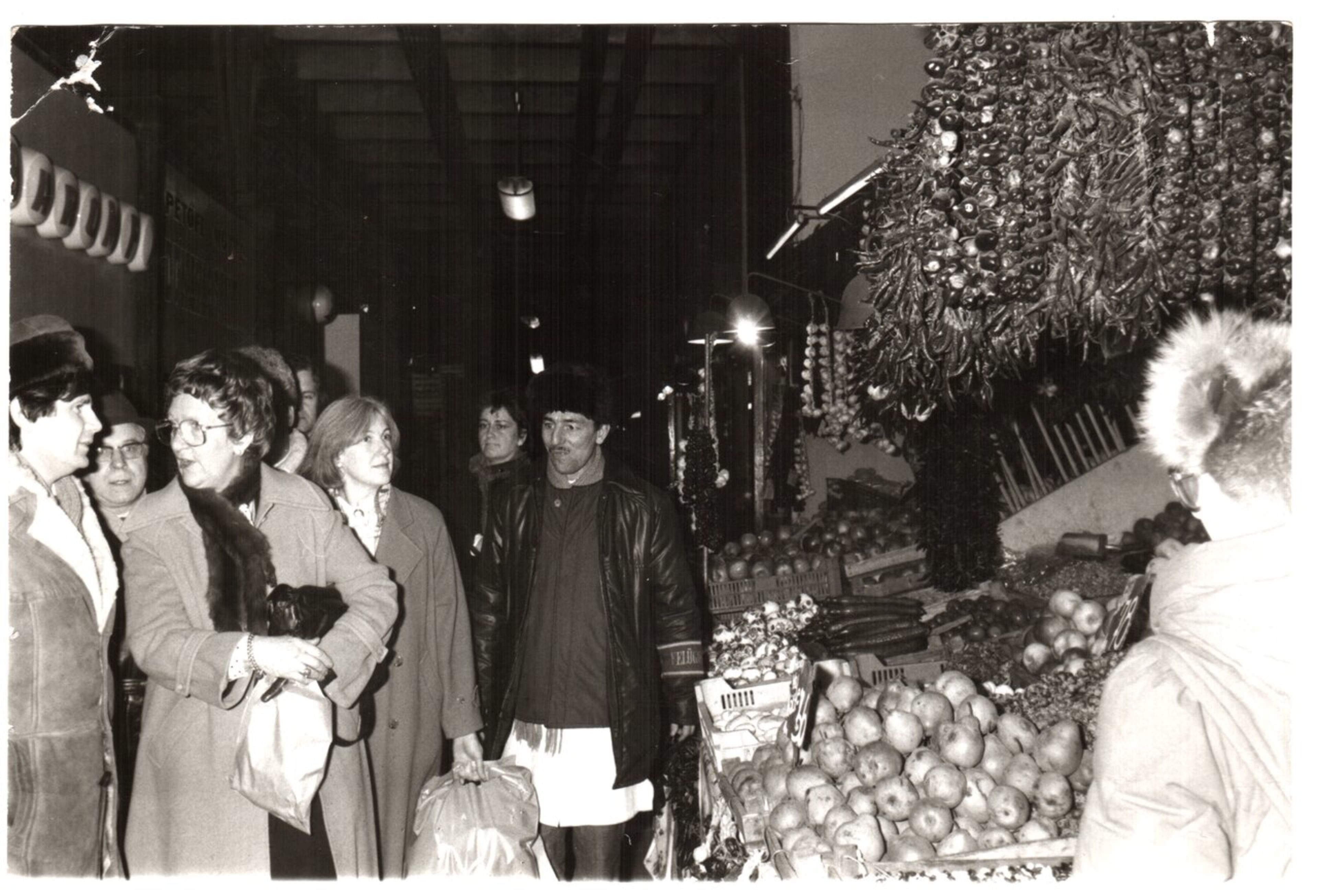
Great Market Hall (Nagycsarnok)
Budapest's most iconic market hall sprawls across two stories with vibrant stalls overflowing with Hungarian produce, paprika, salami, and local crafts that capture the soul of the city. The soaring iron-and-glass Victorian architecture frames a sensory feast where vendors call out their wares and the aroma of fresh peppers mingles with traditional Hungarian delicacies. Beyond the ground floor's produce bounty, the upper level reveals tourist-friendly restaurants and souvenir shops perfect for sampling authentic cuisine.
Photo by Derzsi Elekes Andor
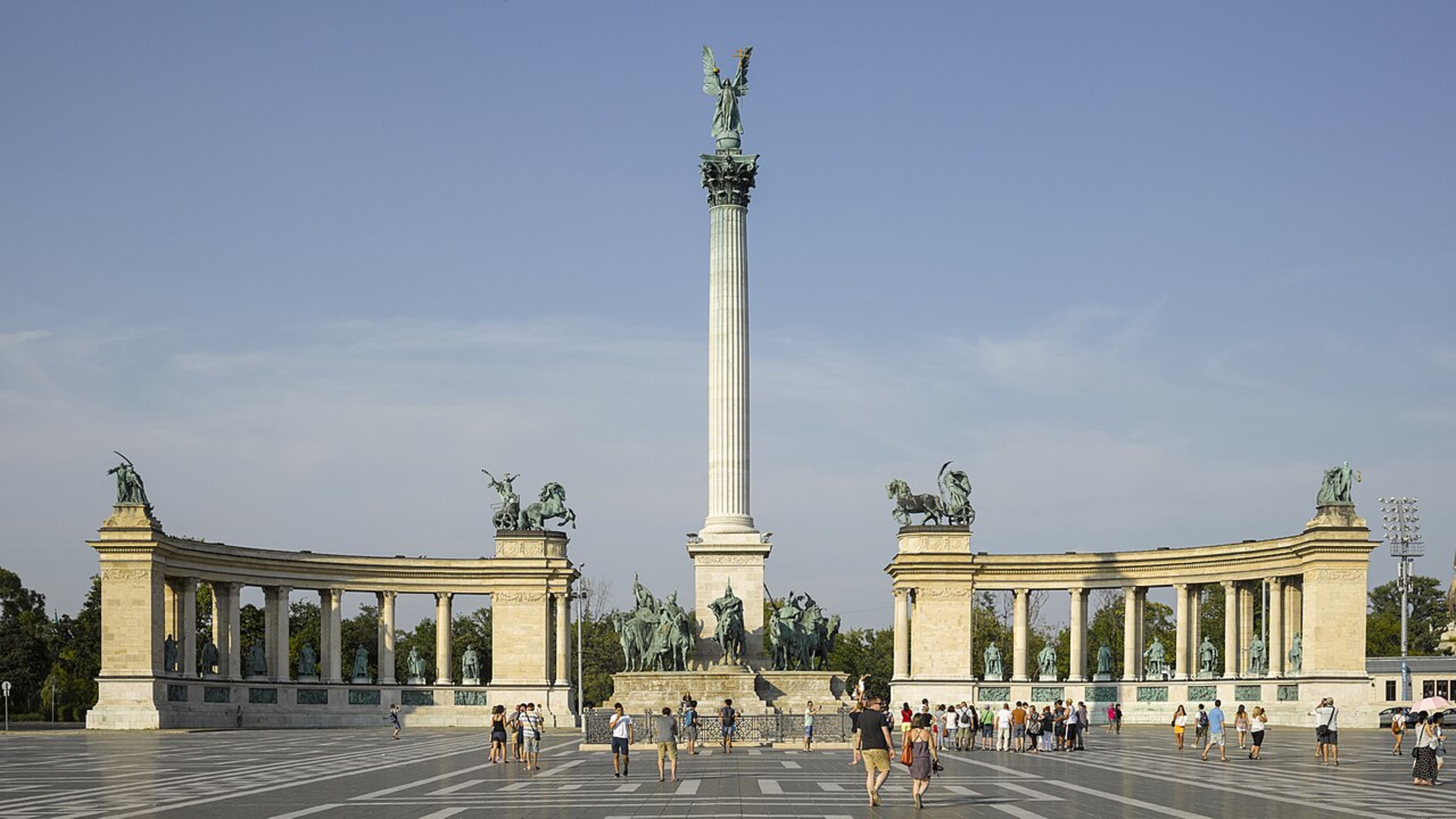
Heroes' Square
Budapest's most recognizable plaza showcases the soaring Millennium Monument, crowned by the Archangel Gabriel and flanked by statues depicting the seven Magyar chieftains who founded Hungary. The square's neoclassical facades and symmetrical layout create an imposing backdrop that captures the nation's pride and historical significance. Surrounded by the Museum of Fine Arts and Palace of Art, it serves as a cultural heart where grand Hungarian history meets vibrant contemporary life.
Photo by Godot13

Hungarian National Museum
This grand neoclassical building houses Hungary's most comprehensive collection of national treasures, spanning from prehistoric times through the modern era. The museum's impressive halls showcase everything from ancient Roman artifacts and medieval crowns to folk costumes and contemporary Hungarian art. Walking through these galleries is like traveling through centuries of Hungarian identity, culture, and resilience.
Photo by Leonhard_Niederwimmer

Hungarian Open Air Museum (Skanzen – nearby)
This sprawling 35-hectare open-air museum transports you through centuries of Hungarian rural life with authentic farmhouses, churches, and workshops scattered across picturesque grounds. Costumed interpreters demonstrate traditional crafts like pottery, weaving, and blacksmithing, while period cottages reveal how villagers lived from the 18th to 20th centuries. It's a wonderfully immersive experience that captures the soul of Hungary's agrarian heritage without feeling stuffy or academic.
Photo by Fekist
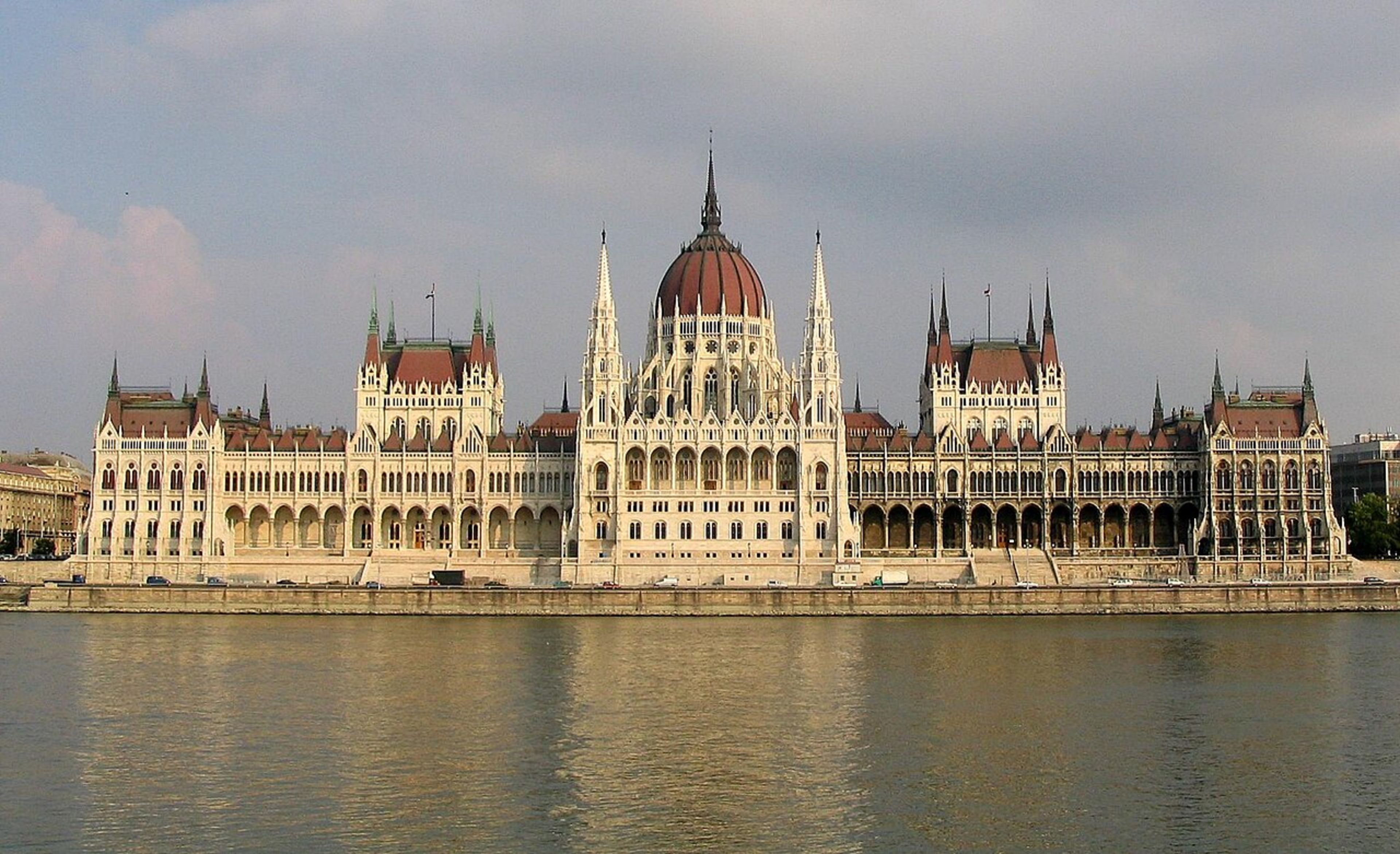
Hungarian Parliament Building
This stunning Neo-Gothic masterpiece rises dramatically along the Danube's east bank, its ornate spires and intricate stonework reflecting centuries of Hungarian ambition and pride. The building's interior dazzles visitors with grand staircases, soaring ceilings, and elaborate decorative details that whisper stories of political intrigue and national heritage. A guided tour through the opulent chambers reveals the meticulous craftsmanship that made this one of Europe's most architecturally impressive government buildings.
Photo by Dirk Beyer
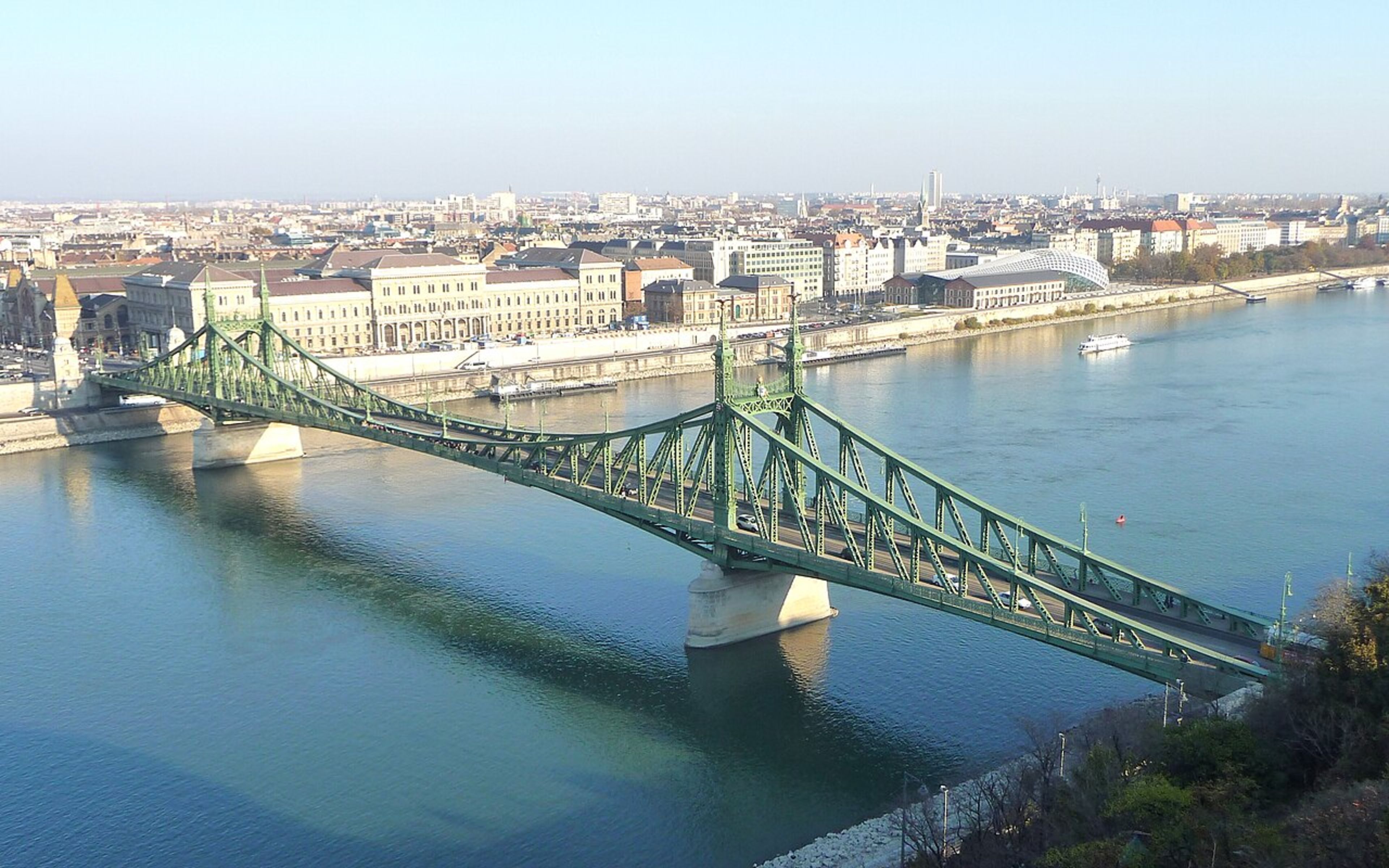
Liberty Bridge
This iconic green iron bridge spans the Danube with distinctive twin towers topped by turul birds, connecting the vibrant districts of Buda and Pest since 1896. Walking across Liberty Bridge offers some of Budapest's most breathtaking views, with the Parliament Building gleaming upstream and Margaret Island visible from mid-span. The bridge is a favorite gathering spot for locals and travelers alike, especially in the evening when the city lights reflect off the water below.
Photo by Ondřej Žváček
Margit Island
This verdant sanctuary in the heart of the Danube offers Budapesters and visitors a tranquil escape with tree-lined promenades, hidden gardens, and lakeside trails winding through centuries of history. Home to thermal pools, medieval ruins, and peacefully grazing rabbits, the island transforms into an open-air playground where joggers, families, and couples stroll past cascading fountains and fragrant rose gardens. Whether you're seeking quiet reflection or active recreation, Margaret Island delivers an unexpectedly wild retreat from the urban hustle just beyond its shores.
Photo by Alex Proimos from Sydney, Australia

Matthias Church
This stunning Neo-Gothic church with its distinctive colored roof tiles dominates the skyline of Buda Castle and has witnessed centuries of Hungarian coronations and royal ceremonies. Inside, soaring ribbed vaults and ornate architectural details create an atmosphere of reverence, while the blend of medieval foundations with 19th-century restoration gives it a unique character. The church's location in Holy Trinity Square places it at the heart of Budapest's most picturesque historic district.
Photo by archer10 (Dennis)
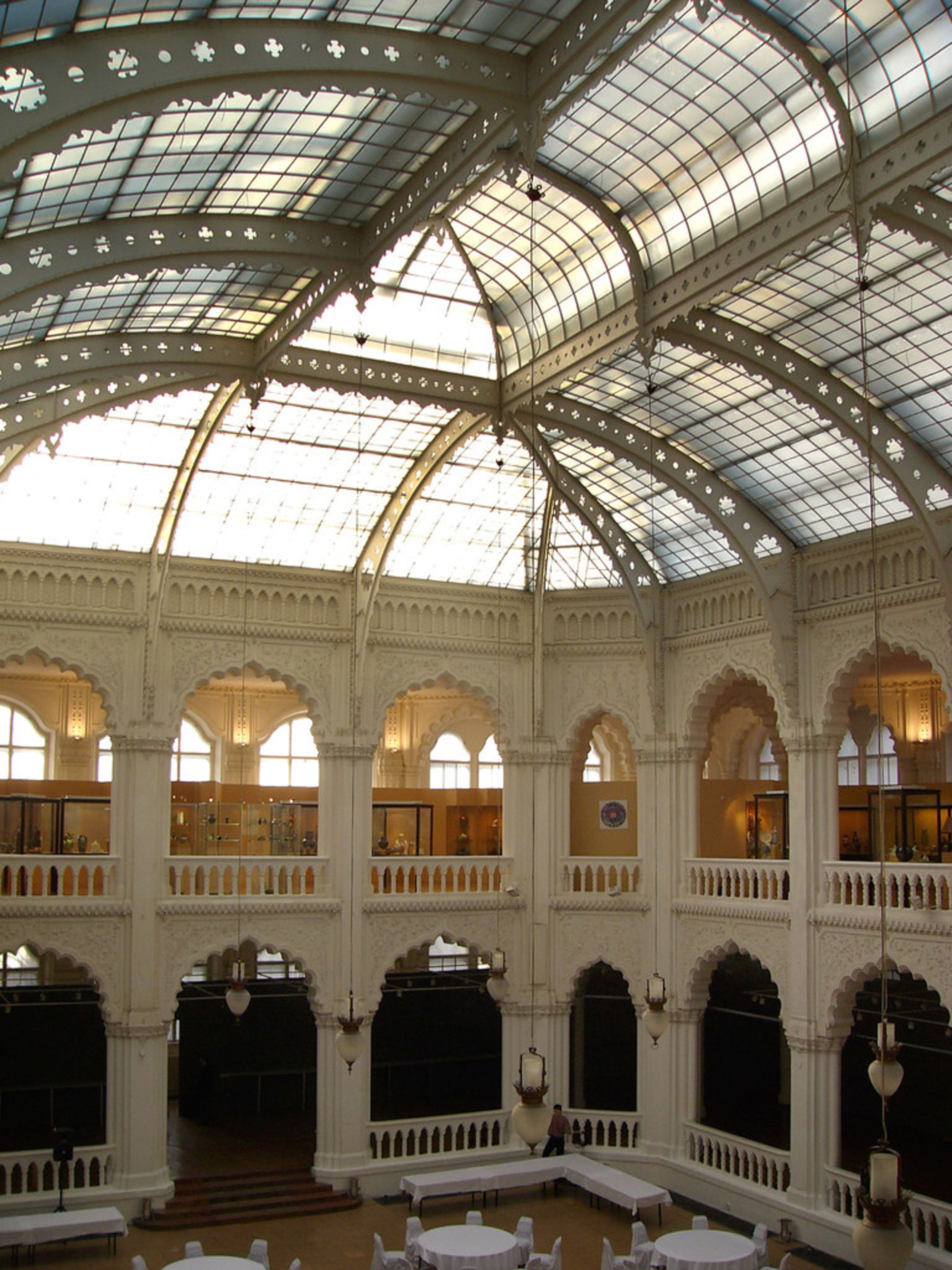
Museum of Fine Arts
This grand neoclassical palace on Heroes' Square houses one of Europe's most impressive collections of international art, from ancient Egyptian artifacts to contemporary works. The museum's sprawling galleries showcase everything from Old Masters and Renaissance treasures to modern European pieces, offering a comprehensive journey through artistic history. Its iconic colonnaded entrance and position facing the Palace of Art makes it an architectural landmark as much as a cultural destination.
Photo by Kathleen Tyler Conklin
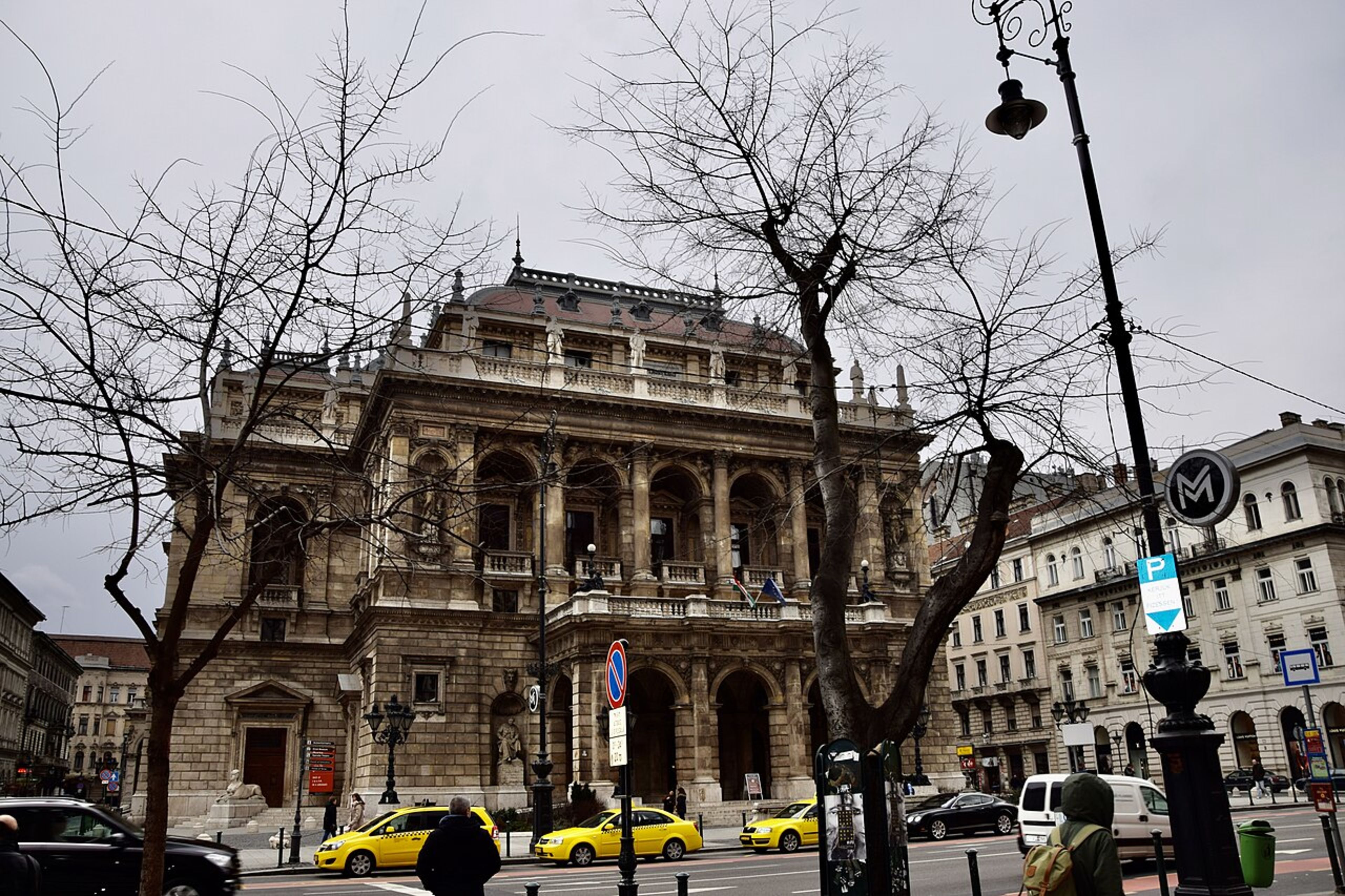
Opera House
Budapest's architectural masterpiece showcases stunning Neo-Renaissance design with a gilt-decorated interior that rivals Europe's grandest opera houses, offering guided tours and world-class performances in its ornate auditorium. The building's facade and chandelier are as much a draw as the music itself, making it a cultural experience that captures Hungary's belle époque elegance. Whether attending an evening performance or exploring the gilded halls by day, this venue immerses you in Central Europe's refined artistic heritage.
Photo by Ank Kumar — CC BY-SA 4.0
Ruin Bars (Romkocsmák – Szimpla Kert)
Szimpla Kert pioneered Budapest's legendary ruin bar movement by transforming a crumbling Jewish apartment building into a bohemian playground where locals and travelers mingle across art-filled courtyards. This eclectic venue pulses with live music, street art, and an infectious energy that perfectly captures the city's creative spirit and youthful rebellion. The rambling spaces overflow with vintage furniture, quirky installations, and an ever-changing landscape of graffiti and installations that make each visit feel like discovering something new.

St. Stephen's Basilica
This stunning Neo-Renaissance basilica dominates Budapest's skyline with its magnificent dome and is considered one of Hungary's most important religious monuments. Inside, you'll find intricate mosaics, soaring vaulted ceilings, and the revered right hand of St. Stephen preserved in an ornate reliquary. The panoramic observation deck offers breathtaking views across the Danube and city rooftops.
Photo by e53
Széchenyi Thermal Baths
This grand Neo-Baroque palace of thermal healing rises from City Park with 18 pools fed by Europe's largest medicinal hot spring, where locals and visitors blend seamlessly in steaming outdoor pools regardless of season. The bright yellow building houses everything from Olympic-sized swimming pools to intimate thermal baths rich in minerals believed to ease arthritis and joint pain. Floating in the outdoor pools while snow falls or surrounded by lush greenery creates an almost surreal Budapest experience that feels both luxurious and utterly unpretentious.
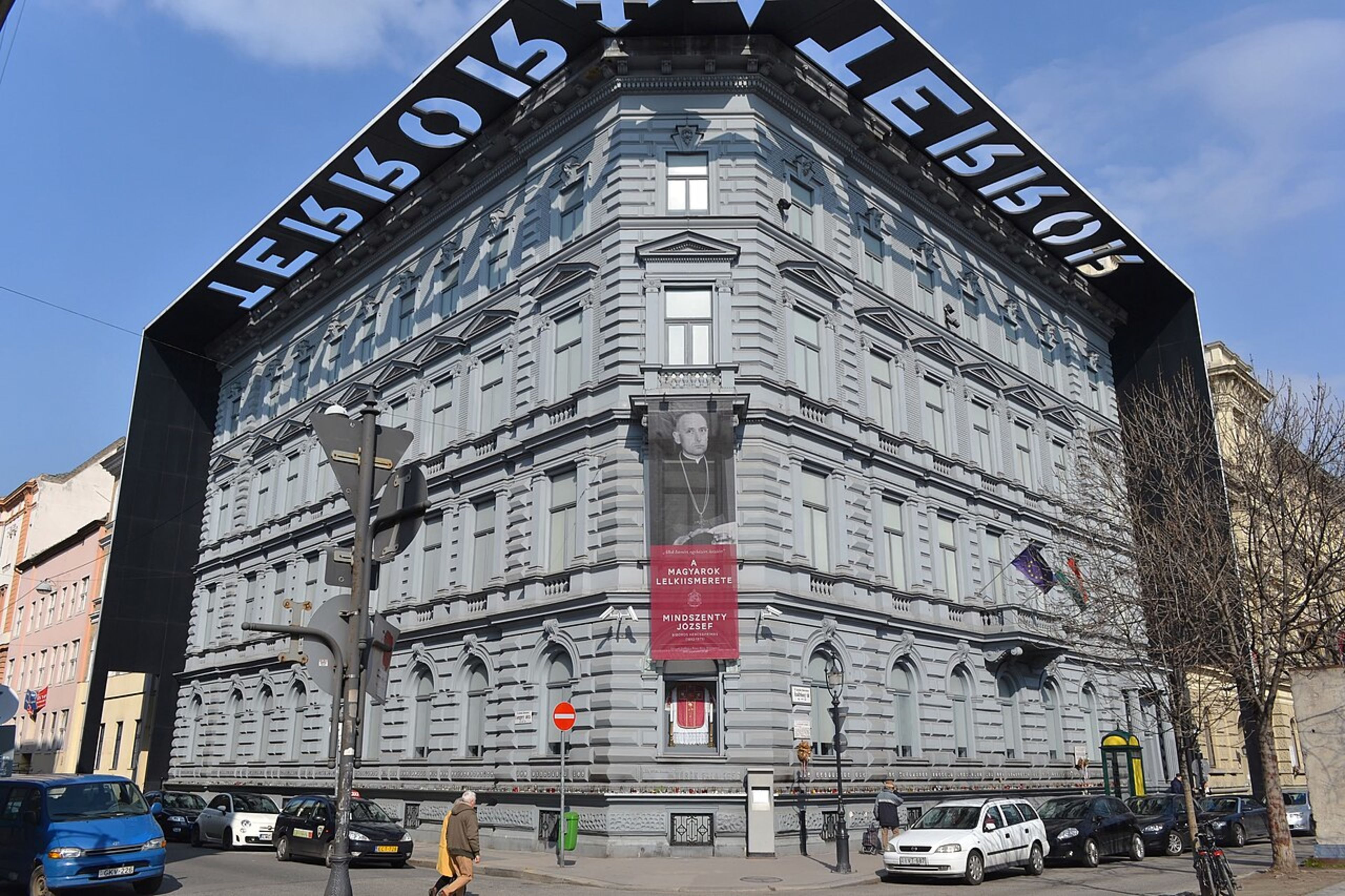
Terror House Museum
Housed in a striking yellow neoclassical building that once served as headquarters for both Nazi and Soviet secret police, this museum documents Hungary's darkest historical chapters through haunting exhibits and personal testimonies. The restored cells in the basement and preserved torture chambers provide visceral insight into the brutality of totalitarian regimes. Walking these halls offers a sobering meditation on freedom and the resilience of those who survived.
Photo by Slyronit — CC BY-SA 4.0

Vajdahunyad Castle
This enchanting castle rises dramatically from City Park's lake like a storybook fortress, originally built for the 1896 Millennial Exhibition to showcase Hungary's architectural heritage. Its eclectic design blends Romanesque, Gothic, and Renaissance styles, creating a whimsical silhouette that draws visitors into a journey through different eras of Hungarian building traditions. Inside, the Agricultural Museum chronicles rural Hungarian life with charm and authenticity.
Photo by charlemagne
Itineraries Here
Planning a Trip to Budapest: FAQs
When is the best time to visit Budapest?
⌄
The best time to visit Budapest is spring|fall.
How many days do you need in Budapest?
⌄
Plan on about 4 days to cover Budapest's highlights at a comfortable pace.
How do you get to Budapest?
⌄
Budapest Ferenc Liszt International Airport (BUD) is the primary gateway, located about 16 miles southeast of the city center with regular rail and shuttle connections. From Vienna (Austria's capital), the journey is roughly 3 hours by train or car; Prague is approximately 7 hours away. Regular flights connect Budapest to major European hubs and North American gateways through connecting flights.
What are the top things to do in Budapest?
⌄
Top attractions in Budapest include Andrássy Avenue, Aquaworld Budapest, Buda Castle, Budapest History Museum and Budapest Zoo. Itinara lists 28 verified attractions in total.