Buenos Aires is a intoxicating blend of European grandeur and Latin American soul, where tree-lined avenues lead past belle-époque architecture and vibrant neighborhood plazas pulse with creative energy. The city's multicultural heritage—shaped by waves of immigration since the 19th century—permeates everything from the dialect spoken on street corners to the artistic movements that fill its world-class museums. Whether wandering the colorful passageways of La Boca, catching the passion of tango in a smoky milonga, or simply lingering over coffee in a Palermo café, Buenos Aires rewards visitors with an intoxicating mix of sophistication and spontaneity.
Key Attractions
View all attractions →
Avenida 9 de Julio (World's Widest Avenue)
This legendary 140-meter-wide boulevard cuts through the heart of Buenos Aires like a river of urban ambition, flanked by grand Belle Époque buildings and the iconic Obelisk rising 67 meters into the sky. Locals and visitors alike stroll beneath shade trees that line the avenue, experiencing the pulse of Argentine capital life where traffic choreography becomes a cultural spectacle. The avenue transforms magically at night when the Obelisk glows, turning the surrounding plazas into gathering spots for spontaneous celebrations and street performances.
Photo by Dennis G. Jarvis — CC BY-SA 2.0

Casa Rosada (Presidential Palace)
The iconic pink-hued presidential residence dominates the eastern edge of Plaza de Mayo, its distinctive color a symbol of Argentine identity since the 19th century. Guided tours lead through opulent salons, historic murals, and the Patio de Honor where presidents address the nation from the famous balcony. This working palace remains the heart of Argentine political life, blending architectural grandeur with living history.
Photo by DHSgov — Public domain
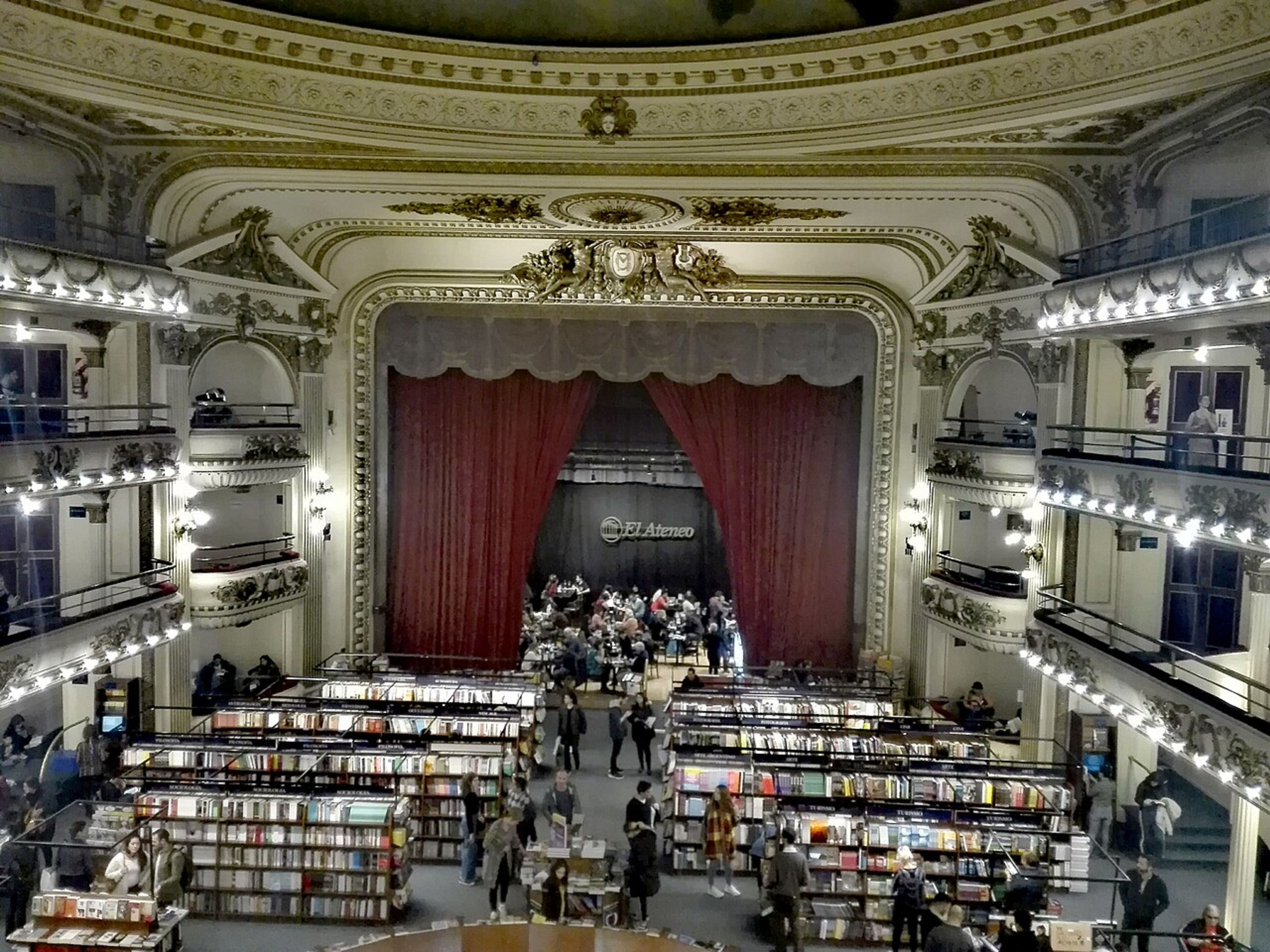
El Ateneo Grand Splendid (Bookshop)
This iconic bookshop inhabits a stunning Belle Époque theater from 1919, where red velvet balconies and gilded details frame towering shelves of Spanish-language literature and international titles. The soaring main hall with its original architectural grandeur creates an almost reverential atmosphere as you browse among Argentine classics and contemporary works. It's a place where books seem to matter more because of the temple-like space they occupy.
Photo by Sombra Inquieta — CC BY-SA 4.0

Feria de San Telmo (Sunday Market)
Buenos Aires' most iconic Sunday antique market sprawls across historic Plaza Dorrego in the bohemian San Telmo neighborhood, where vendors display everything from vintage tango records to colonial furniture beneath the shade of century-old trees. The plaza pulses with street musicians, tango dancers, and locals haggling over treasures while cafés spill into the square offering medialunas and strong coffee. It's where porteños come to rediscover their city's past, one forgotten memory at a time.
Photo by Jorge Lascar
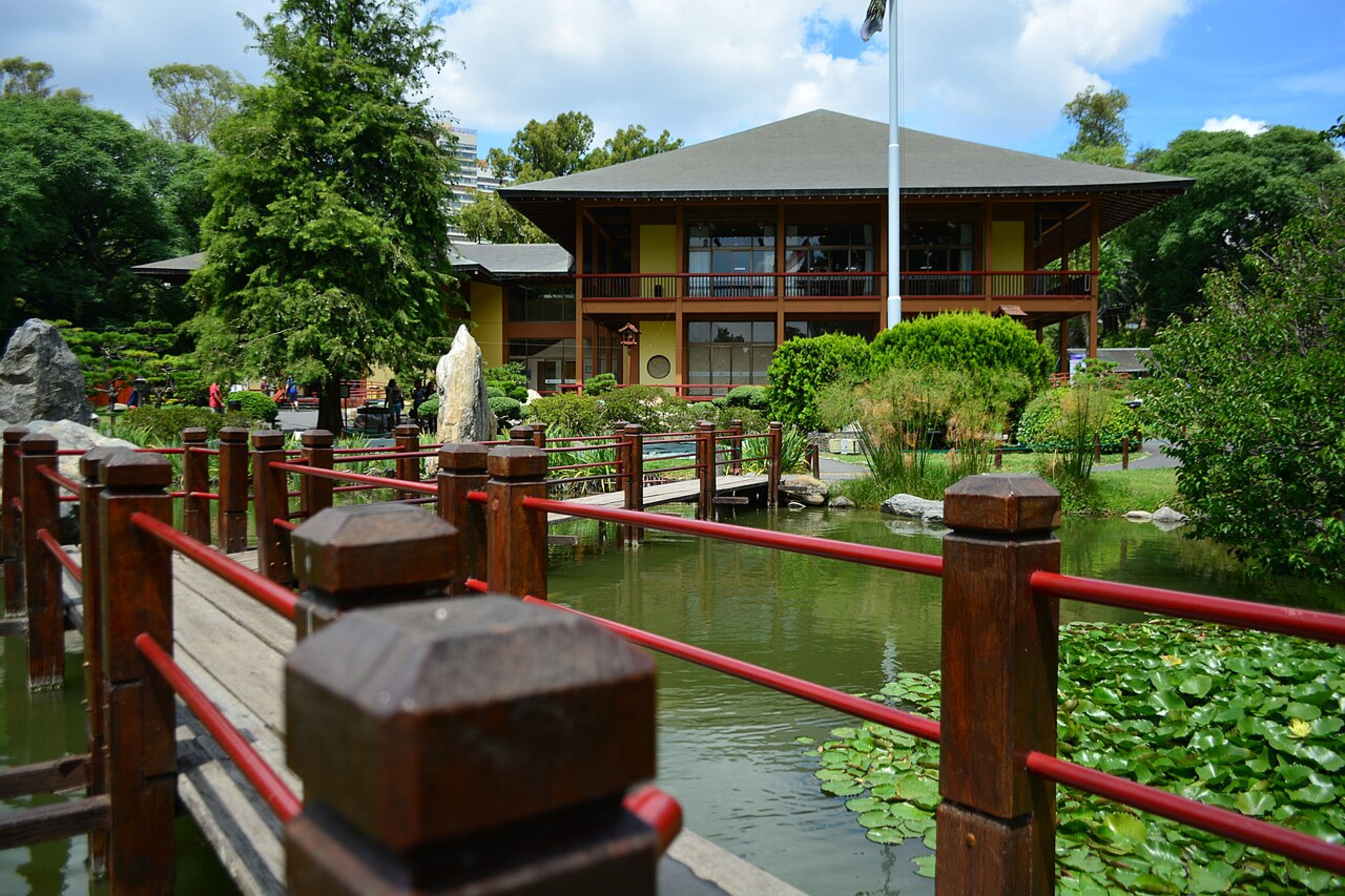
Jardín Japonés
Nestled in the heart of Buenos Aires, this serene 1.8-hectare garden transports you to Japan with authentic landscaping, koi-filled ponds, and traditional bridges that feel worlds away from the bustling city. The carefully maintained gardens feature seasonal plantings, a tea house where you can experience authentic Japanese hospitality, and walking paths that wind through bamboo groves and stone lanterns. It's a genuinely peaceful retreat where locals and travelers alike come to disconnect and find tranquility.
Photo by ProtoplasmaKid — CC BY-SA 4.0
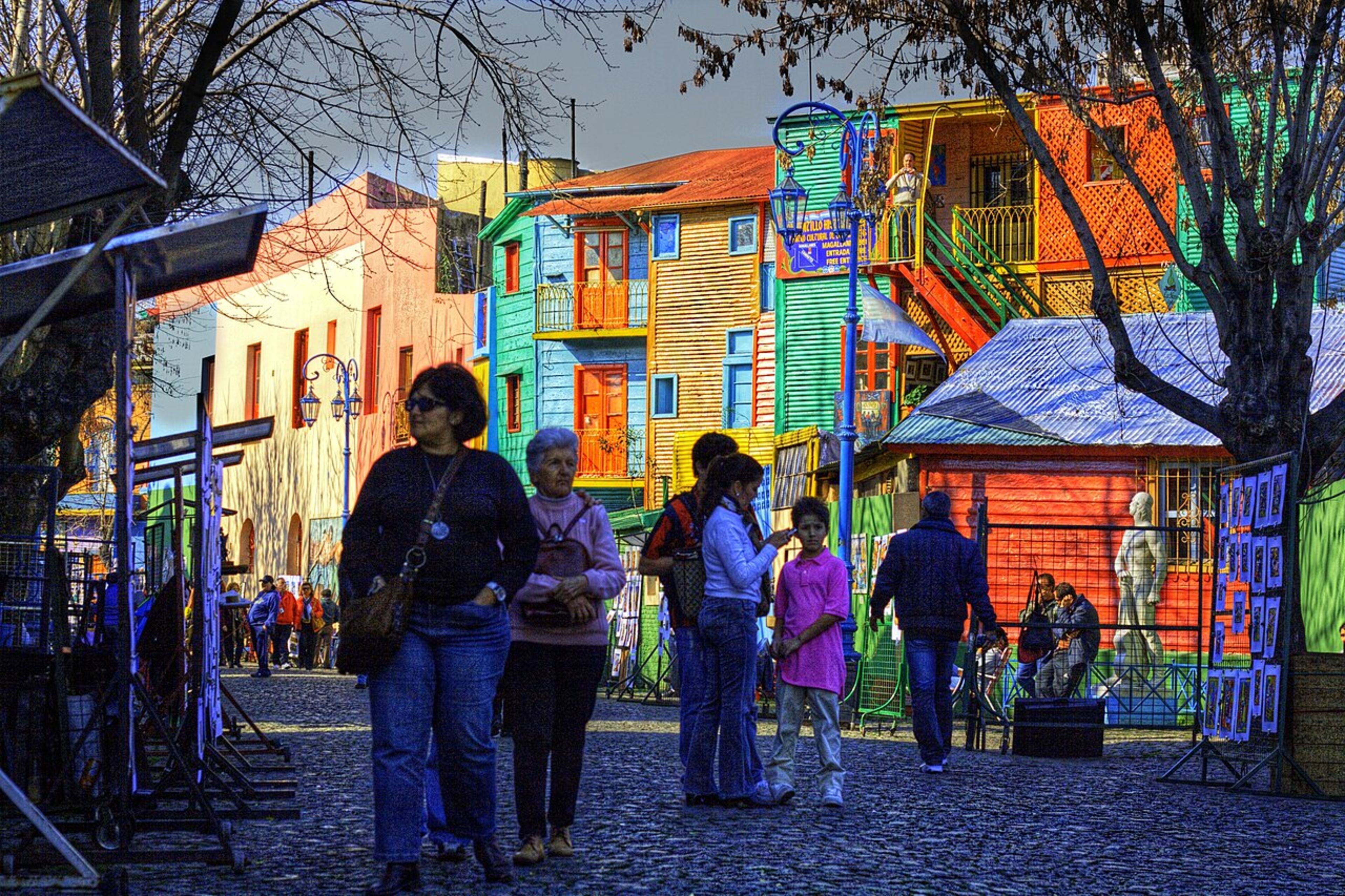
La Boca (Caminito)
This vibrant waterfront barrio pulses with the soul of Buenos Aires, its iconic narrow street lined with candy-colored buildings that have witnessed tango's birth and the city's gritty maritime past. Caminito itself is a living museum where street musicians and tango dancers perform amid galleries, souvenir shops, and the constant energy of locals and travelers mingling over café con leche. The Río de la Plata's salty breeze carries stories of Italian immigrants, bohemian artists, and the working-class resilience that still defines this fiercely authentic neighborhood.
Photo by Luis Argerich from Buenos Aires, Argentina — CC BY 2.0

MALBA (Museo de Arte Latinoamericano)
MALBA showcases an exceptional collection of Latin American art spanning the 20th and 21st centuries, featuring works by Diego Rivera, Frida Kahlo, and contemporary regional artists in a stylishly renovated mansion in the upscale Palermo neighborhood. The museum's intimate galleries create an immersive experience where you can trace the continent's artistic movements from early modernism through provocative contemporary pieces. Its thoughtfully curated exhibitions blend historical context with innovative presentations that celebrate Latin American creativity and cultural identity.
Photo by B.jars — CC BY-SA 4.0

Museo Nacional de Bellas Artes
Argentina's premier art institution in the elegant Recoleta neighborhood houses an impressive collection spanning from colonial works to contemporary pieces. The museum's sprawling galleries showcase masterpieces by Argentine artists alongside European classics, offering a rich journey through artistic movements without the overwhelming crowds of larger capitals. With free admission and thoughtfully curated exhibitions, it's a cultural gem that rewards both casual browsers and serious art enthusiasts.
Photo by Brian Barbutti, edited by Bleff — CC BY 2.0

Obelisco de Buenos Aires
This iconic 67-meter white limestone obelisk rises majestically from Plaza de la República at the intersection of two of Buenos Aires' grandest avenues, serving as the city's most recognizable symbol since 1936. Whether you're admiring it from street level where locals and tourists gather, or catching it illuminated against the evening sky, the monument captures the spirited energy that defines this vibrant capital. The surrounding plaza buzzes with street performers, vendors, and the pulsing life of porteño culture.
Photo by Banfield — CC BY-SA 2.5 ar

Palermo Soho & Hollywood
Palermo Soho and Hollywood form Buenos Aires' trendiest neighborhood, bursting with independent boutiques, art galleries, vintage shops, and world-class restaurants housed in converted belle-époque mansions. This bohemian district evolved from a residential area in the 1990s into a creative hub where porteños and tourists alike explore eclectic street art, attend cultural events, and enjoy some of Argentina's finest dining. The neighborhood's tree-lined streets, colorful facades, and vibrant nightlife embody the artistic spirit that defines contemporary Buenos Aires.
Photo by jplpagan

Plaza de Mayo
Buenos Aires' beating heart, Plaza de Mayo anchors the city's historic core with its 19th-century government buildings and the iconic white Casa Rosada presiding over the square. This is where Argentine history unfolds—from Thursday afternoon gatherings of the Madres de Plaza de Mayo demanding justice, to spontaneous celebrations of national pride that transform the plaza into a sea of flags. The surrounding architecture whispers stories of revolution, independence, and the passionate soul of porteño culture.
Photo by The Cosmonaut — CC BY-SA 2.5 ca

Puerto Madero Waterfront
Puerto Madero transformed Buenos Aires' abandoned dock district into a vibrant waterfront where cutting-edge architecture meets the Río de la Plata, creating one of South America's most dynamic urban renewal projects. Red-brick heritage buildings house world-class restaurants, galleries, and cultural venues alongside contemporary glass structures that reflect the city's forward momentum. This is where porteños come to experience the river breeze, world-class cuisine, and the palpable energy of a neighborhood that bridges industrial past and cosmopolitan future.
Photo by Rodrigo Menezes — CC BY-SA 3.0

Recoleta Cemetery (Evita's Tomb)
This hauntingly beautiful necropolis is Buenos Aires' most exclusive address, where ornate mausoleums and marble angels chronicle the city's most influential families across two centuries. Eva Perón's modest tomb draws pilgrims and admirers from around the world, creating an emotional counterpoint to the grandeur surrounding it. The cemetery itself reads like an open-air gallery of Argentine history, architecture, and the enduring passion of a nation that never forgets its legends.
Photo by amanderson2 — CC BY 2.0

Reserva Ecológica Costanera Sur
This sprawling 865-acre riverside reserve transforms what was once landfill into a thriving wetland sanctuary where over 80 bird species, capybaras, and marsh deer coexist among native trees and lagoons. Winding trails lead through varied ecosystems offering surprising encounters with wildlife just minutes from downtown Buenos Aires. The reserve provides a refreshing escape into nature while offering panoramic views of the Río de la Plata estuary.
Photo by Roberto Fiadone — CC BY-SA 4.0

San Telmo Antique Market
This legendary Sunday market transforms the historic Plaza Dorrego into a sprawling bazaar of antiques, vintage collectibles, and curious finds that tell stories of Buenos Aires' past. Wander among vendors displaying everything from tango memorabilia and Belle Époque furniture to tarnished silverware and leather-bound books, while street musicians and tango dancers add rhythm to your browsing. The market captures the soul of San Telmo's bohemian character, where every object seems to whisper tales of the city's golden age.
Photo by Jorge Royan — CC BY-SA 3.0

Tango Shows (Milongas)
Milongas are authentic Buenos Aires tango dance halls where locals and tourists gather to dance, socialize, and experience the passionate spirit of Argentina's most iconic cultural export. These venues range from elegant ballrooms to intimate neighborhood clubs, each offering live orchestras or DJ-spun tango music in atmospheric settings that capture the soul of the city. Visitors can watch professional dancers, participate in lessons, or simply absorb the romantic energy of tango culture in its birthplace.
Photo by La Viruta Tango Club — CC BY-SA 4.0

Teatro Colón (Opera House)
One of the world's most acoustically perfect theaters, Teatro Colón stands as Buenos Aires' most prestigious cultural institution with its ornate Beaux-Arts façade commanding attention on Cerrito Street. Stepping inside reveals a opulent auditorium with seven tiers of balconies, Italian marble, crystal chandeliers, and hand-painted ceilings that transport you to the golden age of opera. The theater's recent restoration has preserved its Belle Époque splendor while adding modern amenities, making it as much an architectural masterpiece as a working performance venue.
Photo by Robert Cutts — CC BY 2.0

Tigre Delta (day trip)
This sprawling maze of waterways and islands just 30 kilometers north of Buenos Aires feels like a secret escape into subtropical wilderness, where narrow channels wind between willows and offering glimpses of local wildlife. Boat tours navigate through the delta's intricate network, revealing charming island communities, traditional pulperías (general stores), and restaurants built on stilts where you can feast on fresh fish while listening to birdsong. The landscape shifts dramatically from urban porteño life to a tranquil, almost timeless river realm that locals have called home for generations.
Photo by Maggy López
Itineraries Here
Planning a Trip to Buenos Aires: FAQs
When is the best time to visit Buenos Aires?
⌄
The best time to visit Buenos Aires is fall|spring.
How many days do you need in Buenos Aires?
⌄
Plan on about 5 days to cover Buenos Aires's highlights at a comfortable pace.
How do you get to Buenos Aires?
⌄
Buenos Aires is served by Ministro Pistarini International Airport (also called Ezeiza International) and Aeroparque Jorge Newbery (domestic and regional flights), both located within an hour of the city center via taxi, bus, or shuttle services. The city is Argentina's primary hub; most international visitors arrive by air.
What are the top things to do in Buenos Aires?
⌄
Top attractions in Buenos Aires include Avenida 9 de Julio (World's Widest Avenue), Casa Rosada (Presidential Palace), El Ateneo Grand Splendid (Bookshop), Feria de San Telmo (Sunday Market) and Jardín Japonés. Itinara lists 18 verified attractions in total.