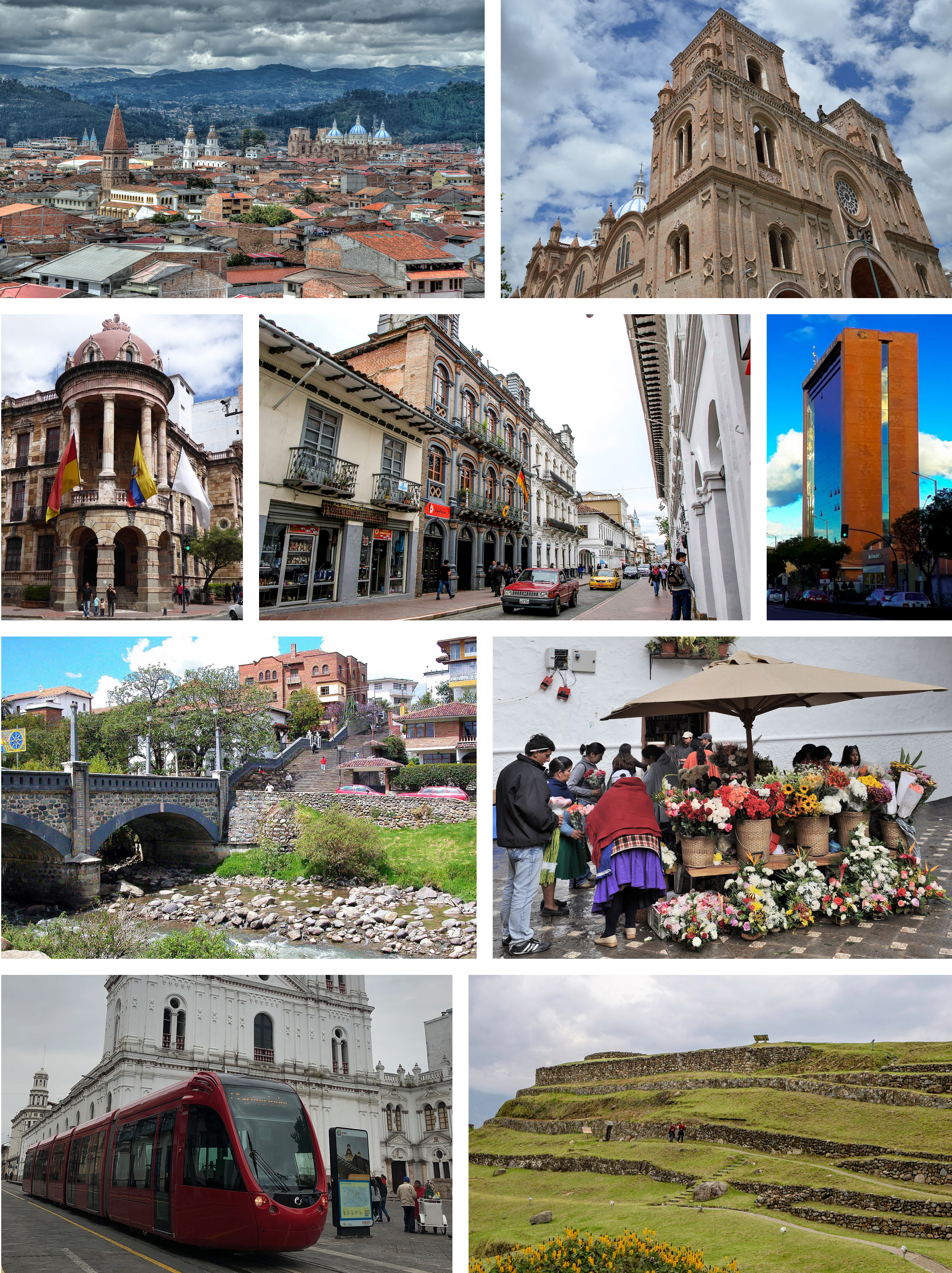
Cuenca is Ecuador's cultural heart, a UNESCO-protected colonial city cradled in the Andes where cobblestone plazas meet baroque architecture and four rivers wind through valleys of extraordinary beauty. Known as the "Athens of Ecuador," this highland gem pulses with artistic tradition, from indigenous weaving workshops to world-class museums that chronicle centuries of Andean civilizations. At 2,500 meters elevation, the city offers crisp mountain air, temperate days, and a pace that invites lingering—whether you're exploring pre-Incan ruins or watching artisans craft Panama hats by hand.
Key Attractions
View all attractions →Artisans Workshops (Ikat Weaving / Panama Hats)
Wander through Cuenca's historic artisan quarter where master weavers still practice centuries-old ikat techniques on traditional looms, their hands dancing across vibrant threads with practiced precision. Visit legendary panama hat workshops where skilled craftspeople shape and weave the iconic Ecuadorian toquilla straw hats, explaining their intricate construction process with genuine pride. These intimate studio spaces offer an authentic glimpse into the living heritage that's made Cuenca a UNESCO World Heritage site.
Baños de Cuenca Hot Springs (nearby)
These natural thermal hot springs cascade dramatically through the lush forest near Cuenca, creating a series of warm pools where steaming water meets cool mountain air. The journey involves hiking through verdant cloud forest to reach multiple bathing areas, each with its own character and temperature. Local families and visitors alike gather here to soak in the naturally heated waters while surrounded by towering trees and the soothing sound of flowing water.
Cajas National Park (day trip)
Located just 30km north of Cuenca, this stunning high-altitude park protects over 28,000 hectares of cloud forest and páramo, featuring more than 270 glacial lakes that shimmer like jewels across the mountainous landscape. The park offers a dramatic escape into untamed wilderness where rare species like Andean condors and white-tailed deer roam freely, and crystalline air provides soul-stirring views of the Andes. Visitors can experience a complete ecosystem transition in a single day, from lush cloud forest to windswept alpine meadows.
Catedral de la Inmaculada Concepción (New Cathedral)
This magnificent neogothic cathedral dominates Cuenca's skyline with its distinctive blue-domed towers and intricate architectural details, representing the city's spiritual heart and cultural pride. Built over decades with imported materials and skilled craftsmanship, the interior showcases soaring vaults, ornate altarpieces, and stunning stained glass that filters colorful light across polished stone floors. Locals and visitors alike are moved by the serene atmosphere and the cathedral's role as a gathering place for both faith and community celebration.
Historic Centre of Cuenca (UNESCO)
Cuenca's beautifully preserved colonial heart is a living tapestry of 16th-century Spanish architecture, indigenous heritage, and contemporary Ecuadorian culture woven together along steep hillside streets. Pastel-colored buildings with intricate wooden balconies frame intimate plazas where locals and visitors alike gather, while the imposing New Cathedral dominates the skyline with its distinctive blue domes. This UNESCO World Heritage site feels like stepping into a painting, where every corner reveals another perfectly composed scene of arched doorways, hidden courtyards, and centuries-old traditions still thriving.
Ingapirca Ruins (day trip)
Ecuador's most significant Incan archaeological site showcases remarkable dry-stone construction with its distinctive trapezoidal doorways and ceremonial platforms perched at 3,160 meters elevation. Wandering through these 15th-century ruins reveals the engineering brilliance of the Cañari and Incan cultures, with the main temple and residential complexes offering glimpses into pre-Columbian mountain life. The on-site museum provides fascinating context through pottery, tools, and textiles that illuminate the site's sacred and administrative importance.
Mirador de Turi
Perched on a hilltop south of Cuenca's historic center, this iconic viewpoint offers a sweeping panorama of the city's colonial architecture nestled among the Andes mountains. The vantage point reveals the four rivers that surround the city and the distinctive Cathedral of the Immaculate Conception with its blue and white domes commanding the skyline. It's the most photographed perspective of Cuenca and a genuine gathering spot where locals and visitors alike absorb the quiet majesty of this UNESCO World Heritage city.
Museo de las Culturas Aborígenes
Housed in a charming colonial mansion in Cuenca's historic center, this intimate museum showcases an impressive collection of pre-Columbian artifacts, ceramics, and textiles from Ecuador's indigenous cultures spanning thousands of years. The carefully curated exhibits tell the stories of civilizations that flourished in the Andes and Amazon regions long before Spanish arrival, offering genuine insight into daily life, spirituality, and artistic traditions. Knowledgeable staff and informative Spanish-language plaques enhance the experience, though English translations are limited.
Museo del Banco Central
Housed in a striking modernist building in Cuenca's historic center, this museum showcases Ecuador's monetary history alongside pre-Columbian artifacts and colonial treasures that tell the story of the nation's cultural evolution. The carefully curated collections span from indigenous pottery and gold work to contemporary currency, offering visitors a tangible connection to Ecuador's diverse heritage. The museum's compact layout makes it perfect for those seeking authentic cultural insights without overwhelming crowds.
Pumapungo Museum & Ruins
Nestled within Cuenca's historic core, Pumapungo is an archaeological site where Inca stonework emerges from beneath the city streets, offering tangible glimpses into pre-Hispanic civilization alongside a modest on-site museum. The ruins reveal foundations and ceremonial platforms that once anchored an important Inca administrative center, while the attached museum displays ceramic fragments, textiles, and tools that tell stories of the cultures who shaped this highland region. Walking through the excavated grounds feels like peeling back layers of history, with the city's colonial architecture providing a striking contrast to the ancient stone work below.