
Darwin pulses with the raw energy of Australia's tropical gateway, a compact city perched on the edge of Southeast Asia with harbor views and a distinctly laid-back frontier spirit. This is where the Top End's adventure begins—a place where crocodile encounters, ancient Aboriginal cultures, and World War II history converge beneath a brilliant sun. The city serves as the launching point for some of Australia's most dramatic natural landscapes, from the waterfalls and escarpments of Litchfield to the World Heritage reaches of Kakadu.
Key Attractions
View all attractions →Adelaide River Jumping Crocodiles (day trip)
Cruising the Adelaide River offers an unforgettable encounter with saltwater crocodiles in their natural habitat, where these prehistoric predators are known to leap dramatically from the water toward suspended bait. The guided boat tour takes you through mangrove-lined waterways about 60km south of Darwin, providing close-up views of massive crocodiles and abundant birdlife in a pristine tropical ecosystem. Expert guides share fascinating insights into crocodile behavior and the region's unique wildlife while ensuring a thrilling yet safe experience.
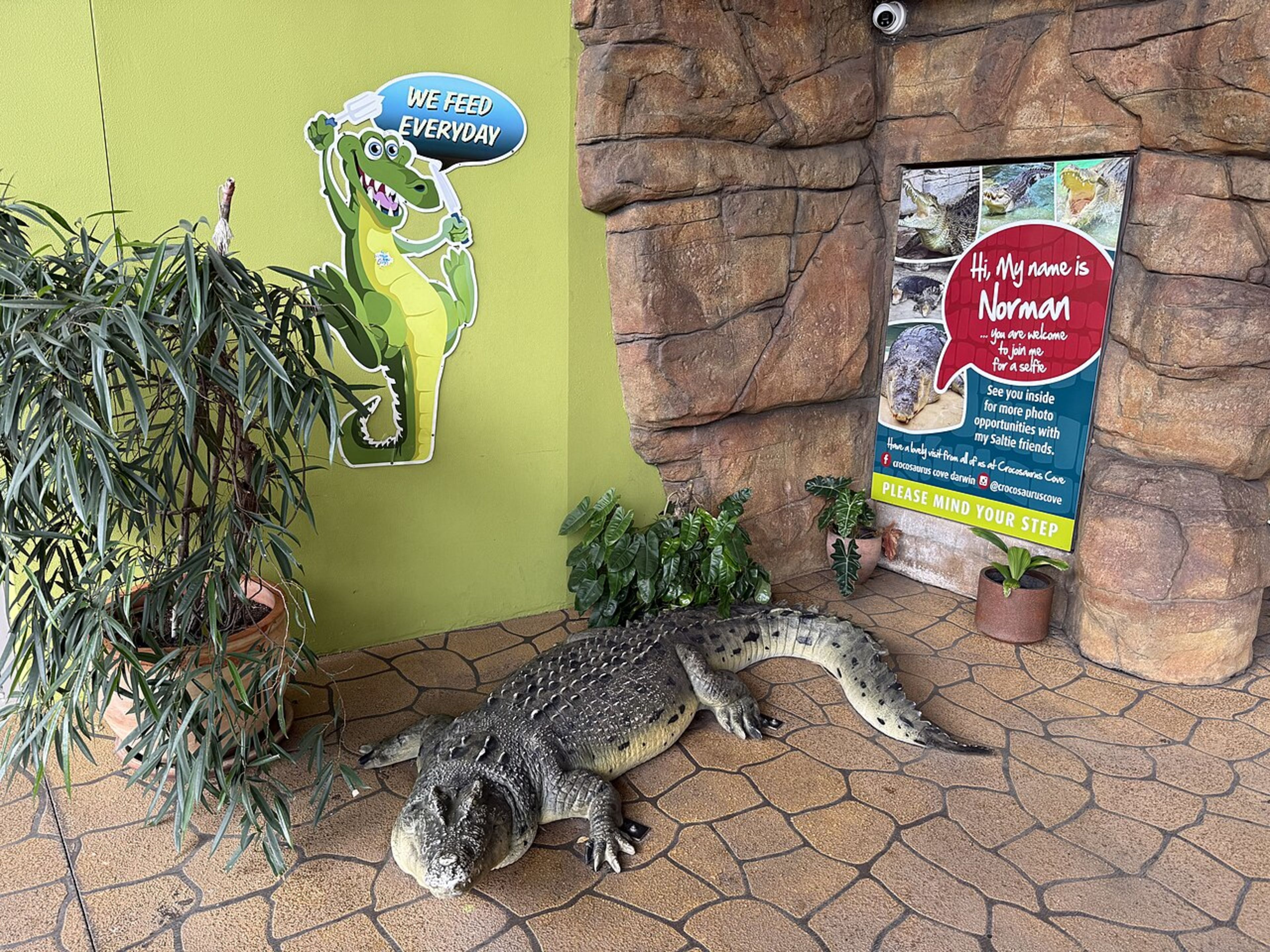
Crocosaurus Cove
This intimate wildlife facility specializes in Australian saltwater crocodiles, housing some of the largest specimens in captivity within a naturalistic setting. Beyond the formidable reptiles, you'll encounter other Northern Territory creatures including snakes, turtles, and fish in carefully designed enclosures that showcase the region's biodiversity. The hands-on feeding demonstrations and close-up encounters offer a thrilling yet educational glimpse into Australia's most iconic predators.
Photo by DaHuzyBru

Darwin Waterfront Precinct
This stunning harborside development transforms Darwin's waterfront into a vibrant gathering space where locals and visitors mingle along manicured gardens and promenades overlooking the Timor Sea. The precinct weaves together modern architecture with tropical landscaping, creating a relaxed atmosphere perfect for sunset strolls, seaside dining, and soaking in the Top End's maritime charm. Home to restaurants, cultural venues, and a protected swimming lagoon, it's become the heart of contemporary Darwin life.
Photo by Alex Healing
Kakadu National Park (day/overnight trip)
Kakadu is a vast wilderness where ancient Aboriginal rock art sites, thundering waterfalls, and pristine wetlands converge into one of Australia's most spiritually significant landscapes. The park's dramatic seasonal transformations—from the explosive green abundance of the wet season to the golden dryness of winter—create constantly shifting backdrops for exploration and discovery. Home to over 20,000 years of continuous Indigenous culture, every rock shelter and billabong here tells stories written in ochre and oral tradition.
Photo by Dietmar Rabich

Litchfield National Park (day trip)
Litchfield National Park is a stunning showcase of the Top End's raw natural beauty, featuring dramatic waterfalls, crystal-clear plunge pools, and ancient magnetic termite mounds that dot the landscape like natural sculptures. The park offers a perfect escape from Darwin with its lush gorges, eucalyptus forests, and the chance to swim in refreshing waterholes surrounded by wildlife. It's an ideal day trip destination that combines adventure, nature walks, and accessible tropical swimming experiences.
Photo by Dietmar Rabich

Mindil Beach Sunset Market
This vibrant beachfront market transforms Mindil Beach into a bustling hub of culinary delights and local crafts where you can sample cuisines from around the world while watching the sun dip into the Timor Sea. Vendors line the shore with everything from Thai satay and Indian curries to fresh tropical fruits and Aboriginal artwork, creating an authentic Darwin experience that captures the city's multicultural spirit. The relaxed atmosphere, live entertainment, and barefoot beach setting make it feel less like a typical market and more like a celebration of community and creativity.
Photo by DaHuzyBru

Museum and Art Gallery of the Northern Territory
Nestled in Darwin's cultural precinct, this museum captures the spirit of Australia's Top End through indigenous art, natural history, and contemporary exhibitions that tell the stories of the Territory's diverse communities. The gallery showcases stunning Aboriginal artwork and artifacts that reveal thousands of years of cultural heritage, while rotating exhibitions keep the experience fresh for repeat visitors. Inside, you'll find yourself transported from tropical landscapes to ancient traditions, all within a beautifully designed space that feels intimate despite its impressive collections.
Photo by DaHuzyBru
Territory Wildlife Park
This 40-hectare open-range zoo showcases native Australian wildlife in spacious, naturalistic enclosures that let you observe crocodiles, buffalo, wallabies, and colorful birdlife up close. The park emphasizes conservation and education, offering interactive experiences like hand-feeding emus and watching keeper talks that reveal the behaviors and adaptations of Territory creatures. Shaded walkways wind through landscapes that mirror the animals' natural habitats, making it as much a tropical garden experience as a wildlife encounter.
WWII Oil Storage Tunnels
Carved into the rocky hills near Darwin during World War II, these underground tunnels once safeguarded vital petroleum reserves from Japanese bombing raids. Today they stand as a haunting testament to Darwin's wartime vulnerability and ingenuity, with original storage chambers and graffiti from soldiers still visible on the weathered walls. The site offers a tangible connection to Australia's Pacific theater experience, far removed from the sanitized museum presentations.
Wave Rock (distant)
Wave Rock is a spectacular 15-meter-high granite formation that looks like a frozen ocean wave, created over millions of years by erosion and weathering. Located near Hyden in Western Australia's wheatbelt region, this iconic natural monument offers visitors a chance to climb atop the surging stone and experience panoramic views across the golden landscape. The rock's distinctive bands of color and unique wave-like shape make it one of Australia's most photographed natural wonders.
Itineraries Here
Planning a Trip to Darwin: FAQs
When is the best time to visit Darwin?
⌄
The best time to visit Darwin is fall.
How many days do you need in Darwin?
⌄
Plan on about 4 days to cover Darwin's highlights at a comfortable pace.
How do you get to Darwin?
⌄
Darwin International Airport (DRW) is the main gateway, located about 15 minutes from the city center. The city is approximately 2,000 kilometers north of Alice Springs (a full day's drive via the Stuart Highway) and serves as the northern terminus of that iconic route.
What are the top things to do in Darwin?
⌄
Top attractions in Darwin include Adelaide River Jumping Crocodiles (day trip), Crocosaurus Cove, Darwin Waterfront Precinct, Kakadu National Park (day/overnight trip) and Litchfield National Park (day trip). Itinara lists 10 verified attractions in total.