Nestled in the high desert of West Texas, the Davis Mountains offer a dramatic escape where rugged peaks touch impossibly clear skies and history whispers from every canyon. This is a landscape of authentic solitude—where star-filled nights rival any planetarium and the silence speaks louder than crowds ever could. The mountains rise unexpectedly from the surrounding plains, creating a cool refuge and a haven for those seeking genuine wilderness and frontier heritage without the tourist machinery.
Key Attractions
View all attractions →
Davis Mountains SP
Alfred William Howitt / wikimedia (Public domain)

Davis Mountains Scenic Loop
A stunning 75-mile driving route that winds through the heart of the Davis Mountains, offering breathtaking vistas of jagged peaks, high desert valleys, and dramatic geological formations. The loop connects Fort Davis with alpine meadows and provides multiple pullouts perfect for photography and contemplation of West Texas's remote grandeur.
Photo by Mizzu Cho on Pexels
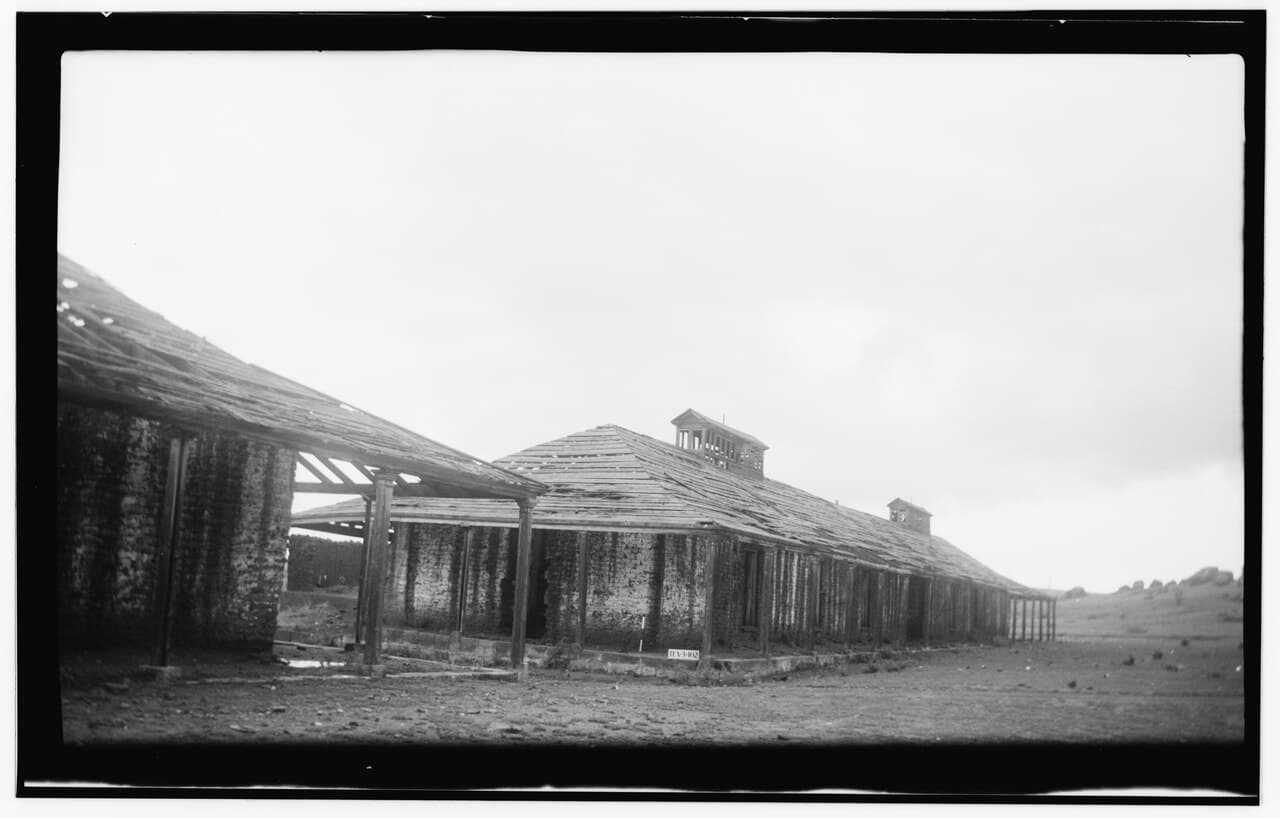
Fort Davis NHS
Unknown / wikimedia (Public domain)
McDonald Observatory
Vaucher, Gail M. Tirrell.;Vaucher, Christopher A.;Walters, Donald L. / wikimedia (Public domain)
Itineraries Here
Planning a Trip to Davis Mountains: FAQs
When is the best time to visit Davis Mountains?
⌄
The best time to visit Davis Mountains is spring.
How many days do you need in Davis Mountains?
⌄
Plan on about 3 days to cover Davis Mountains's highlights at a comfortable pace.
How do you get to Davis Mountains?
⌄
Fly into El Paso International Airport (150 miles west, ~2.5 hours drive) or Midland/Odessa airports (~180 miles north, ~3 hours). Fort Davis sits along TX-17; the nearest major city with direct flights is Dallas (~600 miles, 9 hours drive). Most visitors drive through scenic West Texas landscapes to reach the region.
What are the top things to do in Davis Mountains?
⌄
Top attractions in Davis Mountains include Davis Mountains SP, Davis Mountains Scenic Loop, Fort Davis NHS and McDonald Observatory.