
Elko is a genuine high-desert gateway where the American frontier feels tangible and the mountains loom close. This working ranching town sits at 5,000 feet in Nevada's Ruby Valley, offering unvarnished access to alpine wilderness, ghost-town history, and a landscape that rewards slow exploration. Whether you're tracing the California Trail's immigrant routes or chasing switchbacks into the Ruby Mountains, Elko delivers authenticity without pretense.
Key Attractions
View all attractions →California Trail Interpretive Center
United States. Bureau of Land Management. California Desert District / wikimedia (Public domain)
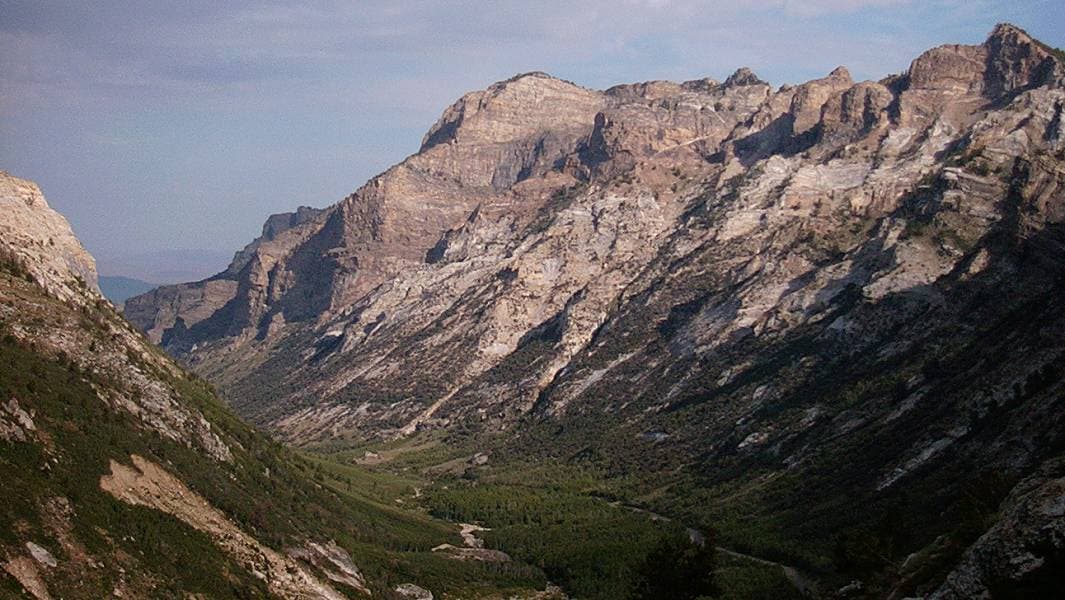
Lamoille Canyon (Ruby Mountains)
User:G. Thomas / wikimedia (Public domain)

Lamoille Lake Trail
A stunning alpine hike through the Ruby Mountains leading to pristine Lamoille Lake, offering switchbacks through wildflower meadows and dramatic granite peaks. This moderate-to-strenuous trek rewards hikers with crystal-clear waters and panoramic high-desert mountain vistas.
Photo by Olivia Wright on Pexels

Marys River Picnic Area & Scenic Loop
A picturesque riverside recreation area nestled in the mountains offering easy forest walks, picnicking along clear mountain streams, and access to the scenic byway through the Ruby Mountains. Perfect for visitors seeking outdoor relaxation without strenuous alpine hiking.
Photo by Soly Moses on Pexels
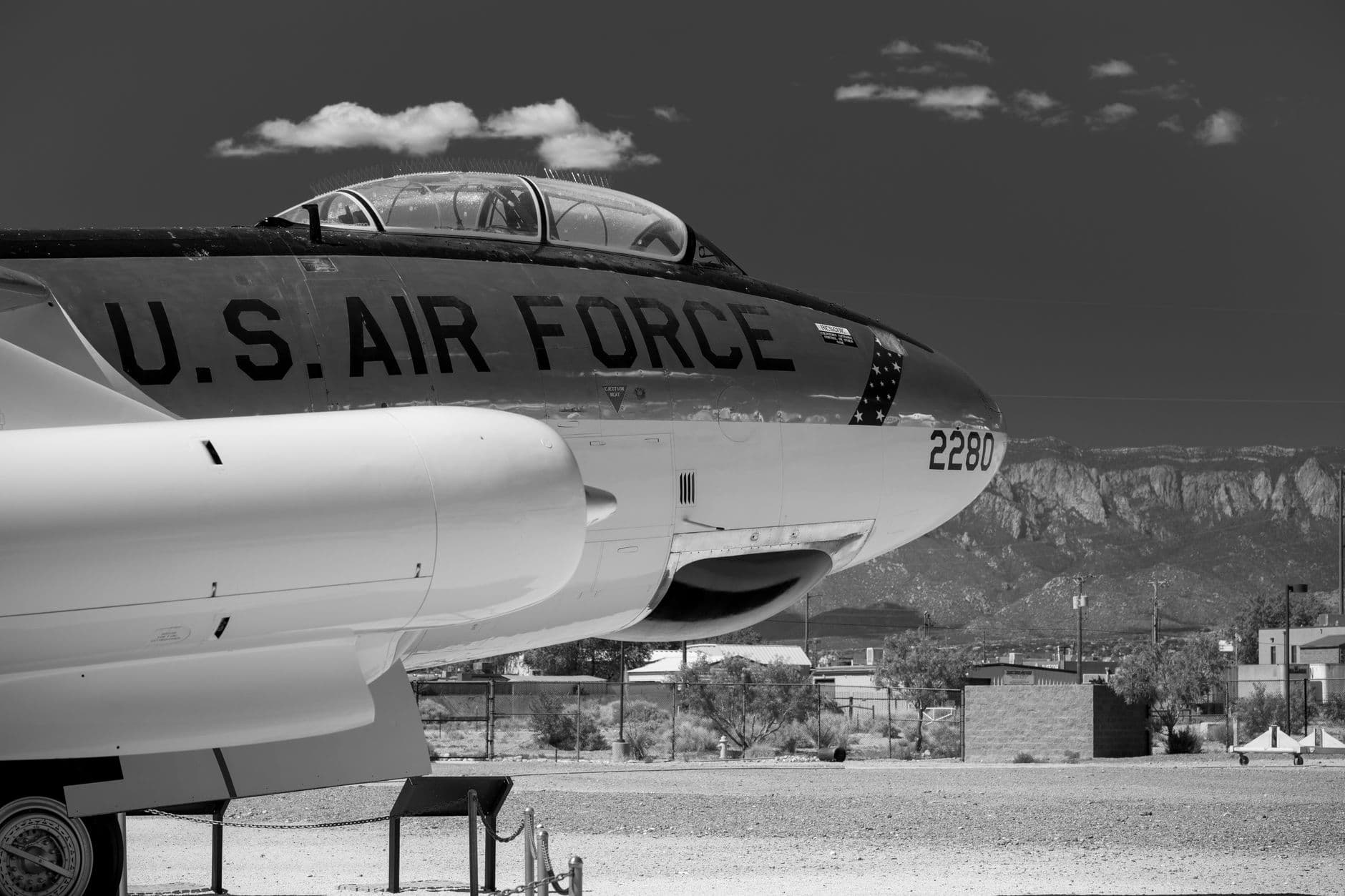
Northeastern Nevada Museum
A comprehensive museum housing Native American artifacts, mining history, frontier memorabilia, and natural history exhibits that chronicle the Elko region's evolution from indigenous lands through the gold rush and cattle ranching era. The collections provide essential context for understanding Nevada's authentic Wild West heritage.
Photo by princess on Pexels

Western Folklife Center
A vibrant cultural institution celebrating Basque heritage, cowboy culture, and the American West through exhibits, artifacts, and the annual National Cowboy Poetry Gathering. This is the heart of Elko's authentic frontier identity and a must-see for understanding the region's unique character.
Photo by B. Kane on Pexels
Itineraries Here
Planning a Trip to Elko area: FAQs
When is the best time to visit Elko area?
⌄
The best time to visit Elko area is summer.
How many days do you need in Elko area?
⌄
Plan on about 3 days to cover Elko area's highlights at a comfortable pace.
How do you get to Elko area?
⌄
Fly into Reno–Tahoe International Airport (2.5 hours south), or Boise Airport (3.5 hours north). Elko is 400 miles northeast of San Francisco via I-80, a 6-hour drive; 200 miles north of Salt Lake City via I-84 and US-93, a 3.5-hour drive. The nearest regional airport is Elko Regional Airport (EKO), served by regional carriers.
What are the top things to do in Elko area?
⌄
Top attractions in Elko area include California Trail Interpretive Center, Lamoille Canyon (Ruby Mountains), Lamoille Lake Trail, Marys River Picnic Area & Scenic Loop and Northeastern Nevada Museum. Itinara lists 6 verified attractions in total.