
Fez is a living masterpiece of medieval Islamic culture, where the labyrinthine streets of the old medina seem frozen in time yet pulse with modern life. Founded in the 8th century and shaped by waves of Arab immigration, this ancient city remains one of Morocco's largest and most spiritually significant destinations. Wandering through the UNESCO-listed medina, you'll encounter centuries-old madrasas, the world's oldest university, and artisan souks where craftspeople practice techniques unchanged for generations. The city's position in the foothills northwest of the Atlas Mountains gives it a dramatic landscape backdrop that frames its terracotta rooftops and winding passages.
Key Attractions
View all attractions →Al-Qarawiyyin University (Oldest University)
Founded in 859 CE by Fatima al-Fihri, this venerable institution claims the distinction of being the world's oldest continuously operating university, predating Oxford and Cambridge by centuries. The atmospheric campus weaves through the medina's winding streets, featuring a stunning courtyard with intricate zellige tilework, carved cedar screens, and a serene fountain that has witnessed over a millennium of scholarly pursuits. Wandering through its peaceful arcaded halls transports you directly into medieval Islamic intellectual life, where theology, law, and mathematics were debated beneath these same arches.
Photo by Etoile79 — CC BY-SA 4.0

Attarine Madrasa
Tucked into the heart of Fez's medina, this 14th-century madrasa astounds with its impossibly intricate zellige tilework and carved cedar that seems to glow from within its compact courtyard. The prayer hall's muqarnas ceiling creates a mesmerizing honeycomb effect that catches light differently throughout the day, while the quietness of the space offers rare tranquility amid the bustling souks outside. Students once studied Islamic law in these tight quarters, and their presence seems to linger in every carefully crafted detail.
Photo by Hiroki Ogawa — CC BY 3.0
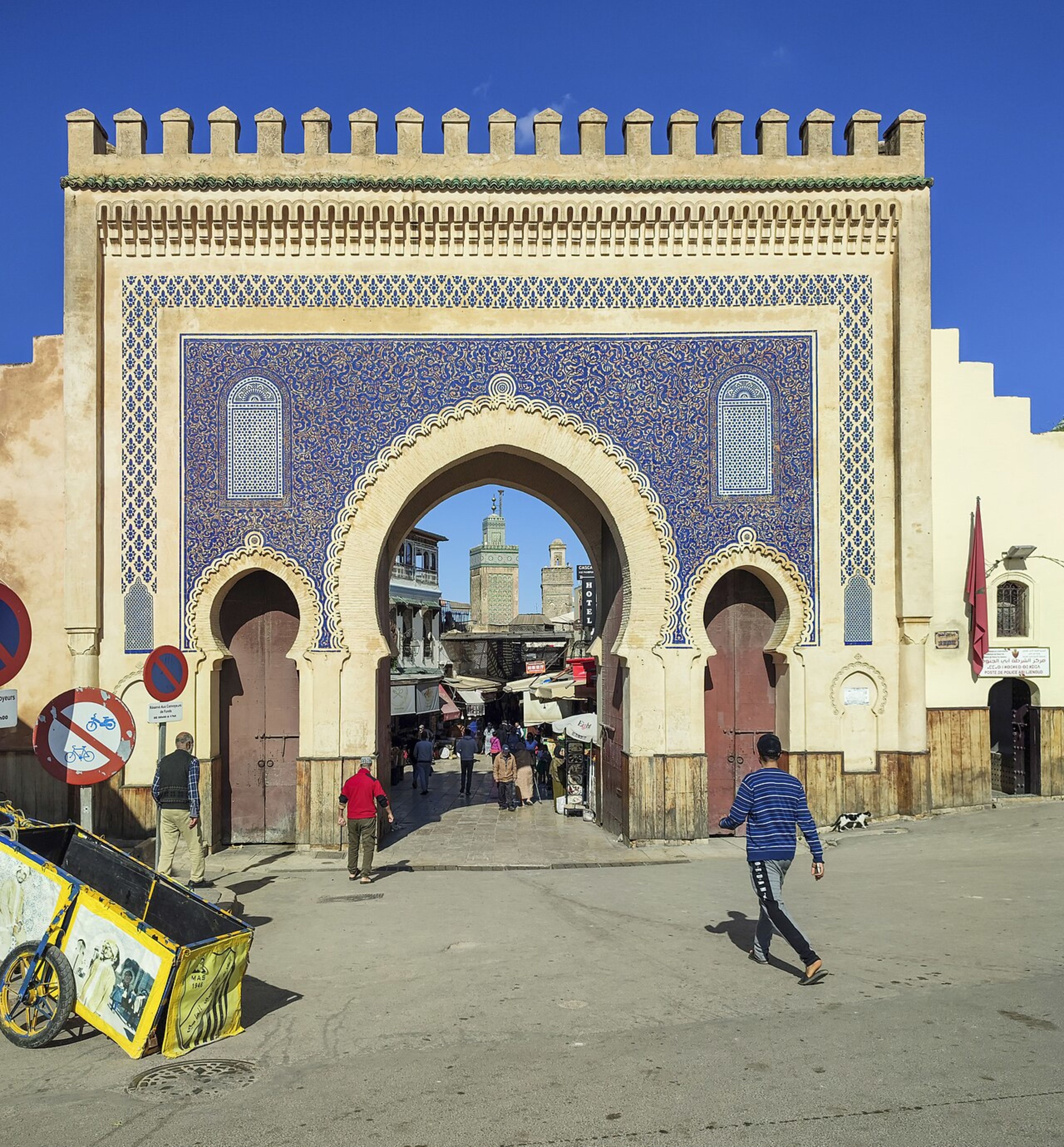
Bab Bou Jeloud (Blue Gate)
This stunning ornamental gate, dating to the French Protectorate period, marks the main entrance to Fez's ancient medina with its iconic blue and green zellige tilework on one side and warm earth tones on the other. The dual-sided design reflects the city's cultural duality, serving as both a practical passage and a symbolic threshold between the modern new town and the labyrinthine old quarter. Locals and visitors alike pause here to admire the intricate geometric patterns and snap photos before plunging into the bustling souks beyond.
Photo by Petar Milošević — CC BY-SA 4.0

Bou Inania Madrasa
This exquisite 14th-century Islamic school showcases some of Fez's finest carved cedar and zellige tilework, with a serene courtyard that feels like stepping into a medieval manuscript come to life. The intricate stucco work and geometric patterns demonstrate the height of Moroccan craftsmanship, while the peaceful atmosphere offers respite from the bustling medina streets outside. Prayer times may restrict visitor access, so timing your visit strategically rewards you with intimate moments in this spiritual sanctuary.
Photo by DavideGorla

Chouara Tannery
Tucked into the medina's labyrinthine alleys, Chouara is one of the world's oldest leather tanneries, where artisans have been hand-dyeing hides using centuries-old methods and natural pigments since medieval times. The dramatic scene of workers standing in circular vats of colored liquid—from vibrant reds and blues to earthy browns—creates an unforgettable visual that feels frozen in history. Though viewing is technically free, it's customary to tip your guide or make a small purchase from the adjoining shops.
Photo by Jorge Franganillo — CC BY 2.0
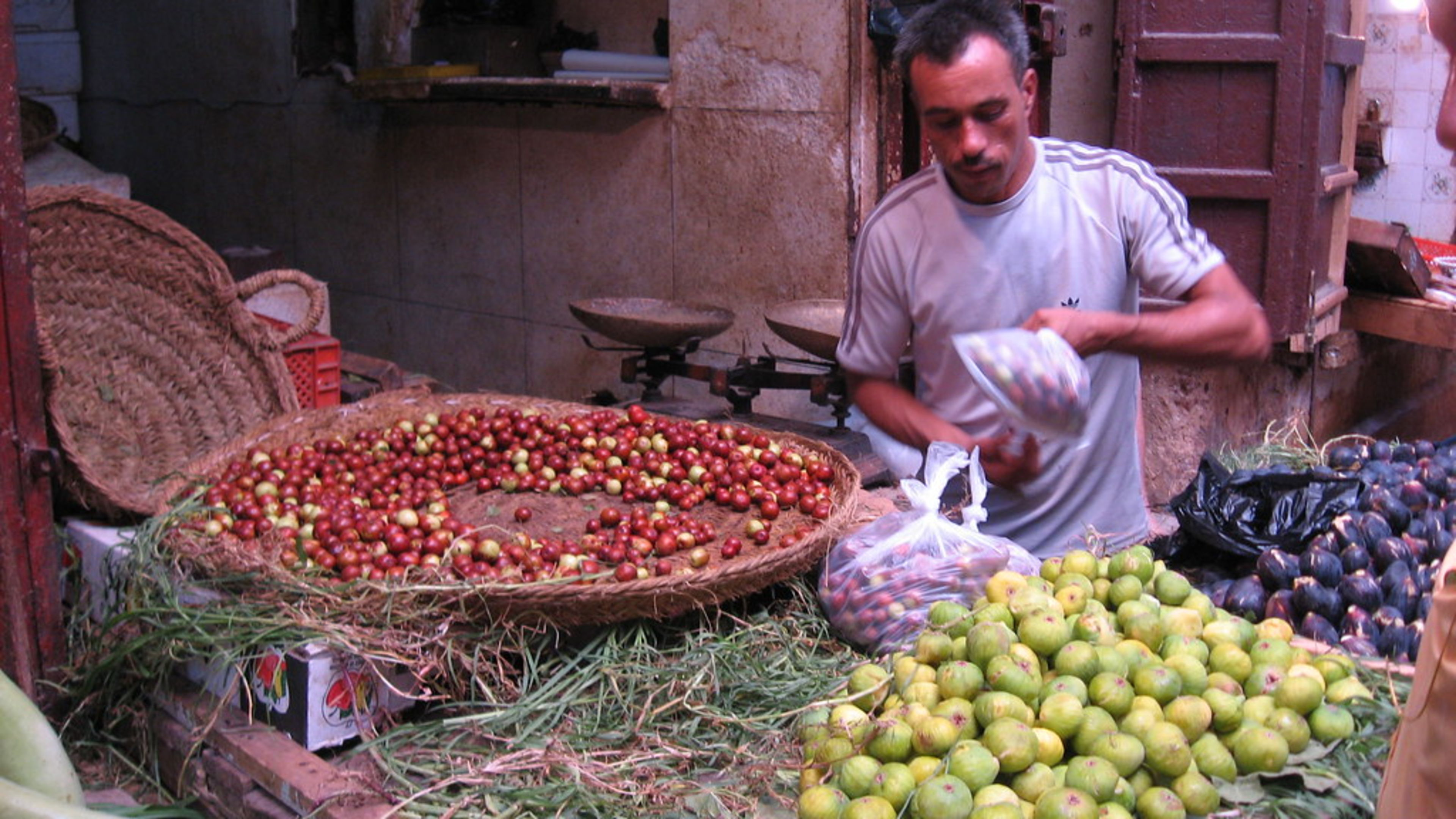
Fes el-Bali (Old Medina)
This labyrinthine medieval medina is a sensory masterpiece where 9,000 winding alleys twist between centuries-old riads, vibrant souks, and ancient mosques, creating one of the world's largest car-free urban spaces. Wandering through its heart means stumbling upon the famous leather tanneries with their rainbow vats, bustling spice markets, and hidden courtyards where daily life unfolds much as it has for over a millennium. The medina's two main quarters, Andalusian and Fez el-Jedid, each tell distinct stories of the city's Moorish and Jewish heritage.
Photo by 16:9clue

Medina of Fez (Al-Qarawiyyin – UNESCO)
The Medina of Fez is one of the world's oldest continuously inhabited urban centers, a maze-like labyrinth of over 9,400 winding streets where centuries-old traditions still pulse through daily life. Home to the prestigious Al-Qarawiyyin University and mosque, the medina layers together markets, riads, and centuries of Moroccan culture into an intoxicating sensory experience. Wandering through its blue-shuttered souks, leather tanneries, and bustling spice stalls feels like stepping into a living time capsule.
Photo by Dominique Roger — CC BY-SA 3.0 igo

Mellah (Jewish Quarter)
The Mellah is Fez's atmospheric Jewish quarter, a labyrinth of narrow streets lined with traditional residential buildings that echo centuries of Moroccan Jewish heritage and culture. Walking through its intimate alleyways, you'll encounter historic synagogues, family homes with distinctive architectural details, and the palpable sense of a once-thriving community that shaped the city's character. The quarter offers a quieter, more residential alternative to the bustling medina, with glimpses of daily life and architectural authenticity rarely seen in tourist areas.
Photo by Werner100359
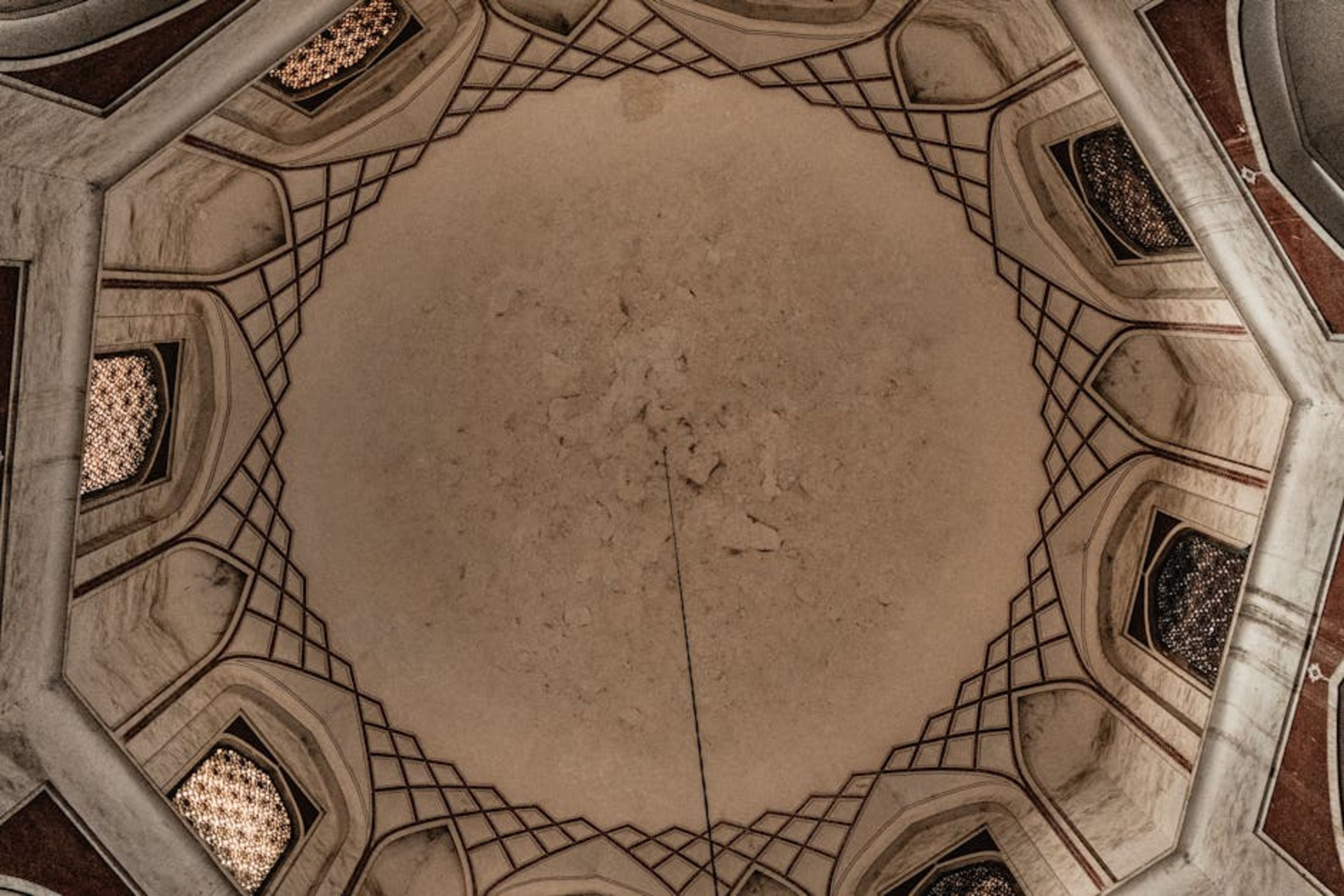
Merenid Tombs (Viewpoint)
Perched on a hillside overlooking Fez's medina, these weathered royal tombs offer one of the most breathtaking panoramas of the ancient city's terracotta rooftops and minarets. The ruins themselves are modest, but the vantage point transforms them into a photographer's paradise where you can see how the city tumbles down the hillsides in layers of history. At sunset, the entire medina glows amber and gold, making this quiet spot feel like stepping into another century.
Photo by Ranjeet Chauhan
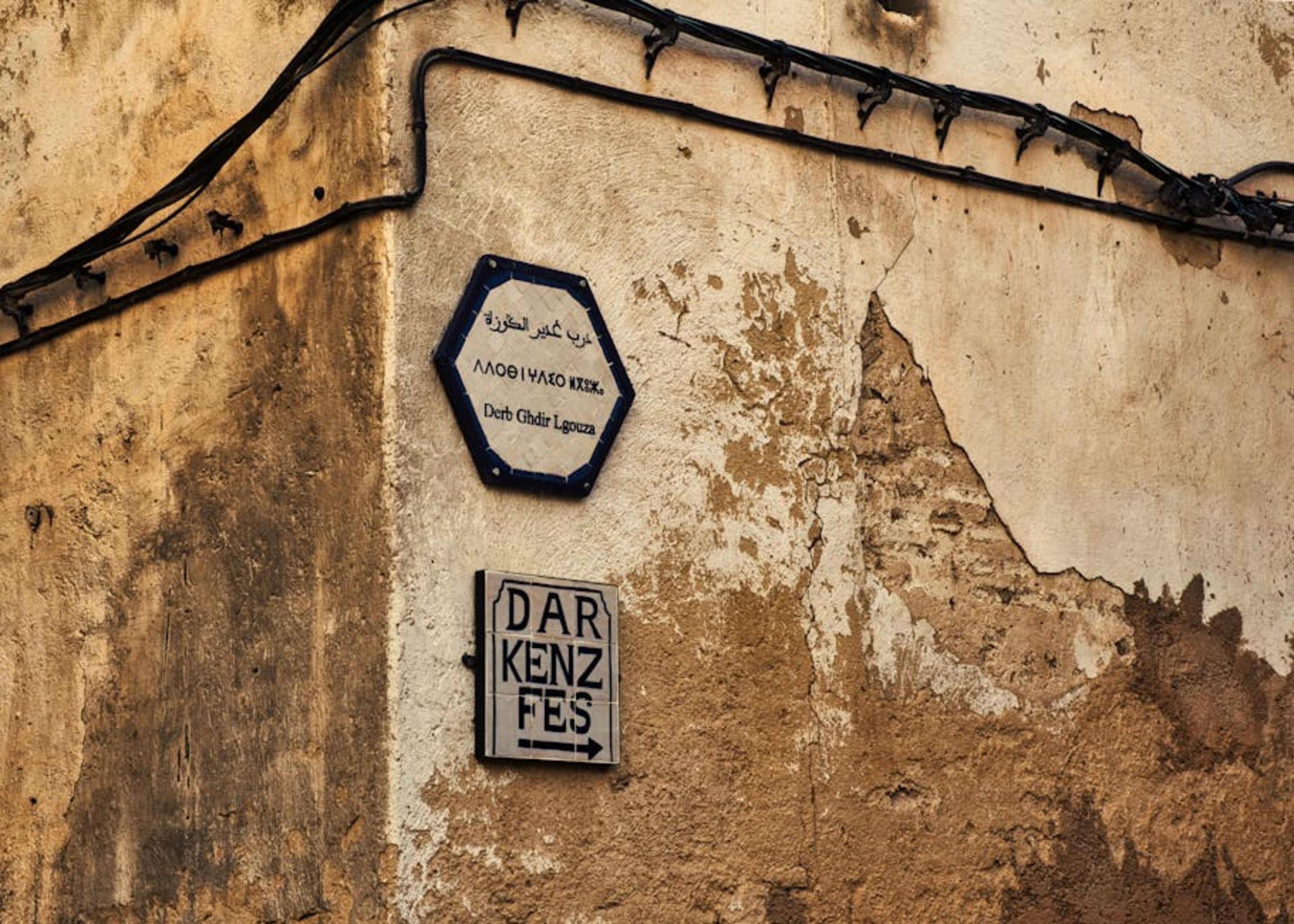
Museum of Moroccan Arts (Dar Batha)
Housed in a stunning 19th-century riad with intricate zellige tilework and carved cedarwood ceilings, this museum showcases the rich artistic heritage of Morocco through pottery, textiles, jewelry, and traditional crafts. The intimate setting allows you to appreciate both the collections and the architectural beauty of the restored palace itself. Wander through peaceful courtyards adorned with fountains and lush plants while discovering how Moroccan artisans have preserved their techniques across generations.
Photo by Travel with Lenses

Nejjarine Museum of Wooden Arts
Housed in a beautifully restored 18th-century palace, this intimate museum celebrates the intricate woodworking traditions that have defined Moroccan craftsmanship for centuries. You'll find yourself surrounded by stunning carved doors, geometric screens, and ornate furniture that showcase the patience and artistry of local artisans. The rooftop terrace offers a peaceful respite with views across Fez's medina while you absorb the quiet beauty of wooden craftsmanship.
Photo by Oumaima Loudini
Souk el-Attarine (Spice Market)
Itineraries Here

Planning a Trip to Fez: FAQs
When is the best time to visit Fez?
⌄
The best time to visit Fez is fall|spring.
How many days do you need in Fez?
⌄
Plan on about 3 days to cover Fez's highlights at a comfortable pace.
How do you get to Fez?
⌄
Fez-Saïss Airport (FEZ) is the primary gateway, with connections to major European cities and Casablanca. The city is roughly 470 kilometers south of Tangier and 210 kilometers northeast of Meknes; driving times from Casablanca are typically 4–5 hours. Local transport within the city relies on taxis, walking, and navigating the medina on foot.
What are the top things to do in Fez?
⌄
Top attractions in Fez include Al-Qarawiyyin University (Oldest University), Attarine Madrasa, Bab Bou Jeloud (Blue Gate), Bou Inania Madrasa and Chouara Tannery. Itinara lists 12 verified attractions in total.