
Gyeongju is a living museum where Korea's golden age still breathes through stone temples, peaceful ponds, and wooded mountainsides. Once the capital of the ancient Silla kingdom that dominated two-thirds of the peninsula for nearly a thousand years, this southeastern city preserves an extraordinary concentration of Buddhist art and royal heritage within easy reach of each other. Walking among UNESCO-listed temples, centuries-old hanok villages, and thousands of royal tomb mounds, you'll feel the weight and grace of a civilization that shaped East Asia.
Key Attractions
View all attractions →
Anapji Pond (Donggung & Wolji)
This serene artificial pond, originally built during the Silla Dynasty as part of a royal palace complex, captivates visitors with its mirror-like surface and atmospheric reconstructed pavilions that evoke ancient elegance. The site beautifully blends archaeological significance with meditative atmosphere, offering peaceful walks around the illuminated water at dusk when the surroundings feel especially magical. Cherry blossoms in spring and autumn foliage create particularly photogenic moments that bring the historical landscape to life.
Photo by Rick Cox

Bulguksa Temple (UNESCO)
Perched gracefully on the slopes of Mount Toham, this 8th-century Silla Dynasty temple harmonizes perfectly with its forested surroundings, its elegant pagodas and bridges reflecting centuries of devotion carved into stone. The temple's two historic stone pagodas—the Dabotap and Seokgatap—stand as masterpieces of Korean Buddhist architecture, their intricate details revealing the artistic sophistication of the ancient kingdom. Wandering through the serene courtyards and crossing the ornamental bridges feels like stepping into a living painting, where mountain mist mingles with the scent of incense and cypress trees.
Photo by renaissancechambara

Cheomseongdae Observatory
Standing gracefully in Gyeongju's heart, this ancient stone tower is one of East Asia's oldest existing observatories, built during the Silla Kingdom to track celestial movements for agricultural and religious purposes. The elegant cylindrical structure, measuring about 9 meters tall, combines practical astronomy with timeless architectural beauty that has captivated visitors for nearly 1,400 years. Its perfectly proportioned design reflects the astronomical knowledge and mathematical sophistication of Korea's medieval kingdoms.
Photo by Zsinj
Gyochon Hanok Village
This atmospheric warren of traditional Korean hanok houses transports visitors back to the Joseon dynasty, with over 150 preserved residences lining crooked lanes that shimmer with afternoon light and shadow. Wander past clay-tiled roofs and wooden gates, peeking into courtyards where locals still live and family-run cafes serve traditional teas and snacks. The village pulses with an authentic, lived-in energy that distinguishes it from more manicured heritage sites nearby.
Hwarang Training Site (Oksanjae)
This serene forest site honors the legendary Hwarang warriors of the Silla Kingdom, who trained here centuries ago to cultivate both martial prowess and scholarly virtue. The grounds feature stone monuments, meditation areas, and walking paths winding through pine groves that evoke the austere discipline of ancient warrior training. Visitors can experience the contemplative atmosphere that shaped these noble warriors who helped unify the Korean peninsula.

Namsan Mountain (Outdoor Museum)
Namsan Mountain serves as an open-air museum where ancient Buddhist temples, stone pagodas, and carved Buddha statues are scattered across forested hiking trails, creating an immersive journey through Gyeongju's rich spiritual heritage. The gentle mountain, easily accessible from the city center, rewards visitors with a combination of peaceful nature walks and unexpected encounters with weathered religious monuments hidden among towering pines. Each turn of the trail reveals yet another historical treasure, from delicate stone lanterns to centuries-old temple foundations that whisper stories of Korea's golden age.
Photo by Dalgial
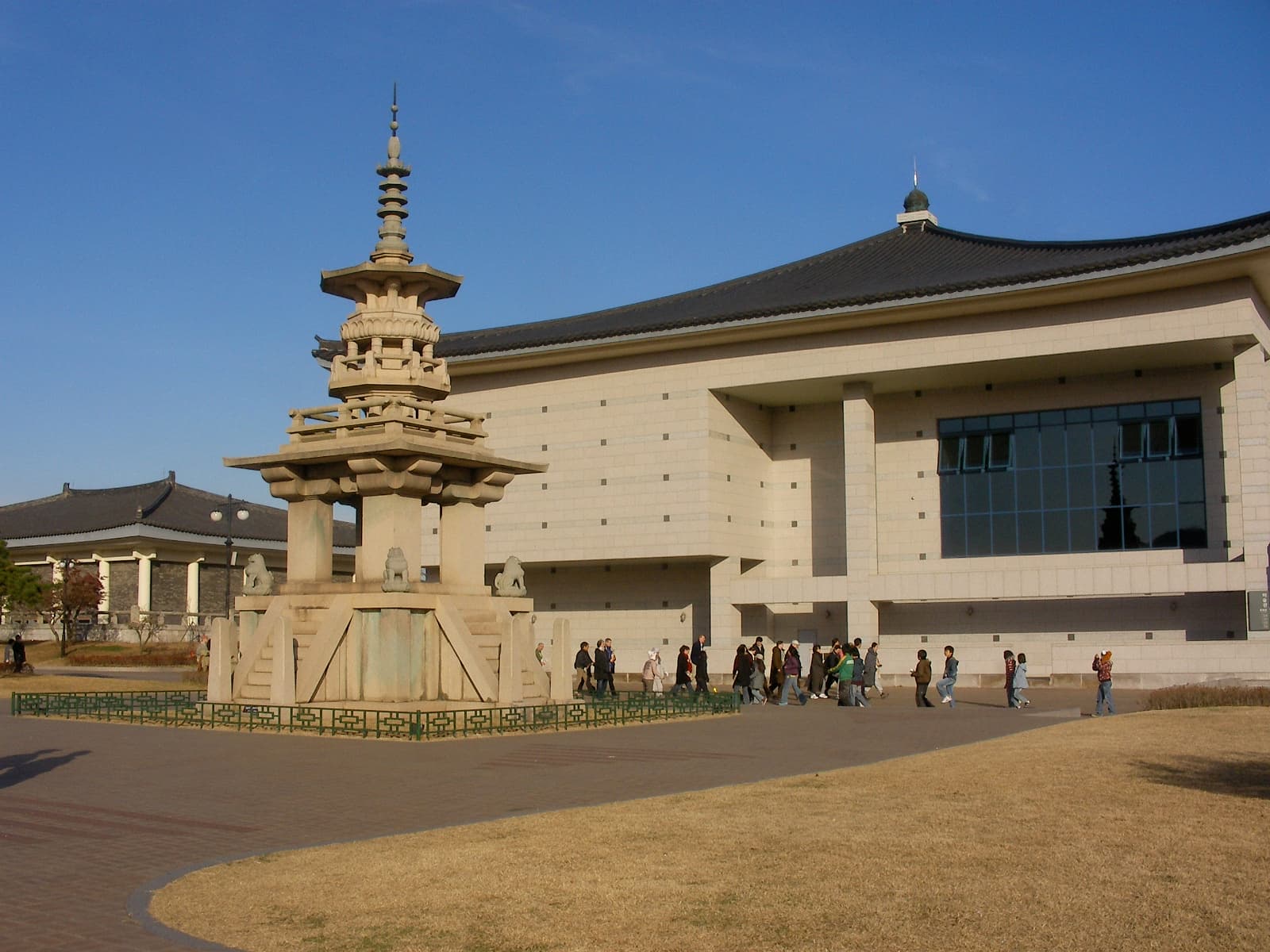
National Museum of Gyeongju
This exceptional museum houses one of Korea's finest collections of relics from the ancient kingdoms of Silla and Baekje, spanning from prehistoric times through the Unified Silla period. The thoughtfully curated galleries showcase exquisite Buddhist sculptures, intricate metalwork, celadon ceramics, and stunning gold crowns that illuminate the sophistication of East Asia's classical age. Walking through these halls, you'll discover why Gyeongju earned its reputation as the 'museum without walls' for preserving Korea's rich cultural heritage.
by martinroell, CC BY-SA 2.0, via Wikimedia Commons

Seokguram Grotto (UNESCO)
Perched high on Mount Toham, this 8th-century artificial stone temple chamber houses a serene granite Buddha statue gazing toward the East Sea, surrounded by intricately carved guardian figures and celestial beings that seem to emerge from the rock itself. The grotto represents the pinnacle of Unified Silla Buddhist architecture and craftsmanship, offering a contemplative experience enhanced by misty mountain air and sweeping coastal views. Built as a spiritual monument over 1,200 years ago, it remains one of East Asia's most remarkable examples of stone Buddhist sculpture.
Photo by by eimoberg
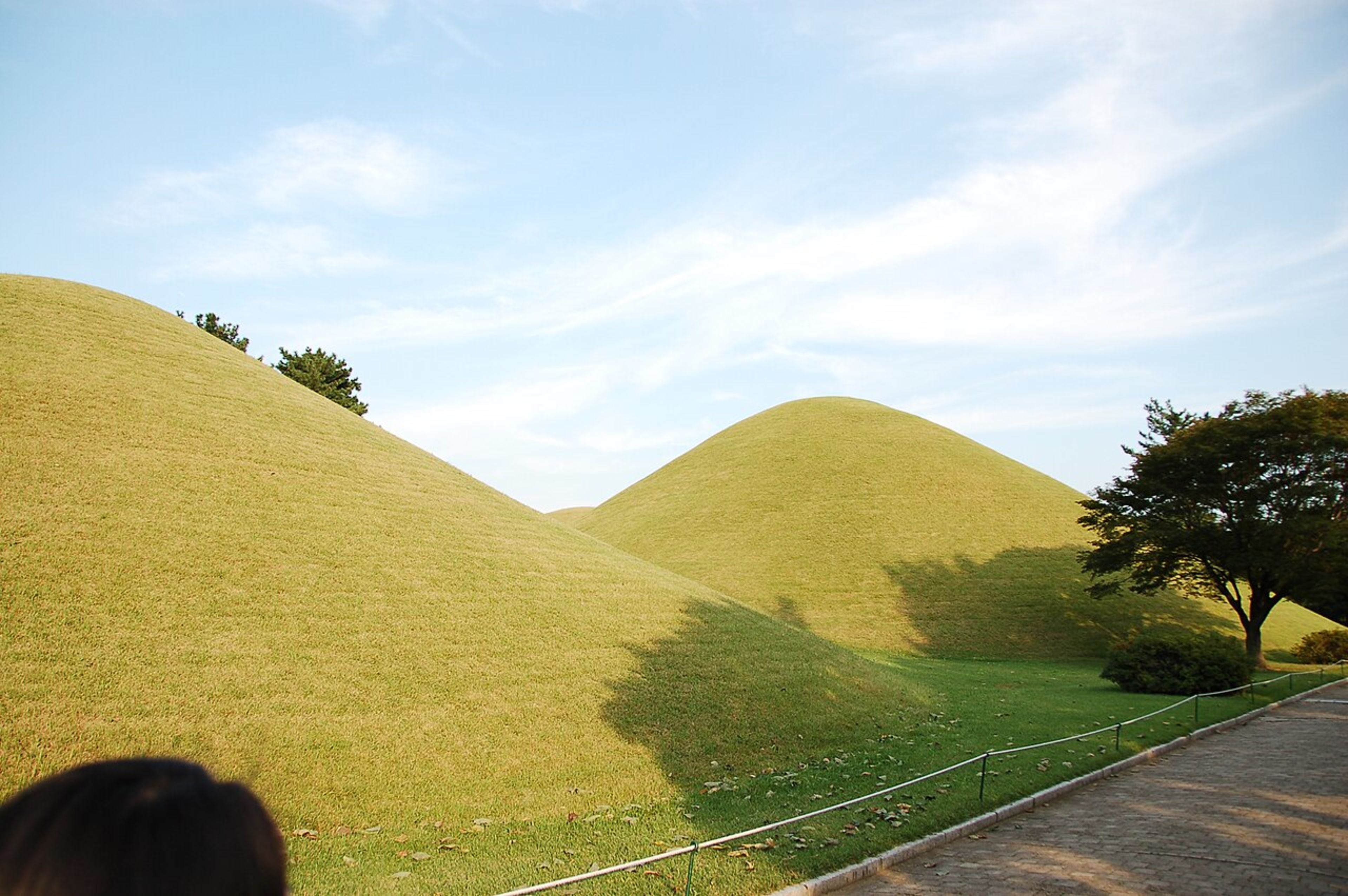
Tumuli Park (Royal Tumuli)
This serene hilltop park preserves 23 ancient royal burial mounds dating back to the Silla Kingdom, offering visitors a tangible connection to Korea's 1,000-year monarchical legacy. Walking among the perfectly manicured grass-covered tumuli creates an unexpectedly meditative experience, while informational plaques reveal the stories of long-forgotten kings and queens. The elevated location provides peaceful views over Gyeongju's landscape, making it both historically significant and visually tranquil.
Photo by riNux from Taipei, Taiwan
Yangdong Folk Village (nearby)
Yangdong Folk Village preserves over 150 traditional Korean houses dating back to the Joseon Dynasty, offering an authentic glimpse into aristocratic rural life as it existed centuries ago. Winding stone pathways connect elegantly proportioned hanok homes with their distinctive curved roofs, surrounded by stone walls and gateways that speak to the village's historical prominence. The village remains partially inhabited, giving visitors the rare experience of walking through living history rather than a museum-like recreation.
Itineraries Here
Planning a Trip to Gyeongju: FAQs
When is the best time to visit Gyeongju?
⌄
The best time to visit Gyeongju is spring.
How many days do you need in Gyeongju?
⌄
Plan on about 2 days to cover Gyeongju's highlights at a comfortable pace.
How do you get to Gyeongju?
⌄
Gyeongju is approximately 370 km southeast of Seoul and 55 km east of Daegu. The nearest major airport is Daegu International Airport, roughly 1 hour by car or bus. Direct train and express bus connections run regularly from Seoul (approximately 4–5 hours) and Busan (approximately 1 hour). A rental car is convenient for exploring scattered mountain temples and folk villages, though local buses and taxis serve the main town.
What are the top things to do in Gyeongju?
⌄
Top attractions in Gyeongju include Anapji Pond (Donggung & Wolji), Bulguksa Temple (UNESCO), Cheomseongdae Observatory, Gyochon Hanok Village and Hwarang Training Site (Oksanjae). Itinara lists 10 verified attractions in total.