
Harpers Ferry is a remarkably preserved window into American history, where the Potomac and Shenandoah Rivers converge at the border of three states. This intimate riverside town carries the weight of its pivotal role in the nation's past—from John Brown's raid to Civil War struggles—yet charms visitors with cobblestone streets, restored 19th-century buildings, and immediate access to the natural beauty of the Appalachian region. Whether you're a history devotee, outdoor adventurer, or simply seeking a peaceful escape in the lower Shenandoah Valley, Harpers Ferry offers both gravitas and genuine small-town warmth.
Key Attractions
View all attractions →Appalachian Trail Conservancy
United States National Park Service / wikimedia (Public domain)

Harpers Ferry NHP
Jessica Monte / pexels (Pexels License)
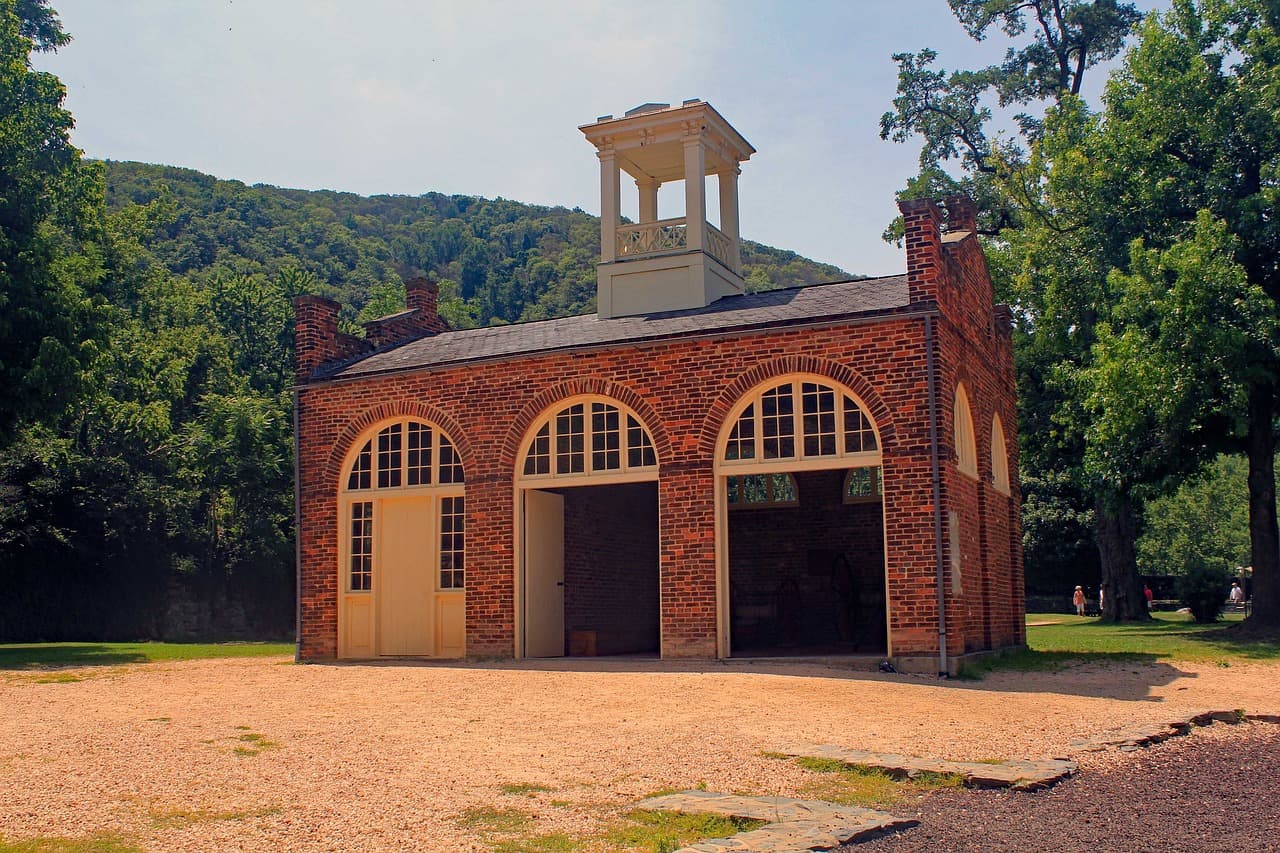
John Brown's Fort
The restored firehouse where abolitionist John Brown made his final stand during the 1859 raid that galvanized the nation toward Civil War. This iconic structure remains a powerful symbol of American resistance to slavery.
Photo by petechacalos on Pixabay
Itineraries Here
Planning a Trip to Harpers Ferry: FAQs
When is the best time to visit Harpers Ferry?
⌄
The best time to visit Harpers Ferry is fall.
How many days do you need in Harpers Ferry?
⌄
Plan on about 2 days to cover Harpers Ferry's highlights at a comfortable pace.
How do you get to Harpers Ferry?
⌄
Harpers Ferry is approximately 1.5 hours northwest of Washington D.C. (70 miles via I-81), 2 hours south of Baltimore (100 miles), and 1.5 hours east of Charleston, West Virginia. The nearest major airport is Reagan National Airport (DCA) in D.C. Amtrak's Northeast Regional also serves Harpers Ferry Station, making it accessible without a car.
What are the top things to do in Harpers Ferry?
⌄
Top attractions in Harpers Ferry include Appalachian Trail Conservancy, Harpers Ferry NHP and John Brown's Fort.