
Innsbruck is a city where Alpine grandeur meets Habsburg elegance, cradled between the peaks of the Tyrolean mountains and the Inn River that gave it its name. Emperor Maximilian I's medieval patronage left an indelible mark—from the shimmering Golden Roof to the imperial palaces that still define the skyline—transforming this strategic crossing point into a cultural treasure. Whether you're drawn by world-class skiing, museum-rich afternoons, or the Old Town's narrow lanes draped in history, Innsbruck balances mountain adventure with refined city exploration in ways few Alpine destinations can match.
Key Attractions
View all attractions →
Ambras Castle
Perched on a hilltop overlooking Innsbruck, this Renaissance palace showcases an extraordinary collection of armor, weapons, and artistic treasures accumulated by Archduke Ferdinand II. The castle's layered gardens cascade down the slope with Renaissance charm, while the sumptuous interior rooms reveal the opulent tastes of 16th-century Tyrolean nobility. Wandering these historic halls feels like stepping into a Habsburg fairy tale, with each room revealing another chapter of Alpine aristocratic life.
Photo by Henry Kellner

Bergisel Ski Jump
Perched dramatically on a mountainside overlooking Innsbruck, this iconic ski jump has hosted two Winter Olympics and offers visitors the thrilling experience of standing at the edge where athletes launch themselves into the air. The modernist architecture by Zaha Hadid creates a striking silhouette against the Alpine landscape, while the panoramic viewing platform provides sweeping vistas of the valley below. You can ride the elevator partway up the jump structure and walk among the shadows of Olympic glory, feeling the magnitude of the sport that defines this mountain city.
Photo by böhringer friedrich
Golden Roof (Goldenes Dachl)
This iconic Gothic oriel window topped with 2,657 gilded copper tiles gleams from the Old Town's medieval heart, a symbol of Innsbruck's imperial prestige dating back to Emperor Maximilian I. The intricate decorative reliefs and sculptures surrounding the balcony tell stories of royal tournaments and courtly life, offering a fascinating glimpse into Renaissance-era grandeur. Standing in the square below, you'll understand why this modest-looking building has captivated visitors for over five centuries.
Photo by Zairon
Imperial Palace (Hofburg)
The Hofburg stands as Innsbruck's most impressive architectural testament to Habsburg ambition, its elegant Renaissance and Gothic facades commanding the heart of the Old Town with quiet grandeur. Inside, ornate rooms reveal centuries of imperial taste, from gilded ceilings to intimate chambers that whisper stories of emperors and their courts. The palace captures the essence of Austrian nobility while remaining surprisingly intimate, a place where history feels lived rather than merely displayed.
Innsbruck Cathedral (Dom)
This stunning Baroque cathedral sits gracefully in Innsbruck's historic center, its twin spires a defining feature of the city's skyline since the early 18th century. Inside, ornate altars, gilded decorations, and soaring ceilings create an atmosphere of quiet reverence that speaks to centuries of Tyrolean faith and craftsmanship. The cathedral's peaceful interior offers a moment of contemplation away from the bustling streets outside.
Museum of Tyrolean Folk Art
Tucked into the heart of Innsbruck's old town, this intimate museum showcases centuries of Alpine mountain life through meticulously preserved furniture, traditional costumes, and domestic treasures that reveal how Tyrolean families lived, celebrated, and passed down their heritage. The rooms are arranged to feel like stepping through actual farmhouse interiors, complete with hand-carved wooden beds, ornate chests, and warming stoves that transport you into the intimate domestic world of mountain communities. You'll discover how resourcefulness and beauty intertwined in these mountain valleys, where embroidered linens and painted wooden objects transformed daily life into folk art.
Nordkette Cable Car (Alpine Zoo)
This unique combination attraction pairs a modern three-stage cable car system ascending Nordkette mountain with an alpine zoo showcasing regional wildlife in naturalistic habitats. The cable car ascends 2,256 meters, offering progressive panoramic views of Innsbruck and the surrounding Ötztal region. At the mountain station, you'll encounter the zoo's collection of alpine animals like marmots, lynx, and alpine ibex in environments designed to mimic their natural mountain homes.

Old Town (Altstadt Innsbruck)
Innsbruck's charming medieval heart is a maze of narrow lanes lined with Renaissance townhouses featuring ornate facades and colorful shutters that seem frozen in time. The Golden Roof, an iconic Gothic oriel window adorned with gleaming copper tiles, watches over the main square as locals and visitors alike pause to admire this 15th-century masterpiece. This walkable neighborhood pulses with authentic Austrian character, where hidden courtyards reveal cozy cafes and traditional restaurants tucked beneath centuries-old arcades.
Photo by Taxiarchos228
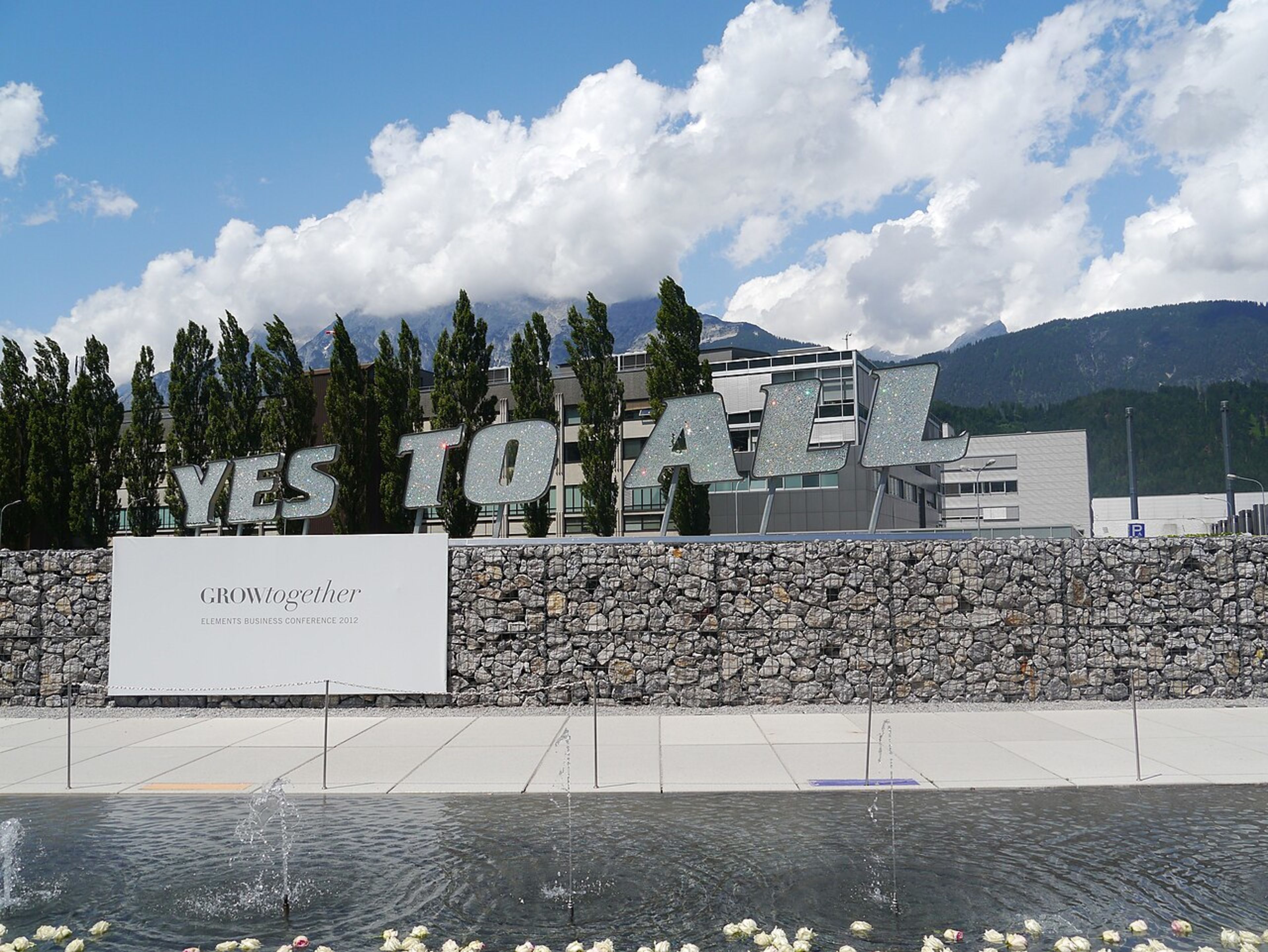
Swarovski Crystal Worlds (nearby Wattens)
Hidden beneath a grass-covered hillside near Wattens, this whimsical underground palace glitters with over 3 million Swarovski crystals arranged in mesmerizing chambers and galleries. Each themed room—from the Corridor of Spirits to the Crystal Theater—invites you into a dreamlike world where light dances through crystalline installations and contemporary art installations. The experience blends museum sophistication with childlike wonder, making it equally enchanting for crystal enthusiasts and curious travelers seeking something genuinely unique.
Photo by Zairon
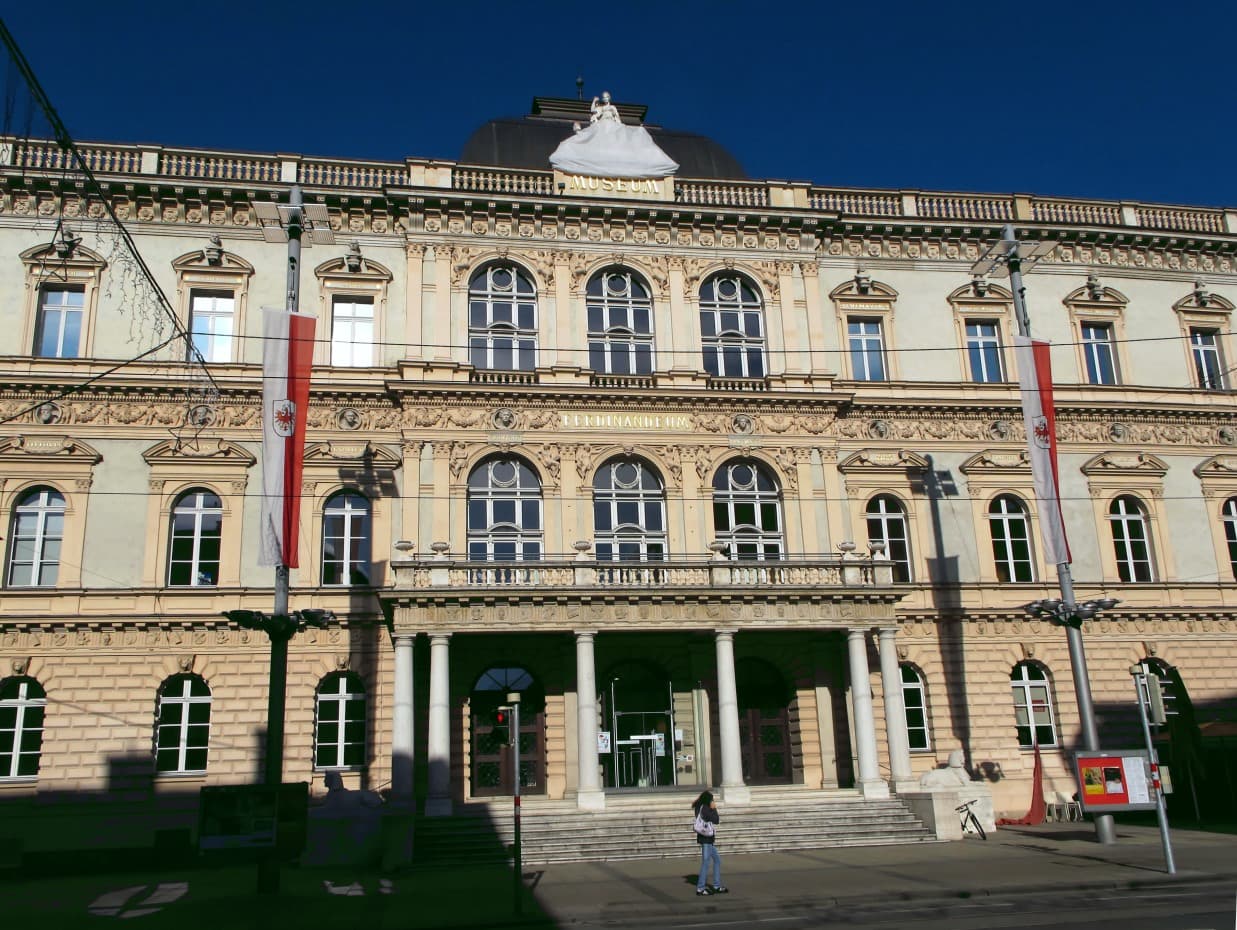
Tyrolean State Museum (Tiroler Landesmuseum)
Housed in a stunning Renaissance palace in Innsbruck's heart, this museum presents Tyrol's rich cultural and artistic heritage across multiple floors of beautifully curated galleries. From medieval religious artwork and Baroque treasures to contemporary installations, the collection weaves together the region's layered history with unexpected sophistication. The intimate scale of the museum means you're never overwhelmed, yet always discovering something remarkable around each corner.
Bbb, CC BY-SA 3.0, via Wikimedia Commons
Itineraries Here
Planning a Trip to Innsbruck: FAQs
When is the best time to visit Innsbruck?
⌄
The best time to visit Innsbruck is year-round.
How many days do you need in Innsbruck?
⌄
Plan on about 3 days to cover Innsbruck's highlights at a comfortable pace.
How do you get to Innsbruck?
⌄
Innsbruck Airport (INN) receives direct flights from major European hubs and some international connections; Munich Airport (MUC) is approximately 2.5 hours away by car or train and serves as a major gateway. The city is well-connected by rail to Salzburg (roughly 2 hours) and Vienna (about 5–6 hours). Driving from Munich or approaching via the scenic Brenner Pass (30 km south) are popular options.
What are the top things to do in Innsbruck?
⌄
Top attractions in Innsbruck include Ambras Castle, Bergisel Ski Jump, Golden Roof (Goldenes Dachl), Imperial Palace (Hofburg) and Innsbruck Cathedral (Dom). Itinara lists 10 verified attractions in total.