
Nestled at the foot of the Margalla Hills in northwestern Pakistan, Islamabad is a thoughtfully planned capital where tree-lined avenues meet dramatic mountain landscapes and ancient history. This federal territory blends modern infrastructure with natural beauty, offering visitors a gateway to both contemporary Pakistani culture and archaeological wonders that stretch back millennia. From hilltop viewpoints to sacred mosques and lush national parks, the city provides an unexpected richness for travelers willing to venture beyond South Asia's more well-trodden paths.
Key Attractions
View all attractions →
Daman-e-Koh Viewpoint
Perched high above Islamabad at 1,640 meters, this scenic viewpoint offers breathtaking panoramic vistas of the city sprawling below against a dramatic backdrop of the Margalla Hills. The natural amphitheater-like setting provides the perfect spot to watch the city lights twinkle at dusk or catch golden hour reflections across the landscape. A peaceful escape from urban bustle, it's beloved by locals for morning walks and sunset photography.
Photo by Talha Malik
Faisal Mosque
This stunning white marble mosque dominates Islamabad's skyline with its modern geometric design and sweeping courtyard that can accommodate 24,000 worshippers. The main prayer hall features intricate tilework and calligraphy, while the adjoining porticos create a serene atmosphere perfect for quiet contemplation alongside the Margalla Hills backdrop. Visitors are welcomed respectfully through designated areas and can observe the architectural harmony between Islamic tradition and contemporary design.
Photo by Ali Mujtaba

Lok Virsa Museum
Housed in a beautifully restored heritage building, Lok Virsa Museum celebrates Pakistan's rich cultural tapestry through traditional crafts, textiles, and folk art spanning centuries. The intimate galleries showcase everything from ornate truck art and miniature paintings to intricate embroidery and pottery, offering visitors a genuine glimpse into the artistic soul of rural and urban Pakistan. The museum's warm, unpretentious approach makes it feel more like stepping into a collector's personal passion project than a formal institution.
Photo by Ymblanter

Margalla Hills National Park
This verdant sanctuary sprawling across Islamabad's northern edge offers crisp mountain air and stunning city views from numerous hiking trails that range from leisurely forest walks to challenging alpine climbs. Home to diverse wildlife including leopards, wild boar, and over 250 bird species, the park provides an authentic escape where locals and visitors alike reconnect with nature just minutes from the urban hustle. The lush pine and oak forests create a cool refuge during hot summers, making it an ideal destination for outdoor enthusiasts seeking both adventure and tranquility.
Photo by Ch Nauman Ali

Pakistan Monument
This striking crescent-shaped monument in the Shakarparian Hills celebrates Pakistan's four provinces and three territories through its elegant architectural design, offering sweeping views of Islamabad's layout below. The monument's gleaming white marble and symbolic flower petals represent the unity and diversity of Pakistan's regions, making it both an aesthetic and cultural landmark. Visitors can explore the surrounding landscaped gardens that showcase indigenous plants and traditional architectural elements from across the country.
Photo by Farhan Chawla
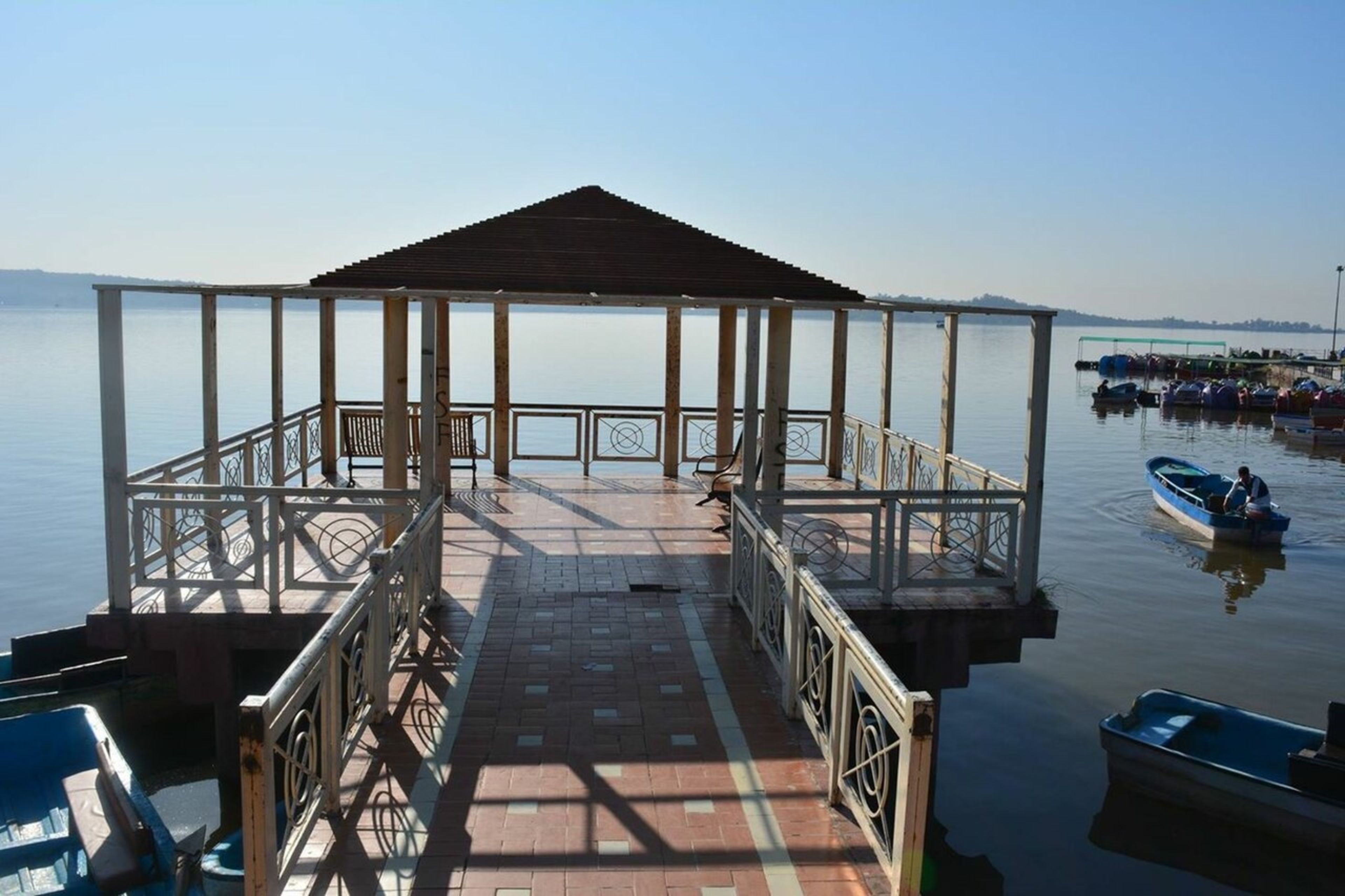
Rawal Lake
Nestled in the Margalla Hills foothills, Rawal Lake is Islamabad's serene water escape where morning joggers and afternoon picnickers gather along tree-lined paths that hug the shoreline. The lake's mirror-like waters reflect the surrounding green hills and offer a refreshing contrast to the city's bustle, making it perfect for contemplative walks or casual family outings. Local fishermen still cast their lines here while migratory birds arrive seasonally, adding wildlife interest to this peaceful urban retreat.
Photo by Mahi619
Taxila Ruins (day trip – UNESCO)
Spread across three archaeological sites near Rawalpindi, Taxila reveals the remarkable remains of a once-thriving Greco-Buddhist civilization that flourished from the 5th century BCE to the 2nd century CE. Wandering among ancient stupas, monasteries, and residential quarters, you'll encounter haunting stone carvings and foundations that whisper stories of monks, merchants, and emperors who shaped this Silk Road crossroads. The on-site museum houses exquisite sculptures and artifacts that bring the sophisticated artistic traditions of this cosmopolitan ancient city into vivid focus.
Trail 3 / Trail 5 Hiking (Margalla)
These interconnected hiking trails wind through the verdant Margalla Hills just minutes from central Islamabad, offering hikers a refreshing escape into pine forests and rocky ridges. Trail 3 and Trail 5 are popular for their scenic viewpoints overlooking the city and the Potwar Plateau, with the steady climb rewarding visitors with increasingly panoramic vistas. The trails showcase the natural beauty of Islamabad's beloved green lungs, where birdsong accompanies your steps and cool mountain breezes provide respite from the urban heat.