
Lisbon is one of Europe's oldest and most enchanting capitals, where ancient Phoenician foundations peek through centuries of layered history and Moorish, medieval, and modern influences. Perched on dramatic hillsides overlooking the Tagus River estuary, the city charms visitors with its labyrinthine cobbled streets, iconic yellow trams, and a distinctive melancholy beauty that speaks to its age and resilience. The westernmost reaches of continental Europe lie just beyond the city limits, giving Lisbon a poetic sense of being at the edge of the known world.
Key Attractions
View all attractions →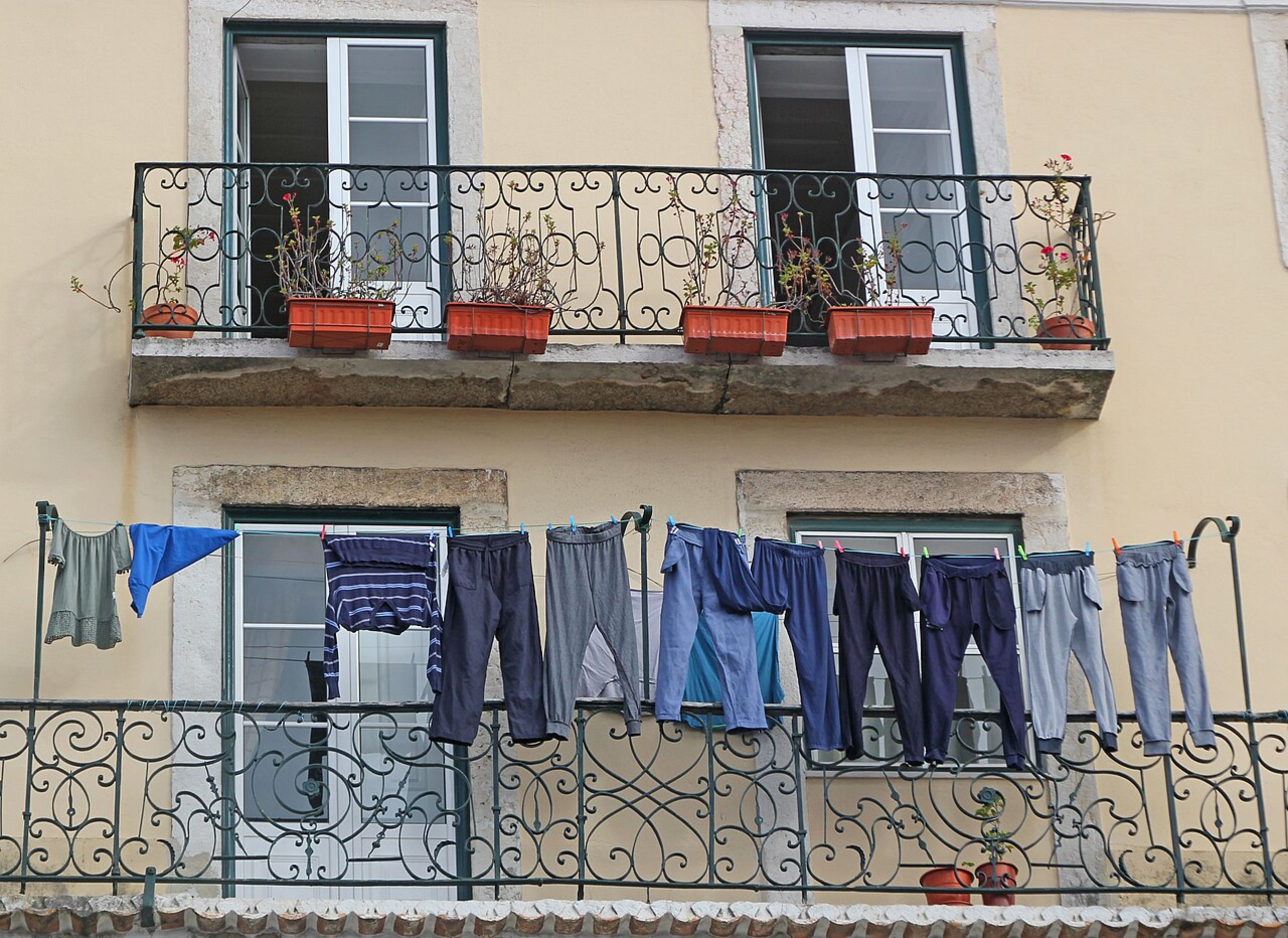
Alfama District
Alfama is Lisbon's oldest and most atmospheric neighborhood, where centuries-old azulejo tiles cling to weathered facades and narrow medieval streets wind like a maze toward the Tagus River. Hidden courtyards reveal laundry lines strung between buildings, locals chatting in doorways, and the authentic pulse of a community that has resisted gentrification. Street musicians strum fado melodies from shadowed corners while the aroma of grilled fish and pastéis de nata drifts from family-run tascas tucked into ancient stone walls.
Photo by Lark Ascending — Public domain
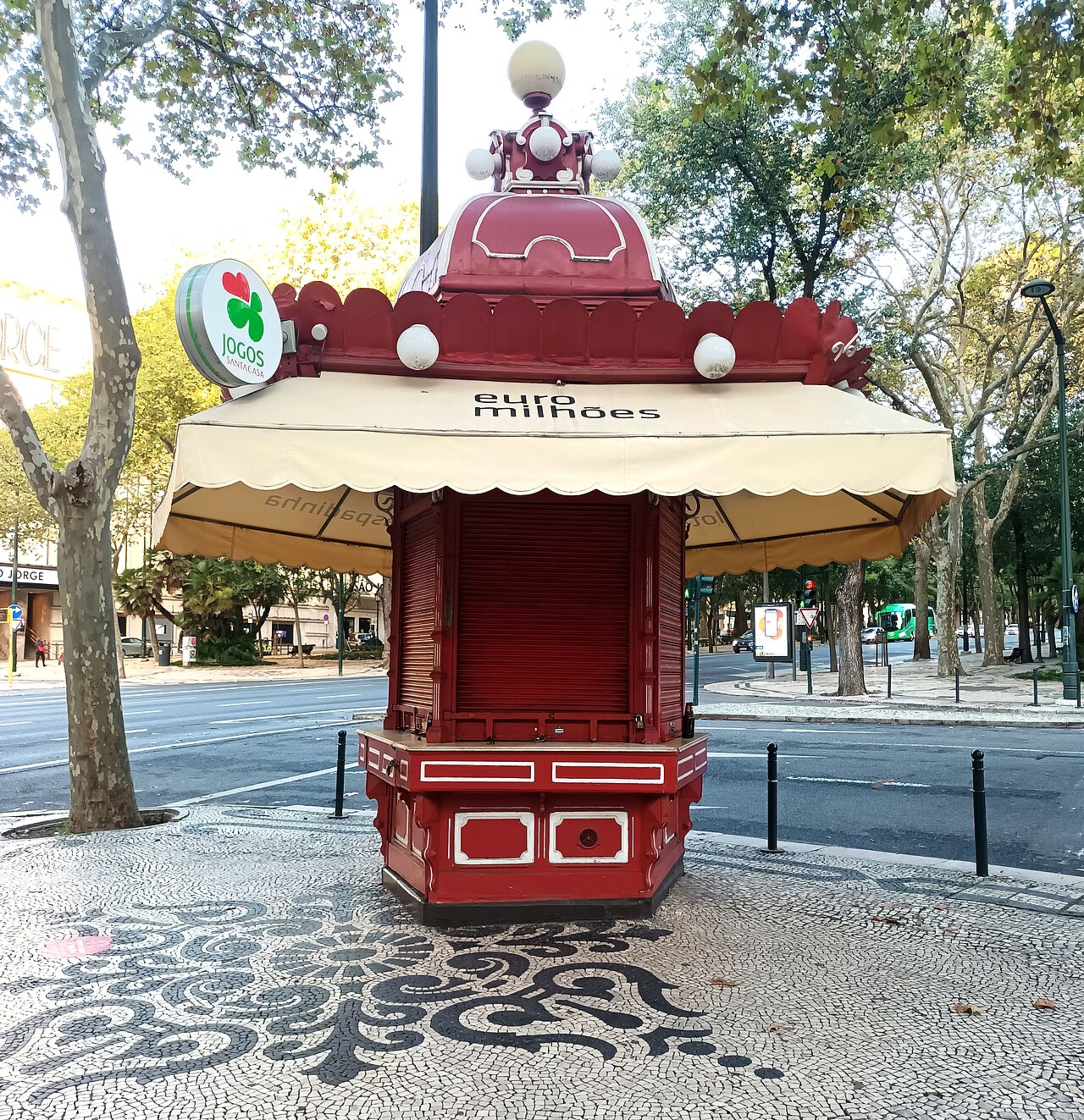
Avenida da Liberdade
This grand 90-meter-wide boulevard stretches through Lisbon's heart, lined with elegant trees, upscale shops, and vibrant cafés where locals and visitors converge for people-watching and leisurely strolls. Built in the late 19th century by visionary engineer Frederico Ressano Garcia, it captures the spirit of European modernization while maintaining distinctly Portuguese charm. The avenue serves as the city's main artery connecting downtown to the Parque Eduardo VII, offering countless opportunities to soak in Lisbon's refined urban atmosphere.
Photo by Acediscovery

Bairro Alto
Bairro Alto pulses with creative energy, its narrow winding streets lined with vintage shops, bohemian cafes, and traditional tasca restaurants tucked into centuries-old buildings. By day it's a charming destination for wandering and discovering local culture, but as dusk falls the neighborhood transforms into Lisbon's electric nightlife hub with fado music spilling from intimate venues and rooftop bars. This hillside quarter captures the authentic soul of Lisbon where locals still outnumber tourists in many corners.
Photo by dane brian
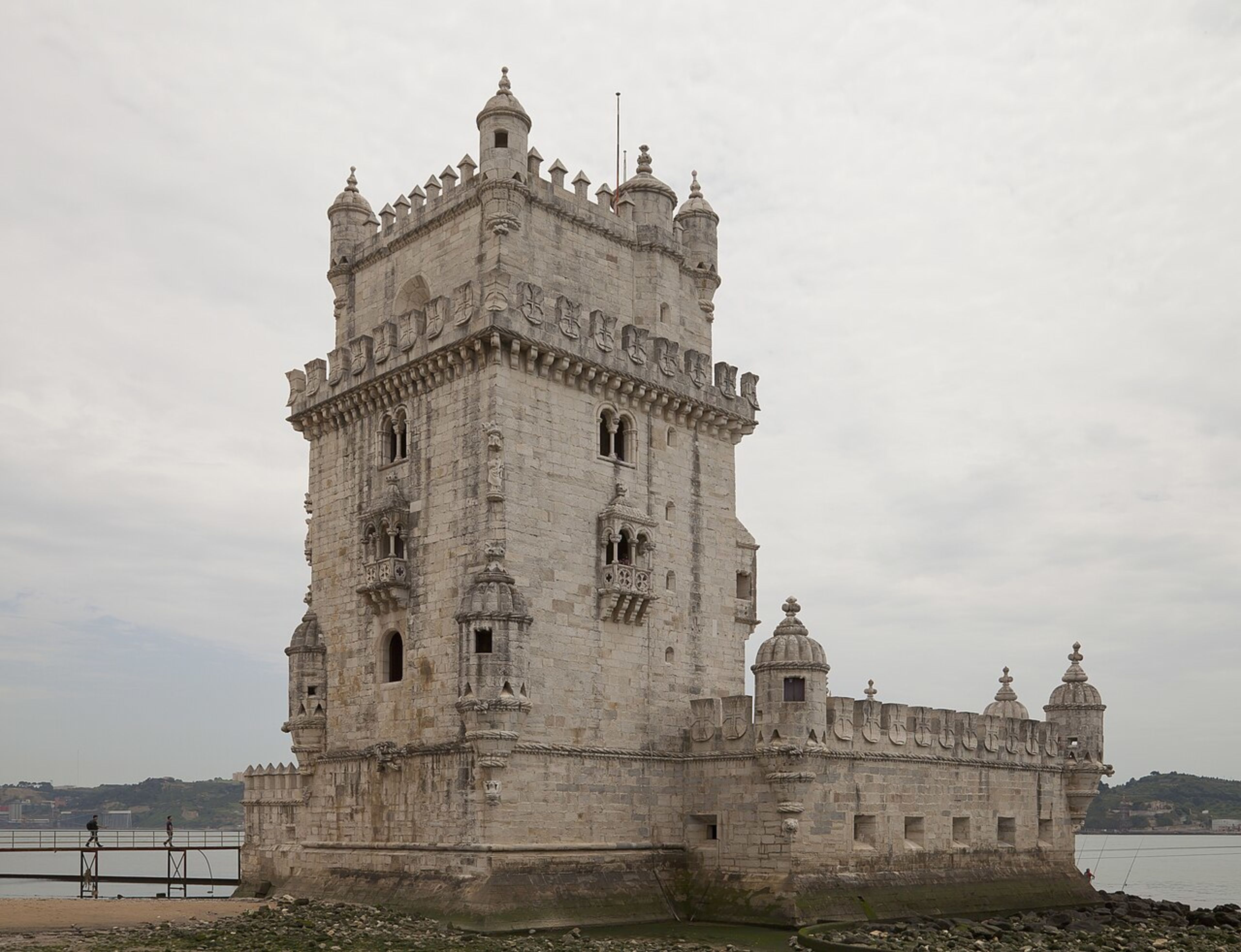
Belém Tower
This striking 16th-century fortress once guarded Lisbon's harbor and witnessed the departure of legendary Portuguese explorers on their voyages of discovery. With its distinctive turrets and ornate Manueline architecture, the tower stands as a romantic sentinel on the Tagus River, its weathered stone walls whispering tales of maritime adventure. Today, it remains one of Lisbon's most iconic symbols and a UNESCO World Heritage site.
Photo by Diego Delso — CC BY-SA 3.0
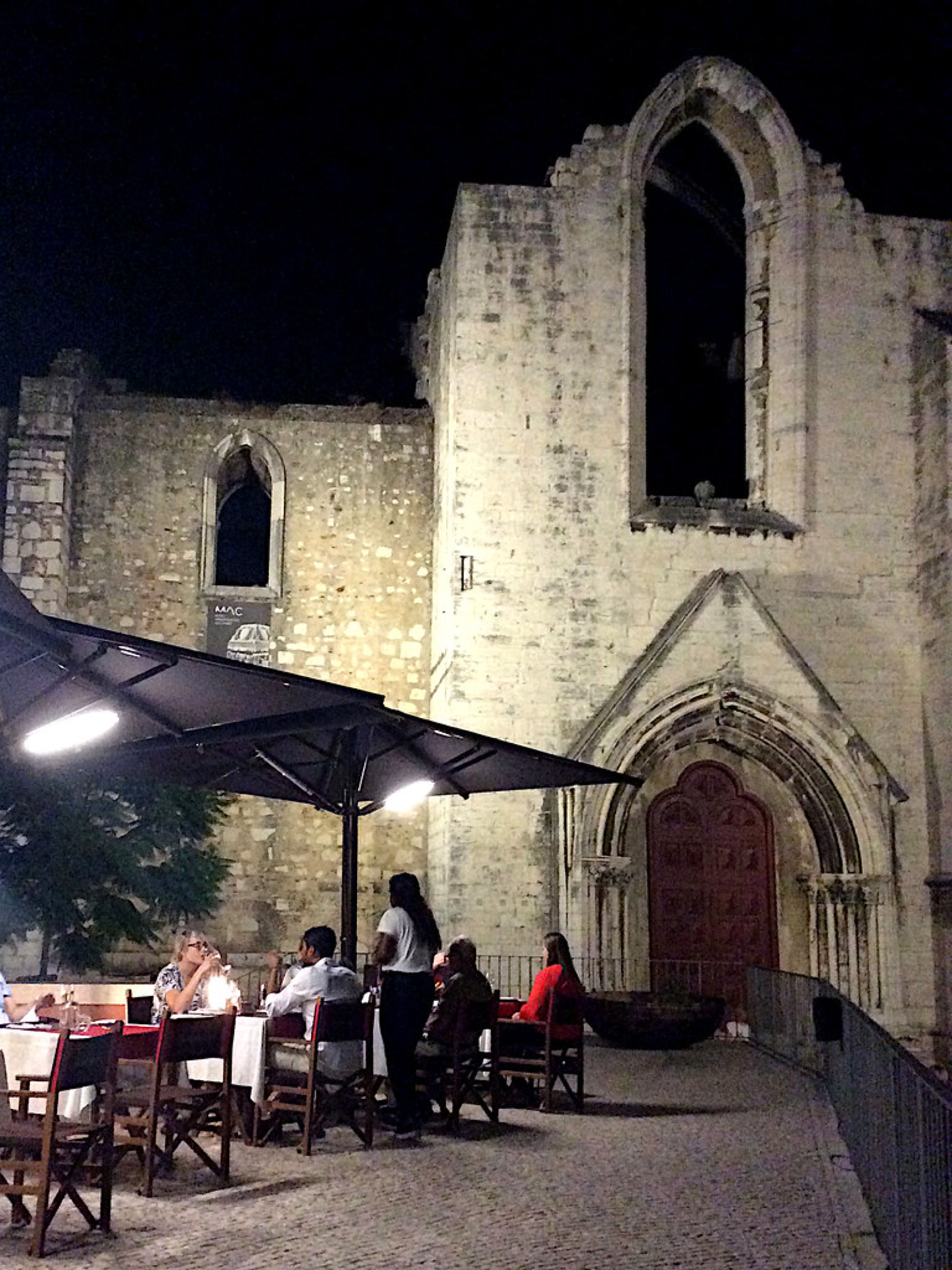
Chiado District
Chiado is Lisbon's most storied artistic quarter, where narrow lanes lined with bookshops, vintage cafés, and azulejo-tiled buildings echo with the creative spirit that inspired Portuguese poets and writers for centuries. This enchanting neighborhood seamlessly blends bohemian charm with contemporary culture, offering browsing through eclectic vintage stores, catching a show at the historic São Luiz Theatre, or settling into a beloved pastelaria with a pastéis de nata. The district's soul lies in its human scale—intimate squares, quirky street art, and the warm hospitality of locals who still gather in the same coffeehouses their grandparents frequented.
Photo by hortulus
Convento do Carmo
This haunting Gothic convent stands as a poignant reminder of Lisbon's resilience, its soaring arches and delicate ribbed vaults left open to the sky after the devastating 1755 earthquake. The skeletal remains of the church create an ethereal atmosphere where nature slowly reclaims the sacred space, while the attached archaeological museum displays artifacts spanning centuries of religious life. Walking through the roofless nave feels like stepping into history itself, with the Tagus River and city rooftops framing the dramatic stone framework.
Photo by andrea.prave

Electric Tram 28
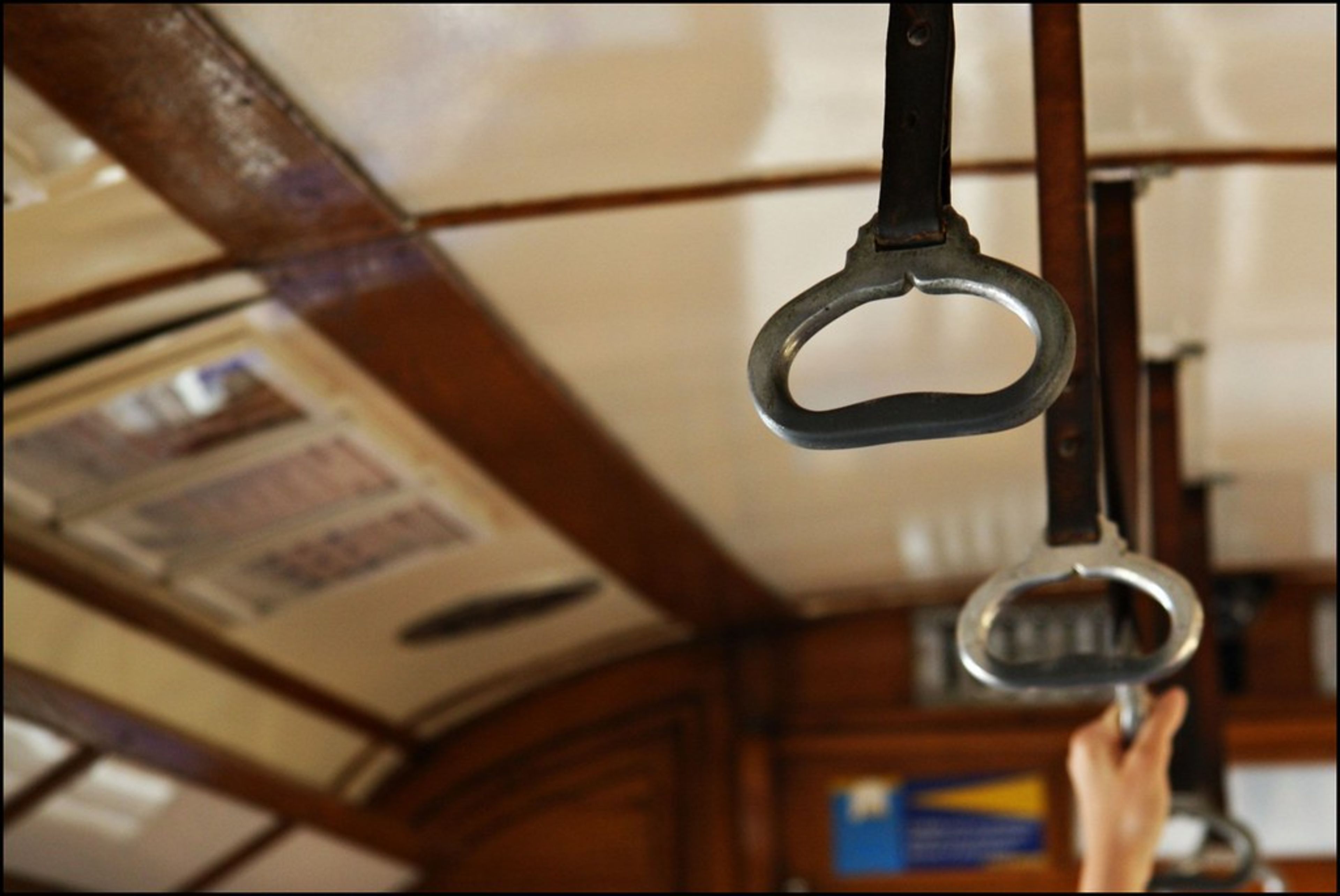
This iconic mustard-yellow tram has rattled up and down Lisbon's steepest streets since the early 1900s, offering locals and visitors alike a charming 7-kilometer journey through the city's most atmospheric neighborhoods. Climbing aboard is like stepping into a time capsule—the wooden seats creak, the overhead cables buzz with electricity, and the bell clangs at each stop as the tram navigates impossibly tight medieval alleyways. From the Baixa district through Graça and down to Campo de Ourique, you'll witness Lisbon's soul unfolding through vintage storefronts, laundry-strung balconies, and sudden panoramic viewpoints over the Tagus River.
Photo by LHOON from Mechelen, Belgium

Electricity Museum (MAAT)
Housed in a striking contemporary white building overlooking the Tagus River, this museum traces Portugal's electrification journey from the 19th century to today through interactive exhibits and vintage equipment. The collection brilliantly blends industrial heritage with modern design, making the history of electricity tangible and surprisingly engaging for all ages. Its riverside location offers stunning views and a refreshing escape from Lisbon's bustling center.
Photo by Julia Alves
Elevador da Bica
This charming funicular railway climbs steeply through the heart of Lisbon's historic Bairro Alto district, offering an authentic local experience quite different from the more touristy Tram 28. The cable car descends from Calçada do Combro down to Rua de São Paulo, providing intimate glimpses into residential life and quick access to the riverside neighborhoods below.
Photo by nieos

Elevador de Santa Justa
This ornate iron elevator whisks you 32 meters above Lisbon's chaotic Baixa district to the elegant Carmo Convent, offering an unexpected moment of vertical grace in the historic center. Rising since 1902, its Art Nouveau ironwork and creaking mechanical charm transport you through more than a century of the city's daily rhythms. The viewing platform at the top reveals a sudden, sweeping perspective of terracotta rooftops cascading toward the Tagus River.
Photo by Portuguese_eyes

Fado Museum
Nestled in the atmospheric Alfama district, this intimate museum captures the soul of Fado through vintage instruments, photographs, and personal memorabilia of legendary singers. The collection traces Fado's evolution from working-class tavern music to Portugal's most beloved cultural treasure, with interactive exhibits and audio recordings that bring the melancholic melodies to life. The museum's setting in a charming historic building reflects the authentic spirit of the neighborhood where Fado was born.
Photo by dduque

Jerónimos Monastery
This stunning UNESCO World Heritage monastery showcases the ornate Manueline architectural style with its intricately carved limestone façade and soaring vaulted ceilings that seem to defy gravity. Built to commemorate Vasco da Gama's voyages, the monastery's cloisters feature delicate tracery and arcades that transport you back to Portugal's Age of Exploration. Inside, you'll find the Portuguese National Archaeological Museum and a tranquil sense of spirituality that lingers in its sacred spaces.
Photo by Zak Mir
Lisbon Cathedral (Sé de Lisboa)
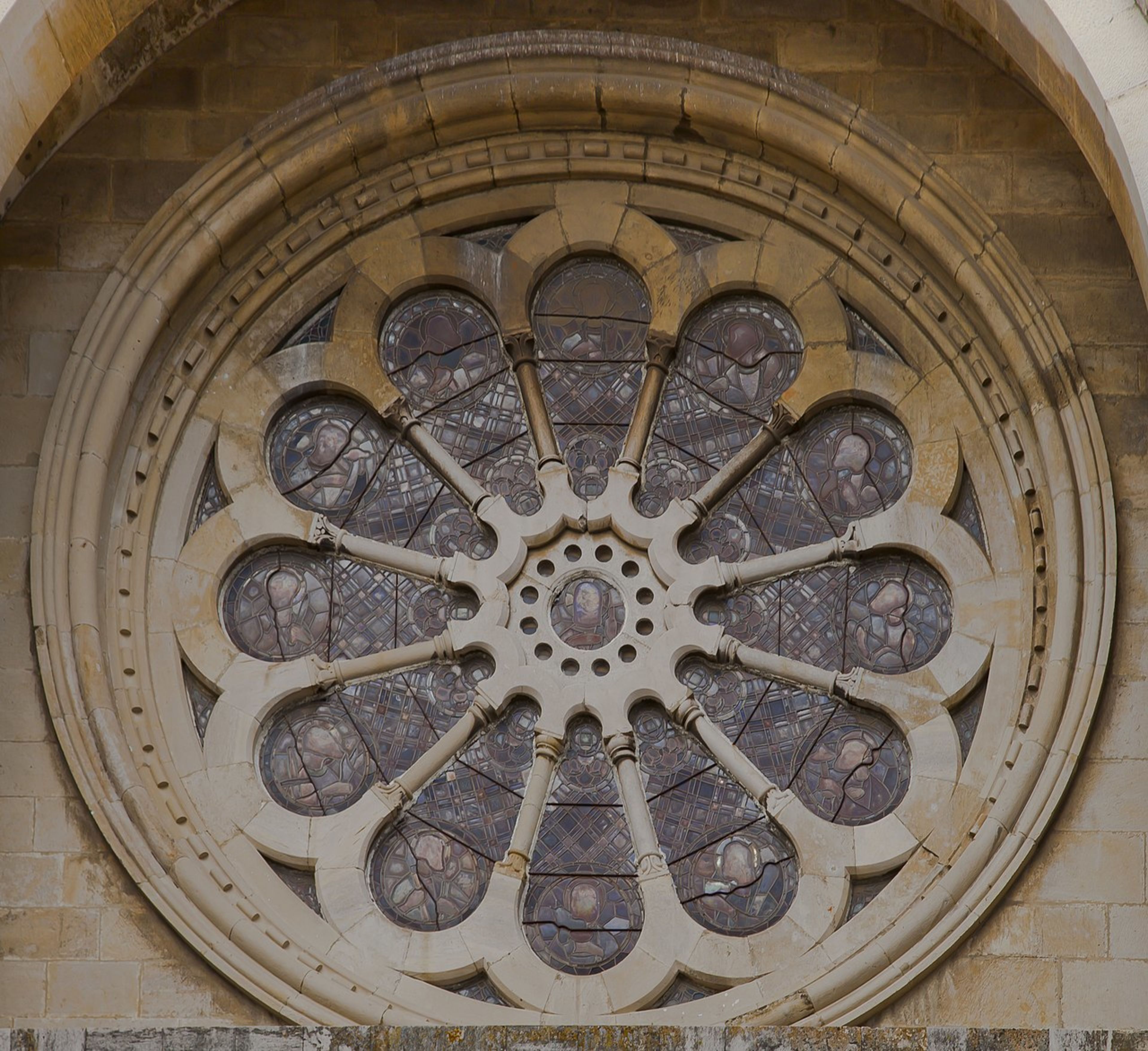
Lisbon's imposing Romanesque cathedral rises majestically in the historic Alfama district, its fortress-like facade telling stories of centuries past, from Moorish occupation to modern restoration. Inside, the serene atmosphere contrasts with the weathered grandeur of Gothic chapels and ornate tombs, where you can trace the city's spiritual evolution through art and architecture. The cathedral's treasury holds sacred reliquaries and religious artifacts that whisper tales of Portuguese devotion across the ages.
Photo by Diego Delso
Miradouro da Graça
Perched high above Lisbon's oldest neighborhoods, this intimate viewpoint offers one of the city's most authentic and peaceful panoramas, where locals outnumber tourists and the Tagus River stretches beneath layers of terracotta rooftops. The worn wooden benches and simple stone terrace invite lingering, especially at dusk when the light turns everything golden and the city's chaotic energy melts into contemplative silence. Small kiosks nearby serve cold drinks and simple snacks, making it easy to settle in and watch Lisbon's light show unfold.

Miradouro das Portas do Sol
Perched above the winding streets of Alfama, this intimate viewpoint frames the Tagus River and eastern city skyline through a canopy of climbing vines and orange blossoms, offering one of Lisbon's most photogenic and serene perspectives. The terrace, dotted with locals and travelers alike, captures the essence of old Lisbon with its proximity to historic churches and traditional azulejo-tiled buildings tumbling down toward the water.
Photo by José Luiz

Miradouro de Santa Luzia
Perched high above the Alfama district, this beloved overlook offers sweeping views of terracotta rooftops cascading toward the Tagus River and the iconic 25 de Abril Bridge in the distance. Shaded by ancient trees and adorned with traditional blue and white azulejo tiles, the miradouro captures the romantic essence of old Lisbon with its timeless charm. The vantage point reveals layers of the city's history, from medieval castle walls to modern suspension bridges framing centuries of architecture.
Photo by bvi4092
Monument to the Discoveries
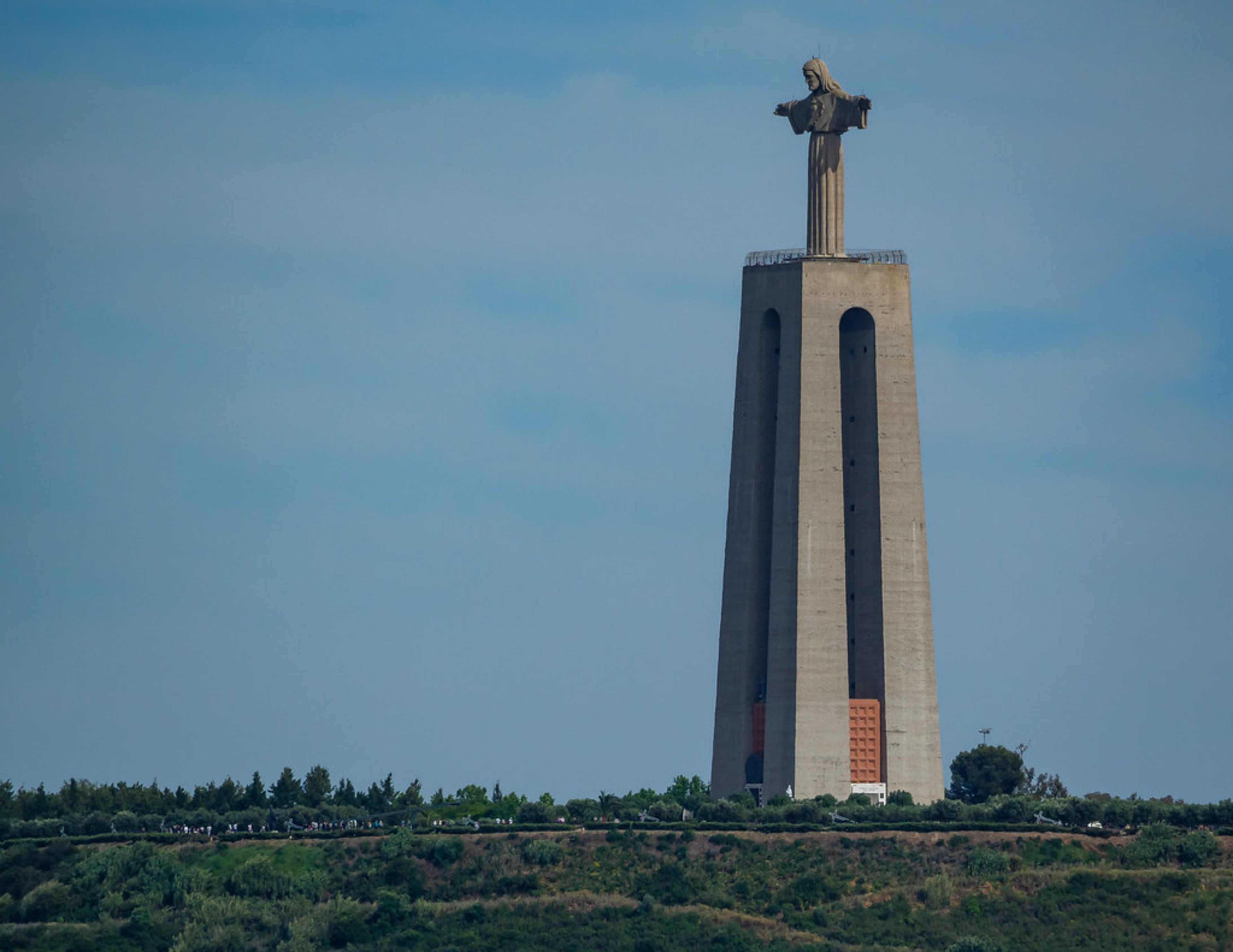
This striking limestone monument rises dramatically from the Tagus riverbank, celebrating Portugal's Age of Discovery with carved figures of explorers and navigators adorning its facade. The soaring structure offers panoramic viewing platforms where you can gaze across the river and city, providing context for the maritime adventures that shaped Portuguese history. Inside, exhibits trace the journeys of Portuguese explorers while the peaceful waterfront setting invites reflection on centuries of ambition and exploration.
Photo by bvi4092
Mouraria District
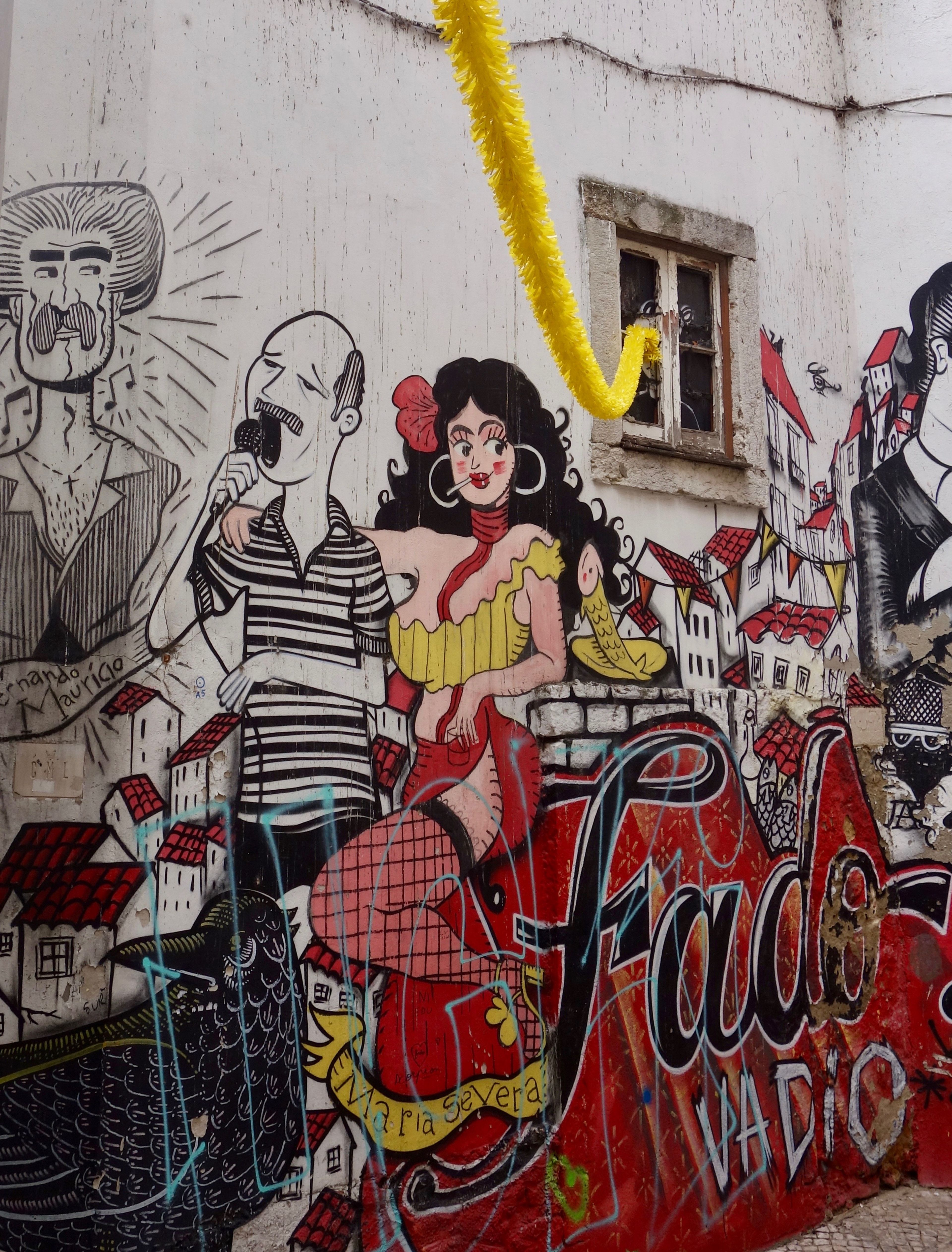
Mouraria is Lisbon's oldest and most atmospheric neighborhood, where Moorish heritage whispers through winding medieval alleys adorned with azulejo tiles and street art that honors fado music legends. Here, traditional pastel-colored buildings lean against each other like gossip-sharing neighbors, while locals tend to laundry lines and family-run tascas (taverns) serve generations of recipes. The district pulses with multicultural energy—African spice shops, immigrant communities, and bohemian galleries coexist in this living, breathing testament to Lisbon's layered history.
Photo by Sonse
Museu Coleção Berardo (Modern Art)
Housed in a striking modern building at Belém Cultural Center, this museum showcases one of Europe's finest private collections of contemporary and modern art spanning the 20th and 21st centuries. The ever-rotating exhibitions feature works by Picasso, Dalí, Warhol, and emerging international artists in thoughtfully curated galleries that feel intimate despite the vast space. The museum's commitment to free admission makes world-class art accessible to everyone exploring Lisbon's cultural district.
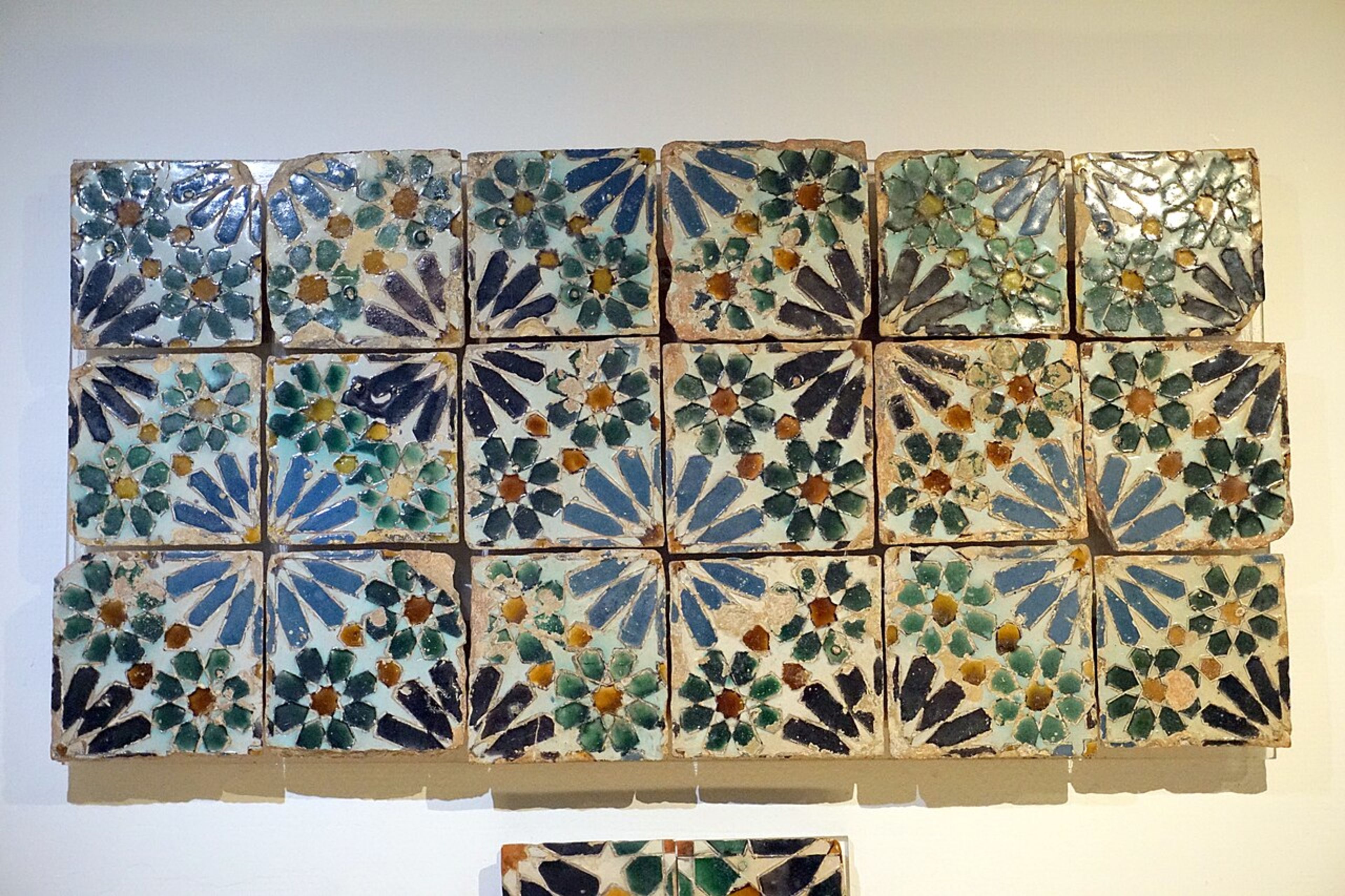
Museu Nacional do Azulejo (Tile Museum)
Housed in the stunning 16th-century Convent of Madre de Deus, this museum showcases Portugal's rich azulejo (ceramic tile) heritage spanning five centuries with over 40,000 pieces. The beautifully preserved convent itself is a masterpiece, featuring an ornate Baroque church and serene cloisters that transport you straight back to Portugal's golden age. You'll discover everything from Moorish geometric patterns to delicate blue-and-white panels that once adorned royal palaces and humble kitchens alike.
Photo by Matt Kieffer from London, United Kingdom — CC BY-SA 2.0

National Coach Museum
Step into the opulent world of Portuguese royal transportation at this enchanting museum housed in a former royal riding school. The collection features magnificently ornate horse-drawn carriages spanning centuries, each one a masterpiece of craftsmanship and design that once carried kings and queens through Lisbon's streets. You'll marvel at the intricate gilded details, plush velvet interiors, and the stories of pageantry these vehicles represent.
Photo by AntonioFCalado

National Museum of Ancient Art
Housed in a stunning 17th-century palace overlooking the Tagus River, this museum showcases Portugal's most precious artistic heritage across painting, sculpture, and decorative arts. The collection masterfully traces Portuguese artistic evolution from medieval times through the 18th century, featuring remarkable works by Nuno Gonçalves and other national treasures. Wandering through the grand rooms feels like stepping into Portuguese history itself, with each gallery revealing layers of the nation's cultural sophistication.
Photo by muffinn from Worcester, UK

Oceanarium Lisbon
Europe's largest aquarium immerses you in the depths with a massive central tank holding millions of liters where graceful rays glide past schools of fish in a mesmerizing dance. Beyond the main spectacle, you'll discover smaller exhibits featuring seahorses, jellyfish, and otters that reveal the incredible diversity of ocean life. The building itself sits beautifully within Parque das Nações, creating a perfect blend of aquatic wonder and riverside leisure.
Photo by kevin.gale

Parque Eduardo VII
Named after King Edward VII of England, this magnificent 26-hectare park stretches north from Avenida da Liberdade with manicured gardens, tree-lined avenues, and sweeping city views. The park's geometric design features formal gardens on the upper terraces that give way to more natural woodland areas, creating peaceful pockets throughout the sprawling green space. It's an essential Lisbon escape where locals jog, picnic, and stroll amid fountains and seasonal flower displays.
Photo by Alvesgaspar
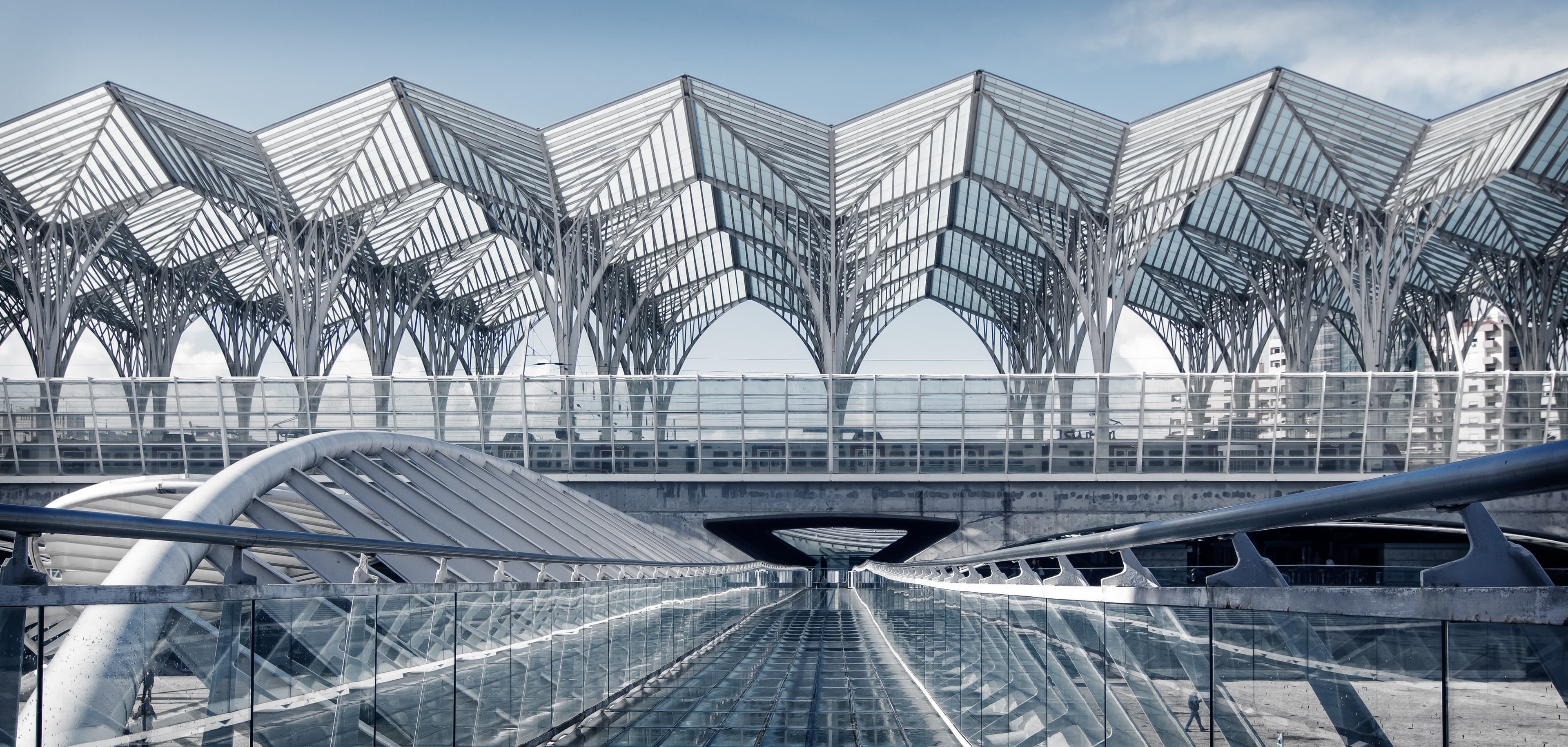
Parque das Nações
Born from Lisbon's 1998 World Expo, this revitalized waterfront district blends contemporary architecture with green spaces along the Tagus River, offering a striking contrast to the city's historic quarters. The neighborhood features cutting-edge museums, restaurants, and cultural venues housed in iconic structures like the futuristic Vasco da Gama shopping center and the striking white Oriente Station. Strolling through the manicured gardens and riverside promenade feels like stepping into Portugal's vision of the future, yet it remains accessible and refreshingly people-focused.
Martin de Lusenet from Heemskerk, Netherlands, CC BY 2.0, via Wikimedia Commons

Pena Palace (Sintra)
Perched dramatically atop the Sintra hills in a riot of yellow, red, and blue tiles, Pena Palace feels like a fairy tale that decided to become real in the 19th century. This Romantic architectural masterpiece blends Portuguese, Moorish, and European influences into one wonderfully eccentric hilltop fantasy that King Ferdinand II created as his summer retreat. Walking through its ornate rooms and colorful courtyards, you'll discover why locals call it the most whimsical royal residence in all of Europe.
Photo by Diego Delso — CC BY-SA 4.0
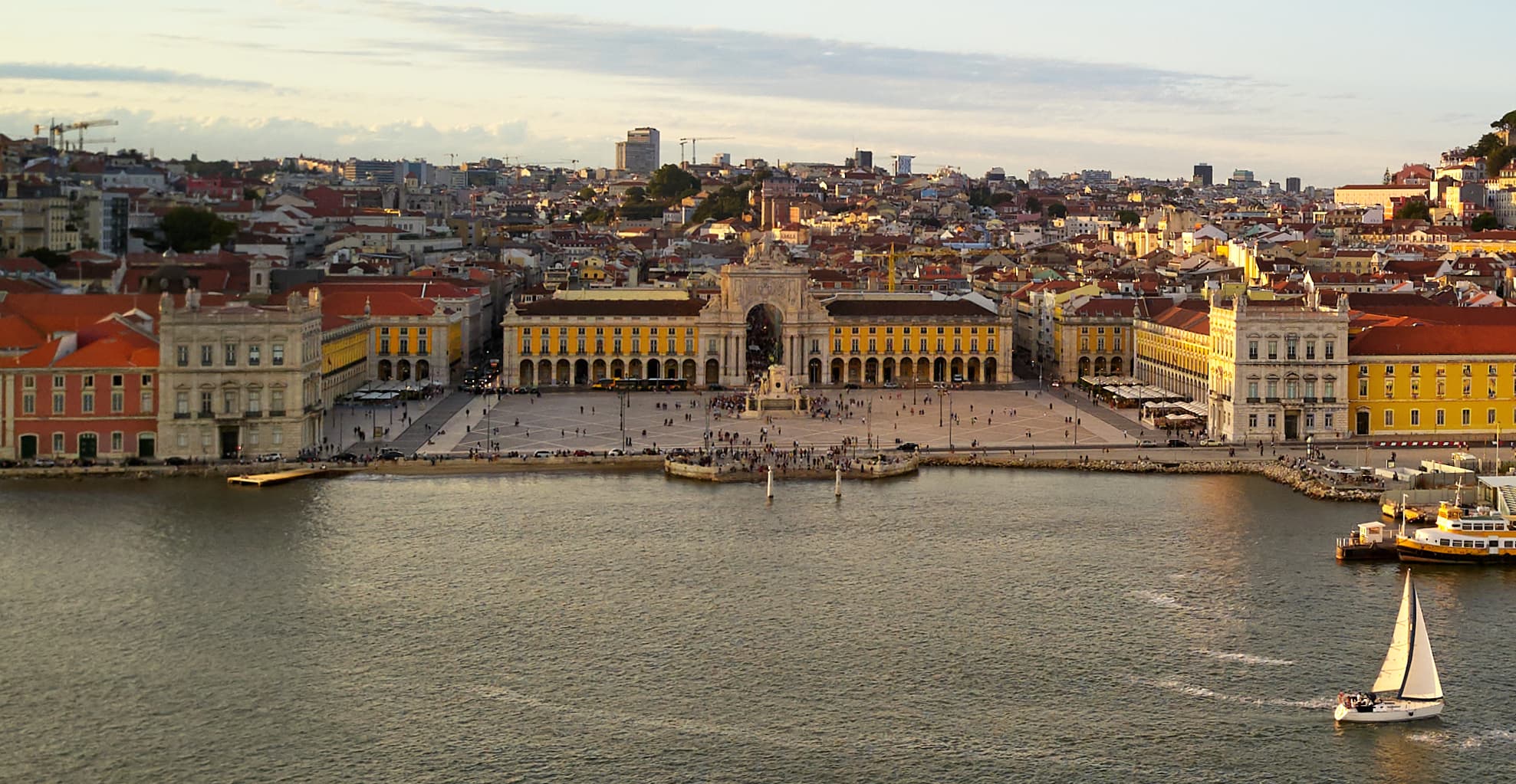
Praça do Comércio
Lisbon's grandest plaza sprawls majestically where the Tagus River meets the city, framed by elegant 18th-century arcaded buildings in the Pombaline architectural style. The iconic bronze statue of King José I on horseback commands the center, while the waterfront teems with cafés, museums, and the gateway arch (Arco da Rua Augusta) connecting you to the vibrant downtown streets. This is where Lisbon's heartbeat echoes strongest—a place where locals gather, tourists discover, and the city's resilient spirit shines after centuries of earthquakes and reinvention.
Deensel, CC BY 2.0, via Wikimedia Commons
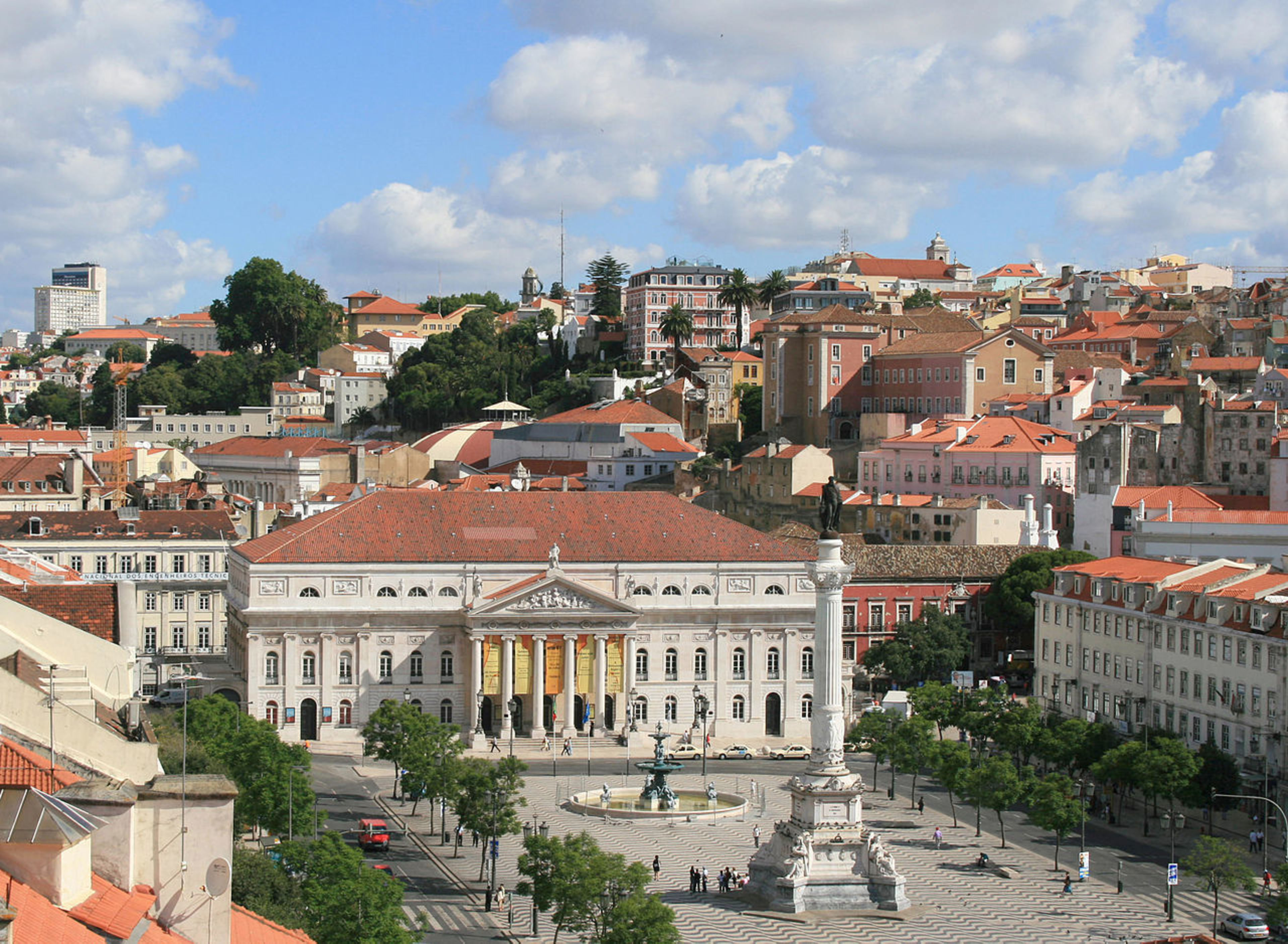
Rossio Square
Rossio Square has pulsed with Lisbon's heartbeat for centuries, from royal tournaments to revolutionary gatherings, and today it remains the city's social centerpiece where locals and travelers converge beneath the watchful gaze of King Pedro IV's towering statue. The geometrically patterned black-and-white Portuguese pavement draws the eye downward while the surrounding 18th-century buildings and the romantic National Theatre create an enchanting backdrop for people-watching and soaking in authentic city life. Beneath the surface lies an underground passage system that whispers of centuries past, connecting this vibrant plaza to hidden corners of Pombaline Lisbon.
Photo by own work

Sintra (day trip)
Sintra is a enchanting hilltop town 30km west of Lisbon renowned for its fairy-tale palaces, lush gardens, and romantic 19th-century architecture nestled among misty mountains. The town offers multiple UNESCO-listed sites including the colorful Pena Palace, historic Quinta da Regaleira with its mysterious gardens, and the Moorish Castle ruins with panoramic coastal views. Its cool microclimate and verdant landscape make it one of Portugal's most picturesque and visited destinations.
Photo by Anderson Pereira
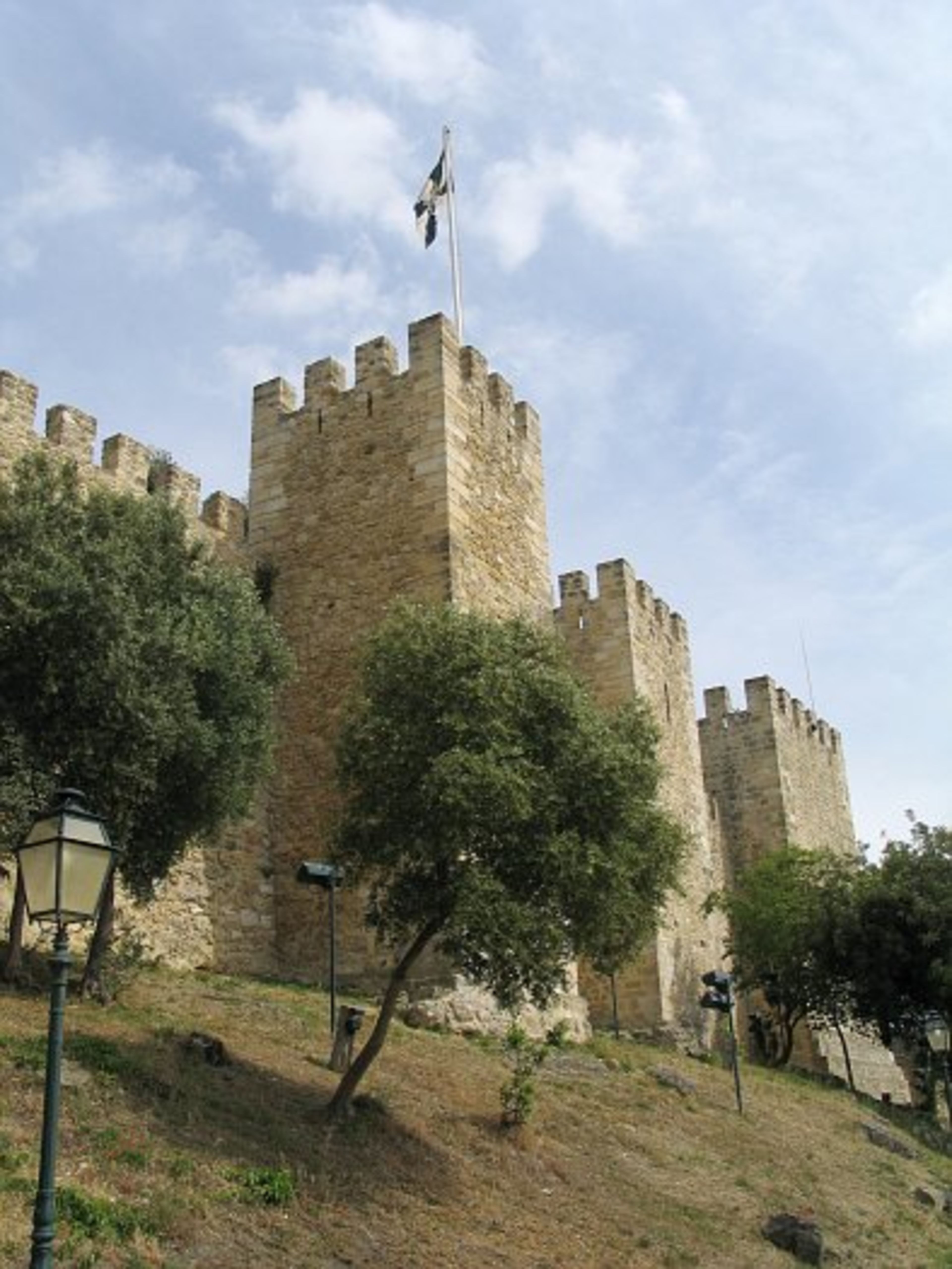
São Jorge Castle
Perched dramatically above Lisbon's oldest neighborhoods, this medieval castle offers sweeping views of the Tagus River and red-tiled rooftops that stretch to the horizon. The atmospheric ruins and restored ramparts tell stories of centuries of conquest and cultural exchange, from Moorish occupation to Christian reconquest. Wandering through the castle grounds feels like stepping into Lisbon's layered past, with each corner revealing another vista of this enchanting city.
Photo by Rotatebot — CC BY-SA 2.0
Itineraries Here
Planning a Trip to Lisbon: FAQs
When is the best time to visit Lisbon?
⌄
The best time to visit Lisbon is spring.
How many days do you need in Lisbon?
⌄
Plan on about 4 days to cover Lisbon's highlights at a comfortable pace.
How do you get to Lisbon?
⌄
Humberto Delgado Lisbon Airport (LIS) is the main international gateway, located about 7 kilometers from the city center with direct transit connections. The city is accessible by train from major European cities and sits on Portugal's western coast, roughly a 40-minute flight from Madrid and under 10 hours by road from Paris.
What are the top things to do in Lisbon?
⌄
Top attractions in Lisbon include Alfama District, Avenida da Liberdade, Bairro Alto, Belém Tower and Chiado District. Itinara lists 30 verified attractions in total.