
Little Bighorn Battlefield stands as one of America's most poignant historical sites, where the verdant plains of southeastern Montana hold the story of the 1876 battle that reshaped the nation's relationship with Native Americans. Walk the rolling grasslands where Lieutenant Colonel George Armstrong Custer made his final stand, and experience the profound weight of history that permeates Last Stand Hill. This is not a celebration of victory, but rather a solemn pilgrimage to understand a pivotal moment that changed the American West forever.
Key Attractions
View all attractions →
Custer Battlefield
Myrick, Herbert, b. 1860 Barry, D. F. (David Francis), 1854-1934 Atwood, K. C Deming, Edward W Fangel, Henry Moorhouse, Lee Walker, W. G Schreyvogel, Charles, 1861-1912 / wikimedia (Public domain)

Indian Memorial
A solemn tribute erected in 1999 honoring the Native American warriors who fought at Little Bighorn, counterbalancing the earlier Custer-focused monuments. This sacred site reflects the battlefield's evolution toward acknowledging indigenous perspectives and sacrifice.
Photo by Game_of_pics on Pixabay
Last Stand Hill
Scott, Robert Falcon, 1868-1912 Huxley, Leonard, 1860-1933 / wikimedia (Public domain)

Little Bighorn Battlefield National Monument Visitor Center
The primary interpretive hub featuring exhibits on the 1876 battle, Native American perspectives, and Lakota Sioux, Northern Cheyenne, and Arapaho cultures. Essential viewing for understanding the full historical context and multiple viewpoints of this pivotal moment in American history.
Photo by MikeDobe on Pixabay
Reno-Benteen Battlefield Trail
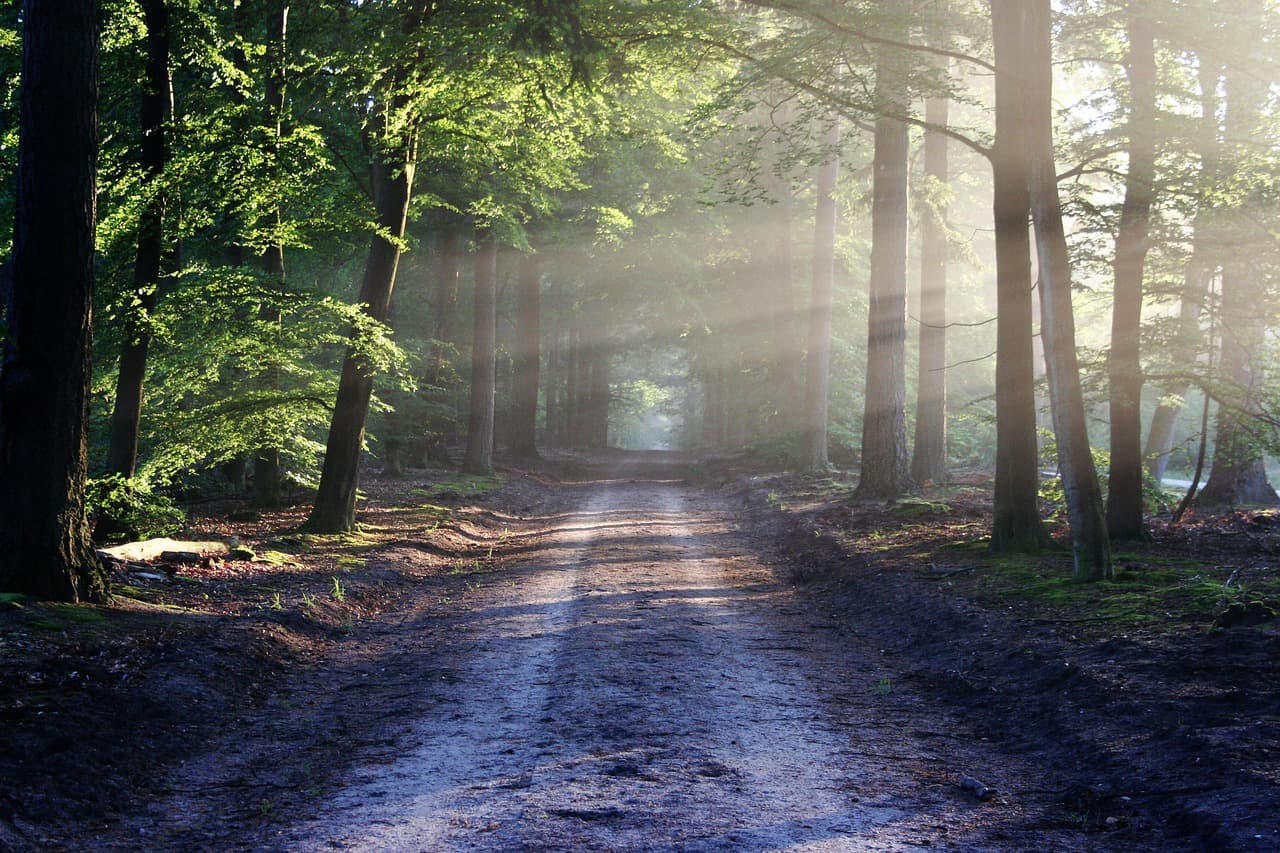
A moderate walking trail exploring the terrain where Major Marcus Reno and Captain Frederick Benteen's battalions made their defensive stand, offering interpretive signs and panoramic views of the Little Bighorn River valley.
Photo by bertvthul on Pixabay
Itineraries Here
Planning a Trip to Little Bighorn Battlefield: FAQs
When is the best time to visit Little Bighorn Battlefield?
⌄
The best time to visit Little Bighorn Battlefield is summer.
How many days do you need in Little Bighorn Battlefield?
⌄
Plan on about 2 days to cover Little Bighorn Battlefield's highlights at a comfortable pace.
How do you get to Little Bighorn Battlefield?
⌄
The nearest major airport is Billings Logan International (BIL), approximately 65 miles southwest, a 90-minute drive. Alternatively, fly into Bozeman (BZN, 210 miles, 3.5 hours) for more flight options. The battlefield is accessible via I-90 and US-212; visitors typically drive through southeastern Montana to reach this remote site. Plan for a scenic but lengthy approach from most major cities.
What are the top things to do in Little Bighorn Battlefield?
⌄
Top attractions in Little Bighorn Battlefield include Custer Battlefield, Indian Memorial, Last Stand Hill, Little Bighorn Battlefield National Monument Visitor Center and Reno-Benteen Battlefield Trail.