
Little Rock, Arkansas's capital and cultural heart, sits along the Arkansas River where Southern charm meets modern civic pride. The city invites visitors to explore pivotal moments in American history through world-class institutions while enjoying a relaxed, authentic Southern pace. From the gleaming Clinton Presidential Library to innovative science experiences, Little Rock offers thoughtful encounters with both the nation's story and the natural world—all wrapped in genuine Arkansas hospitality.
Key Attractions
View all attractions →
Arkansas Arts Center
A world-class fine arts museum featuring American and contemporary art collections, with particular strength in drawing and works on paper. Located in downtown Little Rock, it provides access to regional and nationally significant artistic treasures.
Photo by Shea B on Pexels

Arkansas State Capitol
A stunning Beaux-Arts building completed in 1915 that showcases Arkansas's political heritage with guided tours through ornate chambers and corridors. The Capitol grounds offer beautiful landscaping and historical context for understanding the state's governance.
Photo by TheShiv76 on Pixabay

Big Dam Bridge
One of the longest pedestrian/bicycle bridges in North America, offering stunning views of the Arkansas River and surrounding landscape. The bridge connects parks and provides excellent photo opportunities, especially at sunset.
Photo by sergeigussev on Pixabay
Clinton Presidential Library
Hart, Charles Henry, 1847-1918 / wikimedia (Public domain)

Hearn Center for Arkansas Studies
Located in the historic Arkansas History Commission building, this center preserves and interprets Arkansas's rich cultural heritage through archives and exhibitions. It's an essential stop for understanding the state's complex history and diverse populations.
Photo by Roseley14 on Pixabay

MacArthur Park
A 12-acre urban park featuring walking trails, gardens, and the restored MacArthur House Museum set amidst beautiful oak trees. The park offers a peaceful retreat with connections to Civil War history and local architecture.
Photo by Roseley14 on Pixabay

Museum of Discovery
James St. John / openverse (by)

Quapaw Nation Museum
Dedicated to the history and culture of the Quapaw Nation, one of Arkansas's indigenous peoples, with artifacts and exhibitions spanning centuries. This museum honors the Native American heritage that predates European settlement in the region.
Photo by Shea B on Pexels

River Market District
A historic warehouse district transformed into a vibrant hub of restaurants, galleries, antique shops, and farmers markets along the Arkansas River. This pedestrian-friendly area perfectly captures Little Rock's blend of history and contemporary culinary innovation.
Photo by cegoh on Pixabay
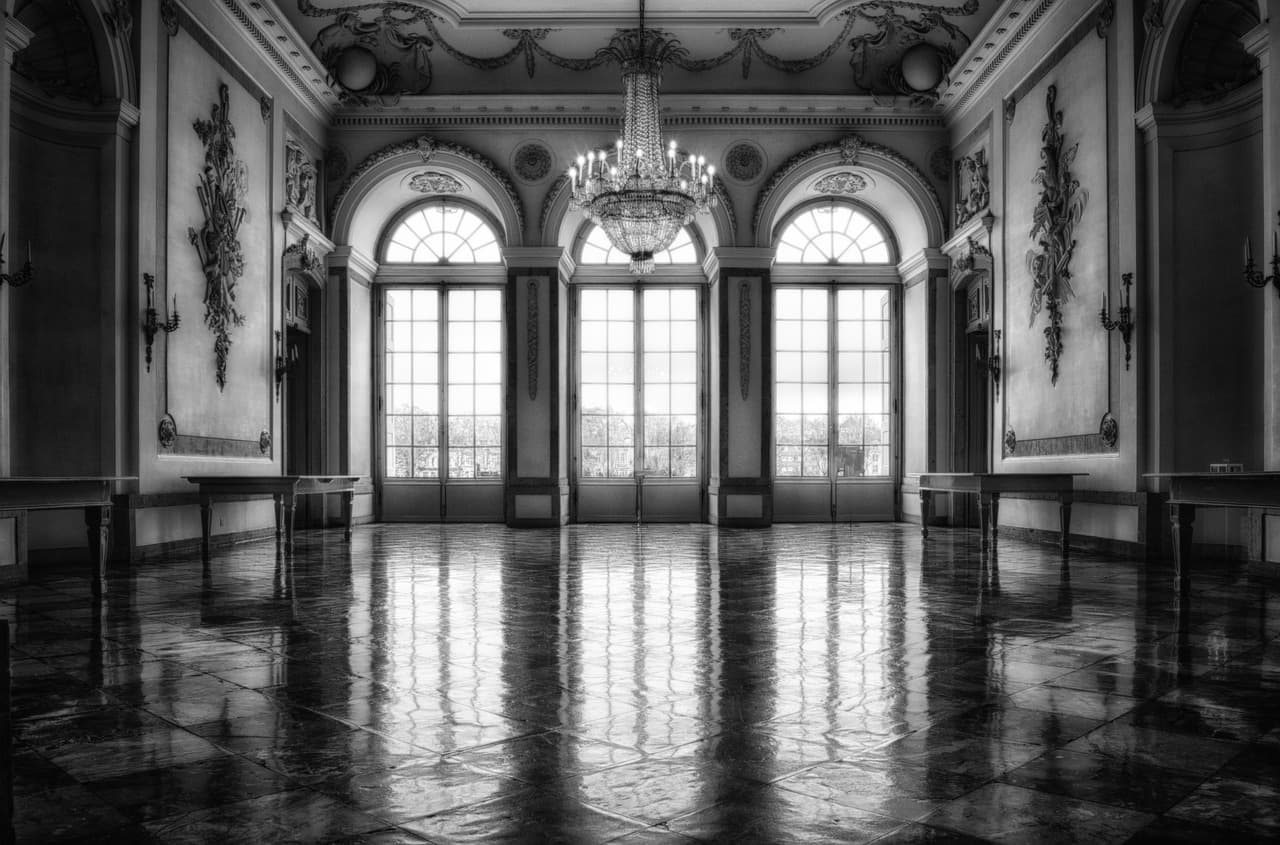
The Capitol Hotel Ballroom
An iconic Southern hotel steeped in political history where presidents and dignitaries have stayed since 1876, representing the grandeur of Victorian-era hospitality. The ornate architecture and stories of political intrigue make it a landmark worth experiencing.
Photo by Tama66 on Pixabay

Two Rivers Park
A 110-acre riverfront park where the Arkansas and Little Maumelle Rivers meet, offering trails, picnic areas, and interpretive signage about local ecology. The park exemplifies Little Rock's commitment to waterfront revitalization and public access.
Photo by Tortrakool on Pixabay
Itineraries Here
Planning a Trip to Little Rock area: FAQs
When is the best time to visit Little Rock area?
⌄
The best time to visit Little Rock area is spring.
How many days do you need in Little Rock area?
⌄
Plan on about 2 days to cover Little Rock area's highlights at a comfortable pace.
How do you get to Little Rock area?
⌄
Little Rock National Airport (LIT) is served by major carriers with direct flights from most US hubs. The city is 3.5 hours south of Memphis, 5 hours east of Dallas, and 4.5 hours west of Memphis. I-40 connects it directly to Nashville (6 hours east) and Oklahoma City (4 hours west).
What are the top things to do in Little Rock area?
⌄
Top attractions in Little Rock area include Arkansas Arts Center, Arkansas State Capitol, Big Dam Bridge, Clinton Presidential Library and Hearn Center for Arkansas Studies. Itinara lists 11 verified attractions in total.