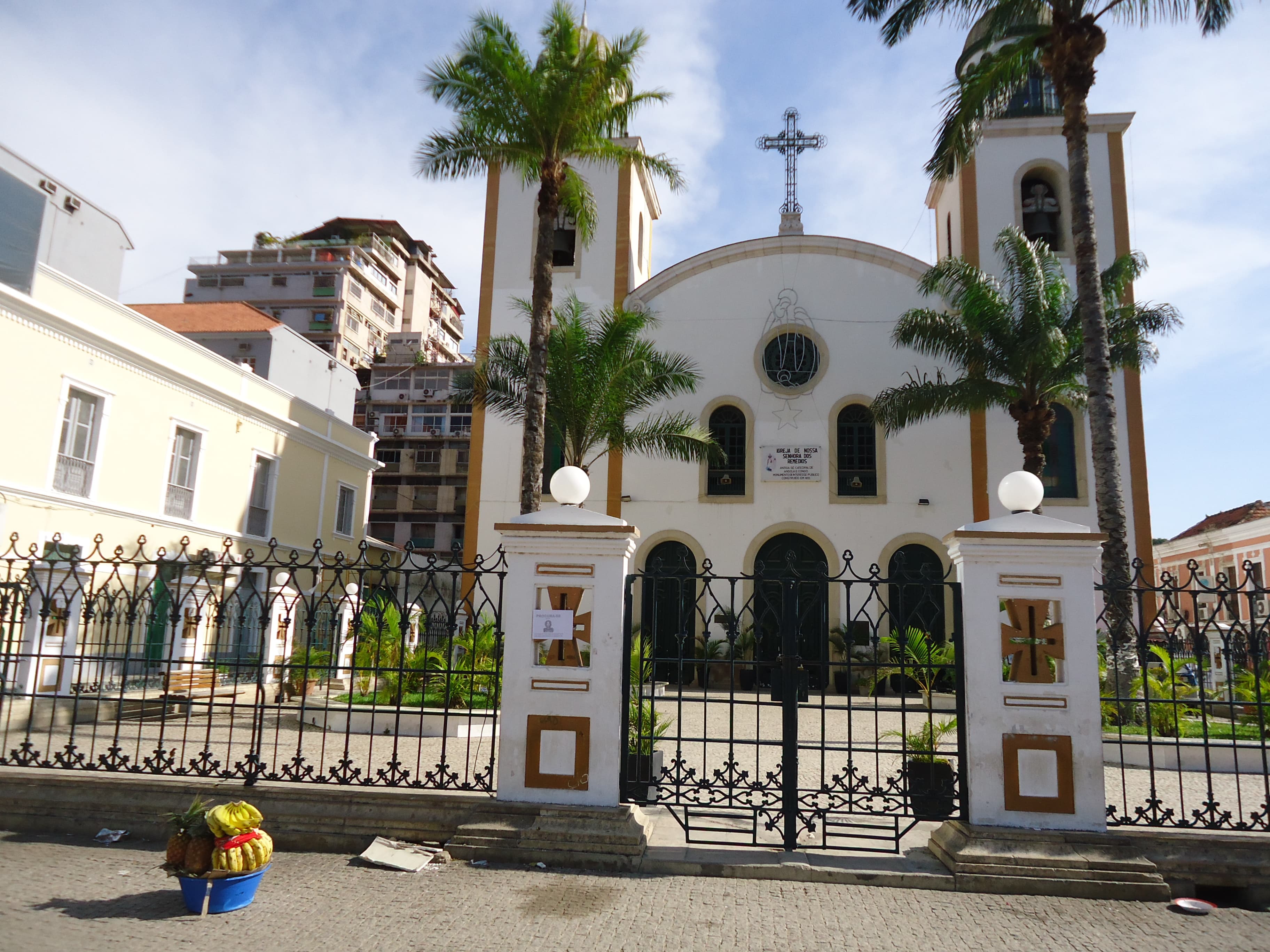
Luanda pulses with the energy of a rapidly modernizing African capital where Portuguese colonial architecture mingles with contemporary ambition along the Atlantic coast. As one of the world's most populous Portuguese-speaking capitals, this vibrant city offers a compelling blend of history, culture, and coastal charm that few African destinations can match. The Marginal promenade invites evening strolls past colonial forts and seaside neighborhoods, while the city's museums and markets reveal layers of Angolan heritage and the daily rhythms of its 8.8 million residents.
Key Attractions
View all attractions →Fortaleza de São Miguel
This imposing 16th-century Portuguese fortress overlooks Luanda's bay with whitewashed walls that have weathered centuries of Atlantic winds and colonial history. Inside, you'll find a small museum documenting the fort's military past and Angola's complex colonial experience, along with cannons and artifacts positioned at the ramparts. The views from the upper terraces sweep across the city and harbor, offering a tangible sense of the strategic importance this stone sentinel once held.
Ilha do Cabo (Luanda Island)
This serene island sanctuary off Luanda's coast offers a peaceful escape with pristine beaches and calm waters ideal for swimming and picnicking away from the city's bustle. The island's natural vegetation and rocky outcrops create a picturesque setting where locals and visitors alike gather to relax, fish, and enjoy fresh ocean breezes. Its proximity to the capital makes it a perfect half-day adventure for those seeking authentic coastal tranquility without traveling far.
Kissama National Park (day trip)
Just an hour south of Luanda, Kissama National Park sprawls across savanna and woodland where elephants, antelopes, and birds roam freely in Angola's largest protected reserve. This sprawling wilderness offers a genuine escape from the city with opportunities to spot wildlife in their natural habitat while experiencing the raw beauty of central African landscape. The park remains relatively undeveloped compared to its regional counterparts, giving it an authentic frontier feel for adventurous travelers.
Marginal de Luanda (Promenade)
This beautifully restored waterfront promenade stretches along Luanda Bay with modern paving, street lamps, and periodic seating areas that invite leisurely strolls and people-watching. The Marginal offers stunning Atlantic views and serves as the city's primary gathering space where locals and visitors alike enjoy the refreshing ocean breeze away from the bustling downtown streets. Palm-lined walkways connect several key neighborhoods and provide an excellent vantage point for watching cargo ships and fishing boats navigate the harbor.
Mercado do Kinaxixe
Kinaxixe Market pulses with the authentic heartbeat of Luanda, where vendors hawk vibrant tropical fruits, fresh seafood, and local textiles beneath a maze of colorful stalls and makeshift canopies. This bustling marketplace has served as a gathering point for locals for decades, offering an unfiltered glimpse into daily Angolan life where haggling, laughter, and the aroma of fresh cassava mingle together. The energy here is infectious—a sensory celebration of commerce, community, and culinary abundance.
Museu Nacional de Antropologia
Housed in a colonial-era building in central Luanda, this museum preserves Angola's rich cultural heritage through ethnographic artifacts, traditional masks, and historical textiles from diverse ethnic groups. The collection offers intimate glimpses into the daily lives and spiritual practices of Angola's peoples, from the Kongo kingdoms to contemporary communities. Walking through these galleries feels like stepping into the soul of the nation's past.
Museu Nacional de História Natural
Housed in a charming colonial building in downtown Luanda, this museum showcases Angola's rich natural heritage through displays of geological specimens, taxidermied wildlife, and paleontological finds. The collection offers an intimate glimpse into the diverse ecosystems and fauna that define Angola's landscape, from the Congo rainforests to the Atlantic coast. While modest in scale, the museum provides an educational counterpoint to Luanda's modern development and celebrates the country's natural legacy.
Itineraries Here
Planning a Trip to Luanda: FAQs
When is the best time to visit Luanda?
⌄
The best time to visit Luanda is year-round.
How many days do you need in Luanda?
⌄
Plan on about 4 days to cover Luanda's highlights at a comfortable pace.
How do you get to Luanda?
⌄
Luanda's 4 de Fevereiro International Airport (LAD) is the primary gateway, welcoming flights from major African hubs, Europe, and Brazil. The city sits on Angola's northern Atlantic coast and serves as the country's chief port; regional travel typically connects through South Africa or other West African capitals. Ground transport within the city relies on taxis, ride-sharing apps, and private hire; a day trip to Kissama National Park is feasible by vehicle.
What are the top things to do in Luanda?
⌄
Top attractions in Luanda include Fortaleza de São Miguel, Ilha do Cabo (Luanda Island), Kissama National Park (day trip), Marginal de Luanda (Promenade) and Mercado do Kinaxixe. Itinara lists 7 verified attractions in total.