
Luxor, the ancient Thebes reborn, stands as one of the world's greatest open-air museums—a place where colossal temples rise from modern streets and the Nile flows past monuments older than memory. The East Bank gleams with the sprawling Karnak Temple Complex and intimate Luxor Temple, while across the river, the West Bank unfolds as a vast necropolis of royal tombs and mystical valleys. Few destinations offer such an immediate, visceral encounter with pharaonic Egypt, where you can watch the sunrise over the Valley of the Kings and be surrounded by four thousand years of human ambition.
Key Attractions
View all attractions →Abydos Temple (day trip)
Abydos Temple stands as one of Egypt's most spiritually significant sites, where ancient kings were believed to be reborn in the afterlife through sacred rituals carved into its limestone walls. The Temple of Seti I showcases some of the finest hieroglyphic reliefs in Egypt, with vivid colors still clinging to walls after 3,300 years, revealing the intimate relationship between pharaohs and their gods. This serene, less-crowded alternative to Luxor's temples rewards visitors with an authentic sense of ancient mystery and devotion.

Colossi of Memnon
These two towering limestone statues, each standing 67 meters high, are all that remain of Amenhotep III's magnificent mortuary temple and offer a haunting glimpse into ancient Egyptian grandeur. Carved from single blocks of stone during the 14th century BC, the Colossi have watched over the Theban plain for millennia, their weathered faces still commanding respect despite the ravages of earthquakes and erosion. The statues are best appreciated from a distance across the Valley floor, where their scale and majesty become truly apparent against the dramatic landscape.
Photo by Marc Ryckaert (MJJR)
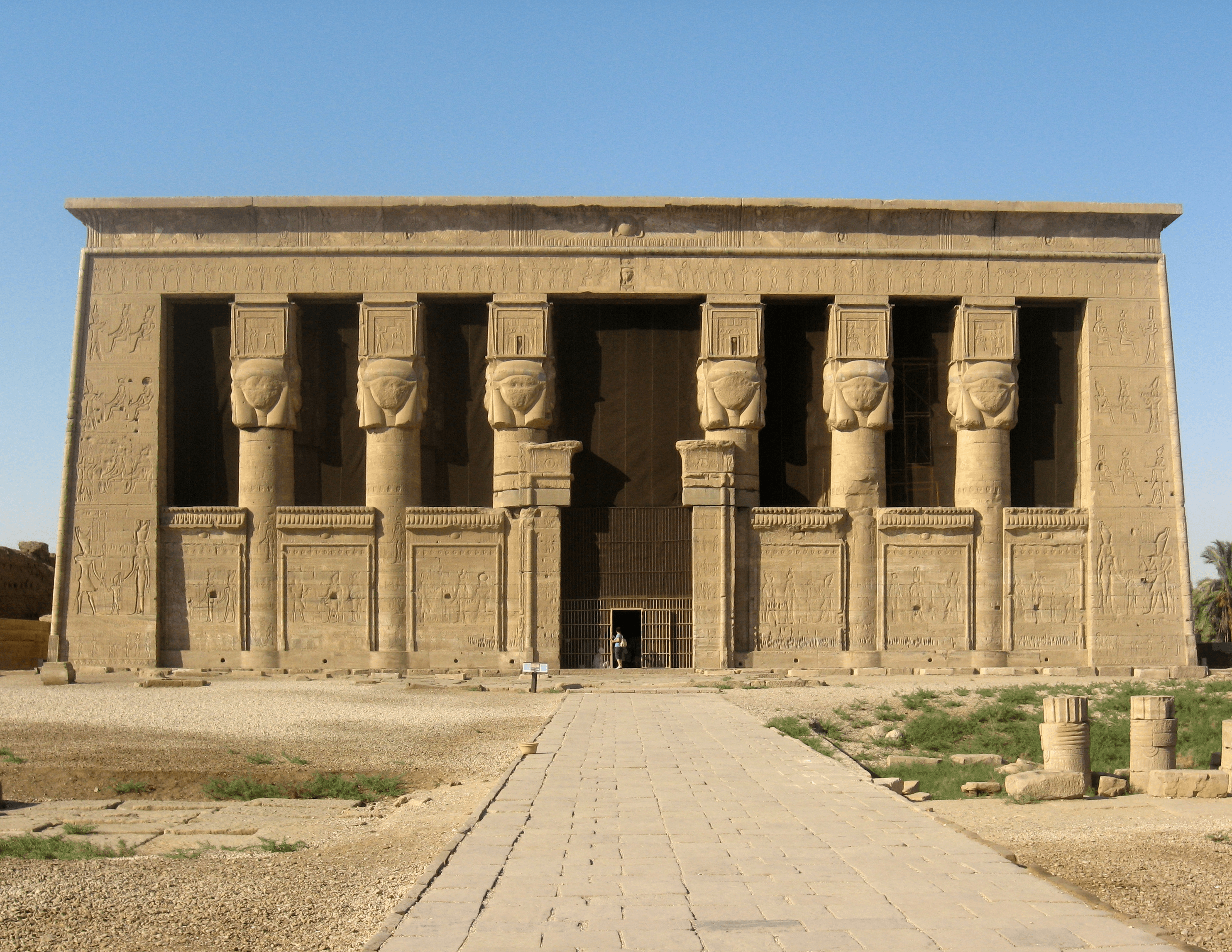
Dendera Temple (day trip)
This remarkably preserved Ptolemaic temple dedicated to the goddess Hathor rises from the desert north of Luxor with stunning painted reliefs and a famous zodiac ceiling that captivates visitors with its astronomical artistry. The temple's outer walls feature intricate carvings depicting ancient rituals, while the crypts beneath reveal the ingenuity of ancient engineers who designed hidden chambers for sacred objects. Walking through its columned halls feels like stepping into a living history book, where the quality of preservation rivals some of Egypt's more famous monuments.
Ijanderson977, Public domain, via Wikimedia Commons
Hatshepsut's Temple (Deir el-Bahari)
This magnificent mortuary temple cascades against the limestone cliffs of the Valley of the Kings in three dramatic colonnaded tiers, creating one of Egypt's most visually striking monuments. Built by the female pharaoh Hatshepsut around 1479 BCE, its innovative architecture blends seamlessly with the natural landscape and showcases intricate hieroglyphic reliefs depicting her divine birth and trading expeditions. Walking through the soaring corridors and courtyards, you'll feel transported through millennia of ancient Egyptian ambition and artistry.
Hot Air Balloon over Luxor
Float silently above the sprawling temples and riverbanks of ancient Luxor as the sun paints the Valley of the Kings in golden light, offering an unforgettable perspective on Egypt's most magnificent monuments. Your gentle ascent reveals the scale of pharaonic architecture and the ribbon of green along the Nile that sustained one of history's greatest civilizations. This magical hour between earth and sky transforms how you understand the landscape that cradled ancient wonders.
Karnak Temple Complex
This sprawling sanctuary of ancient temples reveals layers of Egyptian history through colossal columns, sacred lakes, and towering obelisks that once stood as monuments to divine power. Walking through the Great Hypostyle Hall, with its forest of 134 soaring columns, feels like stepping into the grandeur of pharaonic Egypt itself. The complex tells stories carved in stone across more than a thousand years of continuous construction and worship.
Photo by Marc Ryckaert (MJJR)
Luxor Museum
Perched elegantly on the east bank of the Nile, this intimate museum showcases masterpieces from Luxor's ancient temples without the overwhelming crowds of Cairo's larger institutions. The carefully curated collection emphasizes quality over quantity, featuring stunning statuary, intricate reliefs, and artifacts that illuminate daily life in Thebes during the pharaonic era. Its modern design and manageable size make it perfect for travelers seeking a focused, contemplative experience of Egypt's monumental past.

Luxor Temple
This beautifully preserved temple rises majestically from Luxor's riverbank, its soaring pylons and colossal statues a stunning testament to ancient Egypt's architectural ambitions. Built primarily during the reign of Amenhotep III and later enhanced by Ramses II, the temple feels intimately connected to the living city that surrounds it, unlike the more isolated ruins across the Nile. Walking through the grand colonnade at sunset, when golden light floods the carved hieroglyphics, creates an unforgettable sense of stepping directly into ancient history.
Photo by Blueshade
Mummification Museum
Located on the east bank of the Nile, this specialized museum offers an intimate look at ancient Egyptian mummification practices through remarkably preserved mummies and detailed funerary equipment. The exhibits guide you through the entire sacred process—from organ removal to wrapping techniques—with fascinating artifacts that reveal how Egyptians prepared bodies for the afterlife. It's a sobering yet deeply educational experience that contextualizes one of history's most remarkable civilizations.

Valley of the Kings
Carved into the barren limestone cliffs across the Nile from Luxor, this ancient burial ground holds the tombs of 62 pharaohs hidden beneath the desert floor for millennia. The painted walls and intricate hieroglyphic inscriptions inside chambers like Tutankhamun's tomb transport you directly into Egypt's most sacred rituals and deepest spiritual beliefs. Walking through these royal passages, you can almost hear the echoes of priests and mourners who sealed these chambers over 3,000 years ago.
Photo by Vyacheslav Argenberg
Valley of the Queens
Itineraries Here
Planning a Trip to Luxor: FAQs
When is the best time to visit Luxor?
⌄
The best time to visit Luxor is fall.
How many days do you need in Luxor?
⌄
Plan on about 3 days to cover Luxor's highlights at a comfortable pace.
How do you get to Luxor?
⌄
Luxor International Airport is the primary gateway, served by direct flights from Cairo and other Egyptian hubs; flights from Cairo to Luxor typically take around one hour. Overland travel from Cairo is approximately 680 km (roughly 9–10 hours by road). The city is well-connected by regional flights and rail, making it easily accessible for multi-destination Egypt itineraries.
What are the top things to do in Luxor?
⌄
Top attractions in Luxor include Abydos Temple (day trip), Colossi of Memnon, Dendera Temple (day trip), Hatshepsut's Temple (Deir el-Bahari) and Hot Air Balloon over Luxor. Itinara lists 11 verified attractions in total.