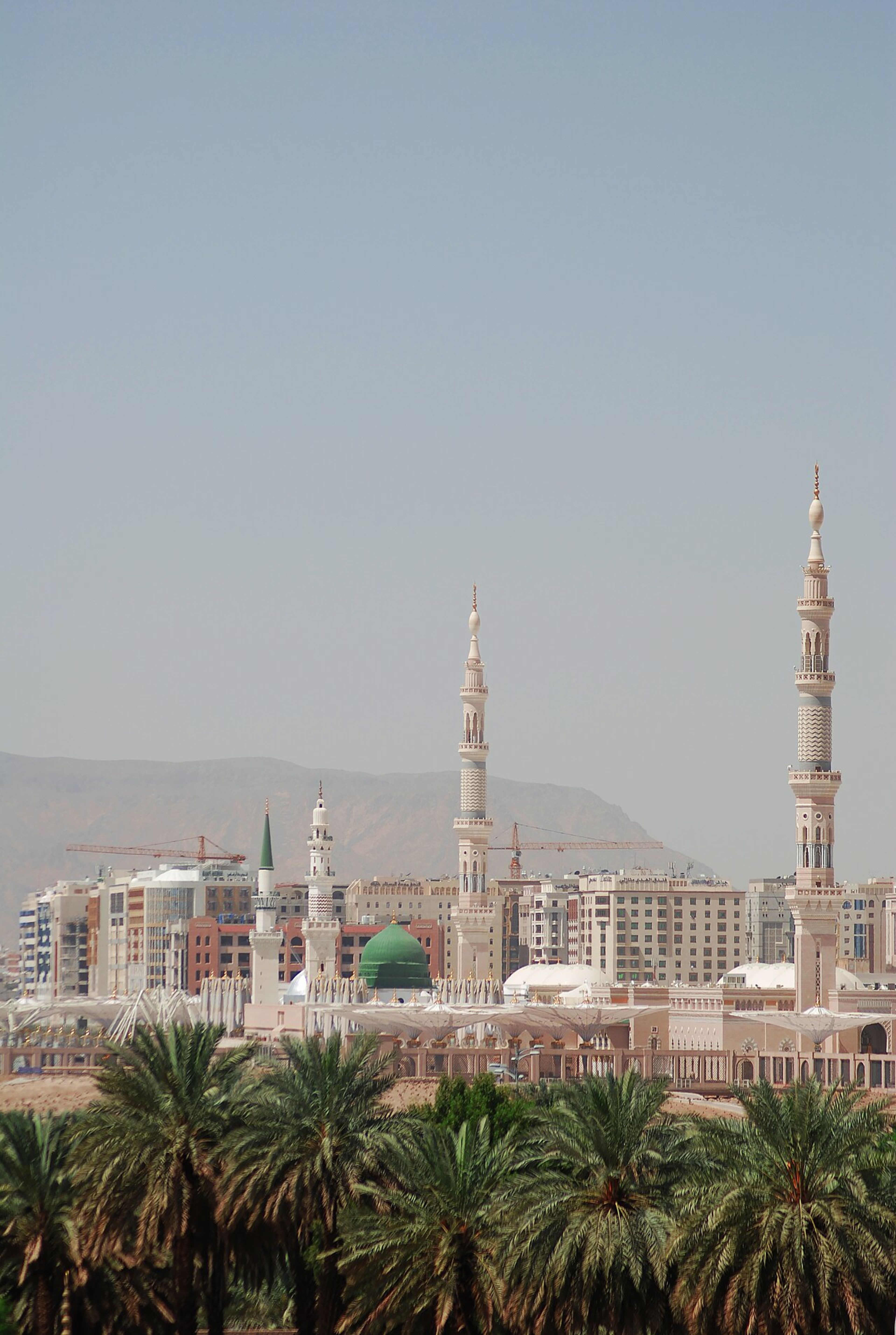
Medina stands as one of Islam's most sacred and historically resonant destinations, a city woven through centuries of spiritual significance and pivotal moments in Islamic history. The Prophet's Mosque anchors the cityscape with its serene courtyards and luminous green dome, drawing pilgrims and visitors into spaces of profound contemplation. Beyond the sacred precincts, the surrounding valleys and Hejaz Mountains frame a landscape steeped in memory—from the Battle of Uhud's historic slopes to the quiet reverence of ancient burial grounds. This is a place where devotion, history, and human connection converge.
Key Attractions
View all attractions →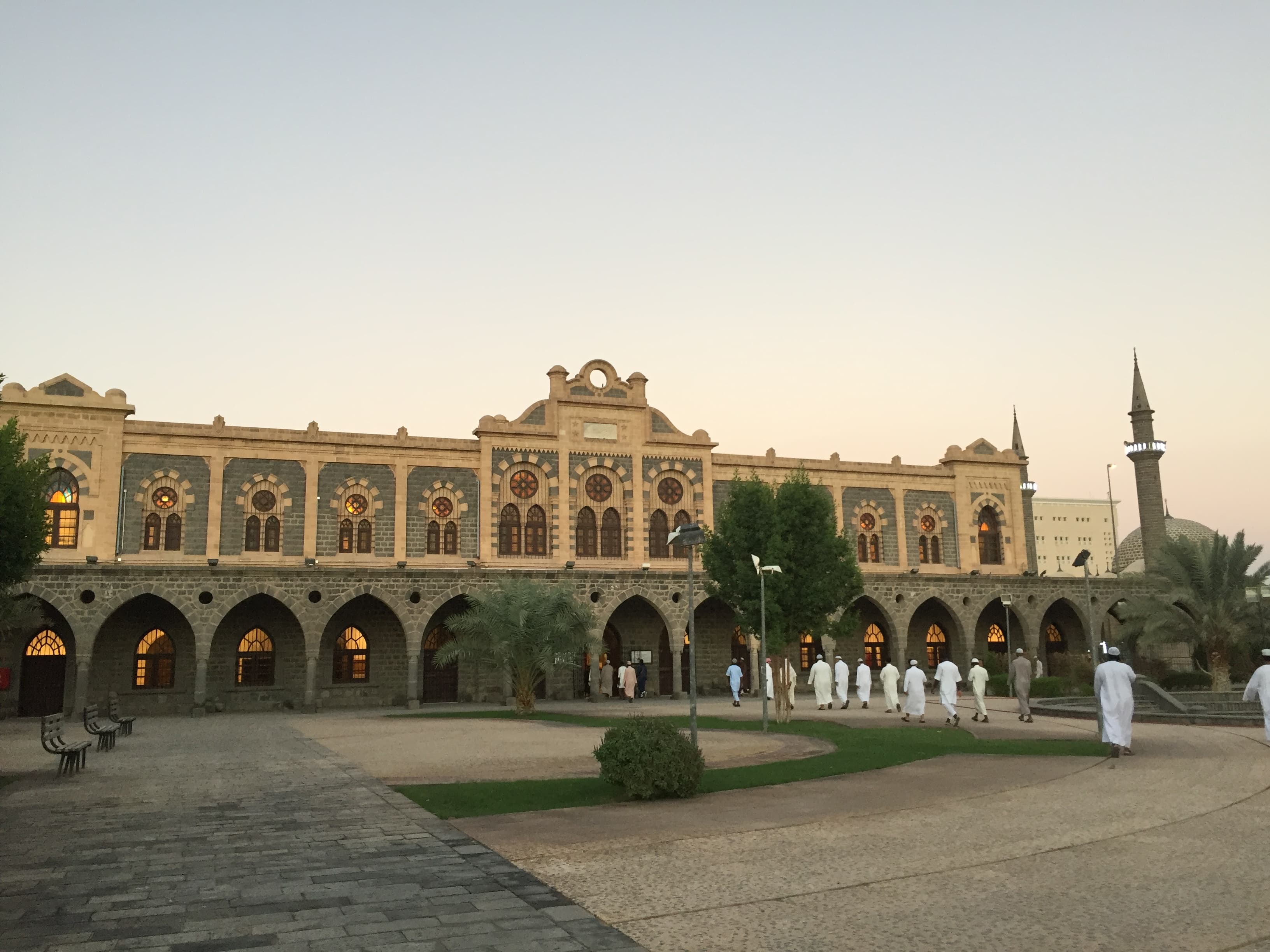
Al Madina Museum
This intimate museum showcases Medina's rich Islamic heritage through carefully curated artifacts, manuscripts, and interactive displays that bring the city's spiritual significance to life. The exhibits thoughtfully chronicle the Prophet Muhammad's life and the early Islamic period, offering visitors meaningful context for understanding one of Islam's holiest cities. Personal accounts and period pieces create an engaging narrative that resonates long after your visit.
Imam Khairul Annas, CC BY-SA 4.0, via Wikimedia Commons
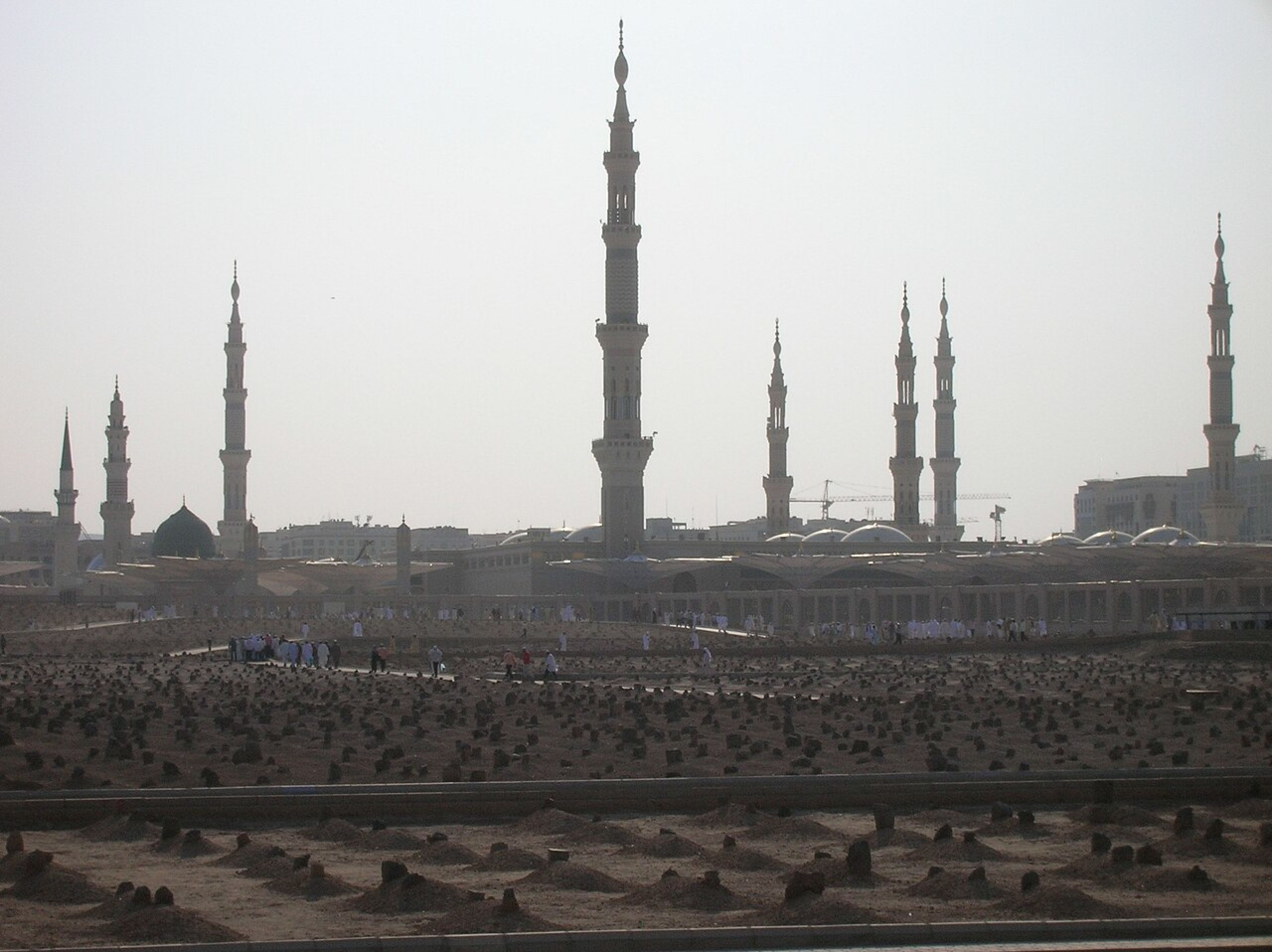
Al-Baqi Cemetery
Al-Baqi is one of Islam's most sacred cemeteries, located in Medina's heart, where many of Prophet Muhammad's family members and companions are buried. Walking through its serene grounds offers a profound spiritual experience as you pay respects to figures who shaped Islamic history. The cemetery's peaceful atmosphere and historical significance make it a deeply moving destination for pilgrims and visitors seeking connection to early Islamic heritage.
Photo by Kerina yin
Al-Masjid an-Nabawi (Prophet's Mosque)
One of Islam's holiest sites, this stunning mosque welcomes millions of pilgrims annually to pray in the presence of the Prophet Muhammad's tomb and experience its serene courtyards beneath the iconic green dome. The sprawling complex features ornate prayer halls adorned with intricate marble work, massive crystal chandeliers, and a breathtaking retractable roof that opens to the Medina sky during pleasant weather. Beyond its spiritual significance, the mosque's architectural grandeur and peaceful atmosphere create a deeply moving experience for both Muslims and respectful visitors exploring Islamic heritage.
Photo by Meshari Alawfi
Masjid al-Qiblatain (Two Qiblas Mosque)
This historically significant mosque holds the unique distinction of having two mihrab niches, commemorating the moment Prophet Muhammad changed the direction of prayer from Jerusalem to Mecca during the Fajr prayer. The distinctive architecture features two prayer directions marked within the same prayer hall, a remarkable testament to Islamic history spanning nearly 1,400 years. Visitors experience an intimate connection to one of Islam's most pivotal moments while admiring the serene simplicity of this revered sanctuary.
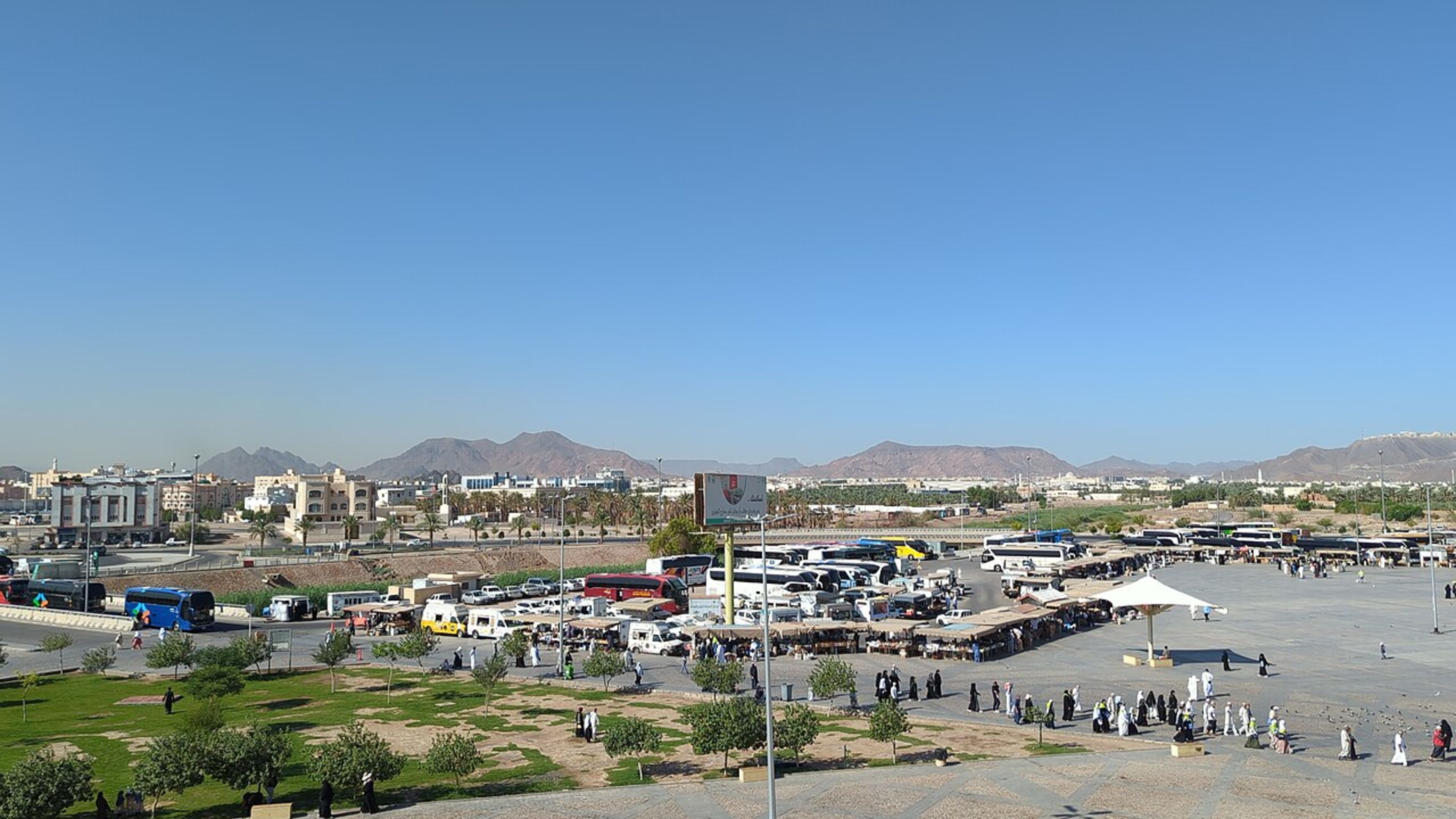
Mount Uhud (Battle of Uhud Site)
This dramatic rocky ridge on Medina's northern edge holds profound historical significance as the site of the 625 CE Battle of Uhud, a pivotal moment in early Islamic history. Visitors can explore the mountain's slopes where thousands once gathered, with marked graves and interpretive signage helping bring the pivotal battle to life. The panoramic views across Medina's plains reward the climb with a tangible sense of the landscape that shaped this defining conflict.
Photo by Ahmed

Quba Mosque
Built by Prophet Muhammad himself in 622 CE, Quba Mosque holds the distinction of being the first mosque in Islamic history, radiating an intimate spiritual atmosphere that contrasts beautifully with Medina's grander structures. The whitewashed walls and elegant architecture create a serene environment where pilgrims connect with early Islamic heritage in a remarkably personal way. Its compact size and thoughtful renovations preserve the original charm while accommodating modern visitors seeking authentic spiritual reflection.
Photo by Kaliper1
Itineraries Here
Planning a Trip to Medina: FAQs
When is the best time to visit Medina?
⌄
The best time to visit Medina is fall.
How many days do you need in Medina?
⌄
Plan on about 3 days to cover Medina's highlights at a comfortable pace.
How do you get to Medina?
⌄
Medina is served by Prince Mohammad Bin Abdulaziz Airport (MED), located approximately 15–20 kilometers south of the city center. Direct flights connect to major Saudi hubs including Riyadh (roughly 8–10 hours by road) and Jeddah (approximately 4–5 hours by road). Most international visitors arrive via Jeddah or Riyadh and continue by domestic flight or road transport.
What are the top things to do in Medina?
⌄
Top attractions in Medina include Al Madina Museum, Al-Baqi Cemetery, Al-Masjid an-Nabawi (Prophet's Mosque), Masjid al-Qiblatain (Two Qiblas Mosque) and Mount Uhud (Battle of Uhud Site). Itinara lists 6 verified attractions in total.