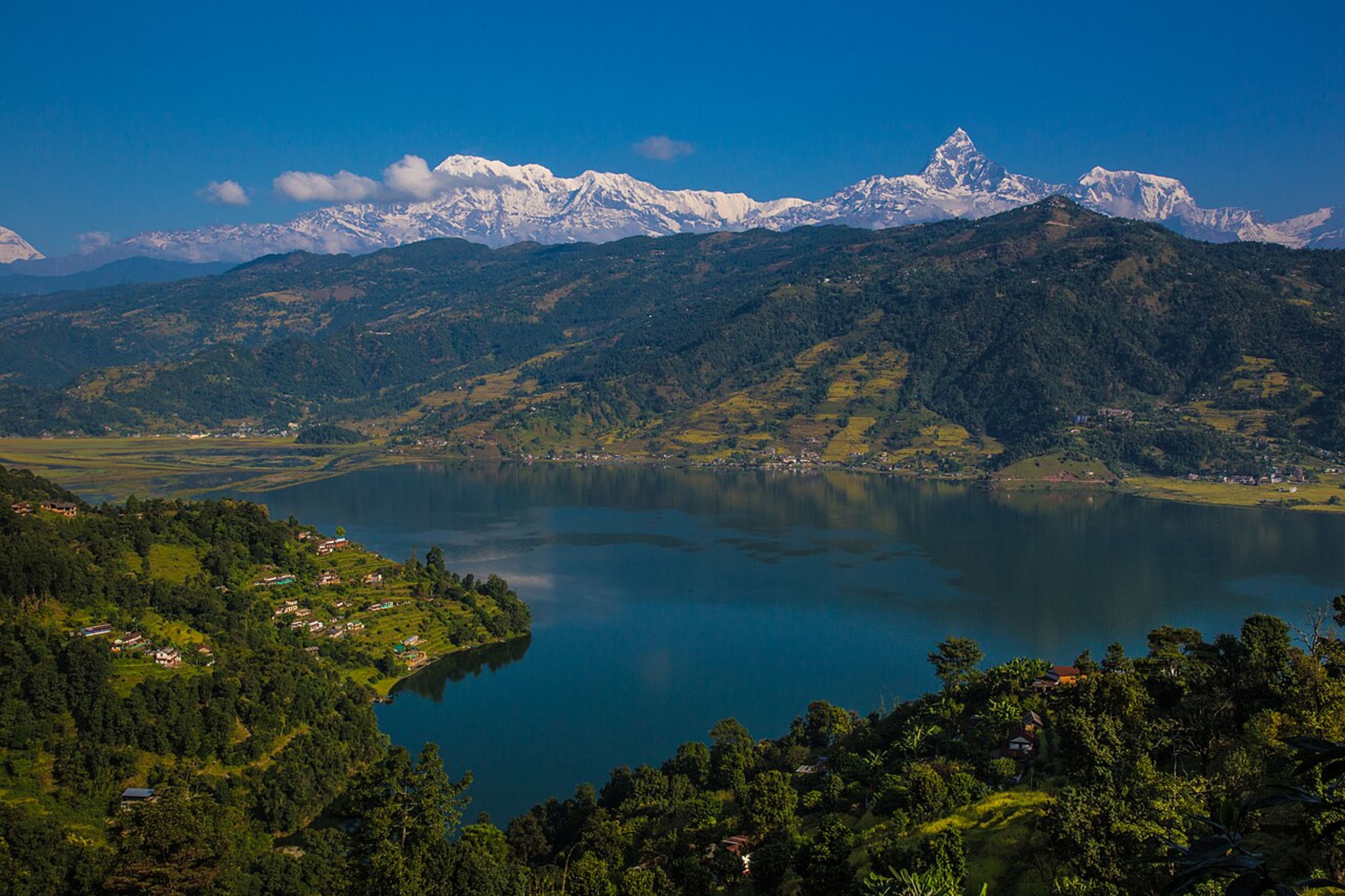
Pokhara emerges from the central Nepali valley as a serene lakeside refuge where mountain majesty meets gentle repose. This second city sits cradled by the Annapurna Range, where some of the world's highest peaks loom within striking distance—a landscape that shifts from intimate water vistas to alpine grandeur. Whether you're drawn to trek toward base camps, paddle across glassy lakes, or simply breathe in the Himalayan air, Pokhara balances accessibility with authentic mountain culture in a way few destinations can match.
Key Attractions
View all attractions →Annapurna Base Camp Trek (Access Point)
The Annapurna Base Camp trek departs from Pokhara and ascends through rhododendron forests, terraced farmland, and alpine meadows to reach a stunning amphitheater of snow-capped peaks at 4,130 meters. This moderately challenging trek offers intimate encounters with Gurung villages where traditional hospitality and homestay experiences create genuine connections with local mountain communities. Standing at the base camp surrounded by Annapurna I, Machapuchare, and Hiunchuli provides a profound sense of accomplishment and unobstructed views of some of the Himalayas' most magnificent summits.
Begnas Lake
Begnas Lake is a serene alpine lake nestled in the foothills just east of Pokhara, offering stunning mountain views and a peaceful escape from the busier Fewa Lake. The sparkling waters reflect the surrounding peaks and terraced hillsides, creating a tranquil setting perfect for kayaking, fishing, or simply absorbing the quiet natural beauty. Local villages dot the shoreline, providing authentic glimpses into rural Nepali life and opportunities to interact with communities that depend on the lake.
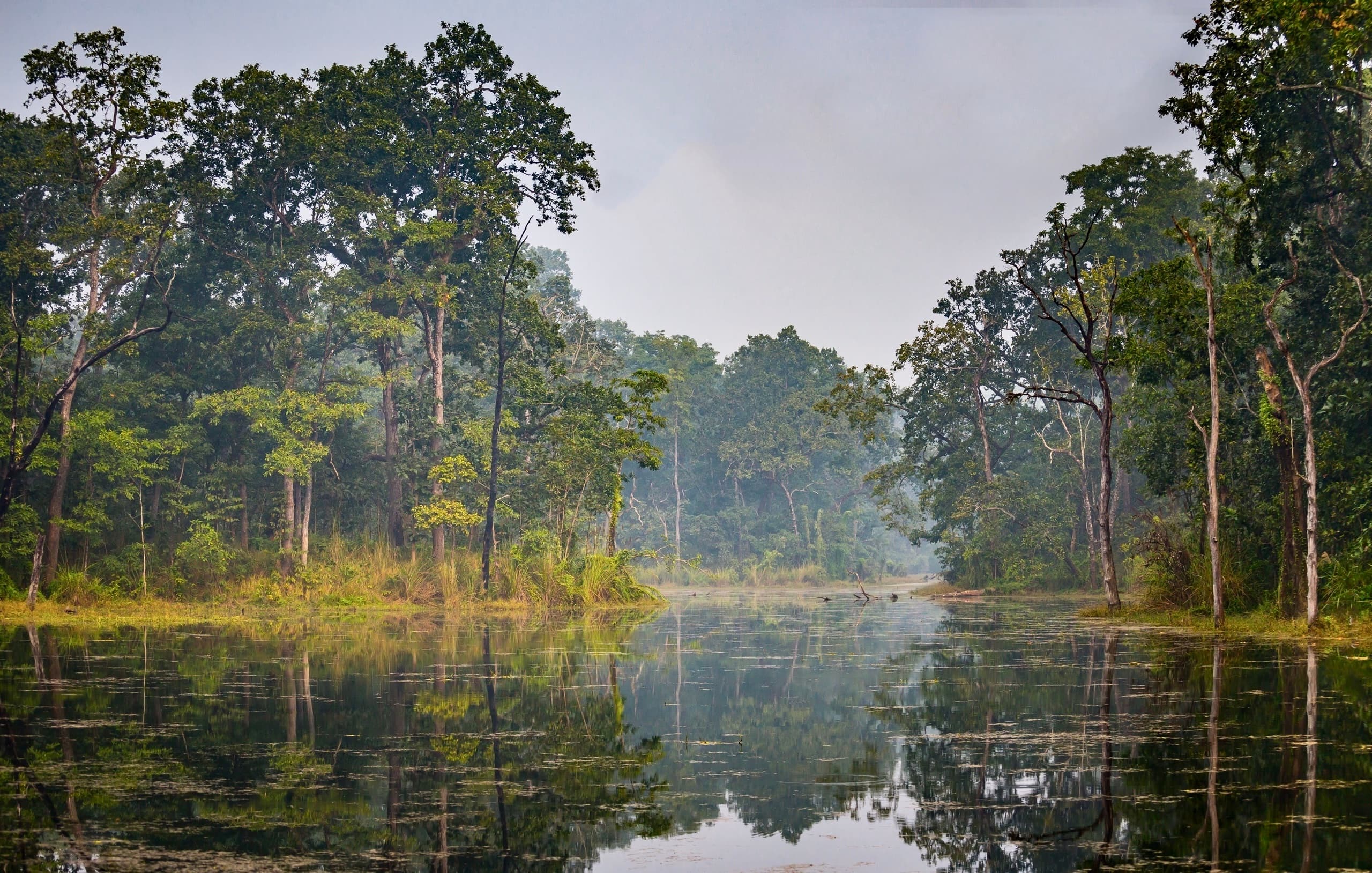
Chitwan National Park (day/overnight)
Chitwan National Park sprawls across the subtropical lowlands south of Pokhara, protecting one of Asia's most biodiverse ecosystems where Bengal tigers, one-horned rhinoceroses, and Asian elephants roam through sal forests and grasslands. Whether you choose a single day adventure or immerse yourself in an overnight stay, you'll experience the raw energy of jungle wildlife through guided safaris, canoe trips along the Rapti River, and village walks that reveal the symbiotic relationship between local communities and the park. The park's accessibility from Pokhara makes it an unmissable destination for anyone seeking authentic wildlife encounters without requiring weeks of expedition planning.
Vadim Tolbatov, CC BY-SA 4.0, via Wikimedia Commons

Devi's Falls & Gupteshwor Mahadev Cave
This dramatic waterfall thunders into a deep gorge where legend says the Hindu goddess Devi was swept away, creating a spiritual site revered by locals. The adjacent Gupteshwor Mahadev Cave (also called Gupta Godavari) extends deep underground with stalactite formations and a small temple shrine within its mysterious chambers. Together they form one of Pokhara's most captivating natural and cultural attractions where misty spray mingles with incense smoke.
Photo by Sushila Gurung
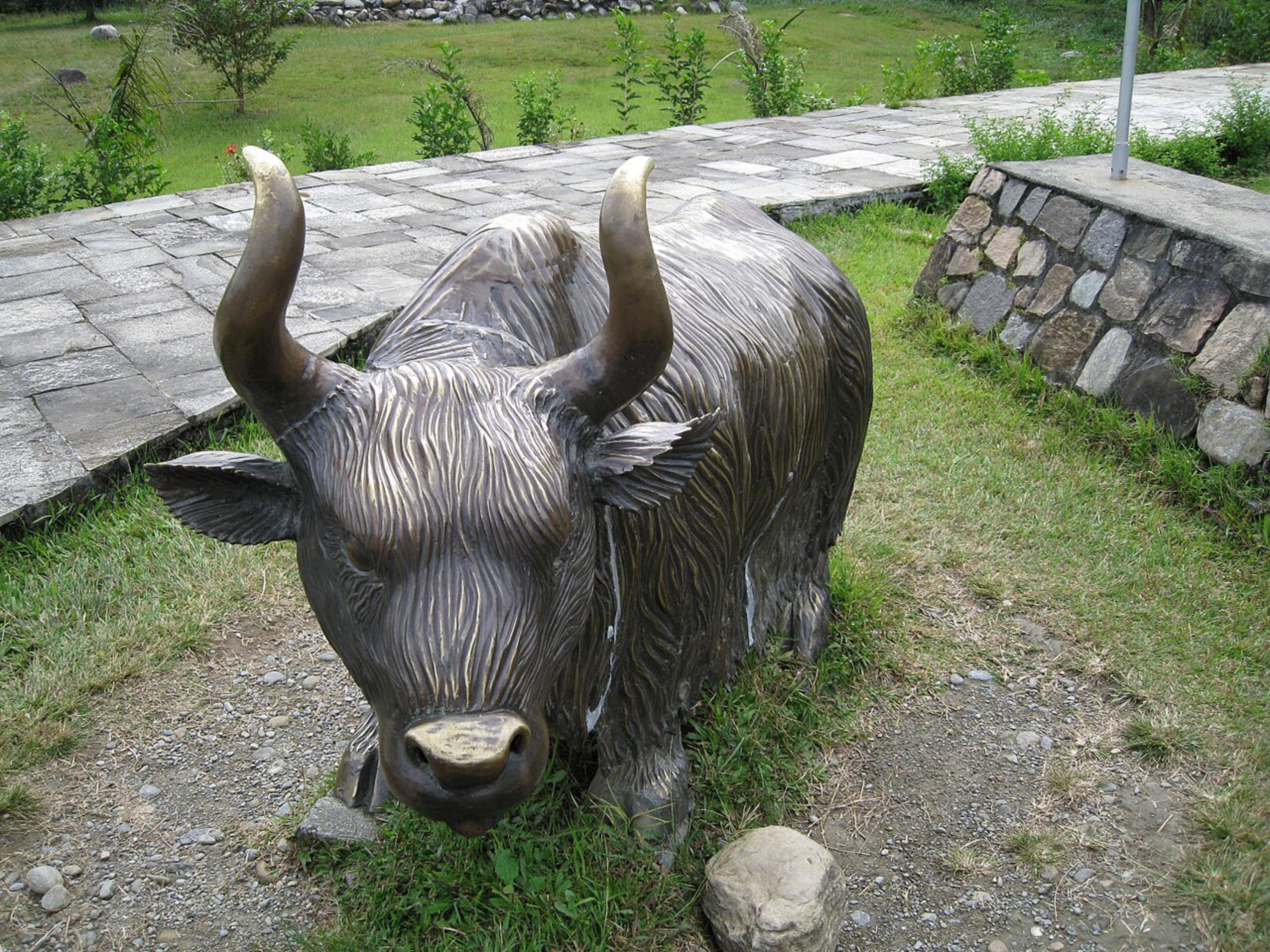
International Mountain Museum
This intimate museum captures the spirit of Himalayan mountaineering through personal artifacts, climbing equipment, and photographs from legendary expeditions. Housed in a thoughtfully designed space overlooking Phewa Lake, it tells the stories of climbers who've conquered the world's highest peaks and the local Sherpa communities who make these dreams possible. The collection includes everything from vintage ice axes to prayer flags, creating a touching tribute to mountain adventure.
Photo by en:User:MMuzammils
Old Bazaar (Bagar)
Pokhara's most authentic market pulses with the rhythms of daily Nepali life, where vendors hawk everything from fragrant spices and fresh vegetables to handwoven textiles and traditional handicrafts beneath weathered shop awnings. The labyrinthine lanes echo with bargaining voices and the clatter of commerce, offering genuine glimpses into local culture untouched by tourism polish. Ancient wooden storefronts lean against each other in this pedestrian maze that has served the community for generations.
Phewa Lake & Tal Barahi Temple
Phewa Lake stretches across Pokhara's heart as a serene mirror reflecting the dramatic Annapurna range, offering a peaceful escape from bustling streets with rowboats and paddleboats available for rent. The small Tal Barahi Temple sits on an island in the lake's center, dedicated to the Hindu goddess Barahi, and is accessible only by boat—a 10-minute journey that feels like stepping into another world. The lakeside promenade buzzes with local life: fishermen casting nets, families strolling at sunset, and waterside cafes where you can watch the mountains fade to purple as day turns to dusk.
Photo by Jean-Marie Hullot from France
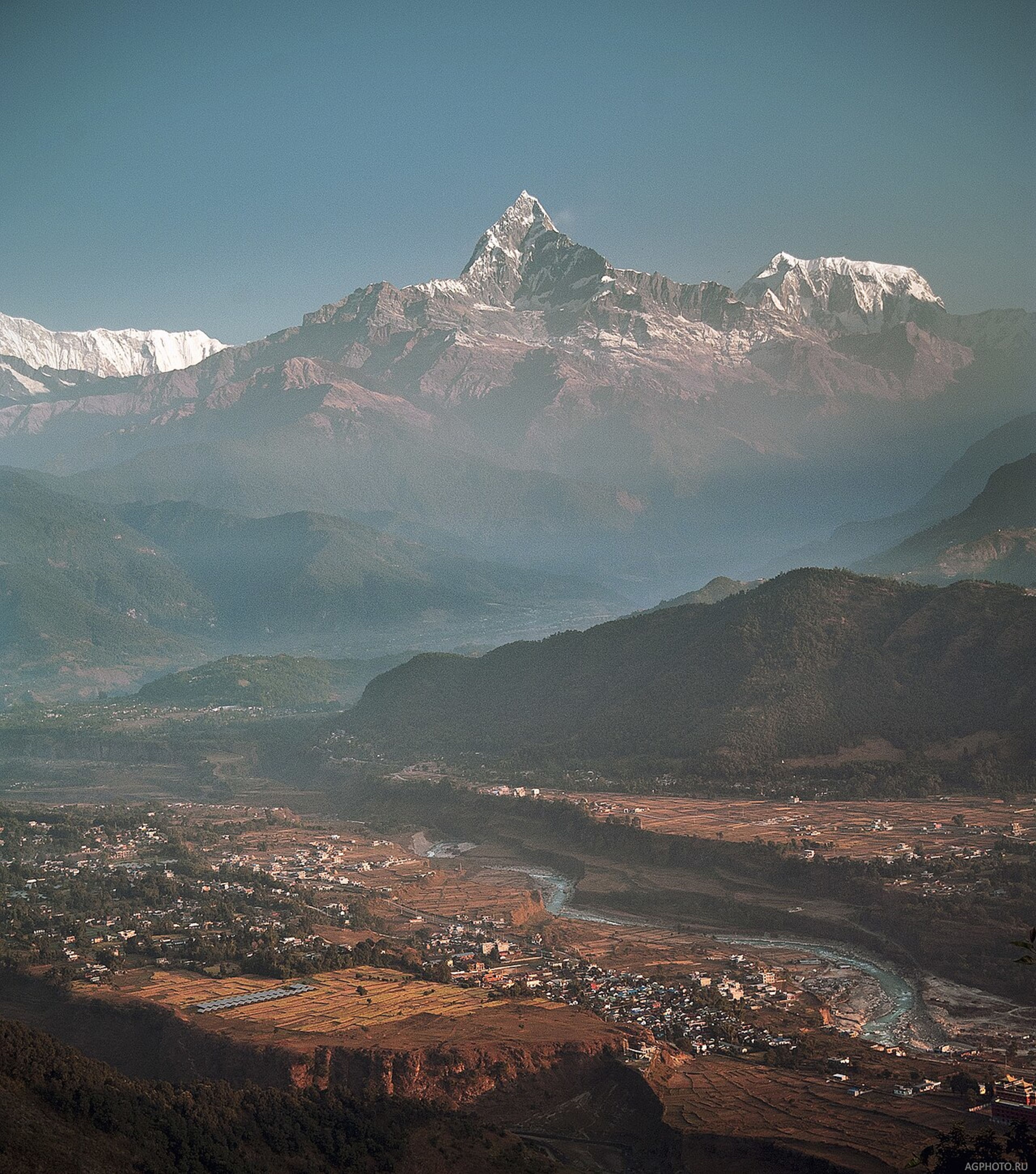
Sarangkot (Sunrise & Paragliding)
Perched at 1,592 meters above Pokhara Valley, Sarangkot reveals an almost dreamlike panorama of snow-capped Himalayan peaks bathed in golden sunrise light that feels like watching the mountains wake up. The ridge serves as a thrilling launch point for paragliding, where skilled pilots soar above lush forested slopes and terraced villages while catching thermal winds that drift toward Phewa Lake. Whether you're climbing in darkness to witness dawn's transformation or floating silently above the valleys, this sacred hillside offers moments of pure elevation—both literal and spiritual.
Photo by Adel Gainullin
Seti Gandaki Gorge
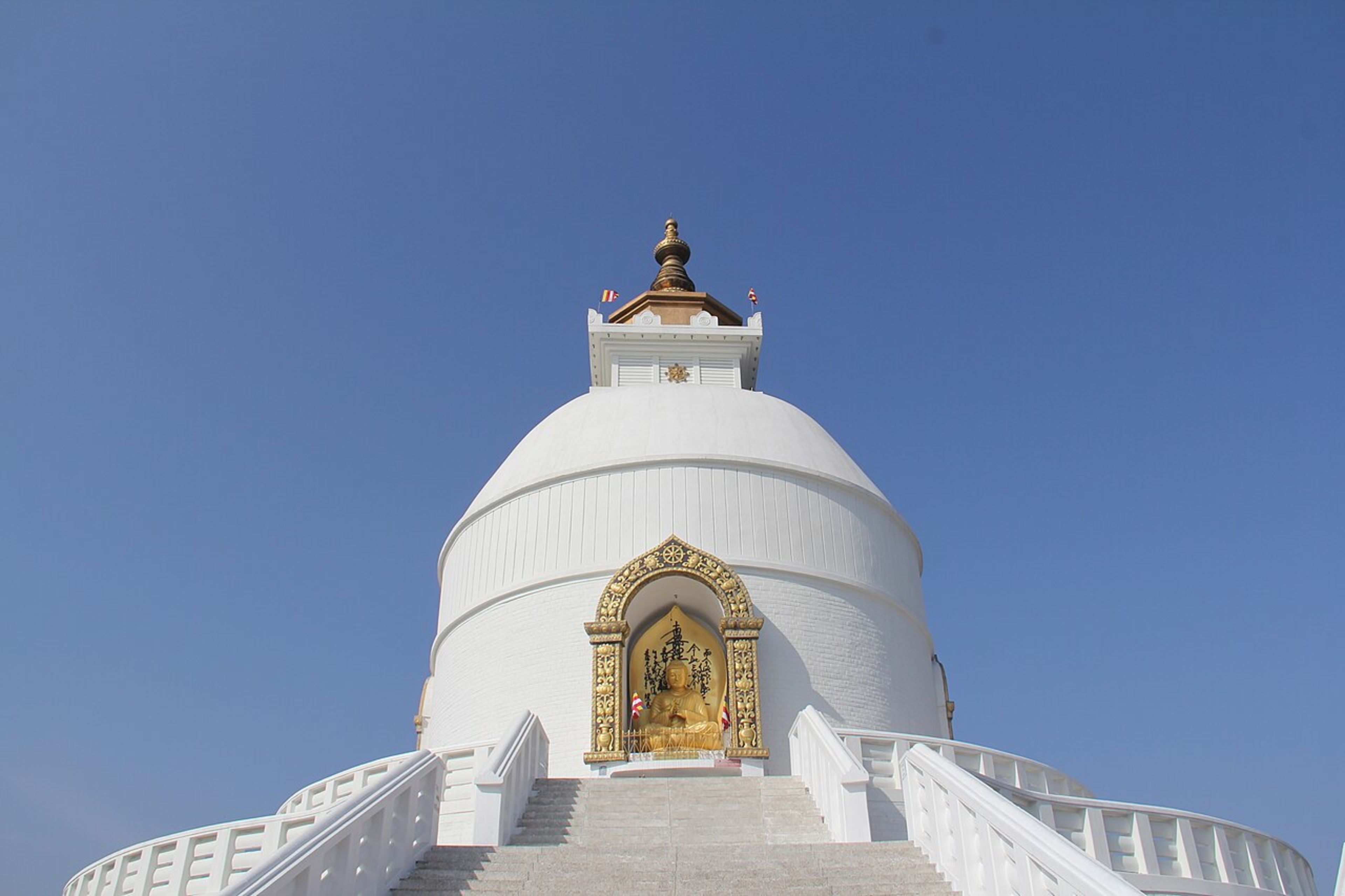
World Peace Pagoda (Shanti Stupa)
Perched on a hilltop overlooking Pokhara's serene lakes and distant Himalayan peaks, this gleaming white Buddhist pagoda radiates an almost ethereal peace against the mountain backdrop. The gentle climb through forested paths rewards you with panoramic vistas that stretch from Phewa Lake to the snow-capped ridges beyond, making it feel like you've climbed into the sky itself. Built to promote world peace, the stupa's meditative energy and tranquil surroundings create a spiritual sanctuary that transcends religious boundaries.
Photo by Yallu007
Itineraries Here
Planning a Trip to Pokhara: FAQs
When is the best time to visit Pokhara?
⌄
The best time to visit Pokhara is spring|fall.
How many days do you need in Pokhara?
⌄
Plan on about 4 days to cover Pokhara's highlights at a comfortable pace.
How do you get to Pokhara?
⌄
Pokhara is served by Pokhara International Airport, which receives flights from Kathmandu (approximately 30 minutes) and other regional hubs. Overland from Kathmandu takes 5–7 hours by car or bus, covering roughly 200 kilometers west. Local taxis, rental vehicles, and coach services connect the city to surrounding attractions and trekking access points.
What are the top things to do in Pokhara?
⌄
Top attractions in Pokhara include Annapurna Base Camp Trek (Access Point), Begnas Lake, Chitwan National Park (day/overnight), Devi's Falls & Gupteshwor Mahadev Cave and International Mountain Museum. Itinara lists 10 verified attractions in total.