
Riga's medieval heart beats beneath a stunning canopy of Art Nouveau facades—the largest concentration of Jugendstil architecture in the world—creating a dreamlike streetscape where centuries of Baltic history collide with Belle Époque grandeur. Founded in 1201 as a Hanseatic trading post, this UNESCO-listed Old Town invites wanderers to trace cobblestone streets past merchant guild halls and church spires, then ascend to panoramic views over the Daugava River and Gulf of Riga. The city balances intimate cultural depth with easy-going Nordic charm, welcoming travelers to slow down and savor the blend of German heritage, Soviet echoes, and contemporary Latvian pride.
Key Attractions
View all attractions →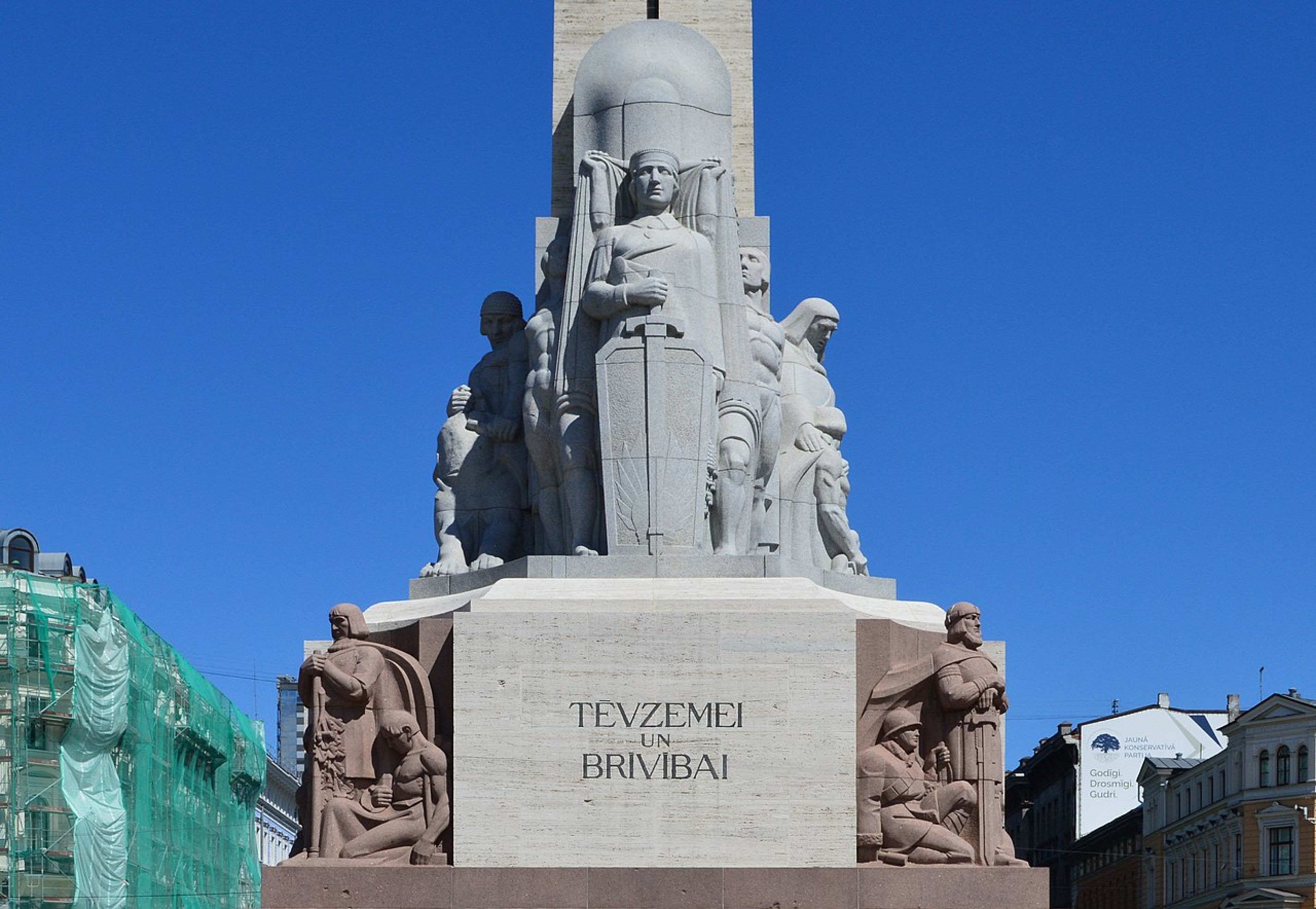
Freedom Monument (Brīvības Piemineklis)
This iconic 42-meter granite and limestone obelisk crowned with three golden stars stands as Latvia's most recognizable symbol of independence and national pride. Erected in the heart of Riga, it commemorates Latvia's struggle for freedom and serves as a gathering place where locals and visitors alike pay respects to the nation's resilience. The surrounding park creates a serene urban sanctuary where the monument's commanding presence inspires reflection on Baltic history.
Photo by Scotch Mist

House of the Blackheads
This striking Renaissance masterpiece dominates Riga's Town Hall Square with its ornate green and gold façade, originally built as a gathering place for unmarried merchants in the 14th century. Inside, you'll discover richly decorated period rooms and exhibitions that reveal centuries of Hanseatic merchant life and the building's dramatic restoration after Soviet-era damage. The house represents a remarkable symbol of Latvian resilience and architectural pride in the heart of the Old Town.
Photo by Diliff
Jugendstil (Art Nouveau) Architecture District
Wander through the world's largest concentration of Art Nouveau buildings, where ornate facades adorned with mythical creatures and geometric patterns transport you to early 20th-century elegance. The quiet streets of this UNESCO-recognized district reveal intimate courtyards and hidden gems that whisper stories of Riga's prosperous merchant class. Each corner reveals another masterpiece of curves and decorative excess that feels like stepping into a living architectural museum.
Latvian Ethnographic Open Air Museum
Spread across 86 hectares on the shores of Lake Jugla, this immersive museum brings Latvia's rural heritage to life through dozens of authentic 18th and 19th-century farmsteads, churches, and workshops relocated from across the country. Wander through weathered wooden cottages, observe craftspeople demonstrating traditional skills like weaving and blacksmithing, and experience how Latvian families lived before industrialization. The museum hosts seasonal events featuring folk music, traditional crafts, and authentic regional cuisine that transport you directly into Latvia's pastoral past.
Latvian National Museum of Art
Latvia's premier art institution showcases an impressive collection of works spanning from the medieval period through contemporary art, with particular strength in Latvian modernism and national heritage pieces. The museum's elegant neoclassical building on Kronvalda Boulevard creates an inviting atmosphere where you can wander through intimate galleries filled with paintings, sculptures, and decorative arts that tell the story of Latvia's creative spirit. Whether you're drawn to the bold colors of early 20th-century Latvian expressionism or the serene landscapes of Baltic romanticism, there's genuine beauty waiting around every corner.
Old Town Riga (UNESCO)
Wander through Riga's enchanting medieval heart, where narrow cobblestone lanes reveal pastel guild houses, hidden courtyards, and atmospheric cafes tucked beneath centuries-old archways. This UNESCO-listed quarter seamlessly blends Gothic spires, Art Nouveau details, and baroque facades that tell stories of Hanseatic merchant life, Swedish occupation, and Soviet era resilience. The compact neighborhood invites aimless exploration—each corner reveals a small museum, gallery, or restaurant where locals still gather despite the tourist traffic.

Riga Cathedral (Dome Cathedral)
This magnificent red-brick Gothic cathedral stands as Riga's largest church and a masterpiece of Baltic medieval architecture, with its distinctive asymmetrical twin spires dominating the Old Town skyline. Inside, the soaring vaults and intricate wooden carvings create an atmosphere of quiet grandeur, while the famous 18th-century organ—one of Europe's largest at the time—still fills the space with remarkable acoustics. Wander through the serene interior to discover ornate tombstones, Renaissance choir stalls, and centuries of spiritual history layered into every stone.
Photo by ¡0-8-15!
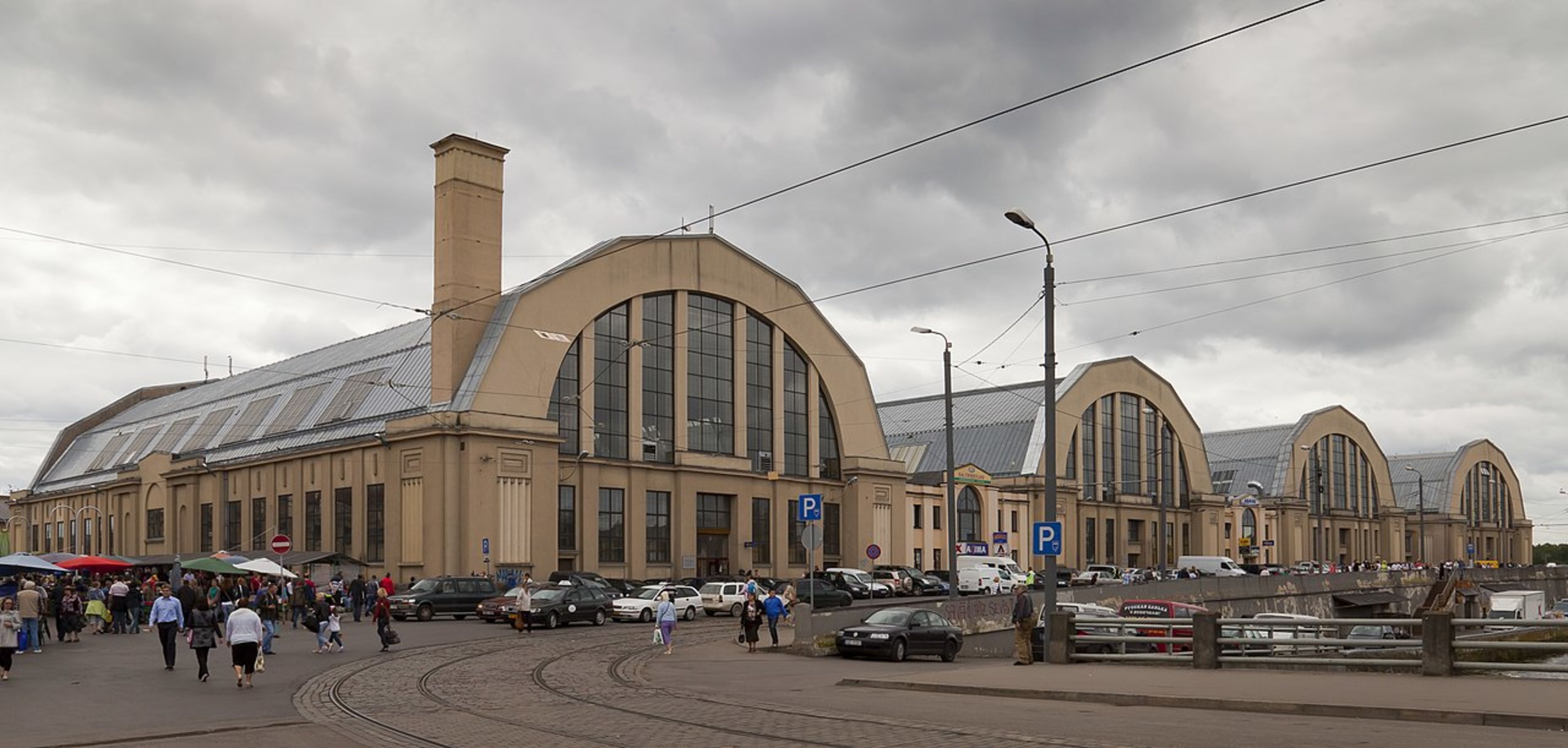
Riga Central Market
Sprawling across a former military parade ground, Riga's Central Market pulses with the energy of local vendors hawking everything from Baltic amber to freshly caught fish in five distinctive pavilion buildings. The market's eclectic mix of stalls—from organic vegetables to Soviet-era knick-knacks and clothing—offers an authentic glimpse into Latvian daily life and culinary traditions. Wander between the fragrant meat and fish pavilions to taste local delicacies like smoked eel and traditional rye bread that define the region's food culture.
Photo by Diego Delso

St. Peter's Church (Panorama View)
Perched above Riga's Old Town, this Gothic spire's observation platform rewards climbers with breathtaking 360-degree views stretching across red-tiled roofs to the Daugava River and beyond. The church itself, meticulously reconstructed after WWII damage, blends medieval authenticity with modern restoration that honors its centuries-old foundation. From this vantage point, you can trace the layout of Latvia's charming capital and spot landmarks in every direction.
Photo by Diliff
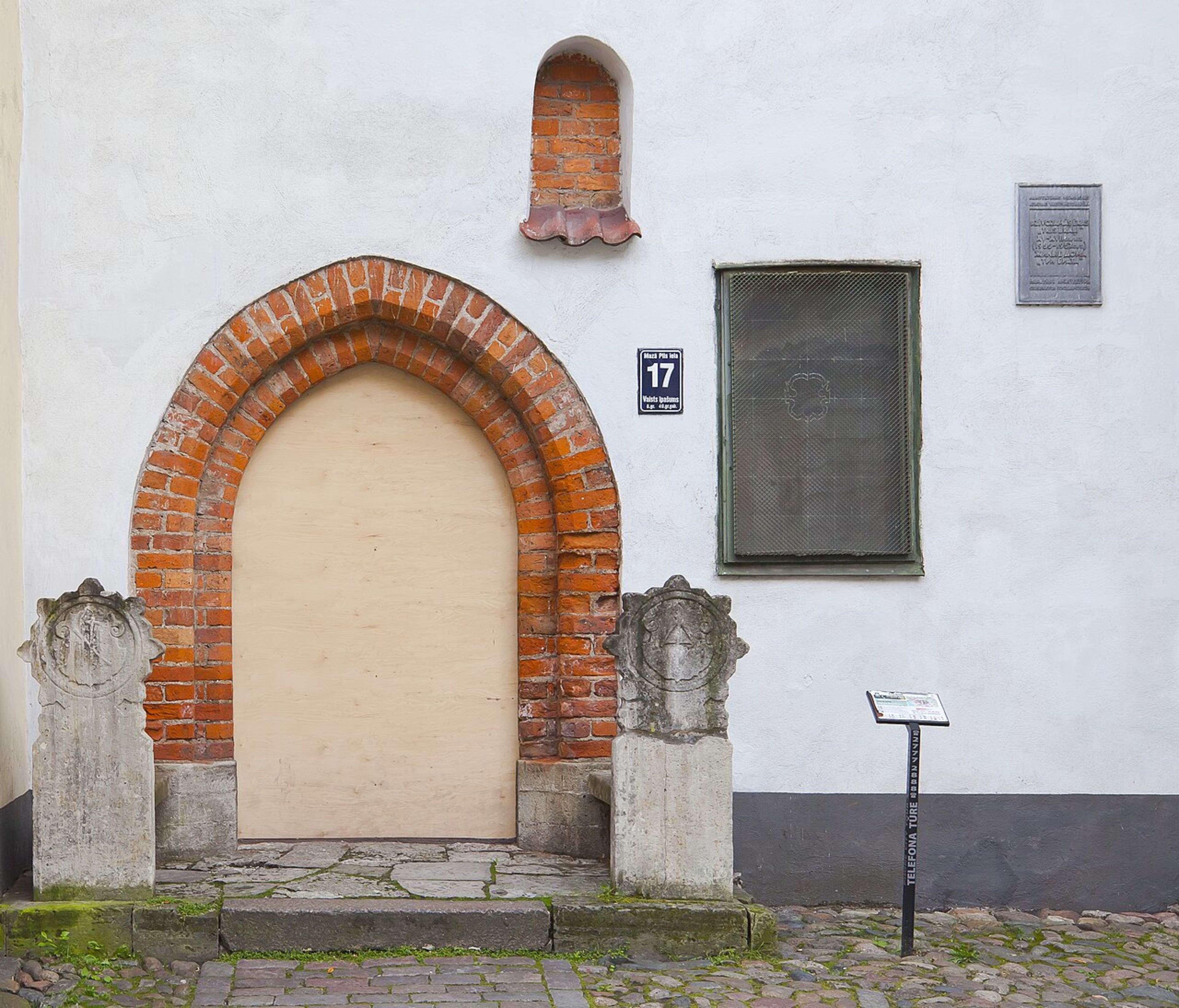
Three Brothers (Medieval Houses)
These three narrow adjoining townhouses represent three centuries of Riga's architectural evolution, with the oldest dating to the 15th century and showcasing the city's transformation from medieval trading hub to prosperous Baltic capital. Each building tells a distinct story through its facade—from the steepest gable of the youngest 1760s structure to the austere stonework of the earliest dwelling—creating a charming vertical timeline along Jauniela Street. The trio stands as a beloved symbol of Old Riga's resilience and character, drawing visitors eager to touch centuries-old brick and imagine the merchants and craftspeople who once called them home.
Photo by Diego Delso
Itineraries Here
Planning a Trip to Riga: FAQs
When is the best time to visit Riga?
⌄
The best time to visit Riga is summer.
How many days do you need in Riga?
⌄
Plan on about 3 days to cover Riga's highlights at a comfortable pace.
How do you get to Riga?
⌄
Riga International Airport (RIX) serves as the main gateway, located roughly 10 km southwest of the city center with direct connections to major European hubs. The city is also reachable by train and bus from Tallinn (approximately 4–5 hours) and other Baltic capitals, and lies about 310 km from Vilnius by car across Lithuania's plains.
What are the top things to do in Riga?
⌄
Top attractions in Riga include Freedom Monument (Brīvības Piemineklis), House of the Blackheads, Jugendstil (Art Nouveau) Architecture District, Latvian Ethnographic Open Air Museum and Latvian National Museum of Art. Itinara lists 10 verified attractions in total.