
Siem Reap is the gateway to one of the world's most breathtaking archaeological wonders, where ancient temple ruins emerge from jungle vines and tell the story of a vanished empire. The city pulses with energy—a blend of spiritual heritage, colonial charm, and vibrant modern culture—that draws adventurers, history seekers, and temple explorers from across the globe. Wandering through Angkor's sprawling complexes at dawn, when mist clings to stone faces and birdsong fills the air, feels like stepping back centuries into a living monument to human ambition and artistry.
Key Attractions
View all attractions →
Angkor National Museum
This world-class museum houses an extraordinary collection of Khmer sculptures and artifacts spanning from the 4th to 15th centuries, offering essential context before exploring the temples themselves. Beautifully curated galleries guide you through the artistic evolution of the Angkorian empire with artifacts that bring the civilization's grandeur to life. The museum's modern design and informative displays make it an ideal starting point for understanding Cambodia's glorious past.
Photo by emilio labrador
Angkor Thom (Walled City)
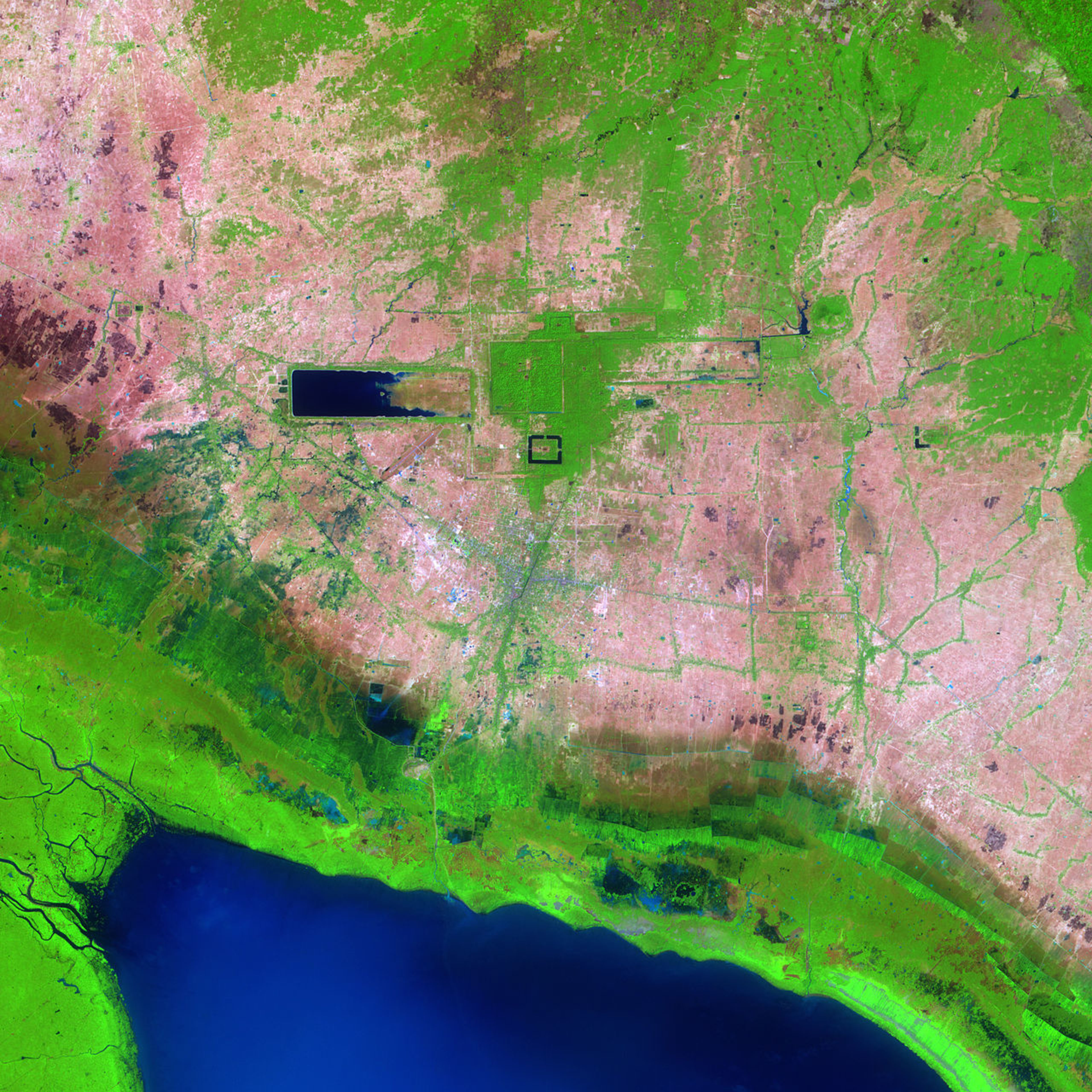
This sprawling 12th-century walled city once served as the capital of the Khmer Empire and remains one of Southeast Asia's most awe-inspiring archaeological treasures. Encircled by a 12-kilometer stone wall and moat, Angkor Thom encompasses the famous Bayon temple with its haunting four-faced towers, plus countless lesser-known sanctuaries, palaces, and administrative buildings that whisper stories of ancient grandeur. Walking through its tree-lined avenues and crumbling stone structures feels like stepping directly into a lost civilization.
Photo by Chris 73
Angkor Wat
This sprawling 12th-century temple complex rises majestically from the Cambodian jungle, its iconic towers and intricate carvings reflecting both architectural genius and spiritual devotion. Angkor Wat seamlessly blends Hindu and Buddhist symbolism across its galleries and courtyards, telling stories of ancient kingdoms through every weathered stone. The temple's serene reflection pools and atmospheric corridors offer moments of profound beauty, especially during sunrise when mist clings to the ancient structures.
Photo by i_am_shaozhi

Artisans Angkor
This vibrant social enterprise showcases traditional Khmer crafts through open workshops where you can watch skilled artisans carving stone, sculpting wood, and creating intricate silk textiles in real time. Visitors gain direct insight into centuries-old techniques while supporting rural youth training programs that preserve Cambodia's cultural heritage. The adjoining shop offers ethically-produced handicrafts that make meaningful souvenirs with genuine social impact.
Photo by Vicente Delgado — CC BY-SA 4.0
Banteay Srei Temple
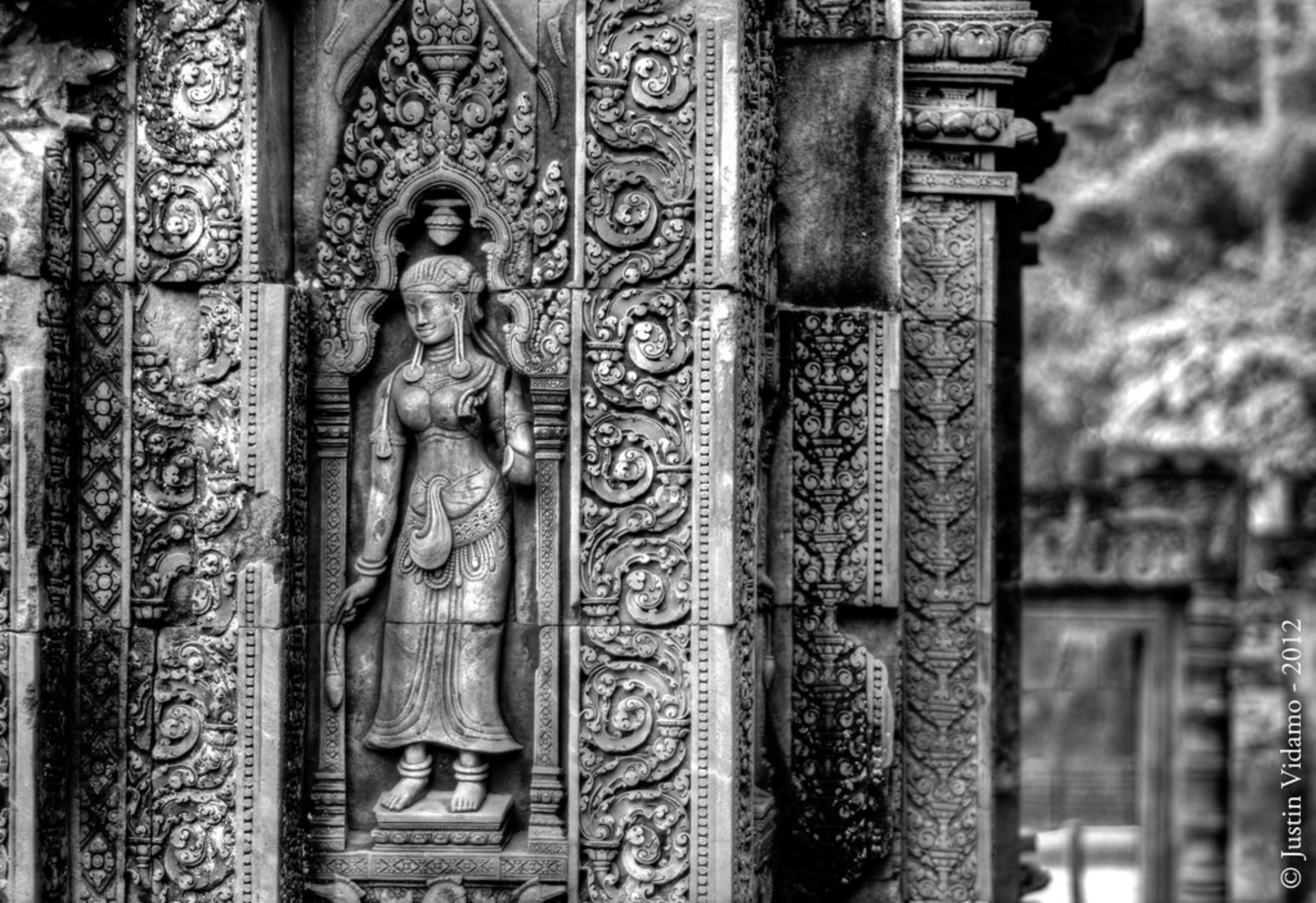
Nestled in the countryside northeast of Siem Reap, this petite 10th-century temple captivates visitors with its exquisite pink sandstone carvings and intricate bas-reliefs depicting Hindu mythology in stunning detail. Despite its smaller size compared to Angkor's giants, Banteay Srei's artistic refinement and remarkably preserved decorative elements make it feel like stepping into an ancient jewel box of stone craftsmanship. The temple's intimate scale and peaceful setting provide a refreshing contrast to the crowded main temple complex.
Photo by justin_vidamo

Bayon Temple (Angkor Thom)
Rising from the heart of Angkor Thom, Bayon Temple mesmerizes visitors with its forest of 54 towers adorned with 216 serene stone faces that gaze in all directions, creating an almost spiritual atmosphere. The temple's intricate bas-reliefs depicting daily life, battles, and celestial scenes tell stories of Cambodia's glorious Khmer Empire across its inner galleries. Exploring the labyrinthine passages and climbing between towers rewards you with ever-changing perspectives of these enigmatic faces that have captivated travelers for centuries.
Photo by Krzysztof Golik

Beng Mealea Temple
Beng Mealea is a sprawling 12th-century temple complex that feels like stepping into an Indiana Jones adventure, with massive stone blocks tumbled across the ground and ancient galleries consumed by twisted tree roots. Unlike the polished grandeur of Angkor Wat, this ruin's raw, overgrown state creates an atmosphere of genuine archaeological discovery as you navigate through shadowy corridors and emerge onto moss-covered courtyards. The temple's remote location near the northern edge of the Angkor region ensures a more solitary exploration, making it perfect for travelers seeking authentic jungle mystique.
Photo by Bryn Pinzgauer
Cambodia Landmine Museum
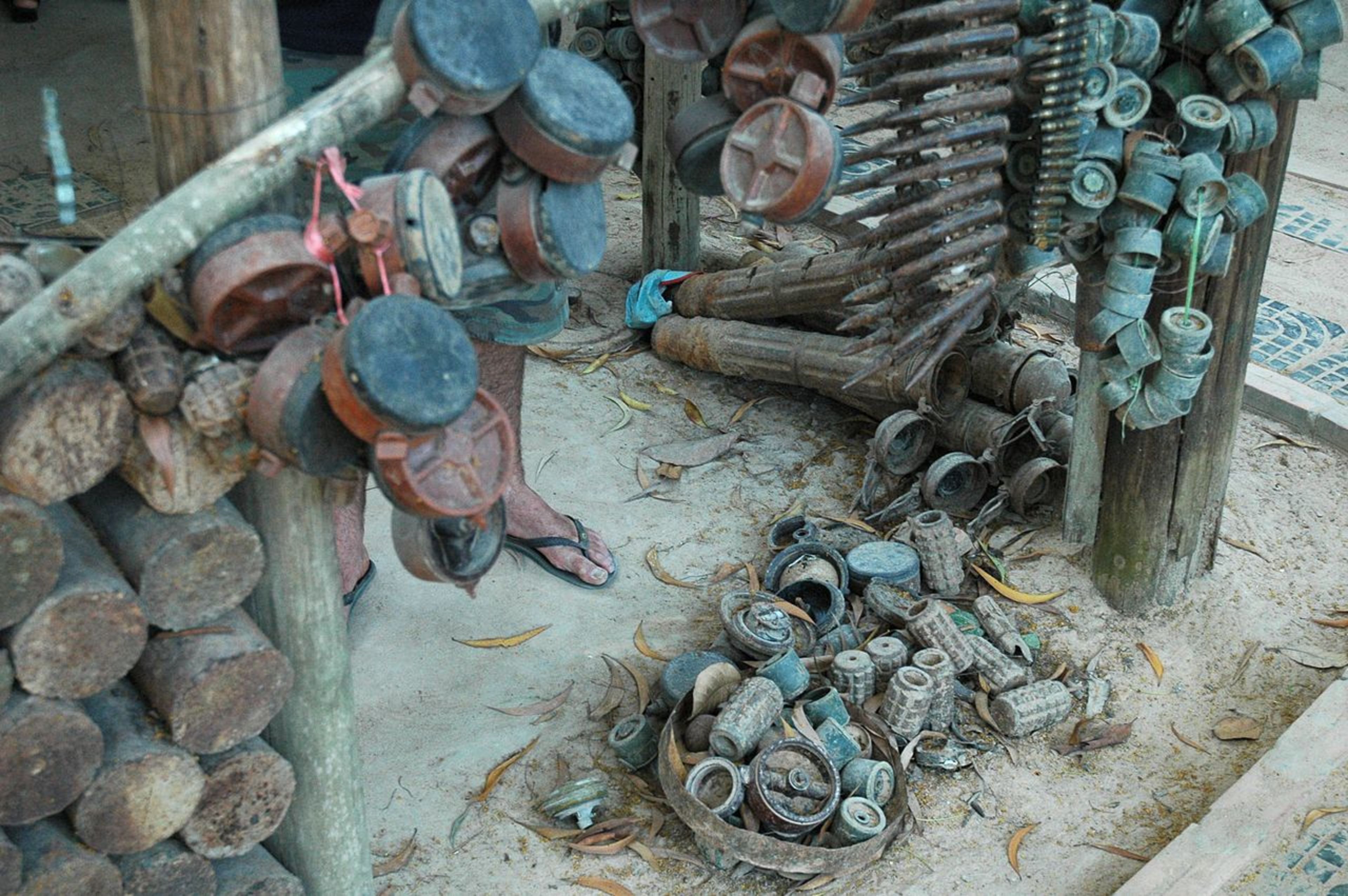
This sobering museum preserves the history of Cambodia's landmine crisis through authentic weapons, personal stories, and educational displays that chronicle the country's path to recovery. Run by former child soldier Aki Ra, the museum combines historical artifacts with touching narratives that humanize the victims and survivors of Cambodia's decades of conflict. The adjacent sanctuary provides refuge to landmine-affected children and animals, creating a space where healing and hope coexist with remembrance.
Photo by User: (WT-shared) Jpatokal at wts wikivoyage
Kulen Mountain (Phnom Kulen)
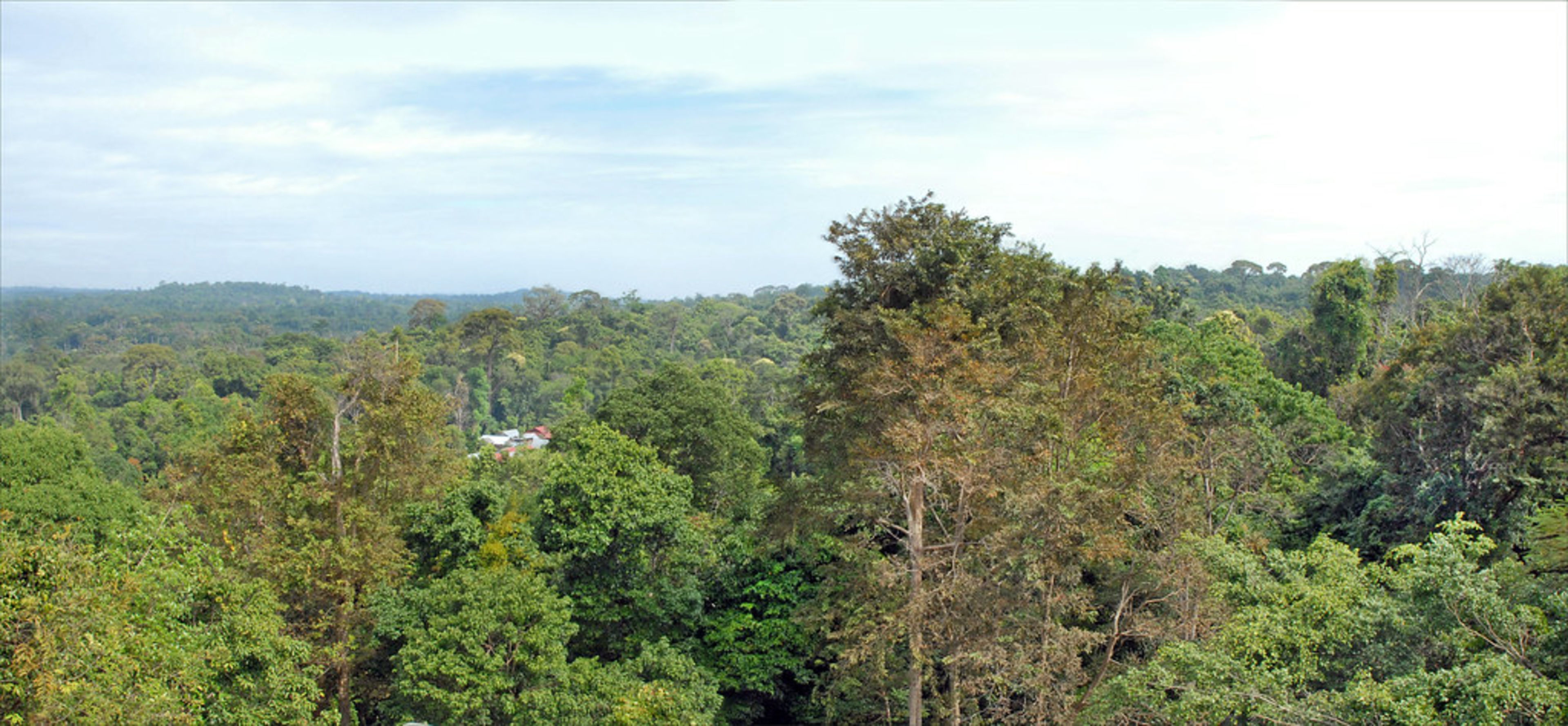
Sacred to Khmer culture, Phnom Kulen sprawls across 1,500 square kilometers of forested highlands where ancient temples nestle among thousand-year-old trees and natural waterfalls cascade into emerald pools. The mountain served as the ancient capital of the Khmer Empire and remains spiritually significant, with pilgrims visiting to bathe in the holy waters believed to have cleansing properties. Beyond its religious importance, the landscape offers genuine respite from temple crowds, with lush jungle trails and refreshing natural springs that feel worlds away from bustling Siem Reap.
Photo by dalbera

Night Market Siem Reap
This vibrant evening bazaar near the Old Market pulses with energy as locals and travelers mingle among stalls selling everything from silk scarves to street food delicacies under glowing lights. The aroma of grilled meats, fresh spring rolls, and exotic spices fills the air while vendors expertly prepare dishes right before your eyes. Unlike its daytime counterpart, the Night Market captures a more relaxed, social atmosphere where Cambodian families gather to eat, shop, and enjoy the cooler evening temperatures.
Photo by ImprovedWikiImprovment

Phnom Bakheng (Sunset Viewpoint)
Perched on a hilltop overlooking the Angkor complex, Phnom Bakheng's summit rewards the climb with breathtaking panoramic views of Angkor Wat and surrounding temples bathed in golden light. This ancient temple site, dating back to the 10th century, transforms into a magical vantage point as the sun dips below the horizon, casting the entire archaeological park in warm amber tones. The viewpoint draws crowds of sunset seekers, making it one of Siem Reap's most visited spots for photography and contemplation.
Photo by Chris Liu
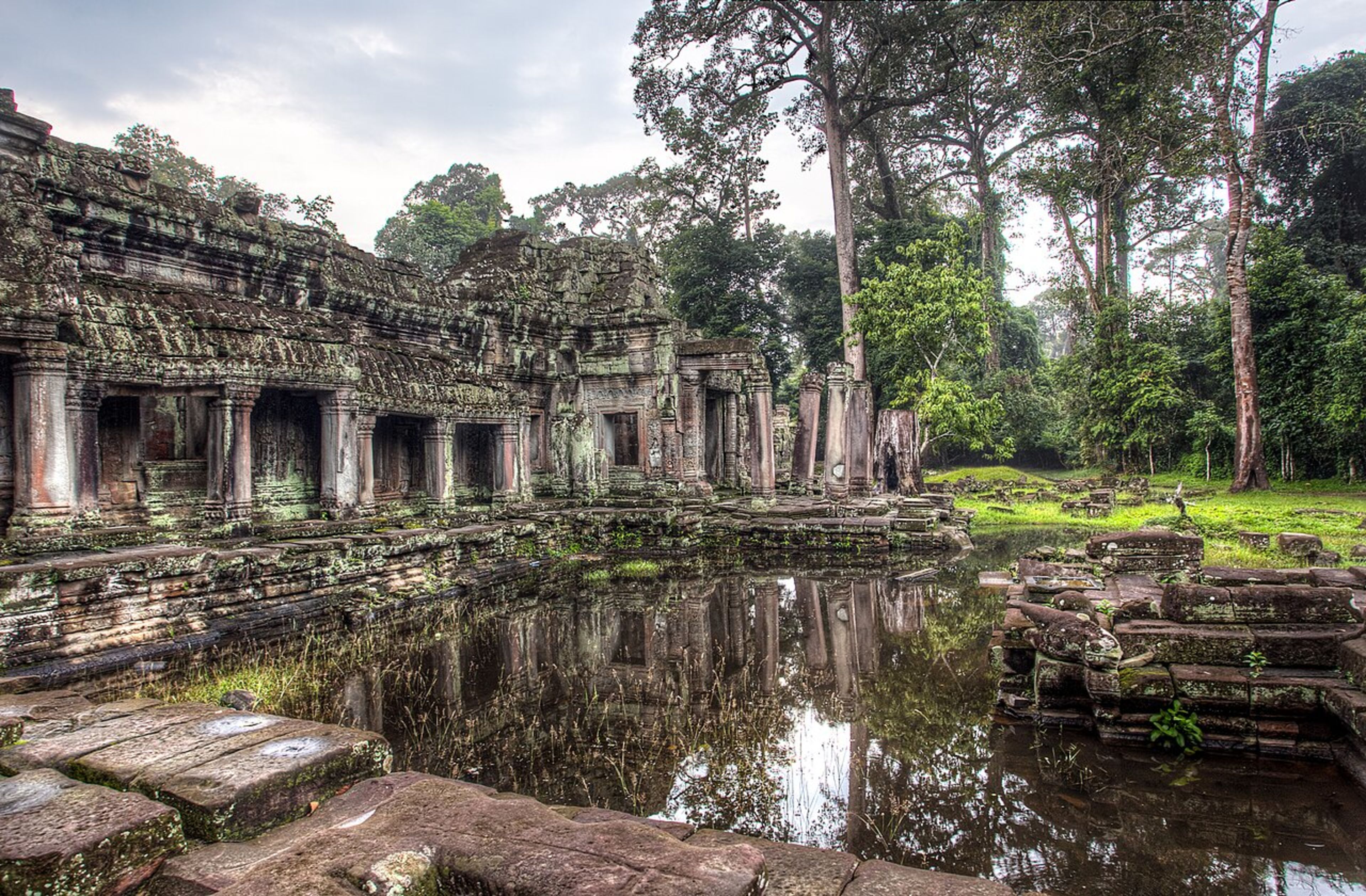
Preah Khan Temple
This atmospheric 12th-century temple sprawls across a vast complex where nature and architecture dance together in beautiful overgrowth, with soaring galleries and hidden chambers whispering stories of centuries past. Unlike the polished grandeur of nearby Angkor Wat, Preah Khan feels like an adventure through time, where vines cascade from stone walls and light filters mysteriously through crumbling doorways. The temple rewards curious explorers with quiet corners and unexpected discoveries at every turn.
Photo by Anne Dirkse (www.annedirkse.com)

Pub Street
Photo by Insights Unspoken

Ta Prohm Temple (Tomb Raider)
This hauntingly beautiful 12th-century Khmer temple has become iconic thanks to its starring role in Tomb Raider, where massive tree roots dramatically reclaim the crumbling stone structures. Wandering through its atmospheric galleries and courtyards feels like stepping into an ancient jungle dream, with nature and architecture locked in an eternal embrace. The temple's mystique comes not just from its cinematic fame but from its genuine sense of mystery—a place where you can almost hear the whispers of centuries past.
Photo by shankar s.

Tonle Sap Lake (Floating Villages)
Southeast Asia's largest freshwater lake transforms dramatically with the seasons, swelling to six times its dry-season size and creating a surreal landscape where entire communities float on water. The floating villages of Kompong Phluk, Kompong Khleang, and Chong Kneas offer intimate glimpses into the daily lives of Cham Muslim and Vietnamese fishing families who have inhabited these waters for generations. Sunrise boat tours reveal a world of fishing nets, floating schools, temples, and markets suspended between water and sky.
Photo by emilio labrador