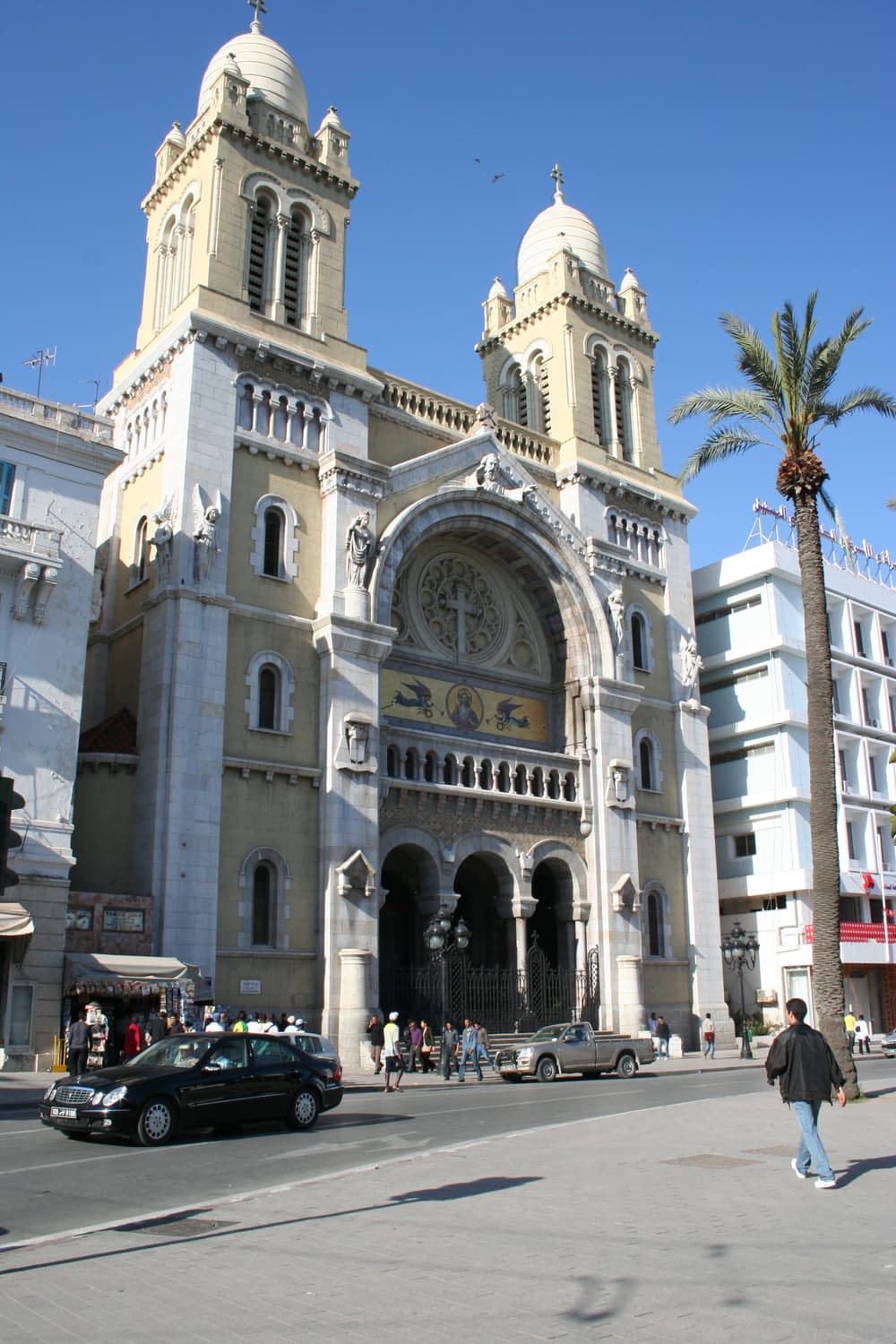
Tunis, the vibrant capital of Tunisia nestled on the Gulf of Tunis, blends centuries of Mediterranean history with contemporary North African energy. The UNESCO-listed Medina at its heart pulses with narrow souks, muezzin calls, and the scent of spices, while the broader city spreads across coastal plains dotted with parks and colonial-era architecture. From ancient Carthage's haunting ruins to the white-and-blue charm of clifftop Sidi Bou Said, Tunis offers layers of discovery without the overwhelming scale of larger Maghreb cities.
Key Attractions
View all attractions →Bardo National Museum
Housed in an opulent 19th-century palace, the Bardo Museum showcases one of the world's finest collections of Roman mosaics, including the stunning Alexander the Great mosaic that captures the drama of ancient conquest. The museum's galleries flow through lavishly decorated rooms where intricate marble floors and colorful tilework provide an atmospheric setting for treasures spanning from Punic through Islamic periods. Walking these halls feels like stepping through layers of Mediterranean history, with each room revealing artifacts that illuminate the region's rich cultural tapestry.
Belvedere Park
Perched on Tunis's highest point, this verdant hilltop sanctuary offers sweeping panoramic views of the medina, white-washed neighborhoods, and distant Mediterranean horizons. The park blends lush Mediterranean gardens with shaded pine groves and winding pathways that invite leisurely exploration, making it a beloved escape for locals seeking respite from the bustling city below. Its peaceful ambiance and commanding vistas create an ideal spot for reflection or picnicking with friends.
Carthage Ruins (day trip)
Wander through haunting remnants of one of history's greatest civilizations, where crumbling columns and ancient foundations whisper stories of Phoenician traders, Roman conquerors, and centuries of Mediterranean power struggles. The site sprawls across hillsides overlooking the Tunis suburb of La Marsa, offering glimpses into residential quarters, ceremonial spaces, and fortifications that shaped the ancient world. Though much lies beneath modern development, what remains evokes the grandeur of a city that once rivaled Rome itself.
Dougga Archaeological Site (day trip)
Perched dramatically on a hilltop north of Tunis, Dougga is one of North Africa's best-preserved Roman towns, where honey-colored stone buildings and remarkably intact mosaics whisper stories of 2,000 years past. Wander through the atmospheric remains of theaters, temples, and residences that once flourished as a prosperous Numidian settlement before Rome's expansion. The panoramic views across the surrounding countryside make this a photographer's paradise as much as a historian's playground.
El Abiodh Cathedral (Carthage)
This striking white neo-Romanesque cathedral dominates the Carthage skyline with its distinctive dome and pale limestone facade, offering a serene spiritual retreat in the ancient ruins of this storied Mediterranean city. Inside, you'll discover peaceful cloisters, intricate mosaics, and a surprisingly tranquil atmosphere that contrasts beautifully with the bustling archaeological sites nearby. The cathedral serves as both an active place of worship and a window into Carthage's complex religious history.
Medina of Tunis (UNESCO)
This sprawling medieval medina is a sensory feast of labyrinthine souks, hidden riads, and whitewashed architecture that has remained largely unchanged for centuries. Wander through bustling spice markets, textile vendors, and metalwork shops where merchants call out their wares in rapid Arabic, then escape into tranquil courtyards dripping with jasmine and bougainvillea. The energy shifts dramatically from frenetic bazaar to serene mosque, from crowded food stalls to quiet neighborhoods where locals go about their daily lives.
Municipal Theatre of Tunis
This stunning Belle Époque theater in the heart of Tunis has hosted world-class performances since its inauguration, with its ornate interior featuring red velvet seats and gilded balconies that transport you back to Tunisia's golden age. The venue showcases local and international productions including classical drama, ballet, and contemporary performances, making it a vibrant cultural hub. Catching a show here offers an authentic glimpse into Tunisian artistic tradition while enjoying one of North Africa's most beautifully preserved theaters.
Sidi Bou Said Village
Perched dramatically on a cliff above the Mediterranean, this enchanting village is a living postcard painted in brilliant indigo blue and pristine white, where every corner frames the sea below. Wander through pedestrian lanes lined with art galleries, quaint cafés, and traditional craft shops that reveal generations of Tunisian heritage and contemporary creativity. The sweeping vistas from terraces overlooking the gulf create moments of pure magic, especially when the afternoon light bathes the whitewashed buildings in warm amber tones.
Souq El Attarine
This enchanting perfume and spice souk in the heart of Tunis's medina overflows with intoxicating aromas of jasmine, rose, and exotic spices piled high in wooden stalls. Vendors in traditional dress expertly blend custom fragrances while shoppers navigate the labyrinthine passages lined with colorful bottles and fragrant oils that have attracted merchants for centuries. The souq pulses with authentic Tunisian energy—a sensory feast where haggling, laughter, and the clinking of scales create an unforgettable marketplace symphony.
Zitouna Mosque
Standing majestically in the heart of the Medina, the Zitouna Mosque is one of Tunisia's most important religious and architectural landmarks, with its distinctive minaret visible across the old city skyline. The mosque's harmonious blend of Arab, Berber, and Byzantine influences reveals layers of North African history through its elegant columns, intricate tilework, and serene courtyard lined with olive trees. Visitors are transported back centuries as they wander through the peaceful sanctuary that has served as a spiritual center and seat of learning for over 1,300 years.
Itineraries Here
Planning a Trip to Tunis: FAQs
When is the best time to visit Tunis?
⌄
The best time to visit Tunis is spring.
How many days do you need in Tunis?
⌄
Plan on about 4 days to cover Tunis's highlights at a comfortable pace.
How do you get to Tunis?
⌄
Tunis-Carthage International Airport (TUN) is the primary gateway, served by major European and regional carriers, approximately 8 km northeast of central Tunis. Ground transport includes taxis, car rental, and airport shuttles connecting to the city in 20–40 minutes depending on traffic. Regional travelers can also arrive via rail from Algeria or by car along the Mediterranean coast.
What are the top things to do in Tunis?
⌄
Top attractions in Tunis include Bardo National Museum, Belvedere Park, Carthage Ruins (day trip), Dougga Archaeological Site (day trip) and El Abiodh Cathedral (Carthage). Itinara lists 10 verified attractions in total.