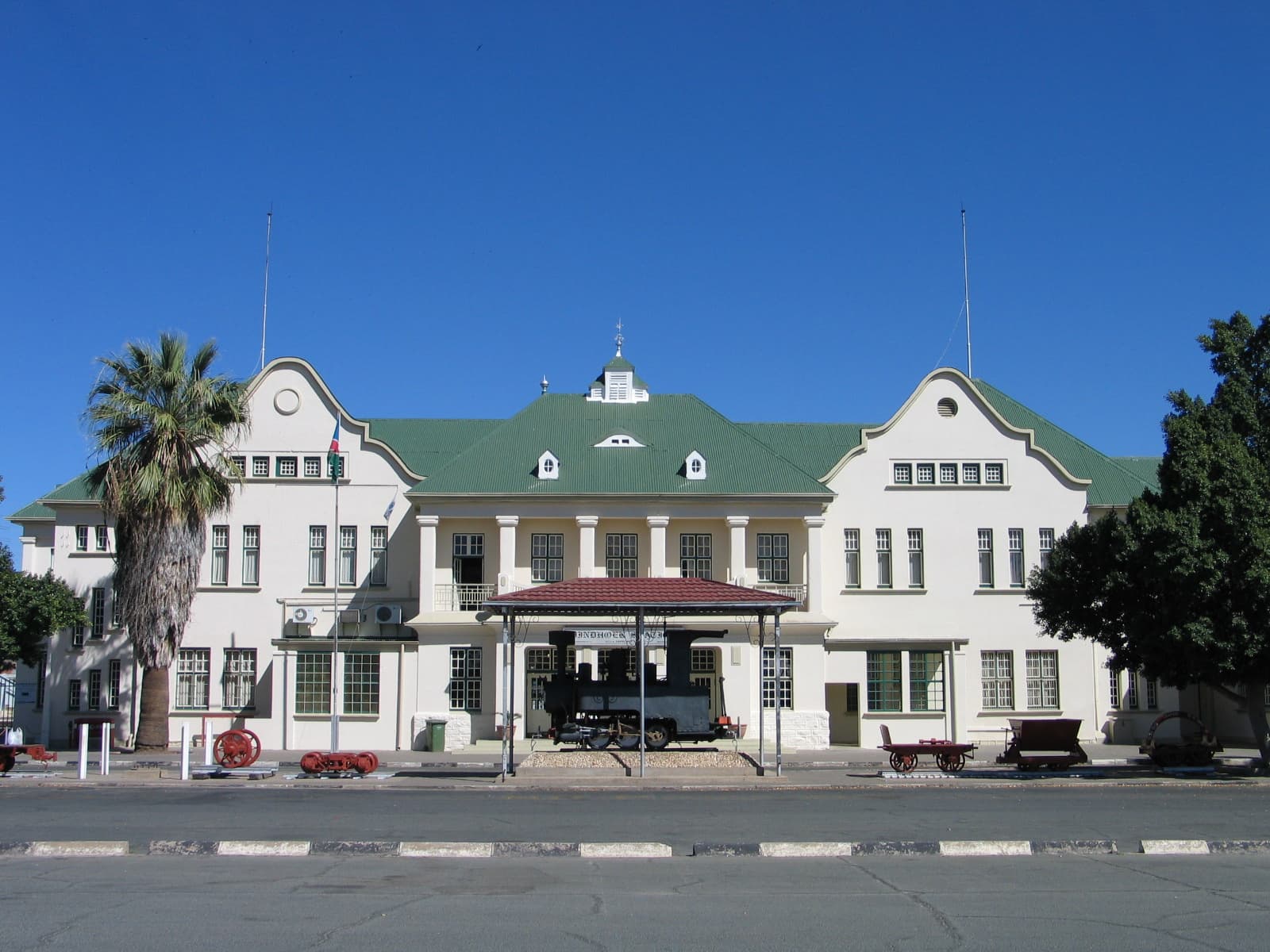
Windhoek perches on the Khomas Highland plateau at 1,700 meters above sea level, anchoring Namibia's soul as both capital and cultural crossroads. Born from a hot spring that drew pastoral communities and later German settlers, the city layers colonial architecture with contemporary African energy, creating a compact and walkable urban space that feels both cosmopolitan and authentically rooted. From here, you're positioned perfectly for excursions into some of Africa's most dramatic landscapes—whether you venture toward the otherworldly Sossusvlei dunes or the wildlife-rich expanses of Etosha.
Key Attractions
View all attractions →Alte Feste (Old Fort)
This sandstone fortress, built by German colonial forces in 1890, stands as Windhoek's oldest building and a powerful symbol of Namibia's complex history. The fort now houses the National Museum, where exhibits chronicle the country's journey from German occupation through South African mandate to independence. Climbing to the rooftop rewards you with sweeping views across the capital's colonial architecture and modern skyline.
Christuskirche
This striking neo-Gothic church dominates Windhoek's skyline with its distinctive red and white sandstone tower, offering a serene escape in the heart of the city. Built during the German colonial period, it reflects the architectural heritage that shaped Namibia's capital while remaining an active place of worship. Step inside to appreciate the peaceful interior and the blend of European design with African context.
Daan Viljoen Game Park (nearby)
Just 30 minutes from central Windhoek, this intimate 40-square-kilometer reserve offers a genuine safari experience without the remoteness, featuring kudu, springbok, giraffe, and zebra against dramatic red-rock formations. The park's self-drive routes wind through acacia-dotted landscape and past serene watering holes where animals gather at dusk, making it an accessible escape for those short on time. Its proximity to the capital makes it perfect for wildlife enthusiasts seeking an afternoon adventure before returning to city amenities.
Etosha National Park (day/overnight trip)
Etosha's vast white salt pan creates an otherworldly landscape where wildlife congregates around precious waterholes, offering some of Africa's most dramatic game-viewing opportunities. During the dry season, lions, elephants, zebras, and giraffes gather in predictable patterns, making encounters feel almost inevitable. The park's 22,270 square kilometers encompass diverse ecosystems from arid plains to woodland savanna.
Heroes Acre Monument
This solemn hilltop memorial honors Namibia's fallen independence fighters and national heroes, commanding sweeping views across Windhoek's sprawling landscape. The monument features bronze statues, engraved stone walls, and carefully landscaped gardens that create a reflective atmosphere perfect for understanding the country's liberation struggle. Visitors can explore the mausoleum and surrounding grounds at their own pace, absorbing the poignant stories etched into the monument's various installations.
Independence Memorial Museum
This striking bronze and marble monument stands as Windhoek's most visible tribute to Namibia's hard-won independence, with an integrated museum beneath that chronicles the nation's liberation struggle through photographs, artifacts, and personal testimonies. The soaring 18-meter statue captures the spirit of freedom and self-determination that defines modern Namibia, while the underground galleries provide intimate context to understand the sacrifices made during the independence movement. Visitors emerge with a profound respect for the country's journey and the determination of its people.
Namibia Craft Centre
This vibrant marketplace in Windhoek's Old Location district showcases the creative talents of Namibian artisans, offering everything from intricately carved wooden masks to colorful beadwork and traditional textiles. Wandering through the stalls feels like stepping into the heart of local culture, where you can watch craftspeople at work and hear their stories about centuries-old techniques passed down through generations. The center pulses with authentic energy—a refreshing alternative to sterile tourist shops where you're supporting artists directly.
National Museum of Namibia
Housed in a beautifully restored colonial building in the heart of Windhoek, this museum traces Namibia's rich cultural heritage from pre-colonial times through independence. The thoughtfully curated galleries feature ethnographic artifacts, historical documents, and contemporary art that tell the stories of Namibia's diverse peoples and complex past. Visitors gain genuine insight into the country's San traditions, colonial history, and the liberation struggle that shaped modern Namibia.
Post Street Mall (Meteorite Collection)
Tucked within Windhoek's central Post Street Mall, this compact but captivating meteorite collection showcases specimens that have fallen to Namibia's desert over millennia, telling stories written in stone and iron. The display reveals the country's unique position in the world's meteorite geography, with particularly impressive examples from the Gibeon meteorite strewn field. It's a hidden gem that offers unexpected wonder in an ordinary shopping mall setting.
Sossusvlei Dunes (overnight trip)
These towering rust-red dunes form one of Africa's most mesmerizing landscapes, where ancient sands meet sparse desert vegetation in an almost otherworldly tableau. The iconic Dead Vlei, a stark white salt pan ringed by skeletal camel thorn trees, creates a haunting contrast that photographers and nature lovers find absolutely unforgettable. Overnight trips typically include sunset and sunrise viewing, when the dunes glow in brilliant amber and gold hues.