Goa, India
3-Day Itinerary for Solo Traveler
“Laterite, Lace & Low Tide: Three Days Alone in Goa”
Goa in fall arrives cooled and uncrowded — the monsoon's green still clinging to the laterite forts, the beach shacks reopening their bamboo shutters one by one. This is the season to walk a UNESCO basilica in near-silence, haggle at a half-empty flea market, and watch the Arabian Sea turn copper from a 16th-century rampart, mostly alone, entirely at your own pace.
At a Glance
Highlights
- Sunrise-quiet at the Basilica of Bom Jesus before tour buses arrive
- Pastel lanes of Fontainhas with a coffee in hand and nowhere to be
- Clifftop sunset from Chapora Fort's Bollywood-famous ramparts
- Wednesday haggling at Anjuna's legendary flea market
- Golden-hour rampart walk at Aguada Fort's lighthouse
- Communal beach-shack dinners where solo diners strike up easy conversation
- Reis Magos Fort's quiet river-mouth views at dusk
Day-by-Day Plan
Day 1: Baroque Silence: Old Goa and the Pastel Lanes of Fontainhas
A gentle, low-key first day covering Old Goa's churches and a slow wander through Panaji's Fontainhas quarter — under 3 miles of walking, low physical exertion, built for settling in.
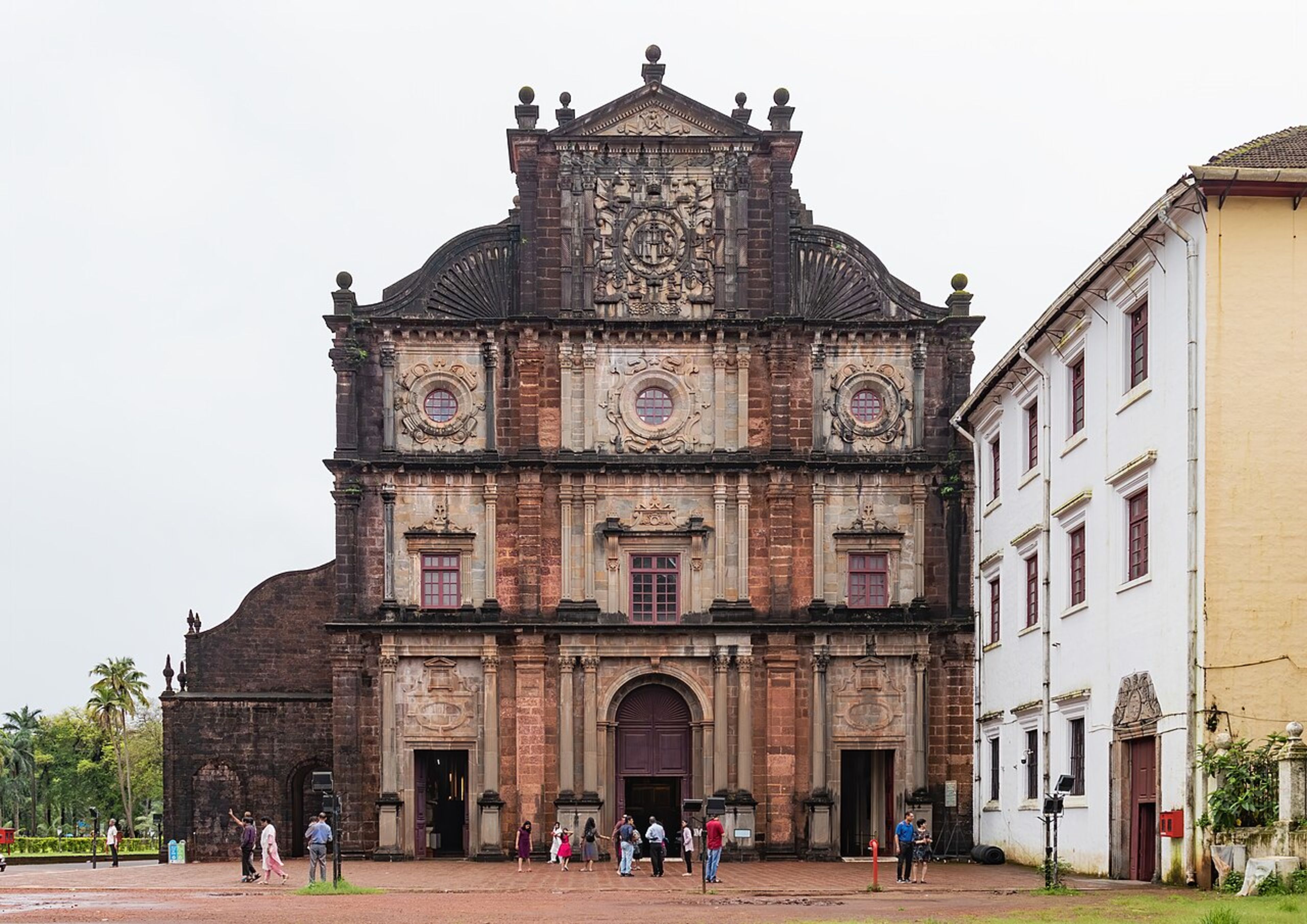
Arrive before 9 AM and the basilica belongs almost entirely to you — footsteps echo off stone floors worn smooth by four centuries of pilgrims, and the gilt baroque altar seems to glow even in the dim morning light. This is Asia's grandest baroque shrine, and the hush inside makes it feel less like a tourist stop and more like stepping into another century. Solo travelers often find the quiet particularly moving here — there's no rush, no group to keep pace with, just the cool stone and soft murmured prayers.

A five-minute stroll from Bom Jesus, Se Cathedral is Asia's largest church, and its scale is genuinely humbling — vaulted ceilings soar overhead while the ornate gilded altar catches whatever light slips through the windows. It's quieter than its famous neighbor, which makes it a good spot to slow down and simply sit for a few minutes on one of the wooden pews, absorbing the stillness before the day's heat builds.

Rounding out the UNESCO enclave, this cluster of smaller chapels and convents rewards unhurried wandering — incense lingers in cool interiors, candlelight flickers before smaller altars, and the laterite floors carry the same worn patina as the grander basilicas nearby. It's a good half-hour to simply drift between structures without an itinerary, which solo travel makes easy.
After lunch, the air-conditioned calm of the Goa State Museum is a welcome contrast to the heat outside — cool galleries smell faintly of polished wood and age, housing centuries-old stone sculptures, religious reliquaries, and fading colonial documents. It's an easy, low-energy stop that deepens the morning's church visits with historical context, and crowds are light before 3 PM on weekdays, ideal for unhurried browsing.
The day opens gently in Old Goa's hush — the Basilica of Bom Jesus first, its gilded interior nearly silent before 9 AM, then a short walk to Se Cathedral's soaring vaults, and finally an unhurried drift through the smaller Old Goa Churches. This trio moves at a meditative pace, ideal for settling into Goa's rhythm without overexertion on day one.
After a relaxed Goan-Portuguese lunch at Viva Panjim, the pace shifts indoors for the Goa State Museum's cool, air-conditioned galleries — a low-energy afternoon that lets the morning's heritage sink in through sculpture, reliquary, and colonial document.
With no evening stop scheduled, the rest of the night is left open for wandering Fontainhas' pastel lanes at your own pace — a coffee at a corner café, a slow walk past bougainvillea-draped balconies, and an early night to recover from travel before the more active days ahead.
Day 2: Forts, Flea Markets, and the Long Arc of North Goa's Coast
A fuller day tracing North Goa's coastline from Baga to Chapora, mixing beach time, market browsing, and clifftop forts — roughly 4-5 miles of walking across sandy and uneven terrain, moderate-to-high energy.
Arrive at Baga by 7 AM and you'll catch the beach at its most local — fishermen hauling nets, a handful of early swimmers, the sand still cool underfoot before the day's heat and crowds arrive. By 10 AM this stretch fills with vendors and sunbathers, so the early window is precious for a quiet walk along the shore with the sea breeze and the smell of chargrilled fish just starting to drift from waking shacks.
Only running Wednesdays and Saturdays, Anjuna's flea market is a sensory tumble of tie-dye fabric, silver jewelry, and sun-warmed leather, with a polyglot hum of haggling backpackers and vendors. Arriving right at 9 AM beats the midday crush and gives space to actually browse rather than shuffle through crowds — a great spot for solo travelers to strike up conversation with fellow wanderers over a shared interest in some dusty curio stall.
By mid-afternoon the worst of the heat has passed, and Aguada Fort's exposed ramparts catch a steady sea wind that makes the climb genuinely pleasant. The 17th-century lighthouse still rotates its beam, and from the walls the Arabian Sea stretches uninterrupted to the horizon — a properly cinematic spot to sit for a while and just watch the light shift. Fall's thinner crowds mean you can actually find a quiet corner of the ramparts to yourself.
Made famous by Bollywood, Chapora Fort's crumbling ramparts deliver one of Goa's best sunset views — the Chapora River valley spreads out below in a patchwork of fishing villages and palm groves, and the stone underfoot still holds the day's warmth as the breeze picks up. Arriving by 5:30 leaves time to scale the walls and find a perch before the light really turns, and by sunset a small crowd of fellow travelers usually gathers, making it an easy, low-pressure spot to chat with other solo wanderers.

The day begins early at Baga Beach, catching the shoreline in its quiet, local hour before vendors and sunbathers arrive, then shifts into the color and chaos of Anjuna's Wednesday-or-Saturday flea market — a market only, so timing this day around its schedule matters.
After a relaxed lunch, the pace turns toward history: Aguada Fort's windswept ramparts and rotating lighthouse beam offer a golden-hour-friendly climb, the sea stretching out in every direction as the worst heat of the day fades.
The day closes at Chapora Fort, its Bollywood-famous ramparts filling with soft light as the sun drops over the river valley — a natural gathering spot for fellow travelers, followed by an easy dinner of Goan classics at a nearby local spot.
Day 3: River Forts and Slow Farewell on the Coast
A lighter final day revisiting the North Goa coast at a gentler pace, with river-mouth fort views and time to relax before departure — under 3 miles of easy walking, low-to-moderate energy.
A gentler fort than yesterday's climbs, Reis Magos rewards an unhurried morning visit — narrow, cool stone staircases lead up to ramparts overlooking where the Mandovi River meets the Arabian Sea, with weathered Portuguese coats of arms still carved into the stone. Arriving before 10 AM keeps the crowds light and the light soft, ideal for a slower, more reflective final full day.
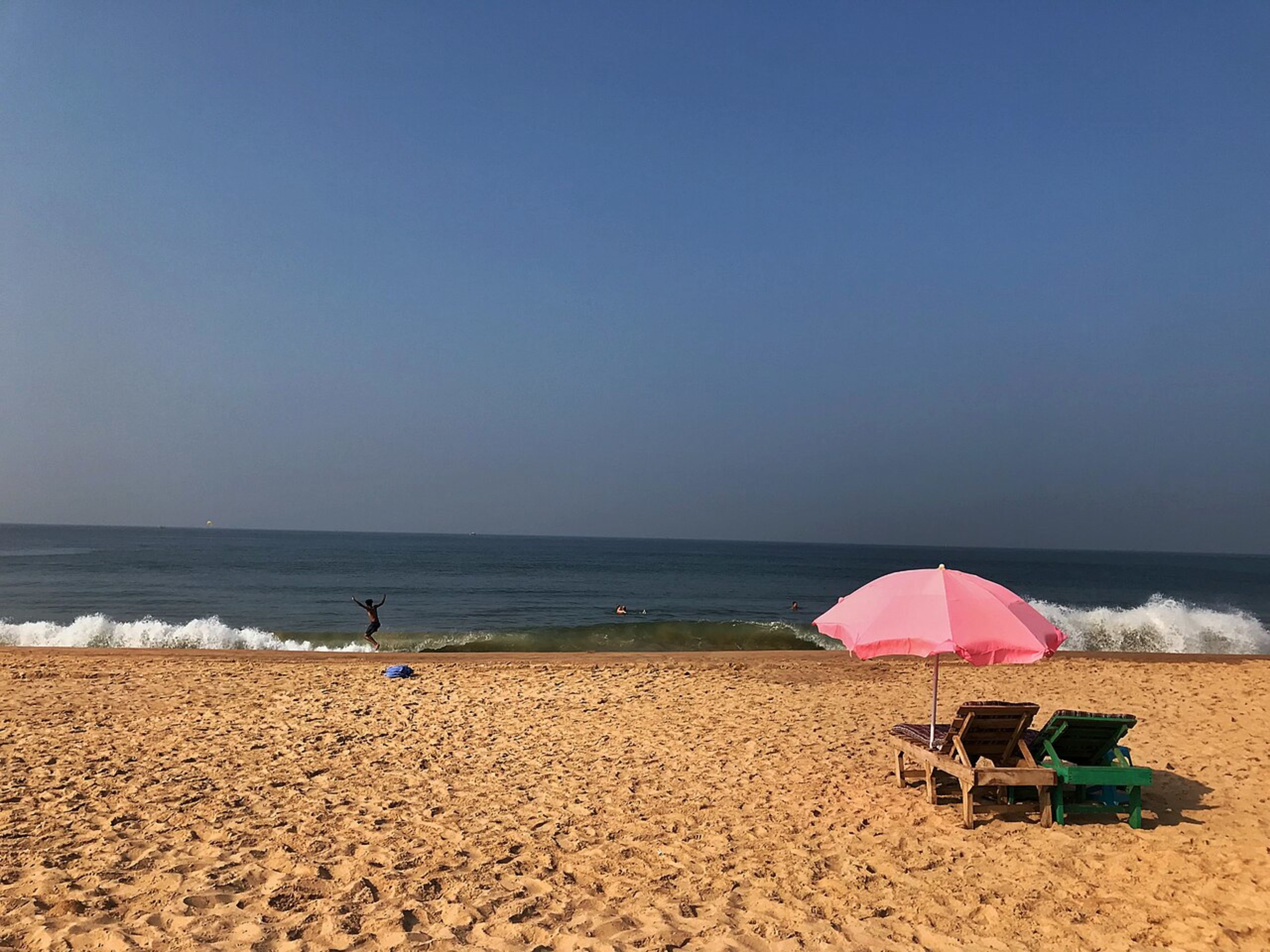
A final, easy beach stop before midday crowds peak — Calangute's wide sands are best enjoyed with a slow walk and maybe a coconut water from a beach vendor, watching the rhythmic wave crash without any agenda. This is a good spot to simply sit, journal, or people-watch as a solo traveler, no itinerary pressure.
The final full day opens slowly at Reis Magos Fort, its cool stone staircases and river-mouth views offering a gentler, more contemplative climb than the previous day's clifftop forts — a fitting easy start before winding down toward departure.
A short drive south brings the day to Calangute Beach for a relaxed, unhurried stretch of sand and sea before midday crowds swell — no agenda beyond watching the waves and enjoying a simple lunch nearby.
The trip closes with a hearty North Indian dinner at Sher-e-Punjab near Reis Magos — a warm, spiced send-off after three days of coastal breeze, baroque churches, and salt air, with time afterward to pack unhurriedly for departure.
Want to tweak this trip?
Our AI planner can customize this itinerary to your exact dates, interests, and travel style.
Customize This ItineraryRestaurant details (hours, menus, availability) change frequently. Check current hours before visiting, especially in seasonal destinations.
Dietary compatibility tags are general guidance. If you have severe allergies, confirm directly with the restaurant.
Travel tips are general guidance, not professional safety advice. Check government advisories for latest information.
All prices are approximate and may vary seasonally.