3 DaysSolo Traveler11 Stops

Varanasi, India

3-Day Itinerary for Solo Traveler

Fire, Water, Dawn: Three Days Along the Ganges in Varanasi

Fire, Water, Dawn: Three Days Along the Ganges in Varanasi

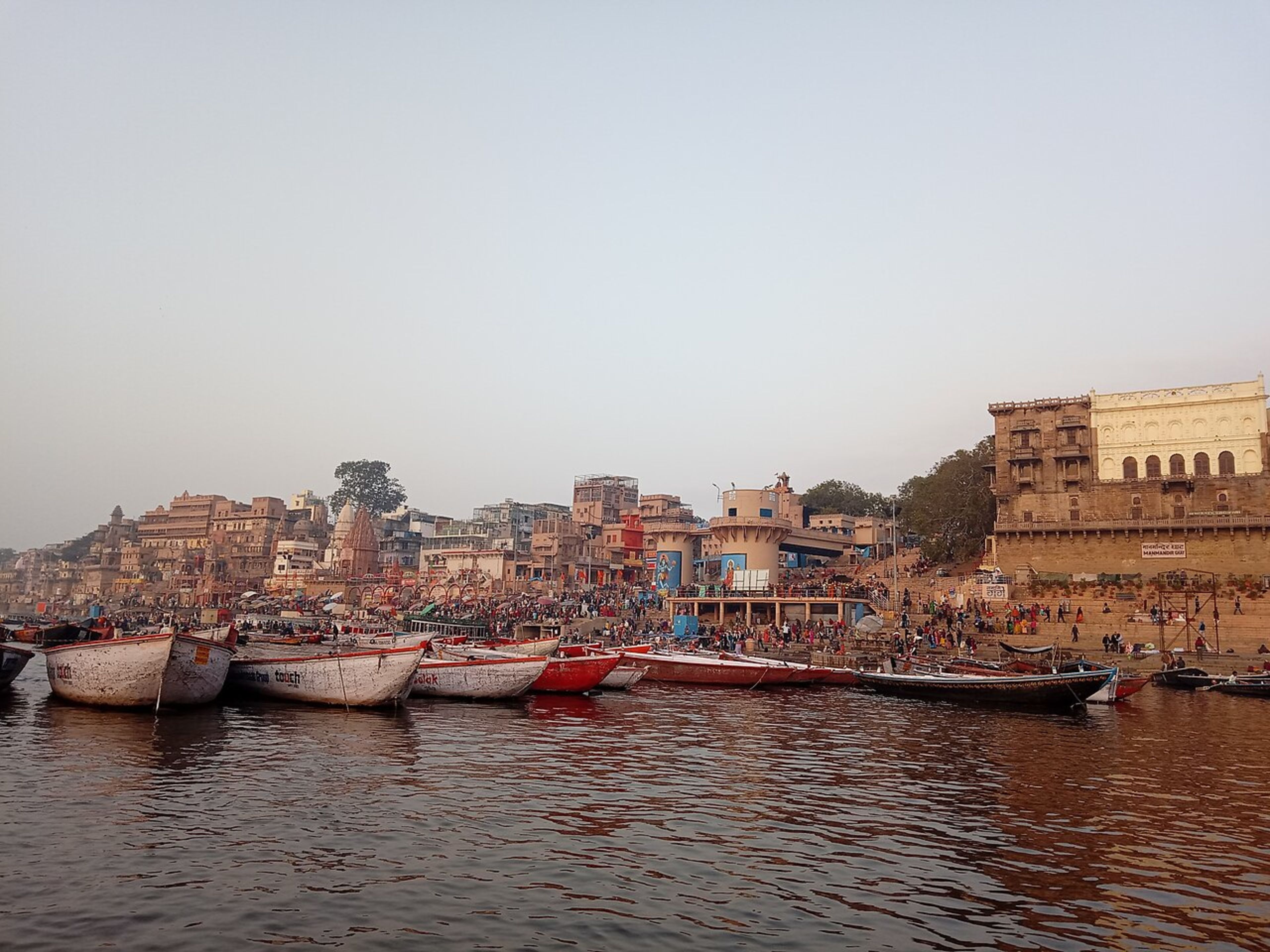
The Ganges doesn't wait for anyone — it burns, bathes, and blesses on its own schedule, and Varanasi simply arranges itself around the river's ancient rhythm. Come fall, the punishing heat softens into something walkable, the light turns gold an hour earlier, and the ghats hum with a slightly thinner, more contemplative crowd. This itinerary moves at the pace of a solo traveler who wants immersion without overwhelm — dawn boats, temple lanes, riverside fire ceremonies, and quiet moments to simply sit with it all.

At a Glance

Climate & Weather
Fall in Varanasi (October–November) brings relief from summer's intensity — expect warm, sunny days in the high 70s–80s°F and cooler mornings/evenings in the 60s. Pack light cottons and linens for midday, a light sweater or shawl for dawn ghat visits, sturdy closed-toe walking shoes for uneven stone steps, and a hat plus strong sunscreen for open-air boat time.
Getting Around
The old city and ghats are best explored on foot — alleys are too narrow and crowded for vehicles. Cycle rickshaws and auto-rickshaws are useful for longer hops (like Cantonment to the ghats, or to Sarnath), and boats are the way to move along the river itself. Agree on rickshaw fares before riding.
Budget
Budget roughly $25–40 USD per day for food, boat rides, temple donations, and minor entry fees — Varanasi is inexpensive by international standards, though boat rides and guided experiences add up. Cash (Indian rupees) is essential in the old city; many small vendors and boatmen don't take cards.
Safety
Varanasi is largely safe for solo travelers, but stay alert around crowded ghat steps (slippery, uneven, and steep in places), keep valuables secured in crowded temple lanes, and be prepared for the emotional and sensory intensity of Manikarnika — it's not a photo-op, and quiet respectful observation from a distance is expected. Those with asthma or smoke sensitivity should keep some distance from cremation smoke and carry any needed inhalers.
Connectivity
4G coverage is generally reliable in central Varanasi and around the ghats; a local SIM (available at the airport or in town with passport/photo) is cheap and easy. Wifi in guesthouses is common but can be slow — download offline maps in advance for the tangled old-city lanes.
Local Tips
Dawn (roughly 5:30–7:00 AM) is the single best window of the entire trip — cooler air, softer light, thinner crowds, and the ghats at their most soulful, so it's worth setting an early alarm more than once. Solo travelers often find it easy to fall into conversation on shared sunrise boats or at communal ghat-side chai stalls — say yes to the chat. Fall coincides with pilgrim season around certain festivals, so confirm current dates locally, as crowds and temple hours shift around them.

Highlights

  • Sunrise boat ride past ghats wrapped in incense smoke and morning bathers
  • Witnessing the Dashashwamedh Ghat aarti as flames double in the dark river
  • Barefoot passage through the golden-spired Kashi Vishwanath Temple
  • Sobering, humbling hour near Manikarnika's ever-burning cremation fires
  • A quieter afternoon at Assi Ghat, away from the central crowds
  • Day trip to Sarnath, where Buddha delivered his first sermon
  • Royal solitude at Ramnagar Fort's river-facing ramparts

Day-by-Day Plan

Orientation & gentle immersion

Day 1: Arrival and the River's First Introduction

A lighter first day easing into Varanasi's intensity with an evening boat ride and the aarti ceremony, covering roughly 2 miles on foot.

Wear
Breathable cotton layers, a light shawl or scarf for the cooling evening air by the river, and closed-toe sandals or shoes with good grip for wet ghat steps.
Budget
$20–30 (boat ride, dinner, small donations)
4:00 PM - 5:30 PM
Assi Ghat · afternoon · 90 min · Assi Ghat & South Varanasi

After settling into your guesthouse, ease into the city here rather than at the more intense central ghats — the water is the same sacred Ganges, but the mood is unhurried. Watch pilgrims wade in for late-day ritual bathing, families washing saris in rhythmic slaps against stone, and the golden late-afternoon light beginning to soften over the river. It's a gentle, low-stimulus welcome before tomorrow's deeper dive.

Assi Ghat
Photo by Titodutta
Face west toward the river for warm backlight around 5 PM as the sun lowers — the water turns amber.
Ghat steps are uneven stone; go slowly, especially near the waterline where they can be damp.
10 min walkA short riverside stroll north from Assi Ghat to find a boatman, cows and marigold vendors drifting past in the golden light
5:45 PM - 6:45 PM
Boat Rides on the Ganges · evening · 60 min · Dashashwamedh & Manikarnika Ghats

Ease northward by boat as dusk falls, watching the entire ghat sequence — temples, bathers, distant smoke — slide past in one continuous panorama. Boatmen often hum or chant softly as they row, and the cooling river breeze is a welcome contrast to the day's heat. This is an easy, social setting — shared boats are common and a natural place to strike up conversation with fellow solo travelers.

Shoot toward shore as the ghat lights begin to flicker on — twilight gives the richest color balance.
Boarding requires stepping into a rocking boat from uneven steps; boatmen typically assist.
10 min boatThe boat glides directly toward the ceremony platform, flames growing brighter as you approach
6:45 PM - 8:00 PM
Dashashwamedh Ghat (Evening Aarti) · evening · 75 min · Dashashwamedh & Manikarnika Ghats

Disembark just in time for Varanasi's nightly fire ceremony, where priests swing massive flaming lamps in unison as chants swell and hundreds of onlookers pack the steps and the water below. Arrive by 6:45 for a decent vantage point before the crush peaks around 6:15–6:45; staying on the boat just offshore is a wonderful low-crowd alternative if the steps look overwhelming. It's sensory overload in the best way — flame, smoke, sound, and collective devotion all at once.

Dashashwamedh Ghat (Evening Aarti)
Photo by balouriarajesh
Shoot from the water for reflections of the flames doubling on the dark river surface.
Ghat steps get extremely crowded during peak ceremony time — solo travelers should keep bags close and stay near the edges if crowds feel overwhelming.
Dinner
Wife on Leave $
Local Indian · Near Dashashwamedh Ghat
A simple, welcoming local joint near the ghats — good for a solo diner wanting an easy, unpretentious first meal.
If it rains: If rain disrupts the boat ride or aarti viewing, shelter under the covered walkways near Dashashwamedh Ghat — the ceremony often proceeds in light rain and can still be viewed from under cover.

Day one is intentionally light — most of the morning is left free for arrival, rest, and acclimatizing to the city's sensory intensity before diving in properly tomorrow.

The afternoon eases you in at Assi Ghat, Varanasi's calmer southern stretch, where the pace of ritual bathing and riverside life unfolds without the crowds of the central ghats — a gentle introduction to the rhythm you'll see deepen over the coming days.

Evening brings the trip's first big sensory crescendo: a twilight boat ride past the glowing ghats followed by the thunderous, hypnotic aarti ceremony at Dashashwamedh — flame, chant, and smoke converging as darkness falls, capped with a simple dinner nearby.

Sacred intensity & temple wandering

Day 2: Fire, Faith, and the Old City's Labyrinth

A full day threading through the old city's temple quarter and the cremation ghats, covering roughly 3.5 miles of walking on uneven lanes.

Wear
Modest, breathable clothing covering shoulders and knees for temple entry, easily removable shoes (many temples require barefoot entry), and a scarf for both sun and incense smoke.
Budget
$25–35 (temple donations, lunch, dinner, minor entry fees)
5:30 AM - 6:30 AM
Manikarnika Ghat (Cremation Ghat) · morning · 60 min · Dashashwamedh & Manikarnika Ghats

Arrive at first light when the ghat is quietest — smoke curls upward against a pale dawn sky, and the low chanting of mourners and the crackle of sandalwood fires create a profound, sobering atmosphere. This isn't a sightseeing stop; observe respectfully from a distance, photography is inappropriate here, and many solo travelers find a local guide's context (available informally at the ghat) helps process what's witnessed. It's emotionally heavy but considered essential to understanding Varanasi's relationship with life and death.

Manikarnika Ghat (Cremation Ghat)
Photo by dMz
Photography is discouraged and considered disrespectful at this site — leave the camera down.
Steps are steep and often ash-dusted; solo travelers should stay alert to footing and personal space near the pyres.
15 min walkA winding walk through narrow lanes still quiet at this hour, cows and early vendors just stirring
7:00 AM - 8:30 AM
Kashi Vishwanath Temple · morning · 90 min · Old City & Temple Quarter

Wind through the narrow lane toward the golden-spired temple, arriving as the morning rush is just beginning to build — by 9 AM the queues stretch far longer. Inside, the press of barefoot devotees, the smell of ghee and marigold, and the rhythmic clang of bells create a full-body immersion in living devotion. Security is tight (no phones, bags, or leather items) so travel light for this stop.

Kashi Vishwanath Temple
Photo by Gannu03
Photography isn't permitted inside — capture the golden dome from the lane approach instead.
Expect security screening and a walk through tight, crowded lanes; leave bags and electronics at your guesthouse.
20 min walkA pleasant walk that gradually widens from tight alleys into broader streets as you leave the temple core
9:00 AM - 10:00 AM
Bharat Mata Temple · midday · 60 min · Old City & Temple Quarter

A striking contrast to the intensity of Kashi Vishwanath — here, a giant marble relief map of India sprawls across the floor, worshipped as a deity in its own right. The cool marble underfoot and the quieter, echoing halls offer a moment to breathe after the morning's density. It's an unusual, almost conceptual kind of devotion — nationalism and spirituality merged into stone.

Shoot the relief map from the upper viewing gallery for the full geographic scale.
Flat marble floors make this one of the more accessible temple stops in the old city.
10 min walkA short stroll past local sweet shops and tea stalls, the smell of frying snacks drifting from doorways
4:00 PM - 5:15 PM
Tulsi Manas Temple · afternoon · 75 min · Old City & Temple Quarter

Return here in the softer late-afternoon light, when the intricate marble relief panels depicting the Ramayana glow warmly and the midday crowds have thinned. It's a serene, contemplative counterpoint to the morning's intensity — a good spot to sit, reflect, and let the day's sensory overload settle before the evening ahead.

Tulsi Manas Temple
Photo by juggadery
Late afternoon light hits the marble panels beautifully — aim for just before 5 PM.
Mostly flat with a few steps at the entrance; manageable for most mobility levels.
Lunch
VNS Live Studio $
Local Indian · Near Kashi Vishwanath Temple / Tulsi Manas Temple
A relaxed local spot near the temple quarter, good for a solo traveler wanting a slower, seated lunch after a busy morning of temple-hopping.
Dinner
Wife on Leave $
Local Indian · Near Dashashwamedh Ghat area
A familiar, easy return spot from Day 1 — communal, unfussy, and well-suited to unwinding after an emotionally full day.
Optional detour: Alamgir MosqueAfter Bharat Mata Temple and before Tulsi Manas Temple
A peaceful architectural and spiritual contrast — Mughal minarets over the Ganges offer a quiet, less crowded pause amid the day's temple intensity. Skip if: Skip if the day is already running long or if you're prioritizing rest before the afternoon's Tulsi Manas visit — it's a nice-to-have, not essential.
If it rains: If rain sets in, the covered inner halls of Bharat Mata Temple and Tulsi Manas Temple both offer indoor shelter with plenty to see, making them easy to extend or reorder around a downpour.

The day opens with its heaviest moment — a quiet, respectful hour near Manikarnika's cremation fires at dawn — before shifting into the devotional crush of Kashi Vishwanath Temple, where golden spires and chanting crowds mark the city's spiritual epicenter.

After the morning's intensity, the pace softens at Bharat Mata Temple's cool marble halls, followed by a break for lunch, before an optional detour to the riverside Alamgir Mosque and a return to Tulsi Manas Temple in the day's fading light.

Dinner brings a familiar, easy close to an emotionally dense day — no fresh intensity, just a chance to sit, eat simply, and let everything witnessed since dawn settle before sleep.

Buddhist history & royal solitude

Day 3: Beyond the City: Sarnath's Ancient Calm

A day-trip day balancing Sarnath's Buddhist ruins with Ramnagar Fort's riverside grandeur, involving light walking (around 2 miles) but more time in transit.

Wear
Comfortable walking shoes for uneven fort terrain and open archaeological grounds, sun protection for exposed midday hours, and a light layer for the breezier fort ramparts.
Budget
$20–30 (transport, entry fees, lunch, dinner)
40 min driveA 40-minute drive northeast out of the old city, traffic thinning as temple spires give way to open sky
9:00 AM - 11:00 AM
Sarnath (Buddha's First Sermon Site) · morning · 120 min · Ramnagar & Sarnath Excursion

Arrive during the quietest window of the day, when the vast grounds around the Dhamek Stupa are nearly empty and the wind moves gently through ancient monastic foundations. Run your hand along the weathered brick where Buddha is believed to have delivered his first sermon — the scale and stillness here stand in deliberate contrast to Varanasi's ghat-side intensity. It's a contemplative, spacious morning, ideal for solo reflection.
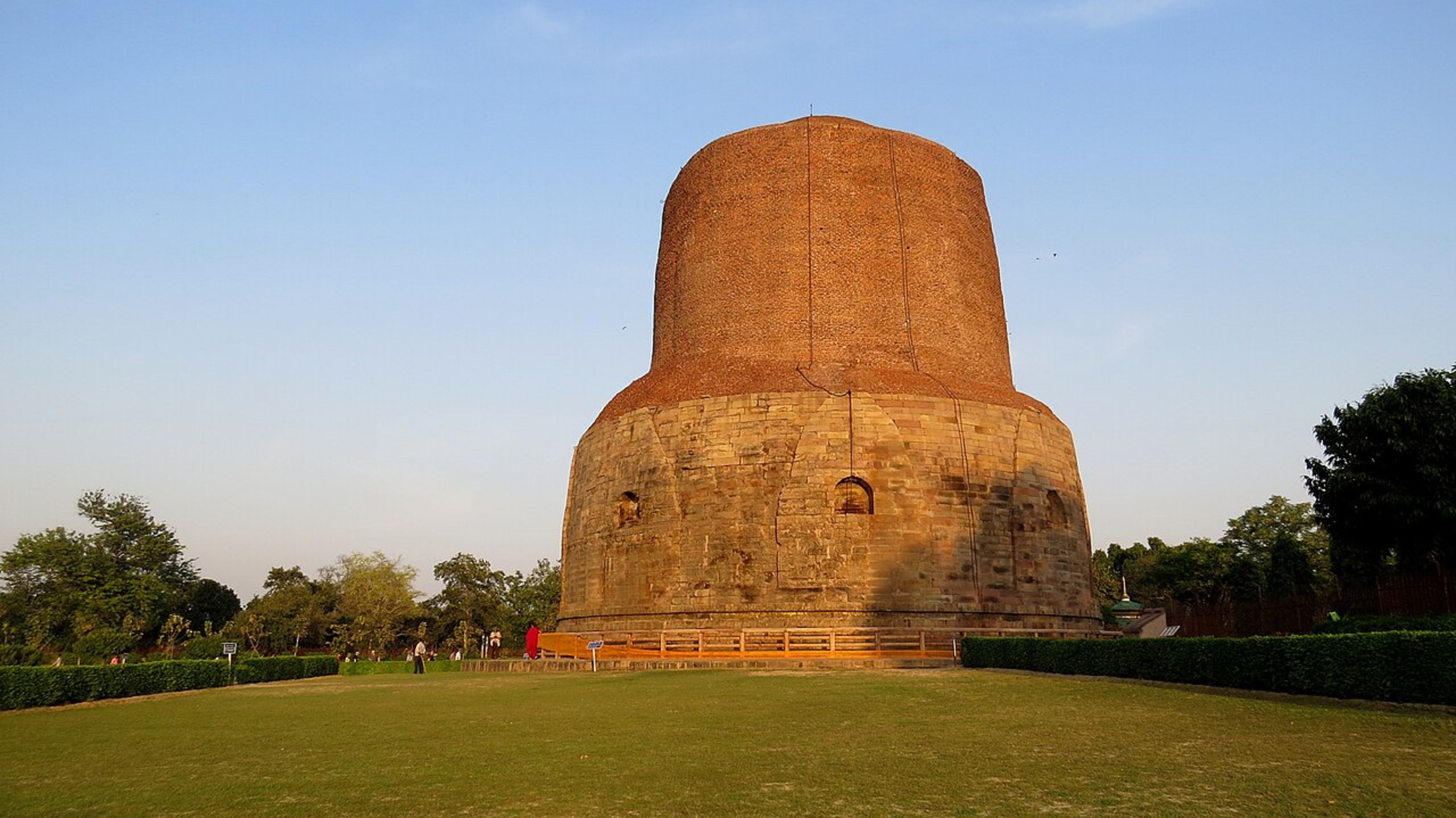
Sarnath (Buddha's First Sermon Site)
Photo by Preeti Prajapati
Morning light rakes low across the stupa's brick surface around 9–10 AM, bringing out its texture.
Mostly flat, open archaeological grounds — one of the more accessible stops on this itinerary.
50 min driveA scenic drive back toward the river and across to Ramnagar, the road tracing the Ganges' opposite bank
1:00 PM - 3:00 PM
Ramnagar Fort · afternoon · 120 min · Ramnagar & Sarnath Excursion

Cross to the fort's crimson sandstone ramparts for a completely different vantage point on Varanasi — the ghats and temple spires laid out across the water rather than experienced from within them. Wander the palace's art and vintage-car collections in relative solitude, since most visitors never make it across the river. The panoramic river view from the ramparts is a quiet, reflective way to look back on the whole trip.

Ramnagar Fort
Photo by Tanuj_handa
Shoot the fort's river-facing walls in early afternoon light for the deepest red-sandstone color; return before 4 PM as crowds thin further after 4.
Some uneven stone stairs inside the fort; ground-floor galleries are more accessible than upper towers.
Lunch
VNS Live Studio $
Local Indian · En route between Sarnath and Ramnagar, near the old city
A convenient, easygoing option to grab a relaxed meal on the way back from Sarnath before continuing to Ramnagar — communal seating makes it easy to chat with fellow travelers.
Dinner
Wife on Leave $
Local Indian · Near Dashashwamedh Ghat
A fitting final dinner back near the ghats — familiar, unhurried, and a good spot to reflect on three days of ritual, fire, and river.
Optional detour: Boat Rides on the GangesAfter Ramnagar Fort and before dinner
A final sunset boat ride back across toward the main ghats offers a fitting bookend to the trip, watching the city glow one last time from the water. Skip if: Skip if the day's travel has run long or energy is low — the earlier boat ride on Day 1 already covers this experience well.
If it rains: If rain interrupts the Sarnath or Ramnagar visit, the fort's covered museum galleries (art and vintage-vehicle collections) offer a dry, engaging indoor alternative for a good portion of the afternoon.

The day shifts gears entirely, heading out of the city center to Sarnath's tranquil ruins, where Buddha's first sermon site offers a spacious, meditative contrast to the density of the previous day's temple-hopping.

After lunch, the journey continues across the river to Ramnagar Fort, where crimson sandstone walls and a rare reverse view of Varanasi's skyline provide a quieter, more panoramic close to the sightseeing portion of the trip.

An optional final sunset boat ride offers one last look at the glowing ghats before a closing dinner near Dashashwamedh — a gentle, familiar way to wind down three days immersed in the Ganges' oldest rhythms.

Want to tweak this trip?

Our AI planner can customize this itinerary to your exact dates, interests, and travel style.

Customize This Itinerary
Good to Know

Restaurant details (hours, menus, availability) change frequently. Check current hours before visiting, especially in seasonal destinations.

Dietary compatibility tags are general guidance. If you have severe allergies, confirm directly with the restaurant.

Travel tips are general guidance, not professional safety advice. Check government advisories for latest information.

All prices are approximate and may vary seasonally.
We use cookies to improve your experience and analyze site usage. Essential cookies are always active. You can customize your preferences or accept all cookies. Cookie Policy