Jerusalem, Israel
3-Day Itinerary for Solo Traveler
“Stone, Silence, and Spice: 3 Days Alone in Jerusalem”

Jerusalem doesn't reveal itself all at once — it arrives in layers, like the stone itself, worn smooth by a few thousand years of footsteps. For a solo traveler in the thinning light of autumn, this is a city best met slowly: before the tour buses, over a shared plate of hummus, in the hush of a rooftop monastery where the only sound is chanting carried on cool air.
At a Glance
Highlights
- Dawn light on the Western Wall before the crowds arrive
- Sunrise views from the Mount of Olives across the Kidron Valley
- Wading through Hezekiah's Tunnel beneath the City of David
- A slow, spice-drenched afternoon in Mahane Yehuda Market
- Rooftop silence at the Ethiopian Monastery above the Old City
- Solitary contemplation at Yad Vashem's hillside memorial
- Evening energy on Ben Yehuda Street, where solo diners blend right in
Day-by-Day Plan
Day 1: First Light Inside the Walls
A gentle, low-effort introduction to the Old City's layered quarters, with roughly 2.5 miles of walking on uneven stone at an easy pace.
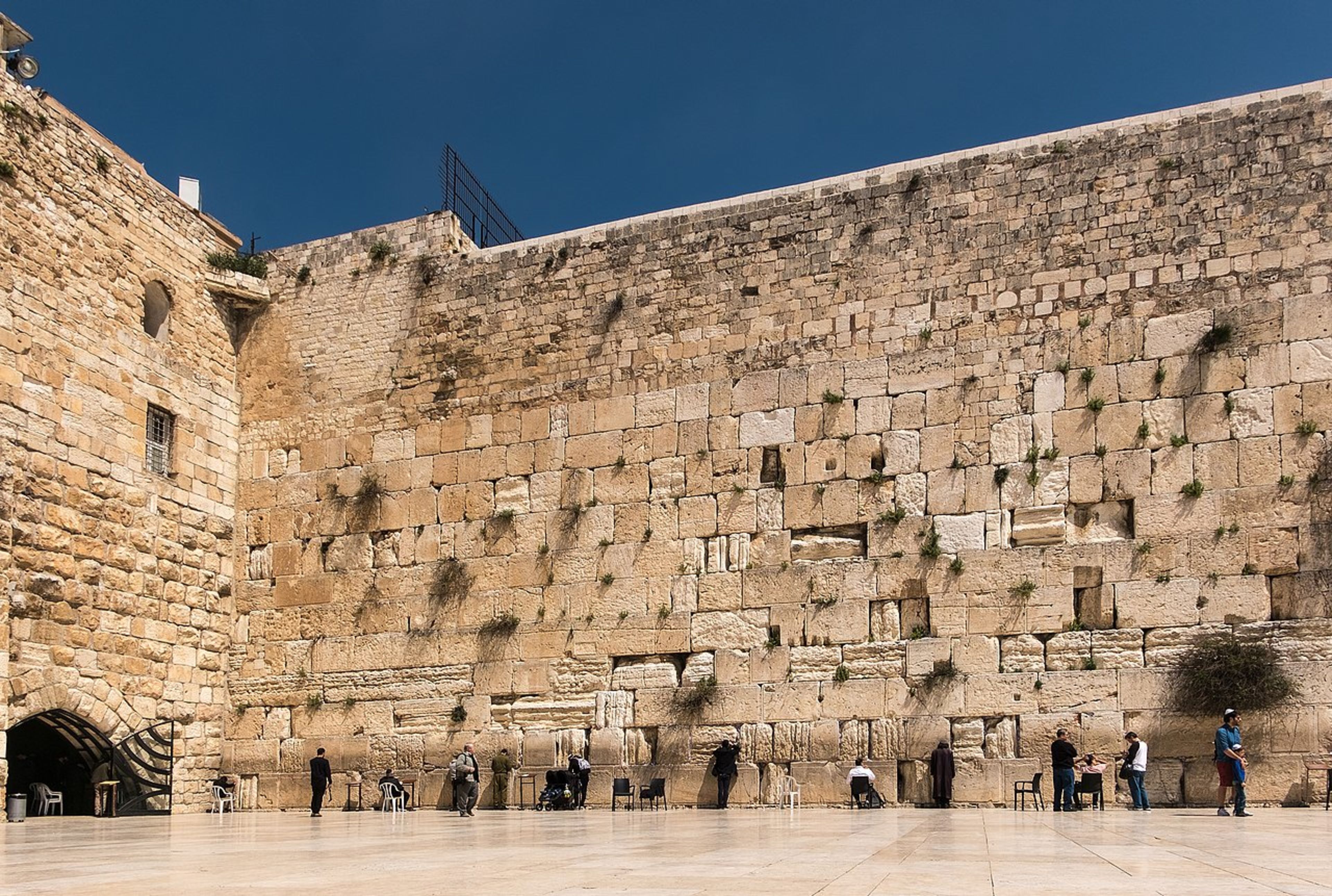
Arrive before 7:30am and the vast plaza is nearly empty — just the murmur of devotional Hebrew and the occasional scrape of a chair against stone. Rest your palm against the cool, ancient blocks; some visitors tuck a folded note into the cracks, a tradition open to anyone regardless of faith. By 9am this same space will be shoulder-to-shoulder, so this quiet window is a gift, especially for a solo traveler wanting to absorb the moment without jostling.
Wander without a fixed agenda through the Christian and Armenian quarters while the alleys are still cool and half-asleep. Vendors are just rolling up shutters, the smell of fresh bread and cardamom coffee drifting from unmarked doorways. This unstructured drift is ideal for a solo traveler on day one — no itinerary pressure, just soaking in the collision of languages, robes, and rust-colored stone underfoot.

Step from bright alley light into the church's dim, incense-thick interior — a genuine sensory shift. Greek Orthodox chanting may echo off the stone as candlelight flickers before the Sepulchre itself. Midday brings moderate crowds, but the atmosphere of hushed devotion rarely fully dissipates; move slowly and let groups pass rather than rushing the space.

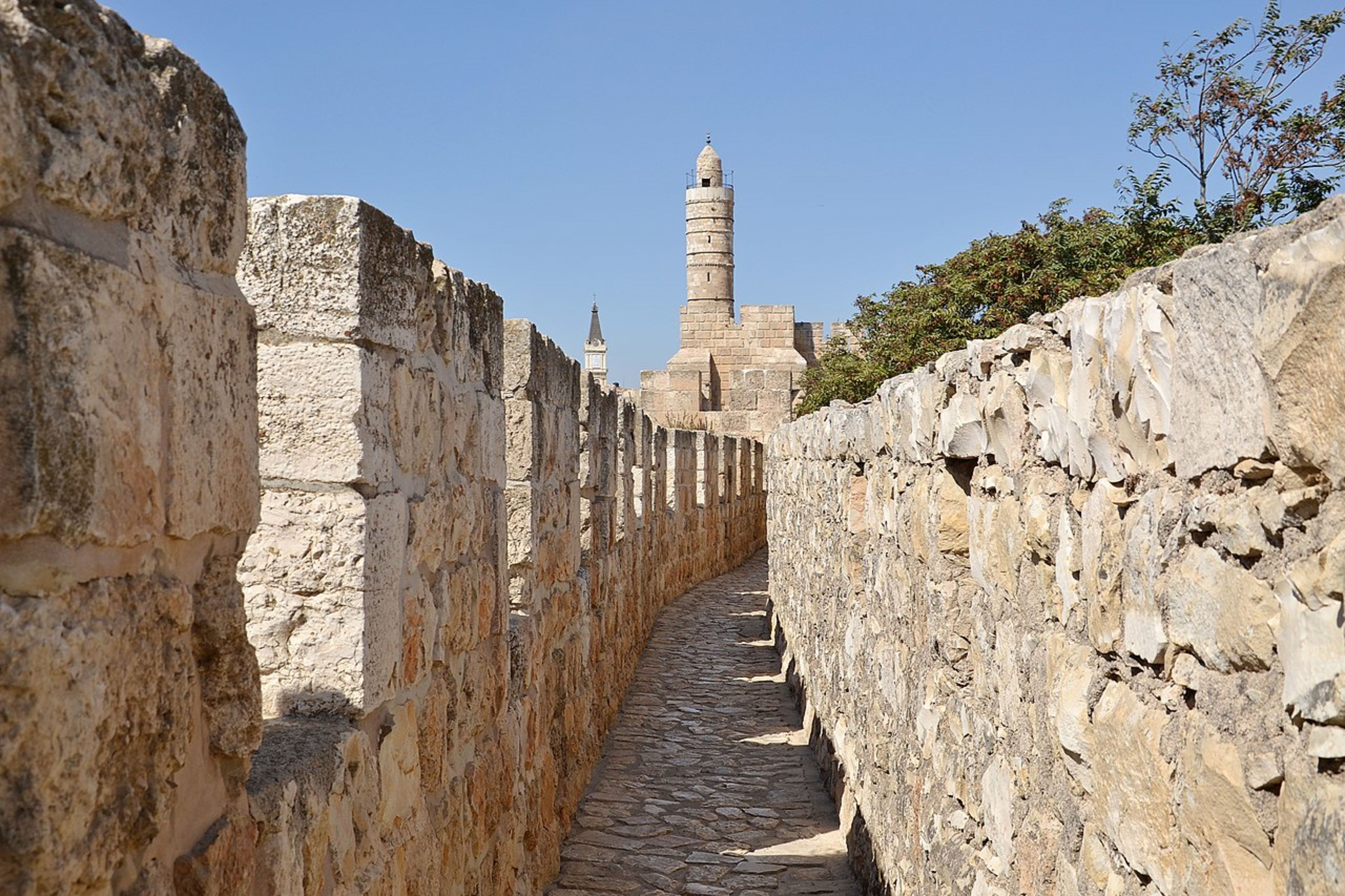
After a midday break, climb the Tower's narrow staircases for a panoramic sweep of the Old City's rooftops and beyond — a good way to mentally map the layout for the days ahead. Crowds thin noticeably after 4pm, and the fall sun sits lower, casting long shadows across the ramparts.

The plaza before the Western Wall holds a particular hush just after sunrise, before the day's first tour groups arrive — a fitting, gentle start to a trip that will only grow more layered from here. From there, an unhurried drift through the Christian and Armenian Quarters lets the city's textures — stone, spice, and overlapping languages — settle in without pressure.
After the sensory density of the Holy Sepulchre's candlelit interior, the climb up the Tower of David offers something different: air, light, and a wide view that helps orient the days still to come. The crowds thin as the afternoon wears on, and the fall sun's lower angle makes the ramparts glow.
Dinner stays close and simple tonight — no need to venture far after a day of orientation. A relaxed meal near Jaffa Gate, an early return to rest, and the Old City's night quiet settling in around ancient walls make for an easy close to day one.
Day 2: Olive Groves at Dawn, Deep Water Below
A more physically active day mixing an early panoramic hike, contemplative garden time, and a wet archaeological scramble — roughly 4 miles total.
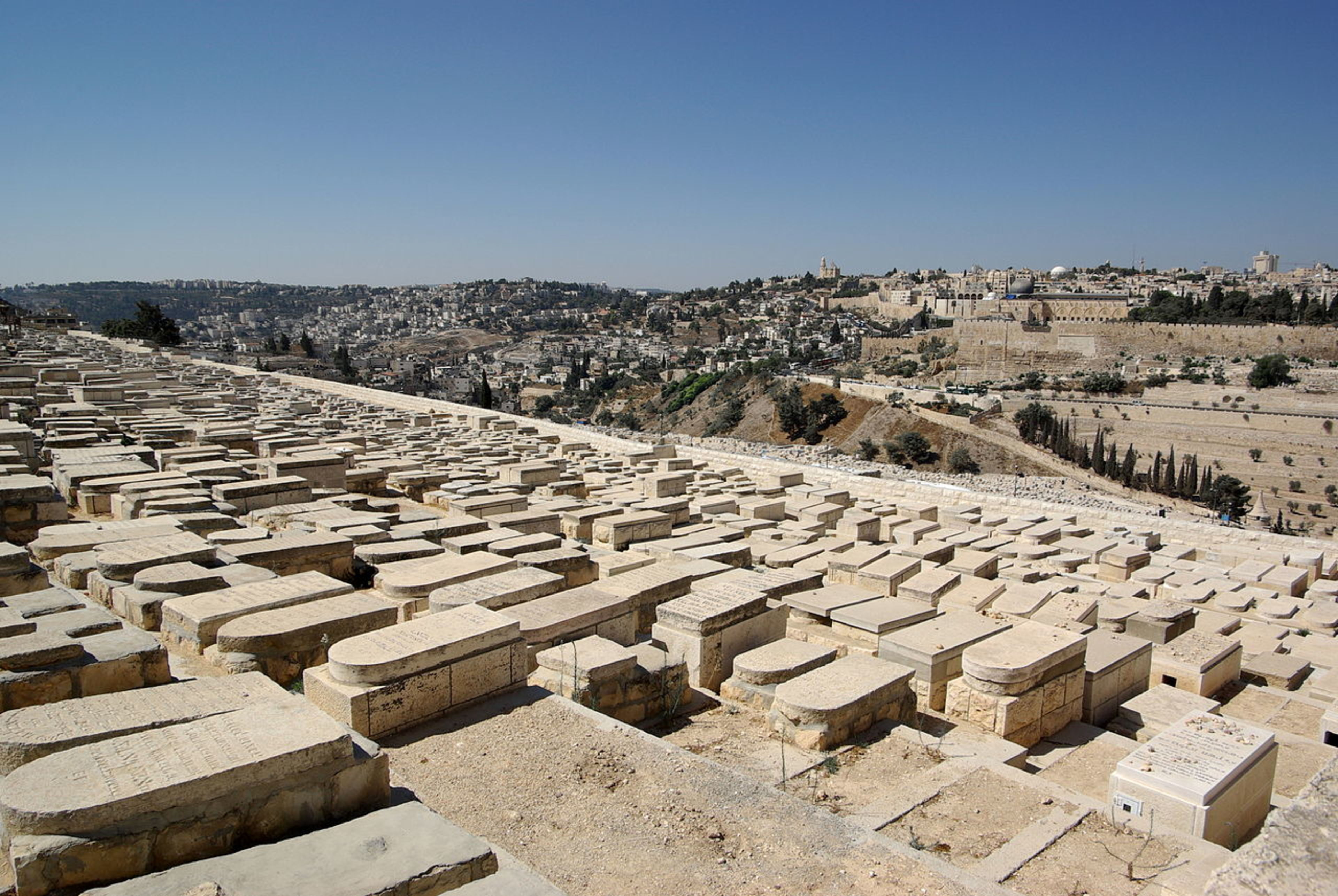
Arrive while the air is still thin and cool, before the tour buses climb the hill. The Dome of the Rock catches the first light across the valley, gold against pale stone, and the silence up here is close to sacred. For a solo traveler, this is one of the few moments in Jerusalem to have a world-famous view almost entirely to yourself.
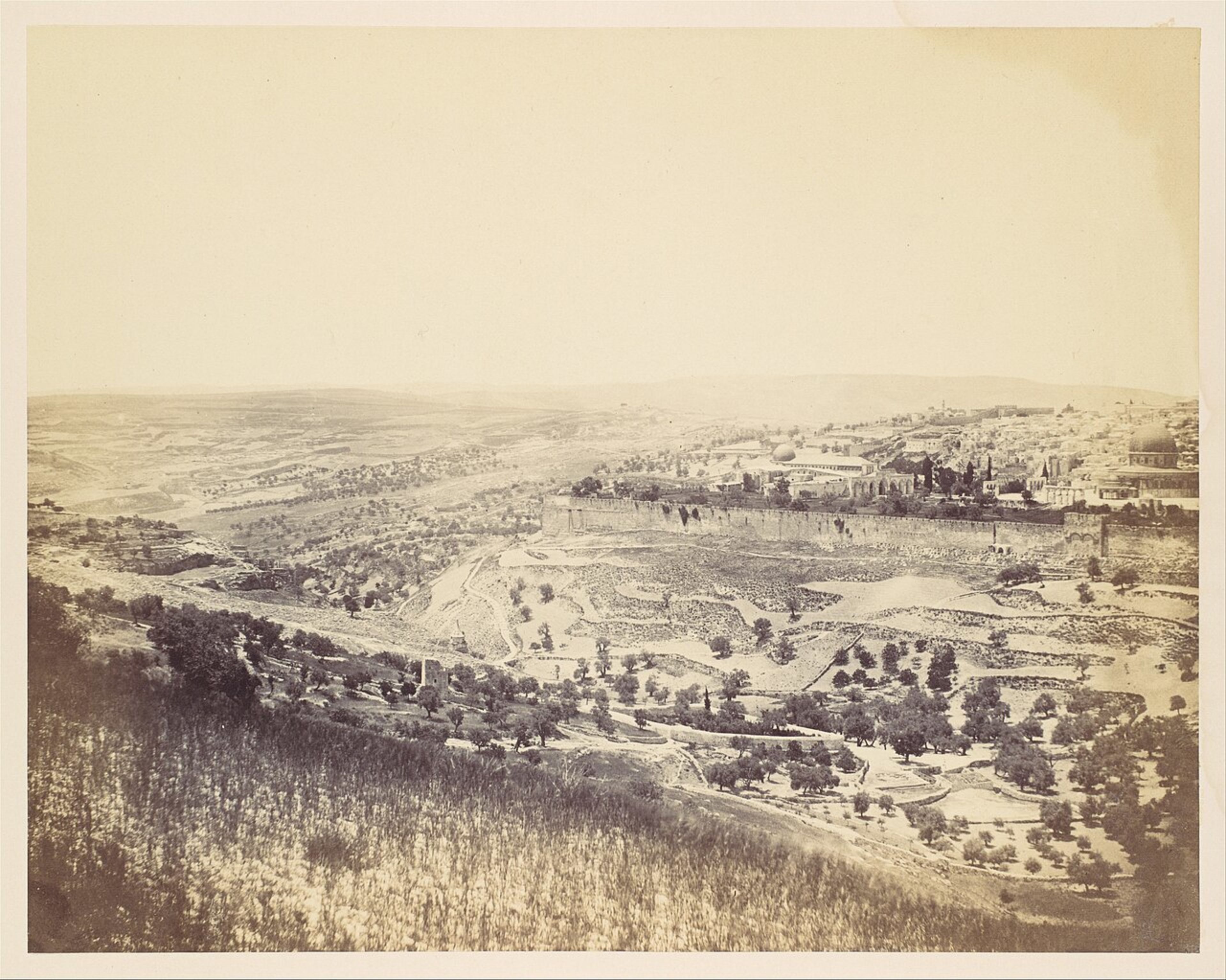
Descend into the garden while it's still nearly empty — gnarled, ancient olive trees casting long shadows, the scent of old bark and incense drifting from the nearby Church of All Nations. Birdsong is the loudest thing here at this hour, a rare pocket of stillness before the groups arrive around 9am.
By late morning, wade into Hezekiah's Tunnel — sometimes waist-deep, cool water, torchlight flickering across 2,700-year-old carved walls. It's a genuinely thrilling, slightly disorienting experience, and a great icebreaker with fellow travelers doing the same soggy scramble. Arrive by 9:30am to beat the midday tour-group crush and the day's building heat underground.
Dawn on the Mount of Olives is one of those rare Jerusalem moments that belongs to almost no one else — thin cool air, the Dome of the Rock catching first light, silence before the buses arrive. The walk down into Gethsemane extends that stillness a little longer, ancient olive bark and birdsong replacing the murmur of prayer from the day before.
The mood shifts entirely at the City of David, where quiet contemplation gives way to a genuinely physical, slightly chaotic scramble through Hezekiah's Tunnel — cool water, carved stone, torchlight. It's the day's adrenaline spike, and a natural conversation-starter with other soaked, grinning travelers emerging at the same exit.
After a damp, memorable afternoon, dinner stays unfussy — a deli counter back near the Old City, comfort food, and an early night to recover before tomorrow's market wandering.
Day 3: Market Spice and Museum Silence
A day balancing sensory-rich market wandering with reflective museum time, roughly 3 miles of relatively flat, easy walking.
Arrive right at opening, when the Shuk is quiet enough to actually see the fruit pyramids and spice mounds before the crowds descend. Cardamom and za'atar hang thick in the air; purple-robed Armenian priests occasionally cut through the aisles. This is prime solo-traveler territory — grazing stall to stall, striking up conversation with vendors, no reservation or companion required.

By late morning the pedestrian street is waking up properly — buskers tuning guitars, cafe tables filling with locals over strong coffee. It's a good stretch for a slow solo coffee break and some people-watching before the afternoon's heavier museum visit.
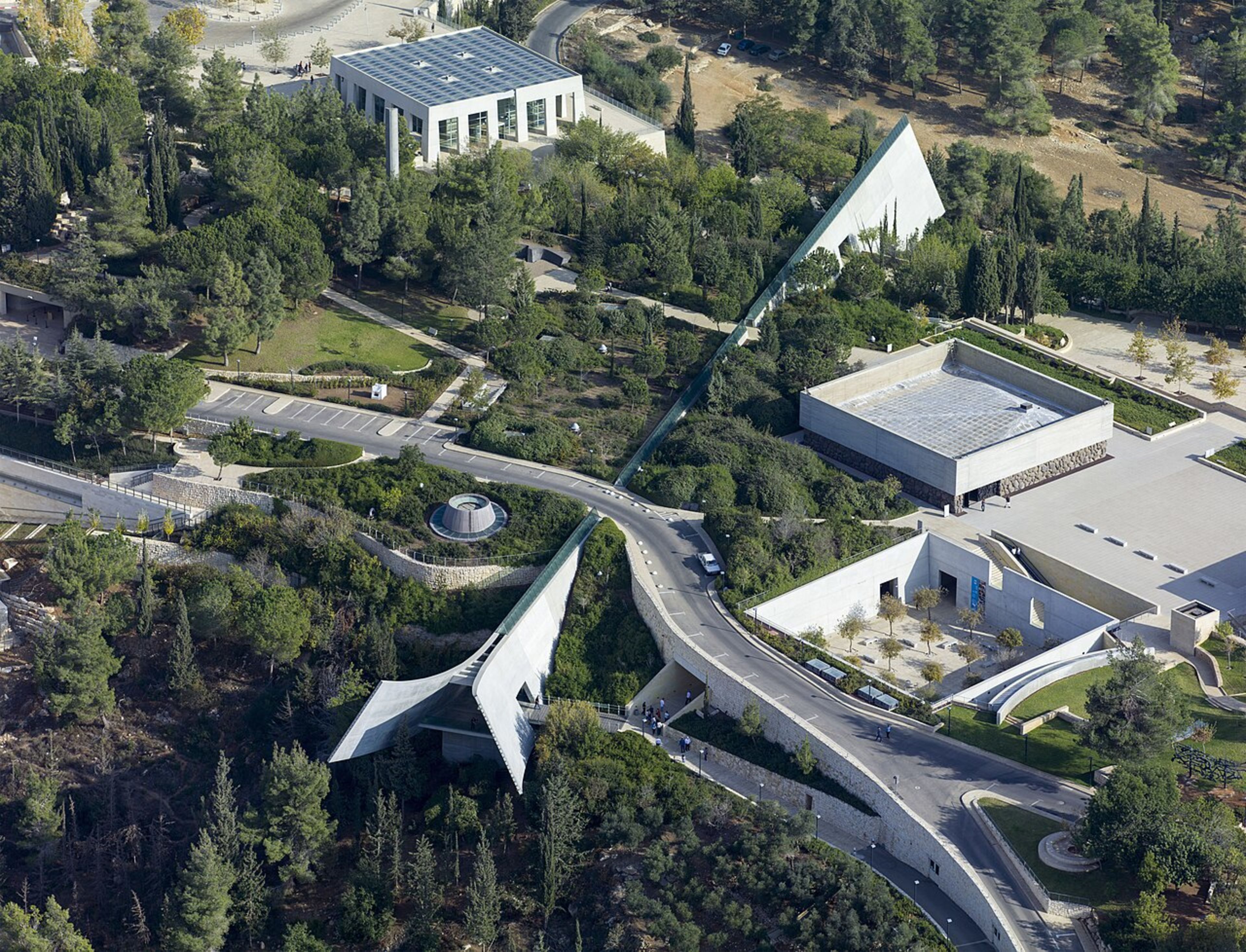
This is a heavy, essential visit — six million names etched in stone, survivor testimonies playing in hushed voices, a hillside built deliberately for remembrance. Weekday afternoons draw moderate crowds; note that it closes at 2pm on Fridays and all day Saturday, so timing matters. Give yourself real space here; it's not a stop to rush, and solitude actually suits the experience.
The Shuk at opening hour is Jerusalem distilled — spice, color, noise, and an easy invitation to graze and chat without needing a plan. That energy softens into a slower coffee-shop pace on Ben Yehuda Street as the morning matures, buskers warming up and cafe tables filling with locals.
The tone shifts deliberately at Yad Vashem, trading market color for hushed, weighty remembrance. It's a long, demanding visit, and rightly so — pace yourself, take the outdoor spaces when the indoor galleries feel like too much, and don't schedule anything emotionally heavy immediately after.
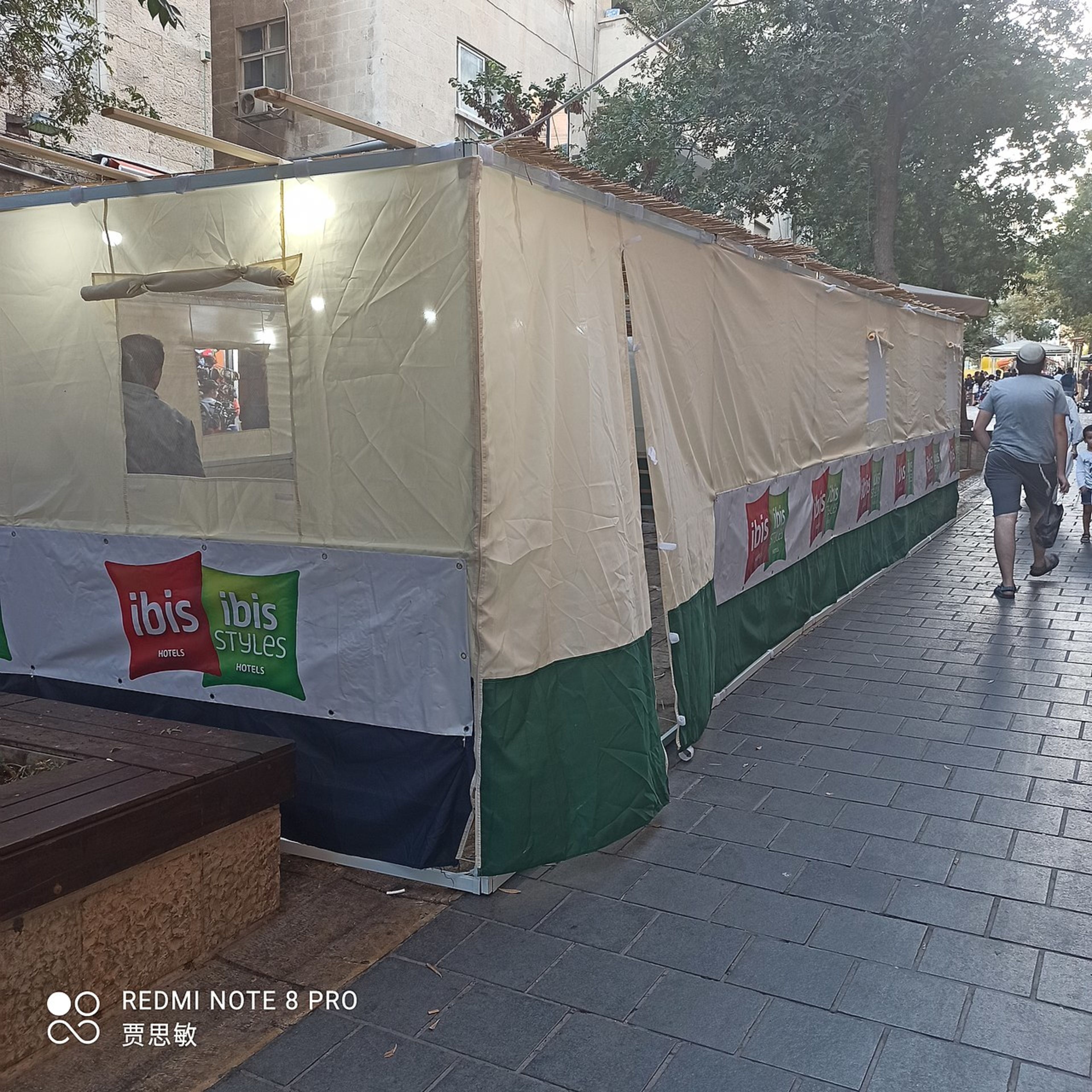
Ben Yehuda Street in the evening is a different creature entirely — string lights, street performers, and a buzz that makes solo dining feel easy rather than conspicuous. A final relaxed meal here, maybe a lingering drink at a bar counter, closes the trip on Jerusalem's contemporary, sociable pulse rather than its ancient hush.
Want to tweak this trip?
Our AI planner can customize this itinerary to your exact dates, interests, and travel style.
Customize This ItineraryRestaurant details (hours, menus, availability) change frequently. Check current hours before visiting, especially around Shabbat closures.
Dietary compatibility tags are general guidance. If you have severe allergies, confirm directly with the restaurant.
Travel tips are general guidance, not professional safety advice. Check government advisories for the latest information on the region before and during your trip.
All prices are approximate and may vary seasonally.
