Rotorua, New Zealand
5-Day Itinerary for Active Retirees
“Steam, Silence & Silver Ferns: 5 Days in Rotorua”

Steam rises off Lake Rotorua before the town has properly woken, curling past thermal vents that have been hissing quietly for centuries. This is a place where the ground itself breathes—and where a slower pace lets you actually notice it, from the mineral warmth of a spa pool at dawn to the hush beneath hundred-meter redwoods.
At a Glance
Highlights
- Soak in geothermal pools at Polynesian Spa as lake mist lifts at sunrise
- Walk boardwalks past bubbling mud pools and the thundering Pohutu Geyser
- Hear living Māori history at Whakarewarewa Village, still home to its people
- Stand beneath silent, sky-high redwoods planted over a century ago
- Marvel at otherworldly colored pools at Wai-O-Tapu Thermal Wonderland
- Step into Middle-earth's rolling hills on a day trip to Hobbiton
- Unwind over Government Gardens views with Edwardian architecture nearby
Day-by-Day Plan
Day 1: Easing In: Lakefront Light and Warm Water
A gentle first day around the lakefront cluster, with light walking (under 1 mile) and a soothing geothermal soak to settle travel fatigue.
Arrive by 9:30 and the Edwardian bathhouse feels almost hushed, its ornate plasterwork and dark timber halls holding the cool morning quiet before tour groups filter in after 10. Inside, Māori carvings and volcanic history exhibits unfold at an unhurried pace, with plenty of benches for pausing between galleries. Outside, Government Gardens' manicured lawns and rose beds—just beginning to bud in spring—make for an easy, flat wander afterward.
After a relaxed lunch, ease into the mineral pools as afternoon light plays across Lake Rotorua—steam drifting low over the water, the air faintly sulfurous but not unpleasant. Choose one of the adult-only Priest or Rachel pools terraced along the lakeshore, where warm water eases travel-stiff joints and conversation stays soft and unhurried. Late afternoon is calmer than the midday rush, with loungers and quiet corners easy to find.
The day begins gently at Government Gardens, where the Rotorua Museum's grand Edwardian bones hold stories of both volcanic upheaval and Māori heritage. Arriving early means near-empty galleries and time to properly absorb the carvings and photographs without jostling. Afterward, the gardens themselves invite a slow, flat loop past rose beds just waking into spring bloom.
Lunch nearby sets an easy tone before the afternoon's centerpiece: a long, warm soak at Polynesian Spa. As the sun angles lower over Lake Rotorua, the geothermal pools soften the day's travel fatigue, steam rising gently against cooling spring air.
Dinner stays close and unhurried, a short walk from the lakefront. With no evening activities planned, the first night is about settling into Rotorua's rhythm—slow, steamy, and unmistakably its own.
Day 2: Living Ground: Geysers and Ancestral Village
A moderate walking day (around 1.5 miles total) through the geothermal zone's two flagship cultural sites, paced with a long midday break.
Arrive right at 8:00–9:00 AM and the boardwalks are nearly empty, giving unhurried time to watch Pohutu Geyser build toward eruption without a crowd pressing in. The path is wide and mostly flat, with benches positioned near the best mud pool and geyser viewpoints—perfect for lingering rather than rushing between exhibits. Māori carving and weaving workshops along the way offer a quieter, cultural counterpoint to the roaring water.
After lunch, step into a village where people still live among the steam vents and geysers—guided tours here feel personal, often led by residents sharing family stories rather than scripted history. The uneven, warm ground beneath your feet is a reminder this isn't a recreation; smoke curls from earth ovens still used for cooking. Afternoon visits (after the 10–2 rush) tend to be calmer, with guides more willing to pause for questions.
Morning begins in the geothermal valley itself, where Te Puia's boardwalks wind past bubbling mud and the thunderous Pohutu Geyser. Early arrival means the roar and steam feel almost private, the crowds still asleep in town.
After a relaxed lunch, the afternoon shifts to something quieter and more human-scaled: Whakarewarewa Living Village, where geothermal power is simply part of daily life. Conversations with residents and guides linger longer than a typical museum stop, and the pace stays gentle throughout.
With two substantial stops behind you, evening calls for a low-key dinner back near the lakefront or city center—no rush, no third activity, just time to let the day's steam and stories settle.
Day 3: Giants and Whispers: Redwood Forest Morning
A lighter day centered on a slow forest walk (roughly 1–1.5 miles on flat boardwalk), balancing the previous day's geothermal intensity.
Arrive before 10 AM and the forest is close to silent, broken only by birdsong and the soft crunch of footsteps on the boardwalk—mountain bikers and larger tour groups tend to appear later. Towering Californian redwoods, planted over a century ago, rise arrow-straight into a canopy that filters spring light into a soft green glow. The main boardwalk loop is flat, well-benched, and forgiving on the knees, making it an easy, meditative counterpoint to the geothermal parks.
Morning unfolds beneath the redwoods, where dawn light filters through hundred-meter trunks and the boardwalk stays blessedly flat and quiet. This is the day's gentlest stretch—no geysers, no crowds, just the hush of old forest.
With no second major stop scheduled, the afternoon opens up for rest, a slow lunch, or the optional Skyline gondola for those wanting a scenic, low-effort view over the thermal valley.
An early, easy evening suits this lighter day—dinner back in town, feet up, and perhaps an early return to the Polynesian Spa for those who loved it on day one.
Day 4: Colors of the Underworld: Wai-O-Tapu's Painted Pools
A moderate-walking day (around 1.5–2 miles on boardwalks) exploring the vivid thermal pools south of the city, with a relaxed pace built around the late-morning Lady Knox geyser show.
Arrive by 8:30–9:00 AM to beat the crowds gathering for the 10:15 Lady Knox geyser show, and to catch the Champagne Pool's impossible orange-and-green ring in soft early light before the boardwalks fill. The full loop takes a leisurely few hours with frequent benches and viewing platforms, the ground gently warm underfoot and sulfur scent carried on the breeze. This is one of the region's most visually surreal landscapes, and the unhurried pace here lets each pool's color and steam pattern really sink in rather than rushing to the next.

The morning drive south delivers you to one of the North Island's strangest and most beautiful landscapes—pools stained impossible shades of orange, turquoise, and lime green by mineral deposits. Early arrival means quiet boardwalks and clear views of the Champagne Pool before tour buses arrive en masse around mid-morning.
The Wai-O-Tapu loop naturally extends into early afternoon given its size, so the return drive and a relaxed late lunch back in town round out the day's main activity without a second demanding stop.
After a longer walking day, dinner stays close to home base and unhurried—comfortable seating, familiar flavors, and an early night ahead of the next day's outing to Hobbiton.
Day 5: Middle-earth Morning: Hobbiton and Farewell
A relaxed day trip south to Hobbiton with gentle walking (around 1.5 miles on rolling but well-maintained paths), rounding out the visit with whimsy before departure.
Booking the earliest available tour (around 9:00–9:30 AM) means fewer groups crowding the round hobbit doors and manicured gardens, and softer morning light across the rolling Waikato hills. The guided walk is gentle and unhurried, pausing frequently for photos and stories at each hobbit hole, before ending at the Green Dragon Inn for a included cider or ale by the fire. The terrain has some mild slopes but nothing steep, and benches are scattered along the path for rest.
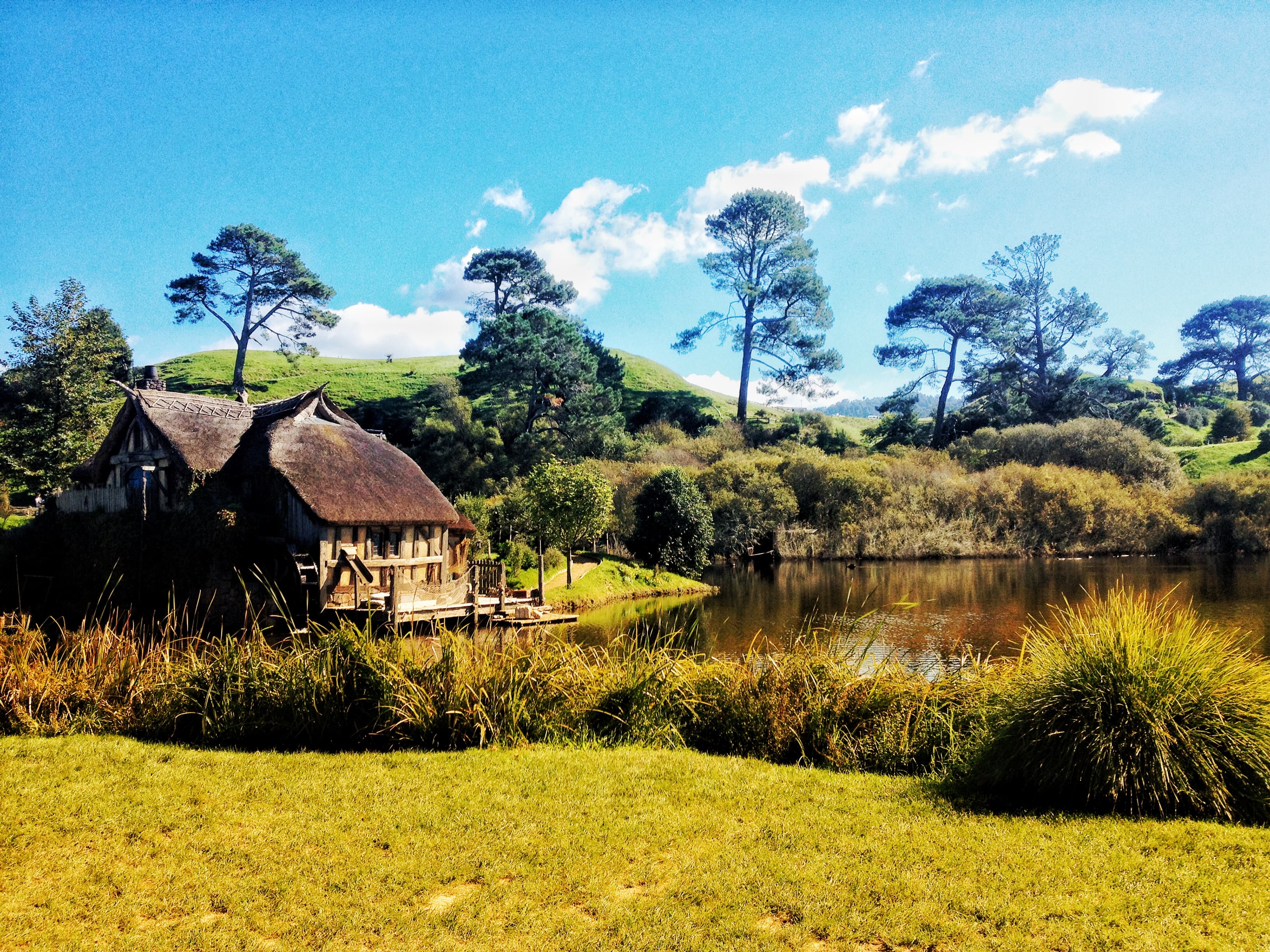
The final full day trades geothermal drama for pastoral whimsy: a gentle guided walk through Hobbiton's impossibly tidy hobbit holes and gardens, the rolling Waikato countryside soft and green in spring light. The pace here suits a slow, photo-filled morning rather than any rush.
The tour concludes at the fire-lit Green Dragon Inn, where an included drink and light lunch offer a fitting, relaxed close to the Hobbiton experience before the drive back toward Rotorua.
With the drive back in the afternoon, the evening is left open and unstructured—ideal for a final quiet dinner in town or one last soak, reflecting on a week that moved from steaming valleys to silent forests to Middle-earth's green hills.
Want to tweak this trip?
Our AI planner can customize this itinerary to your exact dates, interests, and travel style.
Customize This ItineraryRestaurant details (hours, menus, availability) change frequently. Check current hours before visiting, especially in seasonal destinations.
Dietary compatibility tags are general guidance. If you have severe allergies, confirm directly with the restaurant.
Travel tips are general guidance, not professional safety advice. Check government advisories for latest information.
All prices are approximate and may vary seasonally.


