Machu Picchu (Cusco), Peru
3-Day Itinerary for Solo Traveler
“Stone Memory: Three Days from Cusco's Plazas to the Cloud Citadel”

Fall thins the crowds and sharpens the light across the Andes — the terraces catch a golden edge by mid-afternoon, and the plazas of Cusco empty out just enough to breathe. This is a solo traveler's route through three altitudes and three moods: colonial stone, living market villages, and finally the citadel itself, arriving before the buses do.
At a Glance
Highlights
- Sunrise light on Qorikancha's mortarless Inca stonework
- Haggling for alpaca wool in Chinchero's Tuesday-Thursday-Sunday market
- Standing inside Ollantaytambo's ceremonial terraces before the tour groups arrive
- First glimpse of Machu Picchu Citadel through thinning fall mist
- Solo-friendly communal lunches at Sacred Valley cafés
- Golden hour over the salt pools of Salinas de Maras
- Early morning at the Sun Gate with the crowds still asleep
Day-by-Day Plan
Day 1: Stone Foundations: Settling into Cusco's Layered Heart
A gentle orientation day in Cusco's historic center — under 2 miles of walking — designed to let your body adjust to altitude while soaking in the city's Inca-and-colonial layering.
Ease into the altitude with a slow loop of the plaza — smooth flagstones underfoot, church bells rolling off colonial facades, the low murmur of Spanish and Quechua threading between café doorways. This is the place where Inca foundations quite literally hold up Spanish architecture, and a leisurely first morning here, coca tea in hand, is the gentlest possible welcome to 11,000 feet.

A short, unhurried visit to the Temple of the Sun, where massive stone blocks fit together without mortar and Spanish convent walls rise directly atop Inca foundations. Go slow here — the altitude makes stairs feel heavier than they should, and this is a site that rewards quiet attention rather than a rush. Solo travelers often find it easy to fall in with a small guided group at the entrance for shared context without needing to book ahead.

Return to the plaza in the golden slant of afternoon light for a second, easier pass — this time with an espresso or a bowl of quinoa soup from one of the arcaded cafés ringing the square. It's a good spot to journal, people-watch, and let the first day's altitude adjustment settle in before an early night.
The first morning in Cusco should move at the pace your lungs dictate. Start in Plaza de Armas, where Inca stone foundations quietly underpin Spanish colonial facades, and let the plaza's slow rhythm — bells, murmured conversation, the smell of quinoa soup drifting from café doors — be your only agenda. This is jet-lag and altitude territory; ambition can wait until day two.
After a short, unhurried visit to Qorikancha's mortarless stone chambers, ease back toward the plaza for a second, quieter look in the shifting afternoon light. There's no need to rush between these two points — a fifteen-minute walk each way is plenty of gentle movement for a body still adjusting to 11,000 feet.
Dinner tonight should be simple and early — Andean altitude fatigue tends to hit around sunset, and Cusco's tourist-zone restaurants are used to solo diners settling in at the bar. Whether it's the elevated Andean plates at Chicha or the lively, art-draped dining room at Fallen Angel, keep the evening short and be in bed at a reasonable hour ahead of tomorrow's longer Sacred Valley day.
Day 2: Terraces and Salt: A Day Through the Sacred Valley
A full day covering roughly 4-5 miles across Sacred Valley sites, moderate-to-high energy, moving between market village, fortress ruins, agricultural terraces, and salt pans.
Arrive as vendors are still setting up — the riot of magenta, indigo, and emerald alpaca wool against whitewashed walls is at its most vivid before 9am, and the haggling hasn't yet reached full volume. If today falls on a Tuesday, Thursday, or Sunday, the weekly market will be in full swing; otherwise the village itself, with its colonial church perched over Inca foundations, is still worth the wander. Solo travelers often find weavers happy to demonstrate technique for a few extra minutes of conversation.
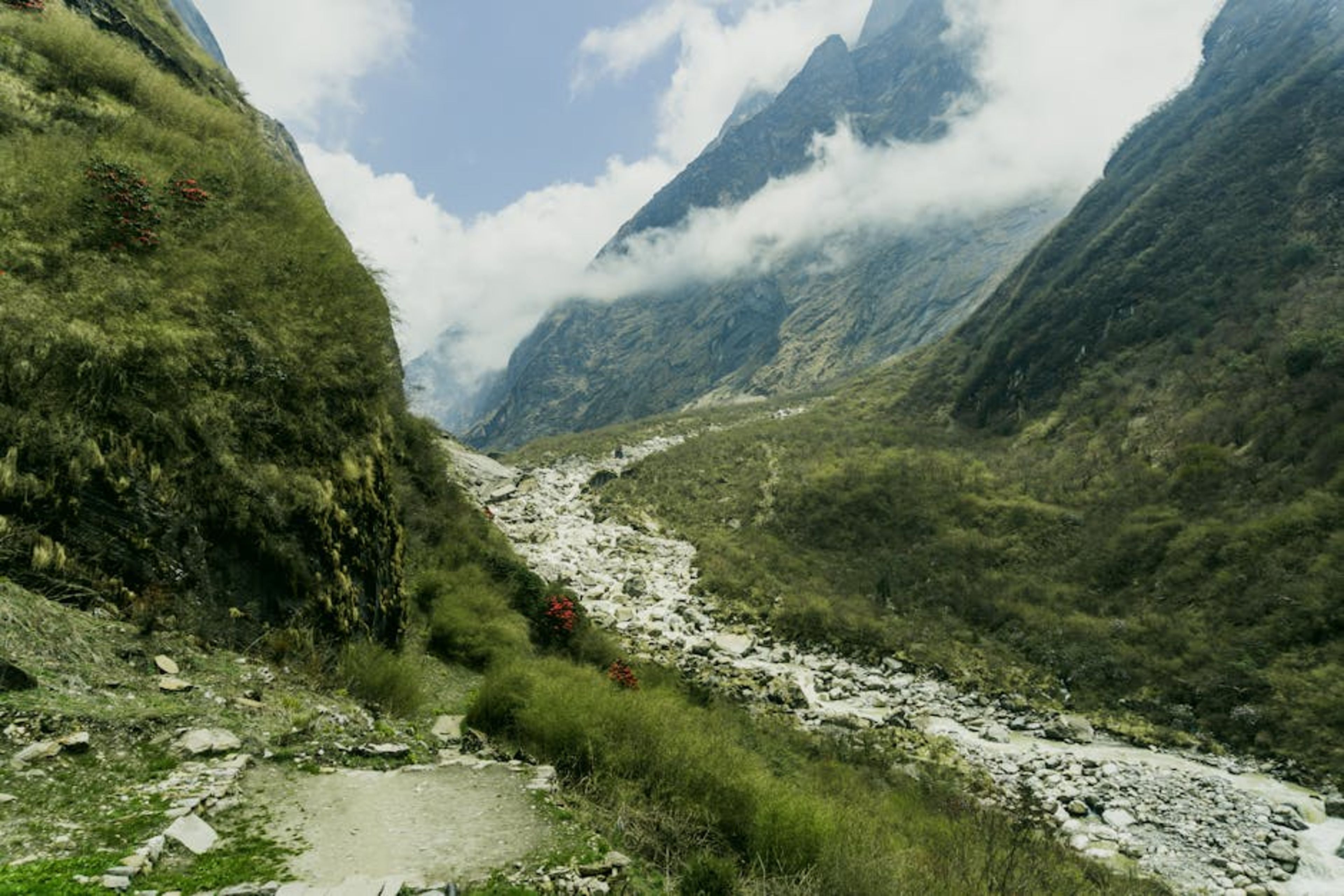
The concentric stone terraces of Moray drop away like a natural amphitheater, an ancient agricultural laboratory testing microclimates across its depth. Midday sun is strong here at altitude, but the wind funneling through the bowl keeps things cool — take the rim walk slowly and note the temperature shift as you descend toward the center.

Thousands of small salt pools cascade down the hillside in shades of white, rose, and pale green, tended by local families using techniques essentially unchanged since Inca times. The mineral smell and crunch of salt underfoot make this a sensory departure from the stone-and-terrace rhythm of the rest of the day — a good palate-cleanser before the final stop.

End the day climbing Ollantaytambo's massive ceremonial terraces as the light softens — the crowds that swarm mid-morning have mostly cleared out, leaving the upper temple platform and its valley views in relative quiet. This fortress town is also your gateway to tomorrow's train, so tonight's overnight stay here sets up an easy morning departure to Aguas Calientes.
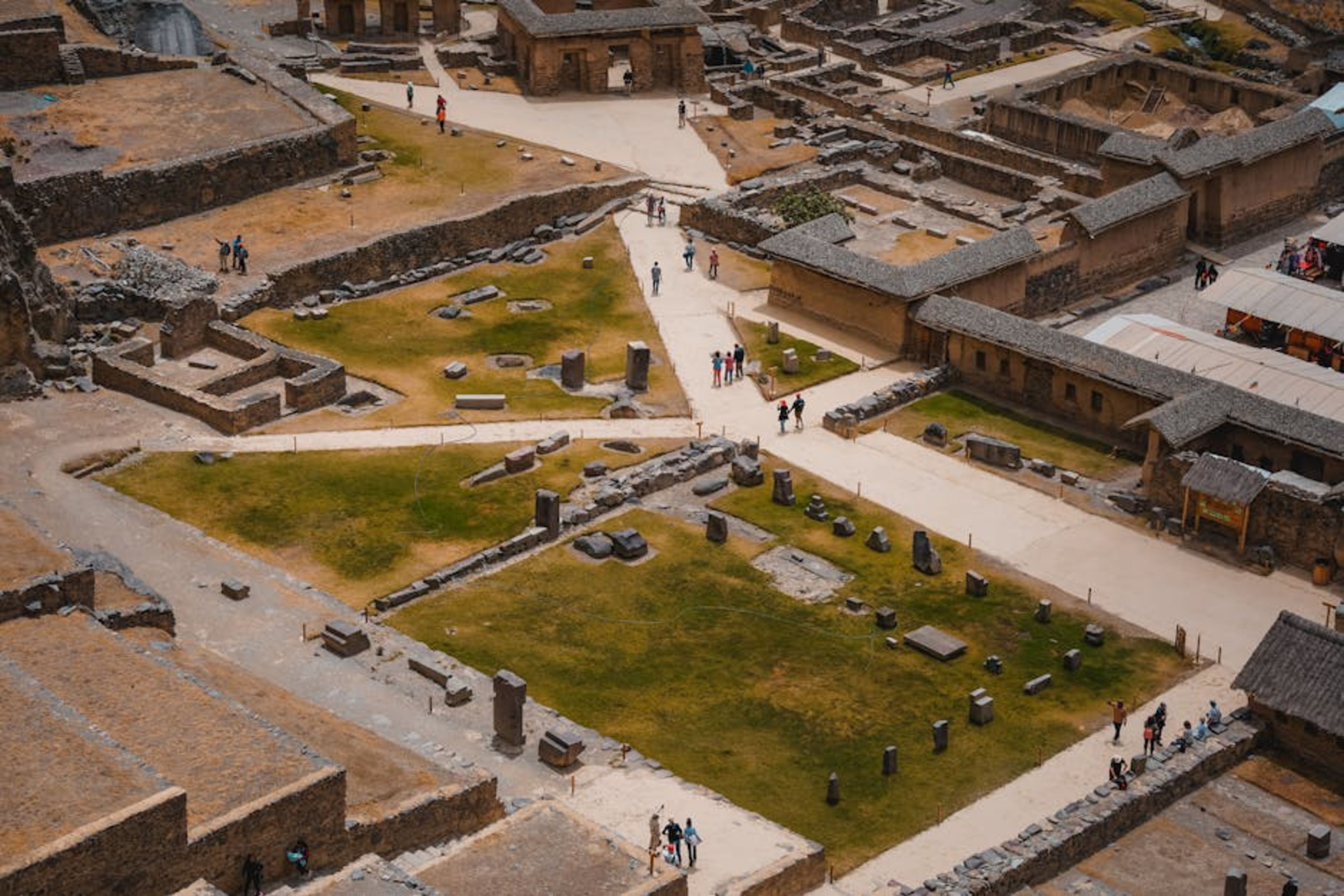
Chinchero's market unfurls early — vendors laying out magenta and indigo alpaca wool against whitewashed colonial walls, the mineral smell of high-altitude morning air still clinging to the plaza. Arrive close to 8am, before the market's peak Tuesday-Thursday-Sunday crowds, for the best chance at unhurried conversation with the weavers.
The day shifts from village energy to ancient engineering: Moray's concentric terraces test microclimates in a natural stone amphitheater, then the drive down to Salinas de Maras trades earth tones for a shimmering patchwork of salt pools in white, rose, and green. Keep pace loose between these stops — the short drives are scenic enough to serve as their own kind of rest.
Ollantaytambo closes out the day, its massive terraces catching the day's last warm light with the crowds mostly gone. This fortress town becomes your overnight base, positioning you for an easy train departure to Aguas Calientes tomorrow — dinner at one of the relaxed cafes near the ruins is a good chance to swap notes with fellow trekkers before an early night.
Day 3: The Citadel at Dawn: Machu Picchu
The culminating day of the trip, roughly 3-4 miles of walking at high intensity, centered on an early arrival at Machu Picchu Citadel followed by exploration of Aguas Calientes.
Arrive at first light and the citadel is nearly yours — cool air tinged with eucalyptus, pale gray stone catching the first alpenglow, the rumble of the Urubamba far below the only sound besides your own breath. By 9am, buses of day-trippers arrive and the terraces fill; this early window is the single best reason to prioritize a dawn entry, especially in fall's thinner shoulder-season crowds. Solo travelers often connect easily with small guided groups near the entrance gate for shared context on the site's history.

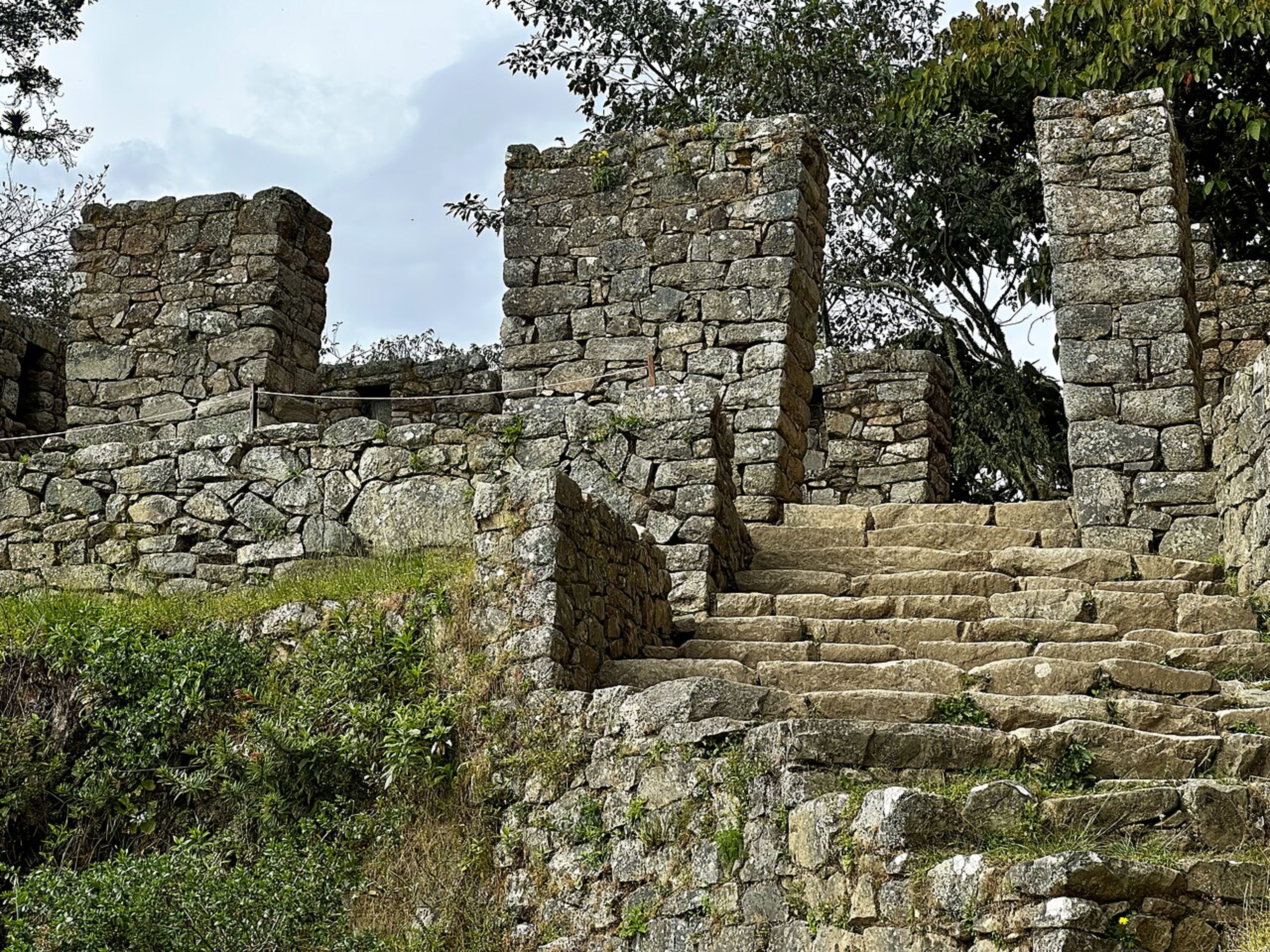
The hike up to Inti Punku rewards with the classic framed view of the citadel below, distant Andean peaks stacked behind it — the ceremonial threshold where Inca pilgrims once first glimpsed their sacred city. Morning crowds from Inca Trail arrivals have mostly thinned by this hour, leaving a quieter, more contemplative stretch of trail.
Descend into the town's cobblestone plazas, where a dozen languages mix over lunch and the sulfurous warmth of hot springs beckons for tired legs. This is the social heart of the trip's final stretch — easy to strike up conversation with fellow trekkers over a shared table, and a good place to decompress before the train ride back. Given fall's shorter days, plan to be settled well before the early sunset around 5:30pm.

The pre-dawn shuttle up to Machu Picchu is worth every early alarm — arriving by 6am means the citadel's pale stone catches first light in near-total quiet, the Urubamba's distant rumble the only sound besides your own footsteps. This is the payoff morning of the whole trip, and fall's thinner crowds make the early window even more rewarding than peak season.
After the citadel, the walk up to the Sun Gate delivers the classic framed view of Machu Picchu against distant peaks, trail traffic thinning as Inca Trail arrivals clear out. From there, the descent back into Aguas Calientes shifts the mood entirely — cobblestone plazas, hot springs, and a dozen languages mixing over lunch tables.
With fall's earlier sunset around 5:30pm, settle into Aguas Calientes well before dark — a relaxed dinner at a communal table, perhaps trading trail stories with fellow travelers, is the natural close to the trip. Keep the night simple; an early train or bus departure likely awaits, and the day's altitude and mileage will have earned an early rest.
Want to tweak this trip?
Our AI planner can customize this itinerary to your exact dates, interests, and travel style.
Customize This ItineraryRestaurant details (hours, menus, availability) change frequently. Check current hours before visiting, especially in seasonal destinations.
Dietary compatibility tags are general guidance. If you have severe allergies, confirm directly with the restaurant.
Travel tips are general guidance, not professional safety advice. Check government advisories for altitude sickness precautions and current trail conditions before departure.
All prices are approximate and may vary seasonally; Machu Picchu entrance tickets and train fares should be booked well in advance, especially for permits like Huayna Picchu.

