Seville, Spain
3-Day Itinerary for Solo Traveler
“Whitewashed Lanes & Golden Light: 3 Days Alone in Seville”

Seville in fall exhales after summer's heat — the light turns amber by five, orange blossoms have given way to fallen leaves along the Guadalquivir, and the plazas belong again to locals. This is a city built for solo travelers who like to linger: pull up a bar stool, order one more glass of fino, and let the evening stretch.
At a Glance
Highlights
- Climb La Giralda at sunrise before the tour buses arrive
- Trace Moorish tilework through the Real Alcázar's cool courtyards
- Feel the floorboards shake at an intimate flamenco tablao
- Wander Plaza de España's ceramic alcoves in low autumn light
- Shop shoulder-to-shoulder with locals at Mercado de Triana
- Cross the river for sunset on Calle Betis with a glass of manzanilla
- Get lost — deliberately — in Barrio Santa Cruz's narrow lanes
Day-by-Day Plan
Day 1: First Light in the Old Quarter
A gentle half-day easing into Santa Cruz's medieval lanes and grand monuments, roughly 2.5 miles of walking at a relaxed pace.
Arrive at opening and the nave feels almost yours — stone vastness swallowing the last echoes of your footsteps, pale light filtering down through distant windows onto centuries of gilded silence. The climb up La Giralda's 35 ramps (no stairs, a Moorish design quirk) rewards you with orange-tiled rooftops stretching to the horizon and a breeze that makes the effort worthwhile. By 9:30am the tour groups arrive in force, so this early window is your best chance at quiet.

Just a few minutes' walk delivers you into another world entirely — Mudéjar archways giving way to Renaissance halls, geometric tilework in blues and whites catching the eye at every turn. The Patio de las Doncellas, with its long reflecting pool and carved arcades, is worth pausing at simply to breathe it in. Solo travelers often find a bench here and just sit a while — nobody will rush you.
After a long lunch break (many shops shutter for siesta now), wander without a map. Narrow lanes barely wide enough for two open onto hidden plazas, whitewashed walls glow cream and blue, and wrought-iron grilles cast lace shadows across the cobblestones. This is the kind of place best explored slowly and alone — duck into a taberna if a doorway smells interesting.

Ease into Seville with the cathedral at its quietest — climb La Giralda before the heat or the crowds arrive, then let the Alcázar's cool tiled courtyards slow your pace further. This is jet-lag-friendly pacing: two major sights, but both close together and easy on the legs.
After a long lunch break — many kitchens close from 2 to 4pm, so this is the moment to sit and not rush — drift into Santa Cruz's tangle of lanes with no fixed plan. Let curiosity dictate the route; every turn reveals another whitewashed corner worth a photo.
Dinner arrives Spanish-late, around 8:30 or 9pm. Take a bar seat rather than a table — it's the easiest way for a solo traveler to fall into conversation over a plate of jamón and a glass of local wine before an early night to recover from travel.
Day 2: Palaces, Passion, and Plaza de España
A fuller day of roughly 3.5 miles covering Santa Cruz's lesser-known palaces, the grandeur of Plaza de España, and an evening flamenco performance.
Arrive early and this Renaissance-Andalusian palace is nearly silent — just the trickle of the central fountain and cool stone underfoot. Fewer visitors know this gem compared to the Alcázar, which makes it feel like a private discovery: intricate azulejo tiles gleam under carved wooden ceilings, and the scent of jasmine drifts through arcaded galleries.

A short walk delivers you to another aristocratic residence, this one still touched by centuries of lived-in elegance. Sunlight dances across geometric tile patterns in the courtyard, and hidden gardens smell of orange blossom and jasmine even in fall. It pairs naturally with Casa de Pilatos without repeating the experience — different light, different mood.
After a leisurely lunch break, the walk south delivers one of Spain's most photographed spaces — ceramic-tiled alcoves representing each Spanish province, a canal you can row across, and Belle Époque colonnades catching the lowering fall sun. Come at this hour and the light turns everything terracotta-gold, with far fewer crowds than the late-morning rush.

Book an early evening show for a more intimate crowd — candlelit walls, the sharp staccato of palmas, and the visceral thrum of "olé!" from fellow spectators make this one of the best solo experiences in the city, since everyone's attention is on the stage rather than each other. It's an easy place to end up chatting with the person next to you over a glass of wine before the dancers even start.

Beat the crowds into two lesser-visited palaces — Casa de Pilatos and Palacio de las Dueñas — where Renaissance elegance and Andalusian tilework unfold in near-silence before midday tour groups arrive.
After lunch and Seville's characteristic midday lull, the mood shifts outdoors and expansive at Plaza de España, its ceramic alcoves and canal glowing under the lowering fall sun — a deliberate change of pace from the morning's intimate palace interiors.
As the shorter fall days bring an early dusk, settle into an early flamenco tablao — candlelight, thunderous footwork, and easy conversation with fellow solo travelers over a glass of wine make for a warm, sociable close to the day.
Day 3: Modern Seville & Life Across the River
A varied final day of about 3 miles blending contemporary architecture with Triana's earthy, authentic riverside energy.
Arrive before 9:30am and the mushroom-shaped wooden lattice overhead is nearly yours to explore — warm timber underfoot, the plaza's murmur rising faintly below, and sweeping city views from the elevated walkways stretching toward the cathedral. It's a striking contrast to yesterday's medieval palaces, proof Seville doesn't live only in the past.

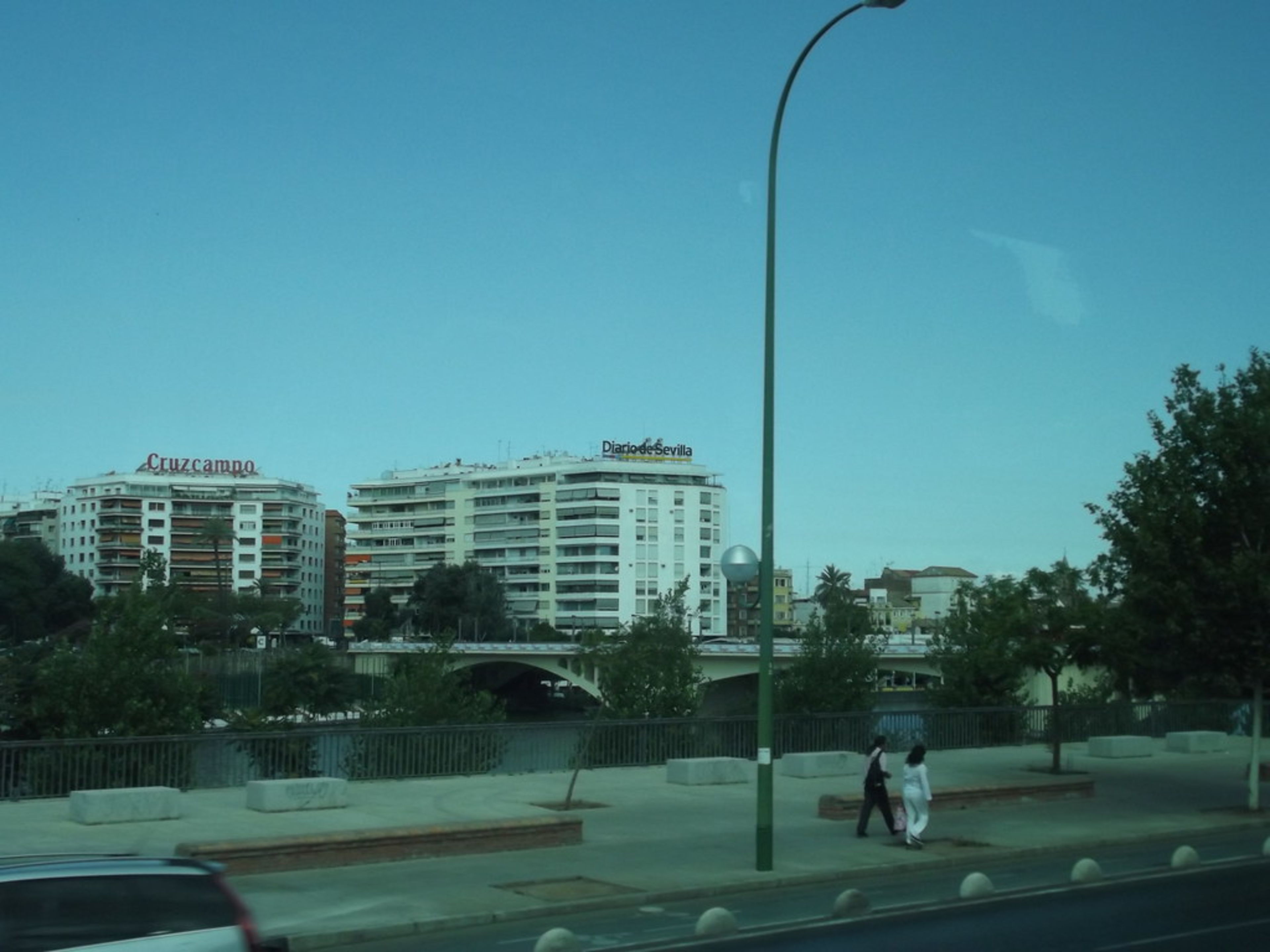
Crossing the river changes everything — whitewashed houses glow cream-gold, distant guitars drift from unseen windows, and the earthy smell of wet ceramic clay signals the artisan workshops this neighborhood is known for. This is Seville without the tourist polish, and wandering solo here feels easy and unhurried.
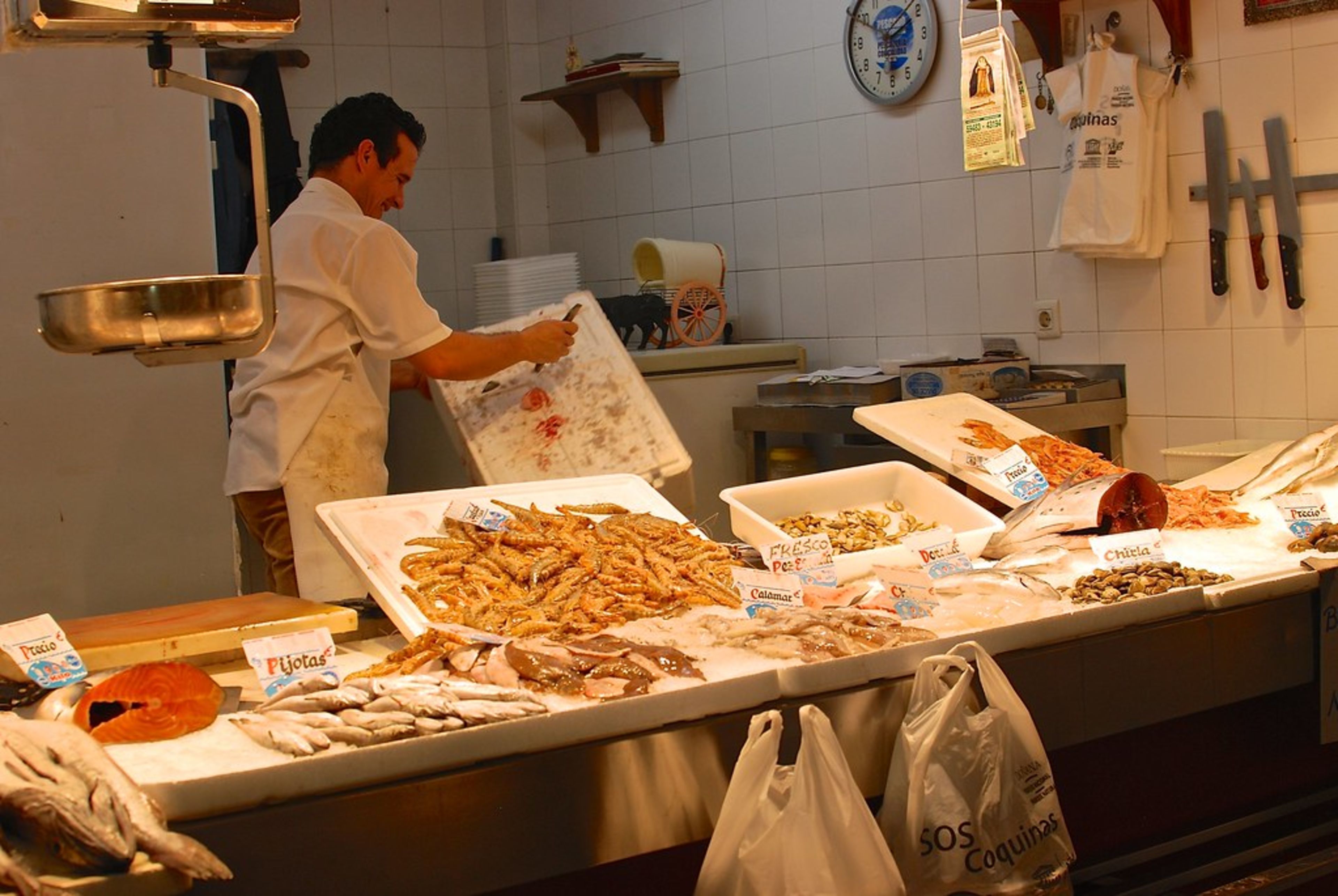
Step into 150 years of market history under ornate wrought iron — the smell of jamón and ripe citrus mingling with vendors' knives on wooden boards. It's an easy, sociable place for a solo traveler to graze on tapas standing at a counter and chat with a vendor or two before the afternoon quiets down.
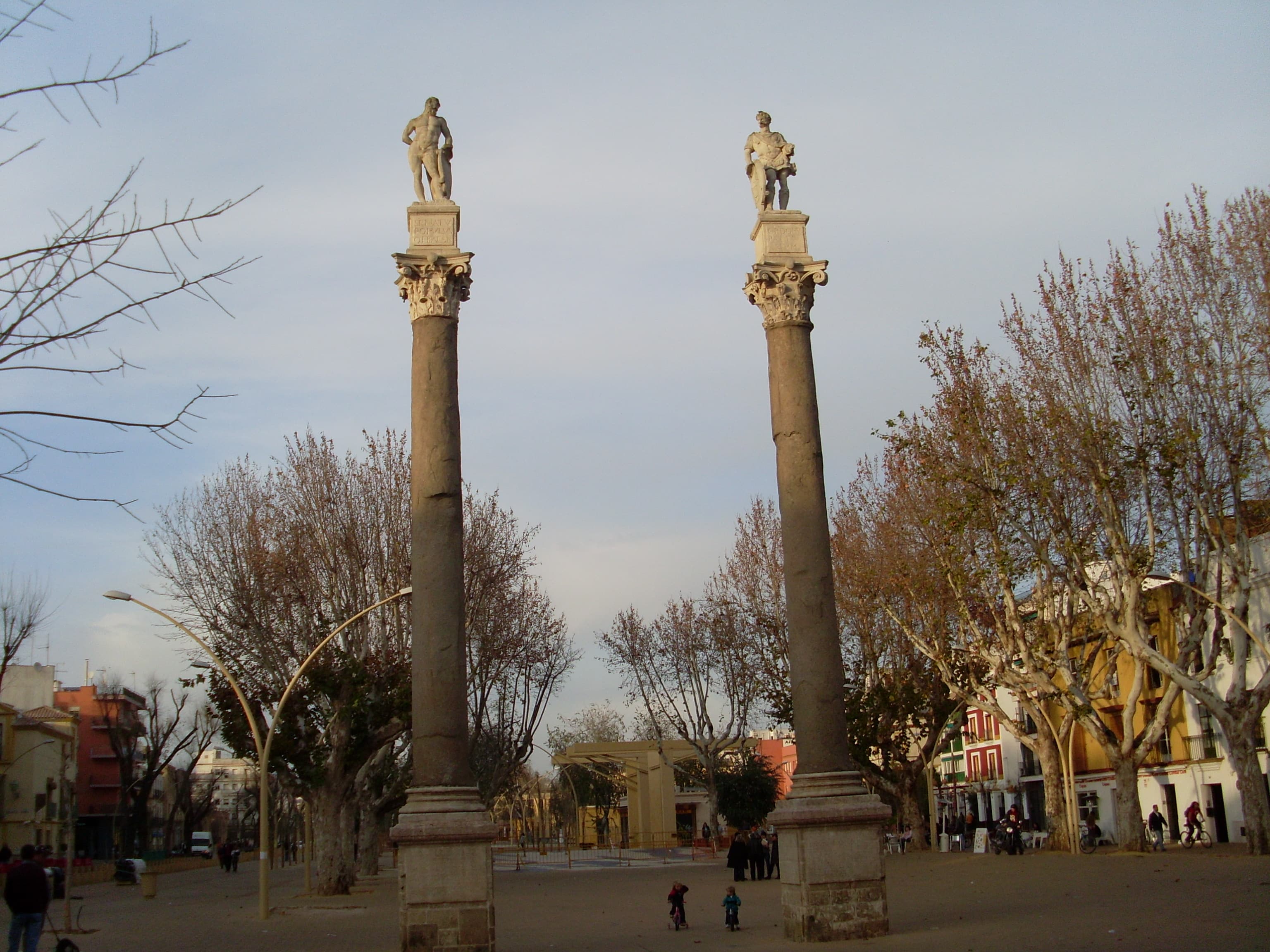
As dusk falls earlier this time of year, Spain's oldest public garden fills with locals gathering at café tables beneath towering white poplars. It's an easy, low-key way to close the trip — sit with a drink, watch the evening ritual unfold, and feel, briefly, like a local rather than a visitor.
Start with Seville's most modern landmark — Metropol Parasol's wooden lattice rooftop offers sweeping views and a striking contrast to the medieval quarters explored earlier in the trip, best enjoyed before mid-morning crowds arrive.
Cross the river into Triana's earthier, more local rhythm — wander whitewashed lanes scented with ceramic clay, then graze through Mercado de Triana's stalls for a market lunch that feels far removed from the tourist core.
As fall's early dusk settles in, wind down at Alameda de Hércules among locals gathering under ancient poplars — a fittingly unhurried close to a trip built around slowing down, with dinner and one last round of tapas to send you off.
Want to tweak this trip?
Our AI planner can customize this itinerary to your exact dates, interests, and travel style.
Customize This ItineraryRestaurant details (hours, menus, availability) change frequently. Check current hours before visiting, especially around Spanish siesta and holiday closures.
Dietary compatibility tags are general guidance. If you have severe allergies, confirm directly with the restaurant.
Travel tips are general guidance, not professional safety advice. Check government advisories for the latest information.
All prices are approximate and may vary seasonally.
Attractions in This Itinerary
Seville Cathedral & La GiraldaChurchReal AlcázarPalaceBarrio Santa CruzNeighborhoodCasa de PilatosPalacePalacio de las DueñasPalacePlaza de EspañaSquareFlamenco Shows (Tablao Flamenco)TheaterMetropol Parasol (Las Setas)MonumentTriana NeighborhoodNeighborhoodMercado de TrianaMarketAlameda de HérculesSquare

