Montgomery area, Alabama
3-Day Itinerary for Active Retirees
“Marble, Memory, and Magnolias: 3 Days in Montgomery”

Spring settles over Montgomery like a held breath — wisteria draping old iron fences, the Alabama River catching soft morning light, and quiet brick streets that ask you to slow down and listen. This is a city where history isn't behind glass; it's underfoot, in pulpits and pews and granite fountains, waiting for those willing to walk it slowly.
At a Glance
Highlights
- Trace the footsteps of Dr. King inside Dexter Avenue's original pulpit
- Feel the cool water and 41 names at the Civil Rights Memorial at first light
- Stand beneath suspended steel at the National Memorial for Peace and Justice
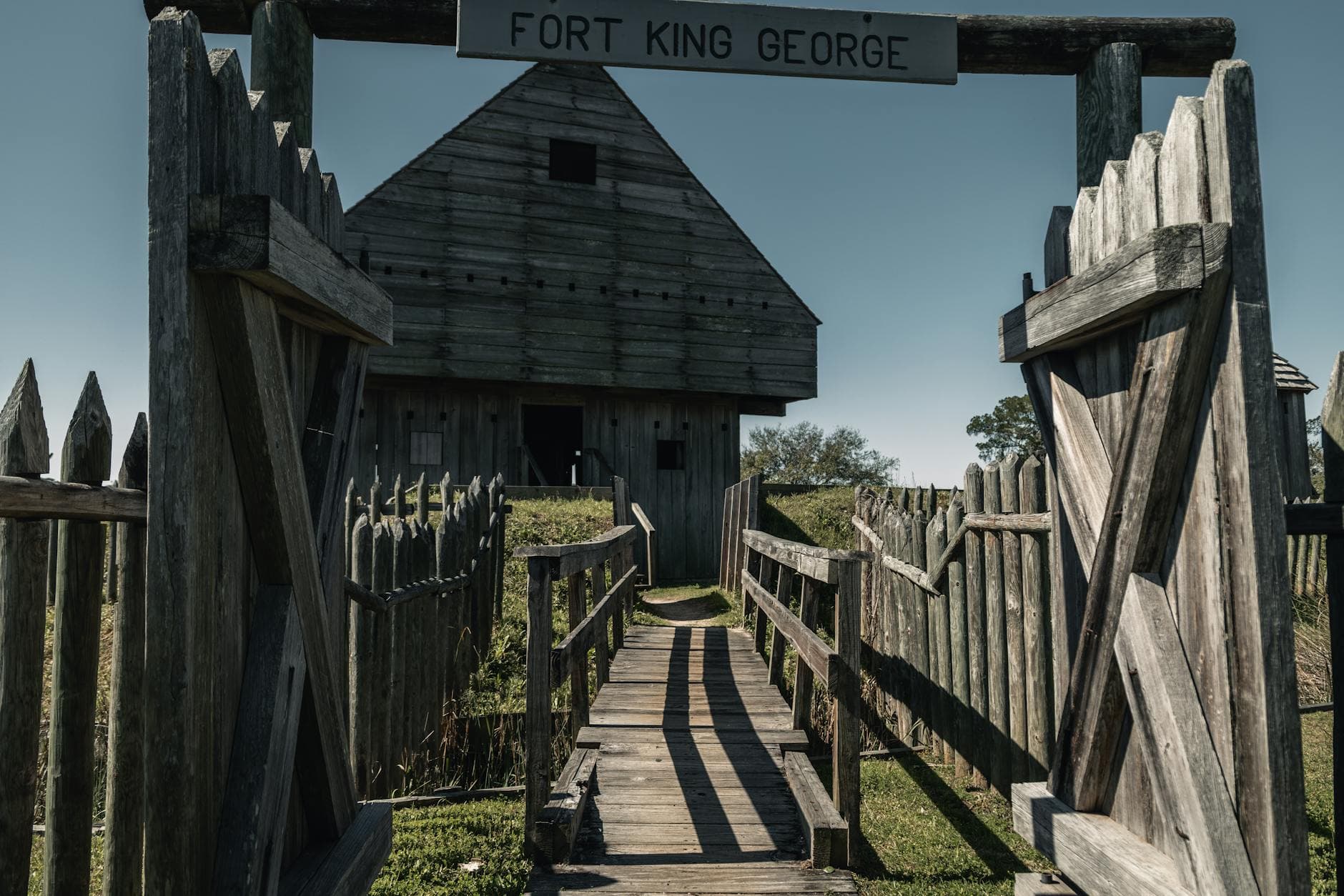
- Wander 19th-century Alabama at the shaded lanes of Old Alabama Town
- Marvel at gilded ceilings inside the restored Alabama State Theatre
- Comfortable, unhurried pacing with frequent benches and flat, accessible paths
Day-by-Day Plan
Day 1: First Light and Quiet Ground
A gentle orientation day focused on two contemplative civil rights sites within easy walking distance, totaling under 1 mile of walking.
Arrive by 8:30am and the plaza belongs to you — just the gentle sound of water tracing 41 names across polished black granite. Run your fingers along the cool stone; by mid-morning, school groups and tour buses will fill the space, so this quiet window is precious. Benches nearby offer a place to sit with the weight of it before moving on.

A short stroll uphill brings you to the modest brick church where a 25-year-old pastor first found his voice. Inside, warm light filters through stained glass onto polished pews, and the oak pulpit where Dr. King once stood feels startlingly close and human-scaled. Docents here are unhurried and glad to answer questions — ask about the mural depicting the Montgomery Bus Boycott in the lower auditorium.

The day begins gently, with the Civil Rights Memorial's quiet water sounds greeting you before the city fully wakes. From there, an easy uphill walk leads to Dexter Avenue's small brick church, its interior glowing with stained-glass light and history that feels close enough to touch.
After a relaxed Southern lunch nearby, the afternoon is left open for rest — perhaps a return to your accommodations in Old Cloverdale or downtown to settle in properly, letting the morning's emotional weight settle before evening.
Keep the evening unhurried; a short walk or quiet dinner near downtown rounds out a day meant for arrival, not exhaustion. Early rest tonight sets a good rhythm for the fuller days ahead.
Day 2: Marble Halls and Steel Memory
A deeper immersion into Montgomery's civil rights and political history, covering roughly 1.5 miles of mostly flat walking across two major sites.
Arrive as doors open at 9am, when polished marble floors echo with only a handful of footsteps. The rotunda's cupola sends soft light spilling down through the stairwell, and docents offer unhurried tours through halls that have witnessed both the Confederacy's founding and the Selma-to-Montgomery march's triumphant end. Frequent benches make this an easy, contemplative visit.
A short drive brings you to one of the most powerful memorials in the country — hundreds of suspended steel columns, each engraved with the name of a lynching victim, hanging overhead in dim, cathedral-like silence. Go slowly here; benches and covered walkways allow for rest between sections, and the experience rewards unhurried reflection over quick passage.

Morning begins in the hushed marble grandeur of the Alabama State Capitol, its cupola light and quiet corridors offering a measured pace well-suited to unhurried exploration. From there, a short drive delivers you to the National Memorial for Peace and Justice, where suspended steel columns demand slow, reflective movement.
After a simple lunch near the memorial or a heartier barbecue plate near the Capitol, the afternoon opens up for rest or, for those wanting more depth, a visit to the Alabama Department of Archives and History. Otherwise, take the afternoon slowly — perhaps a return to lodging for a rest before evening.
Dinner at Wintzell's Oyster House offers comfortable seating and quality seafood in a relaxed, unhurried setting — a fitting close to a day spent with history's heavier chapters, best enjoyed without rushing the meal.
Day 3: Village Green and Velvet Curtain
A lighter, more textured day exploring 19th-century daily life and restored architectural grandeur, with roughly 1 mile of flat, shaded walking.
Arrive by 9:30am, before weekend crowds arrive, and the village green feels almost private — oak shade, creaking porches, and the scent of wood smoke drifting from a cooking demonstration. Costumed interpreters move at an easy pace through 19th-century daily life, and the flat, tree-shaded lanes make for comfortable, leisurely wandering between cabins and gardens.

A short drive back into downtown delivers you to a restored 1920s movie palace, all gilt ceilings and soaring chandeliers. Midweek afternoons are wonderfully quiet, letting you take in the grand staircase and balcony views without competing with an evening crowd. If a matinee or rehearsal happens to be underway, ask front-of-house staff about peeking into the auditorium.

The morning unfolds slowly across Old Alabama Town's shaded lanes, where 19th-century life is recreated with unhurried authenticity — creaking porches, wood smoke, and costumed interpreters moving at an easy, human pace well-suited to lingering.
A short drive returns you downtown to the Alabama State Theatre, its restored 1920s grandeur offering a lighter, more visually indulgent counterpoint to the morning's historical texture — gilded ceilings and quiet afternoon light replacing the morning's rustic charm.
Close the trip with a relaxed dinner at Sa-Za, where quieter tables and attentive service allow for easy conversation and a gentle final evening reflecting on three days spent walking through Montgomery's layered past.
Want to tweak this trip?
Our AI planner can customize this itinerary to your exact dates, interests, and travel style.
Customize This ItineraryRestaurant details (hours, menus, availability) change frequently. Check current hours before visiting, especially in seasonal destinations.
Dietary compatibility tags are general guidance. If you have severe allergies, confirm directly with the restaurant.
Travel tips are general guidance, not professional safety advice. Check government advisories for latest information.
All prices are approximate and may vary seasonally.