Montgomery area, Alabama
3-Day Itinerary for Teen Families
“Marble, Memory, and Morning Light: 3 Days in Montgomery”
The water runs cool and steady across 41 carved names before the day's heat even settles in — Montgomery greets you quietly, then asks you to sit with its history a while. This is a city built for slow mornings, honest conversations, and biscuits that taste like they mean it.
At a Glance
Highlights
- Trace your fingers across the Civil Rights Memorial's water-cooled granite at opening hour
- Stand beneath hundreds of suspended steel columns at the National Memorial for Peace and Justice
- Walk the pulpit steps where Dr. King preached at Dexter Avenue King Memorial Baptist Church
- See Rosa Parks' actual bus stop reenacted in immersive museum detail
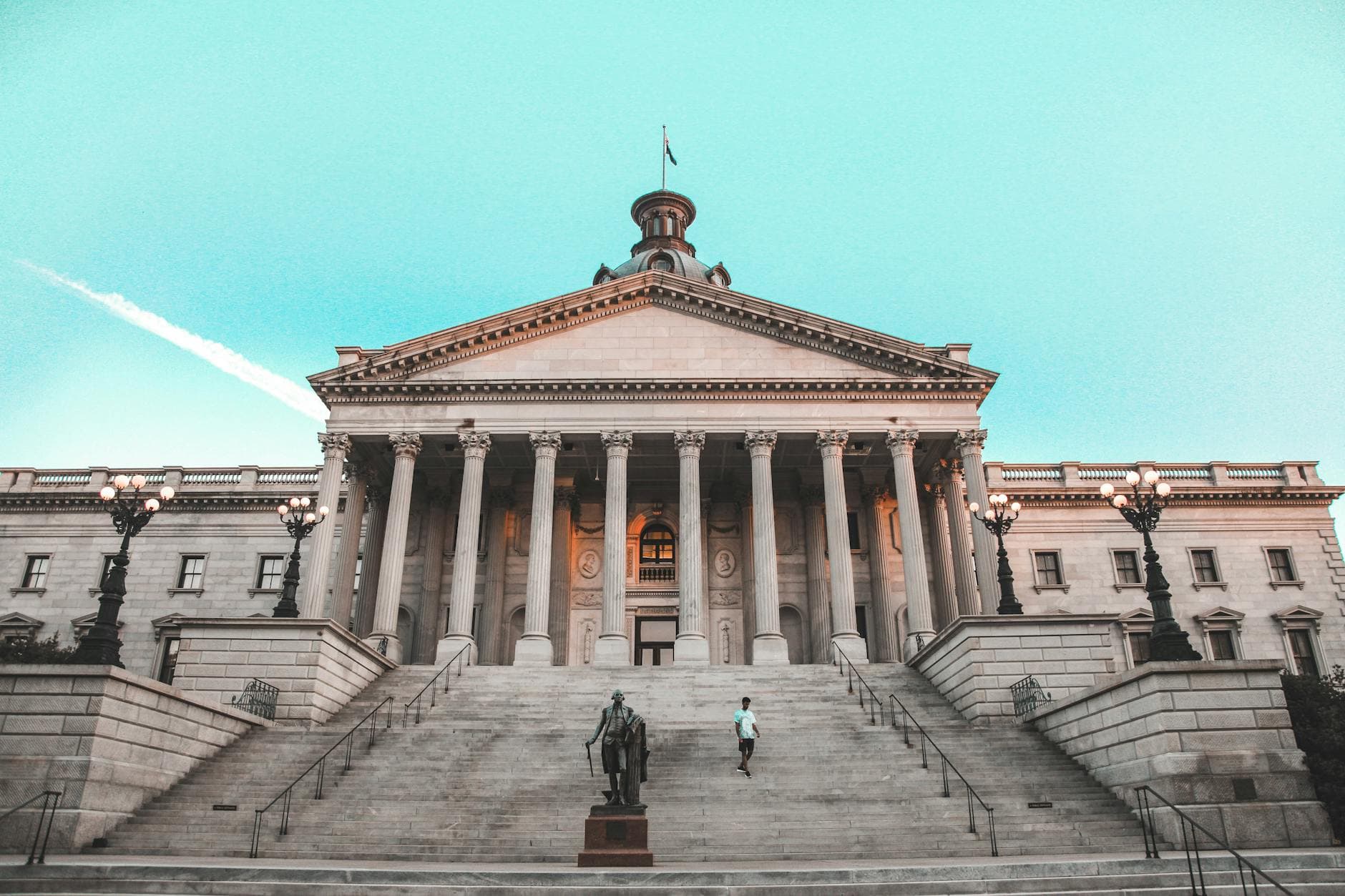
- Explore marble corridors of Alabama's working State Capitol
- Step into 19th-century daily life at Old Alabama Town's living history village
- Catch golden-hour glow on the Alabama State Theatre's 1920s marquee
Day-by-Day Plan
Day 1: First Light on Dexter Avenue
A gentle orientation day focused on the compact, walkable Civil Rights District with roughly 1.5 miles of walking and low-to-moderate physical intensity.
Arrive right at opening and the plaza is nearly silent — just the low murmur of water sheeting across the black granite disk inscribed with 41 names. Let teens run their fingers along the cool stone and read the timeline carved into the curved wall behind it; it's a quiet, grounding start before the day's heat builds.

A five-minute walk uphill brings you to the redbrick church where a 26-year-old pastor named Martin Luther King Jr. once preached his first sermons of resistance. Inside, stained glass throws soft color across the pews, and the guided tour includes the small basement office where the Montgomery Bus Boycott was organized — a powerful, tangible connection for teens studying this era in school.

A short walk brings you to the museum built on the exact corner where Rosa Parks was arrested. The centerpiece — a life-sized reenactment aboard a period bus, with recorded voices and shifting light — tends to captivate teens more than typical museum displays. Budget extra time here; interactive elements make it feel less like a lecture and more like time travel.

The day opens gently at the Civil Rights Memorial, where the sound of water and the weight of 41 names set a reflective tone before the heat rises. From there, a short uphill walk leads to Dexter Avenue King Memorial Baptist Church, where stained glass and hushed pews offer a tangible link to a pivotal moment in American history — one that resonates especially with teens encountering these names beyond textbook pages.
Midday shifts into the Rosa Parks Museum, where an immersive bus reenactment and archival recordings turn passive viewing into something closer to experience. The pace stays unhurried — this is a day for absorbing, not rushing — and lunch nearby offers a chance to decompress over comfort food before the afternoon's rest.
With the historic core explored, evening winds down over a relaxed seafood dinner at Wintzell's Oyster House, its lively atmosphere a welcome contrast to the day's quiet reflection — a good reminder that Montgomery holds both gravity and warmth in equal measure.
Day 2: Steel, Stone, and Sacred Ground
A more immersive history day covering the National Memorial for Peace and Justice and the Alabama State Capitol, with roughly 2 miles of walking and moderate emotional and physical intensity.
Arrive at opening, before the plaza fills — the hundreds of suspended steel columns, each engraved with a county and the names of lynching victims, hit hardest in near-solitude. As you descend the sloped walkway, the columns rise overhead until they hang above you entirely; it's a design meant to be felt physically, not just seen, and teens often respond strongly to the scale and silence.

A short drive brings you to the Capitol steps, where a star marks the spot of Jefferson Davis's 1861 inauguration — a stark counterpoint to the morning's memorial. Inside, marble floors and a soaring rotunda give the building a hushed, museum-like quality; teens can spot the shift between historic architecture and the building's ongoing use as Alabama's active seat of government.
The morning belongs to the National Memorial for Peace and Justice, where hundreds of suspended steel columns create a physical, almost architectural weight that lingers with visitors long after they leave — arriving early means experiencing that scale in near silence before school groups and tour buses arrive.
A short drive across downtown shifts the mood at the Alabama State Capitol, where marble corridors and an active legislative building offer a study in contrasts — a place where history and the present government coexist under one dome. Lunch nearby offers a needed reset, with barbecue or Italian options depending on appetite.
Dinner brings a lighter, more playful energy at Wasabi Japanese Cuisine, its interactive hibachi tables a welcome change of pace after a day steeped in gravity and reflection — a good chance for the family to talk through what they've seen.
Day 3: Living History and Golden Hour Glamour
A lighter final day blending Old Alabama Town's hands-on village experience with an evening stop at the restored Alabama State Theatre, totaling roughly 1.5 miles of walking.
Arrive early while the village is still shaded and quiet — wood-plank paths wind between restored 19th-century cabins, a working blacksmith shop, and gardens smelling faintly of hay and woodsmoke. Costumed interpreters demonstrate period crafts, and teens can wander semi-independently between buildings, giving a taste of autonomy within a safe, contained space.

As the day cools, step into the restored 1920s movie palace, its gilded ceilings and grand chandelier a dramatic contrast to the morning's rustic village. Whether catching a self-guided lobby tour or an evening show, the ornate details and marquee glow at dusk make for a memorable, low-effort finale — no heavy walking required after a full day.

The morning slows down at Old Alabama Town, where wood-plank paths and costumed interpreters offer a tactile, less somber counterpoint to the previous two days — a good stretch for teens to explore semi-independently among the cabins and gardens before the heat peaks.
After a relaxed lunch, the afternoon opens up as free time to rest, swim, or wander Old Cloverdale's boutique streets before regrouping for the evening — a deliberate pause before the trip's final stop.
The day closes at the Alabama State Theatre, its restored 1920s glamour lit up at dusk for a memorable, low-key finale — dinner beforehand at Flames Grille keeps things simple, letting the evening's mood carry the trip's last impression.
Want to tweak this trip?
Our AI planner can customize this itinerary to your exact dates, interests, and travel style.
Customize This ItineraryRestaurant details (hours, menus, availability) change frequently. Check current hours before visiting, especially in seasonal destinations.
Dietary compatibility tags are general guidance. If you have severe allergies, confirm directly with the restaurant.
Travel tips are general guidance, not professional safety advice. Check government advisories for latest information.
All prices are approximate and may vary seasonally.