3 DaysTeen Families5 Stops

Fairbanks area, Alaska

3-Day Itinerary for Teen Families

β€œSteam, Snow, and Santa: A Fairbanks Family Winter Circuit”

Steam, Snow, and Santa: A Fairbanks Family Winter Circuit

Winter here doesn't whisper, it declares itself β€” breath crystallizes mid-sentence, snow squeaks underfoot like styrofoam, and by mid-afternoon the sky is already bruising toward dusk. This is a trip built for families who want their teens off their phones and into a steaming hot spring under green ribbons of aurora, with enough frontier kitsch and crunchy snow-walks to keep everyone talking long after they're home.

At a Glance

Climate & Weather
Expect brutal cold, potentially down to -18Β°C/-1Β°F, with short daylight windows (roughly 10am-3pm in winter). Pack insulated parkas, thermal base layers, face masks, wool socks, and waterproof/insulated boots rated for sub-zero temps β€” cotton is your enemy here.
Getting Around
A rental car with studded winter tires is essential β€” public transit is minimal and distances between clusters (downtown, North Pole, Chena Hot Springs Road) require 30-90 minute drives. Check road conditions before heading out, especially after fresh snow.
Budget
Budget roughly $120-180 per day per family member for food and activities, with the hot springs day trip and admission running higher than the downtown/North Pole day.
Safety
Hypothermia and whiteout conditions are real risks; dress in layers, keep devices charged, and never underestimate how fast conditions change on remote roads like Chena Hot Springs Road. Moose are occasionally seen near trails β€” give them wide berth and never approach. Vehicles should carry emergency supplies (blankets, snacks, flashlight) for any drive outside town.
Connectivity
Cell coverage is reliable in Fairbanks and North Pole but grows spotty along Chena Hot Springs Road and disappears in pockets near the resort; download offline maps before heading out. Most lodges and the hot springs resort offer WiFi.
Local Tips
Many restaurants reduce hours or close entirely in winter shoulder months β€” call ahead rather than assume. Aurora viewing is best between 10pm and 3am on clear nights, so consider letting teens nap or sleep in before a late-night wake-up call. Locals dress in layers they can shed indoors β€” overheating in a parka inside a warm cafΓ© is a rookie mistake.

Highlights

  • Soak in 106Β°F geothermal pools while snow falls on your shoulders
  • Hunt the aurora from a remote wilderness lodge an hour from city lights
  • Meet reindeer on Santa's actual lawn in North Pole, Alaska
  • Scan thousands of migratory birds at a working waterfowl refuge
  • Earn bragging rights on a granite scramble at Angel Rocks
  • Teen-friendly pacing with built-in downtime and autonomy moments

Day-by-Day Plan

Arrival & gentle orientation

Day 1: Settling In: Reindeer, Refuge, and the Long Blue Dusk

A light, low-exertion day combining North Pole's holiday whimsy with birdwatching at Creamer's Field, covering roughly 1-2 miles of easy, flat walking.

Wear
Insulated parka, thermal base layers, wool socks, waterproof boots, hand warmers, and a face mask for any extended outdoor time β€” dress like you're staying out longer than planned.
Budget
$90-140 for the family (admission is minimal; budget mostly covers meals and gift shop temptations)
10:00 AM - 11:30 AM
North Pole (Santa Claus House) Β· morning Β· 90 min Β· Downtown Fairbanks & North Pole Circuit

Arrive by 10am and the lot's still half-empty β€” you'll have the reindeer pen and the big red facade mostly to yourselves before the day-trippers roll in. Inside, pine and hot cocoa hang thick in the air, Christmas music loops cheerfully regardless of the date, and even skeptical teens tend to crack a smile at the sheer, unbothered commitment to the bit. It's a gentle, mostly indoor start β€” easy on jet-lagged legs and a good icebreaker for the trip.

North Pole (Santa Claus House)
Hartman, Zoe. [from old catalog] / wikimedia (Public domain)
Shoot the exterior sign first thing in flat morning light before crowds and cars clutter the frame.
Fully wheelchair accessible with flat paths and frequent benches throughout.
25 min drive β€” A short highway hop north from North Pole back toward Fairbanks, low winter sun flashing between bare birch trunks along the roadside.
1:00 PM - 2:30 PM
Creamer's Field Migratory Waterfowl Refuge Β· afternoon Β· 90 min Β· Downtown Fairbanks & North Pole Circuit

The marsh is quiet in winter compared to migration season, but the open fields and boreal forest edge still offer a crisp, grounding walk β€” breath fogging, boots crunching old snow, maybe a raven calling somewhere in the birches. It's an easy counterpoint to the morning's sugar-rush energy: slower, wide-open, good for a family reset before the evening's indoor plans. Trails are flat enough for easy conversation, which makes it a solid spot for parents and teens to actually talk.
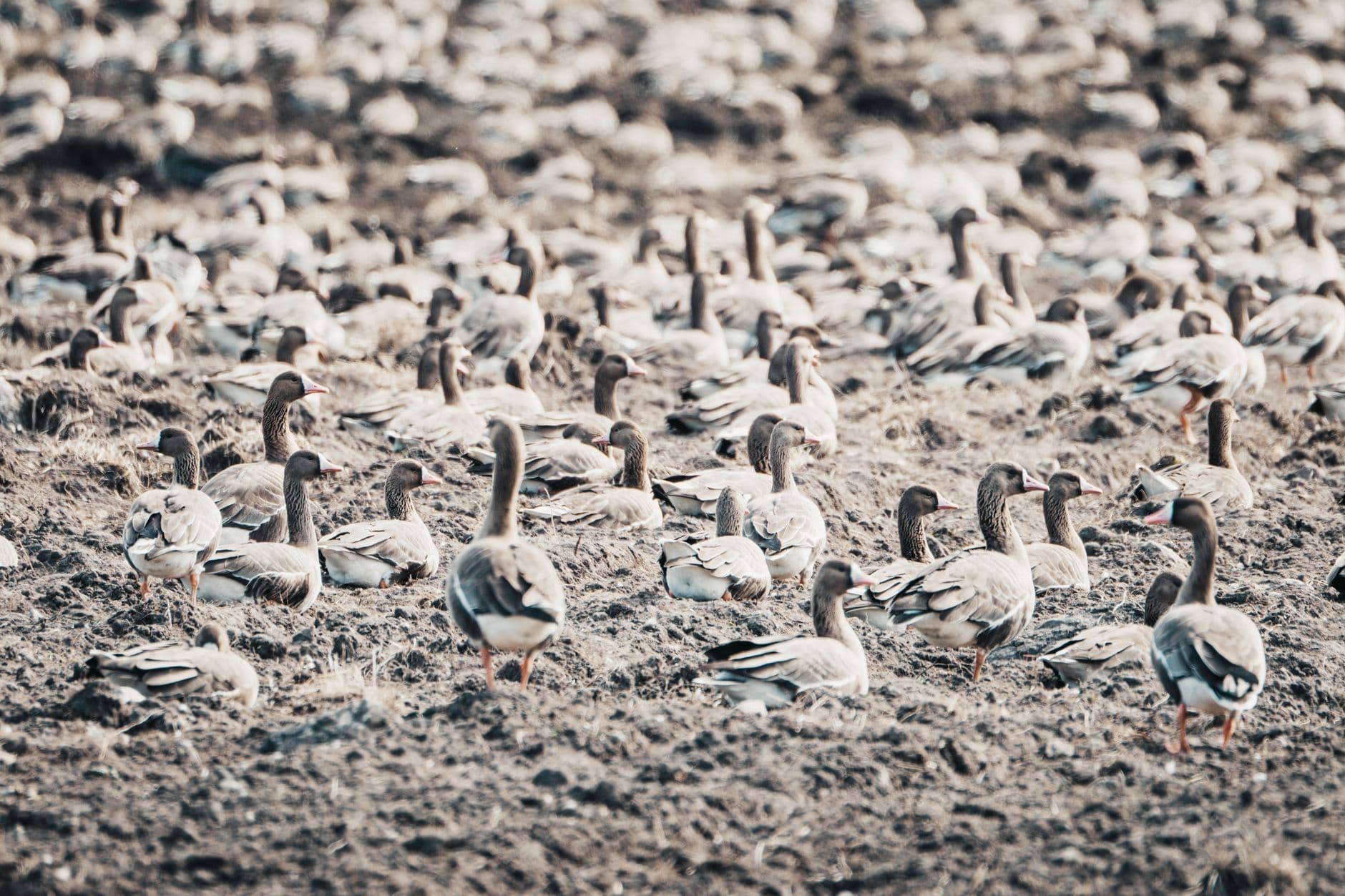
Creamer's Field Migratory Waterfowl Refuge
Photo by Raul Ling on Pexels
Head to the marsh observation platform β€” even without migration crowds, the open wetland vista photographs beautifully in the blue hour before 3pm sunset.
Main loop trail is flat and wheelchair accessible, with benches roughly every 200 meters.
Lunch
Gyros & More $
Greek Β· Near Creamer's Field
Quick, hearty, and unfussy β€” a solid warm-up meal between North Pole and the refuge that won't slow the day down.
Dinner
Kanpai $$
Sushi Β· Near Creamer's Field
An unexpectedly trendy, teen-approved dinner spot β€” fresh rolls and a menu that feels like a plot twist against the frontier backdrop outside.
Optional detour: Forget Me Not Espresso β€” Between Creamer's Field and dinner
A cozy coffee stop to warm up and let teens grab a hot drink on their own terms β€” a small, low-stakes autonomy moment. Skip if: Skip if the family's already had enough coffee shop stops or if daylight is fading and you want to get indoors before dark.
If it rains: Both stops today are largely indoor or short-exposure outdoor activities; heavy snow simply means bundling up more at the refuge, or spending extra time in the Santa Claus House gift shop and cafΓ© area.

Ease into the trip with something low-pressure and a little absurd: Santa Claus House, glowing red against the snow, somehow sincere despite itself. Arrive early and the reindeer yard and gift shop feel almost private, pine-scented air curling out every time the door swings open. It's a soft landing β€” nobody's hiking yet, nobody's cold for too long, and the whole family gets a shared, slightly goofy memory to kick things off.

The pace shifts from jingling kitsch to quiet wild space at Creamer's Field, where open marshland and birch forest replace tinsel and gift shop carpet. Boots crunch over packed snow, breath hangs visibly in the air, and the wide sky starts its long slide toward dusk β€” Fairbanks winter days are short, and by early afternoon the light's already turning gold then blue. It's an easy walk, good for stretching legs after a car ride and for letting conversation wander.

As the sky deepens toward true dark by late afternoon, settle into dinner somewhere with a little personality β€” Kanpai's fresh rolls feel like a reward after a day of cold air and travel fatigue. Keep the evening unhurried; this is still an arrival day, and an early, cozy night sets everyone up for the more demanding wilderness day ahead.

Adventure & deep soak

Day 2: Granite and Geothermal: The Wild Heart of Chena

A full, active day combining a steep alpine hike with extended hot springs relaxation, covering 3-4 miles of trail walking at Angel Rocks plus minimal flat walking at the springs.

Wear
Full winter layering system for the hike β€” moisture-wicking base, insulating mid-layer, windproof/waterproof shell, insulated waterproof boots with good tread, gloves, and a warm hat; bring a swimsuit and a towel for the hot springs, plus a dry change of clothes for after.
Budget
$150-220 for the family (hot springs admission runs higher than typical attractions, plus trail snacks and lodge dining)
75 min drive β€” The long haul up Chena Hot Springs Road β€” pavement giving way to snow-dusted forest corridor, worth a scenic pullover partway if anyone needs a stretch or a bathroom break.
9:00 AM - 12:00 PM
Angel Rocks (hiking) Β· morning Β· 180 min Β· Chena Hot Springs Wilderness Retreat

Arrive by 9am and the trail's likely empty β€” just your family, the crunch of boots on packed snow, and granite outcrops emerging from the spruce like old bones. It's a genuine scramble, steep in places, but the payoff is a 360-degree view over the taiga that makes teens stop scrolling and just look. Pace it slower than summer guides suggest β€” winter footing demands more caution, and frequent rest breaks keep everyone's energy and morale up.

Angel Rocks (hiking)
U.S. National Park Service, restoration/cleanup by National Park Maps (https://npmaps.com) / wikimedia (Public domain)
The summit granite outcrop is the shot β€” aim for late morning light when the valley below is lit without the sun blinding the lens.
Not recommended for those with mobility limitations; terrain is steep, uneven, and icy in winter.
10 min drive β€” A short hop further up the road from the trailhead to the resort, steam already visible rising over the treeline as you approach.
1:00 PM - 5:00 PM
Chena Hot Springs Β· afternoon Β· 240 min Β· Chena Hot Springs Wilderness Retreat

After the scramble, nothing beats sinking into mineral-rich 100-plus-degree water while snow falls silently around you β€” sulfur steam curling into frigid air, muscles finally unclenching. Teens get genuine freedom here, floating off to their own corner of the pool while parents soak nearby; it's one of the trip's best built-in autonomy moments. Stay through dusk if the sky looks promising β€” aurora sightings from the pool, on a clear winter night, are the kind of thing nobody forgets.

Chena Hot Springs
Durtsche, Bruce M Hobgood, Winston Burris, Jan United States. Bureau of Land Management. Alaska State Office / wikimedia (Public domain)
Sunset or early evening is prime β€” steam rising dramatically off the pools against a darkening sky, and if luck holds, aurora reflected in the water.
Pools and main facilities are wheelchair accessible with flat paths and frequent benches.
Lunch
Aurora Cafe $
Coffee shop, sandwiches Β· Near Chena Hot Springs
Simple, warming sandwiches and coffee β€” ideal post-hike refuel before changing into swimwear.
Dinner
Chena Hot Springs Restaurant $$
Regional Β· Near Chena Hot Springs
Hearty regional fare right at the resort, meaning nobody has to leave the hot-springs bubble once they're relaxed and warm.
If it rains: If weather turns severe on the mountain, descend immediately β€” granite gets dangerously slick β€” and shift the day's focus to the hot springs resort's indoor pools and geothermal facility, which function well in any weather and actually feel more atmospheric in falling snow.

The day opens with real exertion: Angel Rocks demands steady footing and steady breathing, cold thin air sharp in the lungs as the trail climbs through spruce into exposed granite. It's the most physically demanding stop of the trip, but also the most rewarding β€” summit views stretch across a sea of dark green forest and frozen lakes, the kind of scale that's hard to describe and easy to photograph.

Everything slows down at Chena Hot Springs. Sore legs sink into mineral water, steam fogs up glasses, and the family scatters comfortably across the pool β€” teens off exploring their own corner, parents finally exhaling. The contrast between the morning's granite intensity and this afternoon's total stillness is the whole point of the day.

Dinner happens right at the resort, unhurried, with the option to linger afterward if skies look clear β€” aurora season rewards patience, and there's something almost otherworldly about watching green light ripple overhead while still damp and warm from the pools. Call it an early night if skies are cloudy; call it a late one if they're not.

Wind-down & reflection

Day 3: Last Light: Easing Back Toward Town

A lighter final day revisiting downtown-area flexibility and wrap-up time, with minimal walking (under 2 miles) to ease travel-day logistics.

Wear
Comfortable layered outfit suitable for travel β€” parka still essential for any outdoor transitions, but boots can be swapped for easier travel footwear if departing.
Budget
$80-120 for the family, covering a final meal out and any last souvenir stops
9:30 AM - 10:45 AM
Creamer's Field Migratory Waterfowl Refuge Β· morning Β· 75 min Β· Downtown Fairbanks & North Pole Circuit

A final, quieter return to the refuge before travel logistics take over β€” arrive by 9:30am for near-solitude on the trails, frost still clinging to the grass. It's a gentle bookend to the trip: no steep climbs, no crowds, just open sky and the soft crunch of snow, giving the family a last unhurried moment together before the airport or road trip south.

Creamer's Field Migratory Waterfowl Refuge
Photo by Raul Ling on Pexels
Morning light is soft and flat here in winter β€” good for wide, moody shots of the open wetland rather than high-contrast portraits.
Flat, wheelchair-accessible main loop with benches roughly every 200 meters.
Breakfast
Forget Me Not Espresso $
Cafe/Coffee Β· Near Creamer's Field
A relaxed, locally loved coffee stop for a final easy breakfast before heading out β€” good coffee, no fuss.
Lunch
Chicken Town $
Chicken Β· Near Creamer's Field
Casual, crowd-pleasing, and quick β€” a low-key last meal that won't test anyone's patience before travel.
Optional detour: North Pole (Santa Claus House) β€” After Creamer's Field and before lunch
A quick return visit works well if anyone wants last-minute souvenirs or one more photo with the reindeer. Skip if: Skip if everyone's ready to wind down and prioritize relaxed logistics over another attraction stop.
If it rains: If snow or wind makes the refuge unpleasant, shift straight to a relaxed breakfast or coffee stop and treat the morning as a slow, indoor farewell to the trip instead.

The final morning stays deliberately light β€” one more walk at Creamer's Field, frost-dusted and quiet, the kind of place that feels different without yesterday's adrenaline. It's less about seeing something new and more about letting the trip settle before travel takes over.

A casual, no-pressure lunch nearby closes out the sightseeing portion of the trip, leaving room for last-minute shopping, packing, or simply resting before departure. Nothing here demands much physical or mental energy β€” exactly the point after two fuller days.

However the day ends β€” heading to the airport or driving south β€” there's time built in for one last look at that huge interior sky, already deepening toward evening by late afternoon. It's a fitting close to a trip built on contrasts: scalding water and frozen air, holiday kitsch and genuine wilderness, teen independence and family togetherness.

Want to tweak this trip?

Our AI planner can customize this itinerary to your exact dates, interests, and travel style.

Customize This Itinerary
Good to Know

Restaurant details (hours, menus, availability) change frequently, especially in winter when many Fairbanks-area establishments reduce hours. Check current hours before visiting.

Dietary compatibility tags are general guidance. If you have severe allergies, confirm directly with the restaurant.

Travel tips are general guidance, not professional safety advice. Winter road and weather conditions in the Fairbanks area can change rapidly β€” check current advisories before any drive, especially along Chena Hot Springs Road.

All prices are approximate and may vary seasonally.

We use cookies to improve your experience and analyze site usage. Essential cookies are always active. You can customize your preferences or accept all cookies. Cookie Policy