Kenai Peninsula (Seward, Homer, Cooper Landing), Alaska
3-Day Itinerary for Teen Families
“Ice, Silence, and Silver Light: 3 Winter Days on the Kenai Peninsula”

In winter the Kenai Peninsula empties out and goes quiet — the glacier ice turns a deeper blue against snow, the harbors creak under frost, and the whole place feels like it belongs to you. This is Alaska stripped of crowds, built for families who don't mind bundling up for something unforgettable.
At a Glance
Highlights
- Standing at the toe of Exit Glacier with almost no one else around
- Frost-rimmed harbor walks along Homer Spit with the Alaska Range as backdrop
- Quiet riverside scanning for winter wildlife near Cooper Landing
- Hearty, unpretentious seafood dinners after short, cold-bright days
- Teen-friendly pacing with room to wander docks and shops solo
- Golden, low-angle winter light perfect for photography most of the day
Day-by-Day Plan
Day 1: Settling In at the Edge of the Ice
A gentle first day easing into Seward with a short, scenic glacier walk and no long drives — about 1.5 miles of walking total, low-to-moderate energy.
In winter, the crowds that clog this trail in July are gone entirely, leaving just the hush of snow-muffled forest and the distant groan of ice settling. The lower approach is manageable for teens and parents alike, delivering you close enough to see blue fracture lines glowing inside the ice without the exposure of the full icefield route. Go early — the morning light is soft and diffuse, perfect for photos without harsh shadows.

Use the visitor center and lower park grounds as an orientation stop — boat tours and the full Harding Icefield climb are not viable in winter conditions, but the ranger displays and park overlook give teens context for the landscape they just walked through. It's a low-key way to end the morning without overloading a jet-lagged first day.

The first morning moves slowly and deliberately — there's no rush, no itinerary to outrun. Exit Glacier in winter feels almost private: snow softens every sound except the occasional deep crack of shifting ice, and the trail, while shorter than its summer counterpart, delivers the same awe in miniature. Teens who've seen glaciers only in photos tend to go quiet here, genuinely startled by the scale and color of the ice up close.
After a cold morning outdoors, the pace eases further. A stop at the Kenai Fjords visitor grounds lets everyone warm up, read a bit about the icefield overhead, and decompress without demanding much physical effort — ideal for a travel-weary family still adjusting to the short days and long drive down from Anchorage.
Settle into Seward for the evening. With most tour operations dormant for winter, the town itself turns inward — quiet streets, steam rising off chimneys, and an early dinner feels right before the 4:30pm dark sets in fully. This is the night to go to bed early and let the trip's rhythm take hold.
Day 2: Rivers, Ridgelines, and the Road Between
A driving-and-exploring day through Cooper Landing with a riverside wildlife stop, covering roughly 1 mile of walking and a moderate half-day on the road.
The bears that crowd this spot every July are hibernating now, but the river itself is worth the stop — ice-rimmed banks, the hiss of moving water against frozen rock, and a stillness that makes any wildlife sighting (moose, bald eagles, otters) feel like a private reveal. It's a good stretch-your-legs stop after the long drive from Seward, and teens often enjoy the challenge of spotting tracks in the snow along the bank.

The drive from Seward to Cooper Landing is itself part of the experience — the road threads along frozen inlets and under sheer cliffs, with sheep sometimes visible against the snow. Arriving at the Russian River, the silence is immediate and total, broken only by water and wind. It's a strange, good kind of quiet for a family used to buzzing phones and city noise.
With the main stop behind you, the afternoon becomes travel time — the drive toward Homer takes a few hours, and winter daylight means timing matters. Use the drive itself as a mini adventure: scan for moose near the roadside, watch the light shift over the mountains, and let the long stretches of highway become part of the day's rhythm rather than dead time.
Arrive in Homer as the light fades, settle into the room, and keep dinner simple and warm. After two cold, outdoor-heavy days, an early night helps everyone recharge for the Spit tomorrow.
Day 3: Harbor Light on Homer Spit
A lighter final day exploring Homer Spit on foot, with about 2 miles of flat, easy walking and low-to-moderate energy.
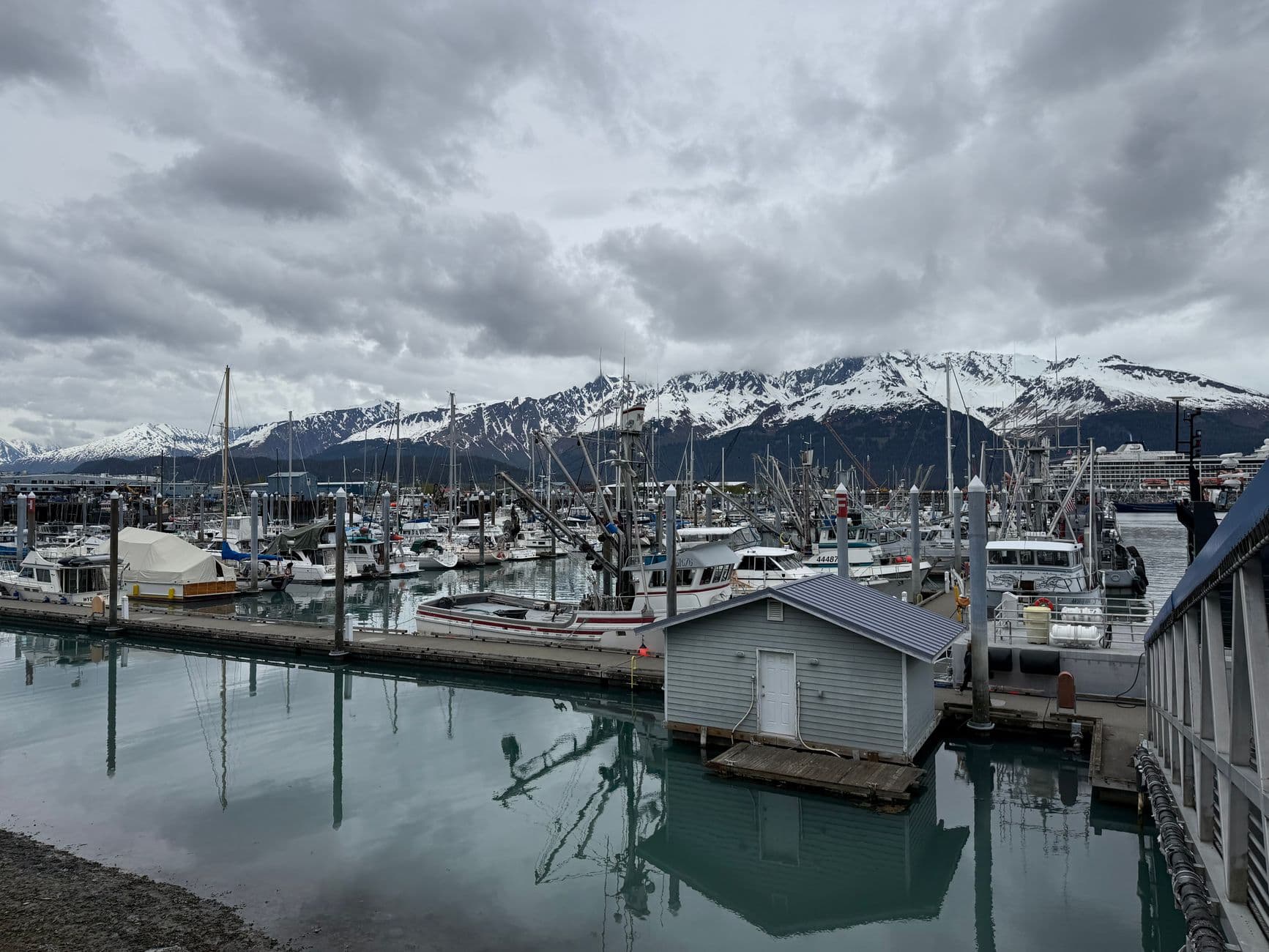
Driving the length of the Spit in winter light is almost cinematic — low sun catches the snow-dusted mountains across the bay, and the harbor sits mostly still, boats frozen in place for the season. Arrive before 10am and you'll likely have the pullouts to yourselves, a rare treat compared to summer's packed viewpoints.
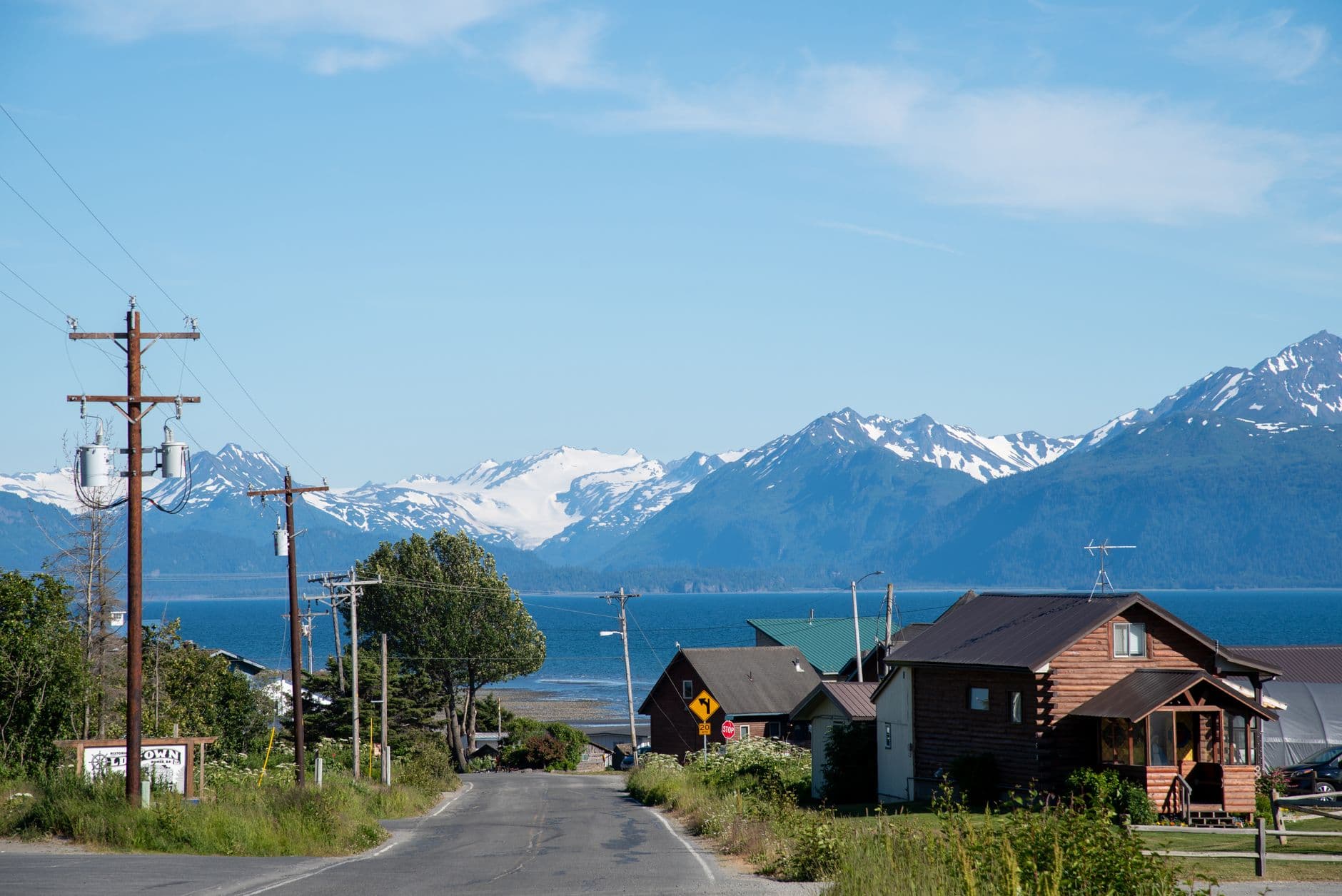
Even in winter's slower season, the docks carry a quiet working energy — a few boats being repaired, gear stacked for spring, gulls circling out of habit. Teens get a bit of autonomy here, wandering the walkway at their own pace while parents linger over the view, and everyone can appreciate the raw, unpolished authenticity of a real fishing town off-season.
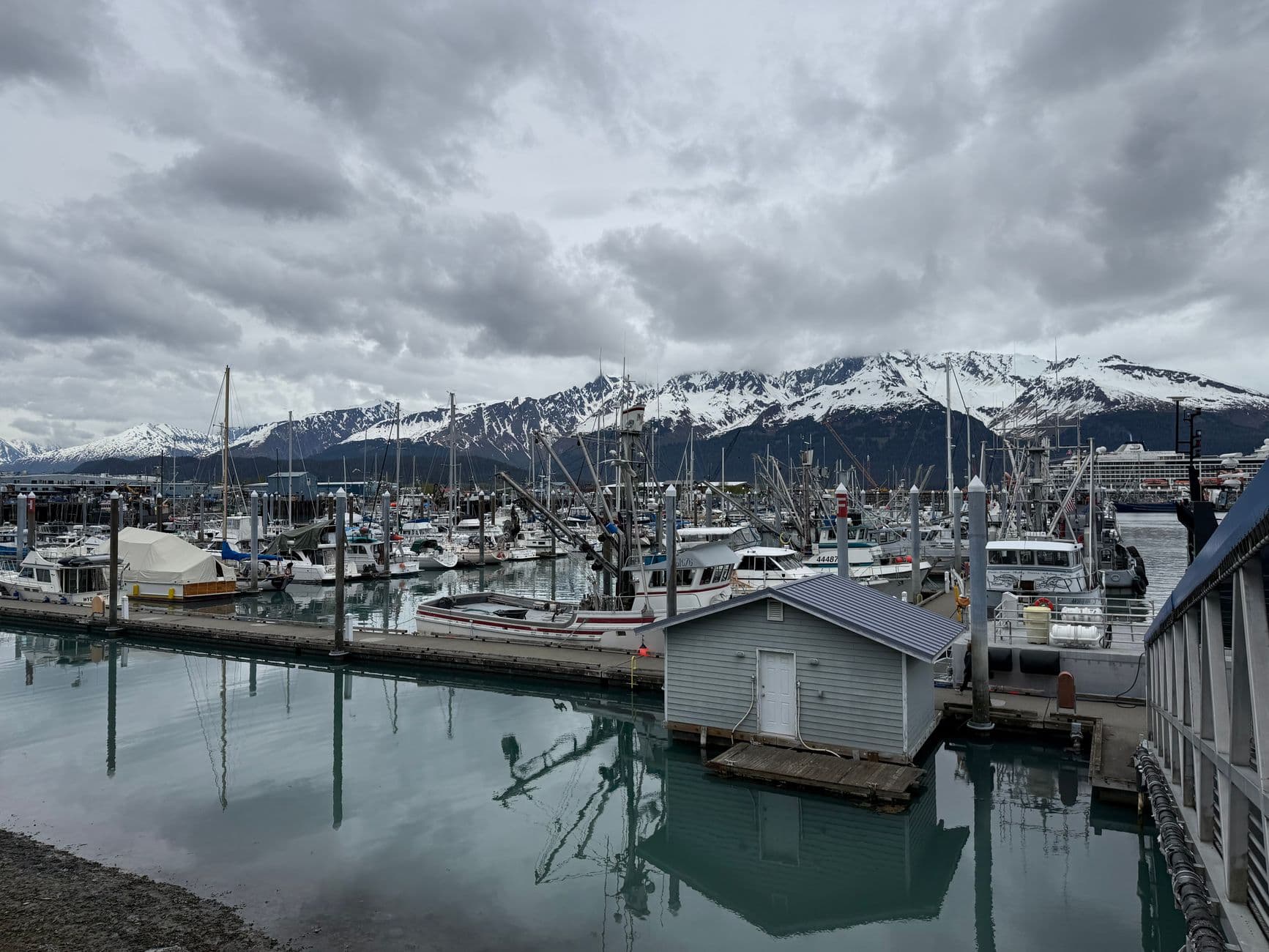
At the very tip of the Spit, the view opens up fully — the Alaska Range rising straight out of the water, gulls riding the wind, and the pebble beach crunching underfoot in the cold. It's a fitting last stop: wide open, quiet, and visually unforgettable, a good spot to let the trip's pace finally slow all the way down before heading to lunch.
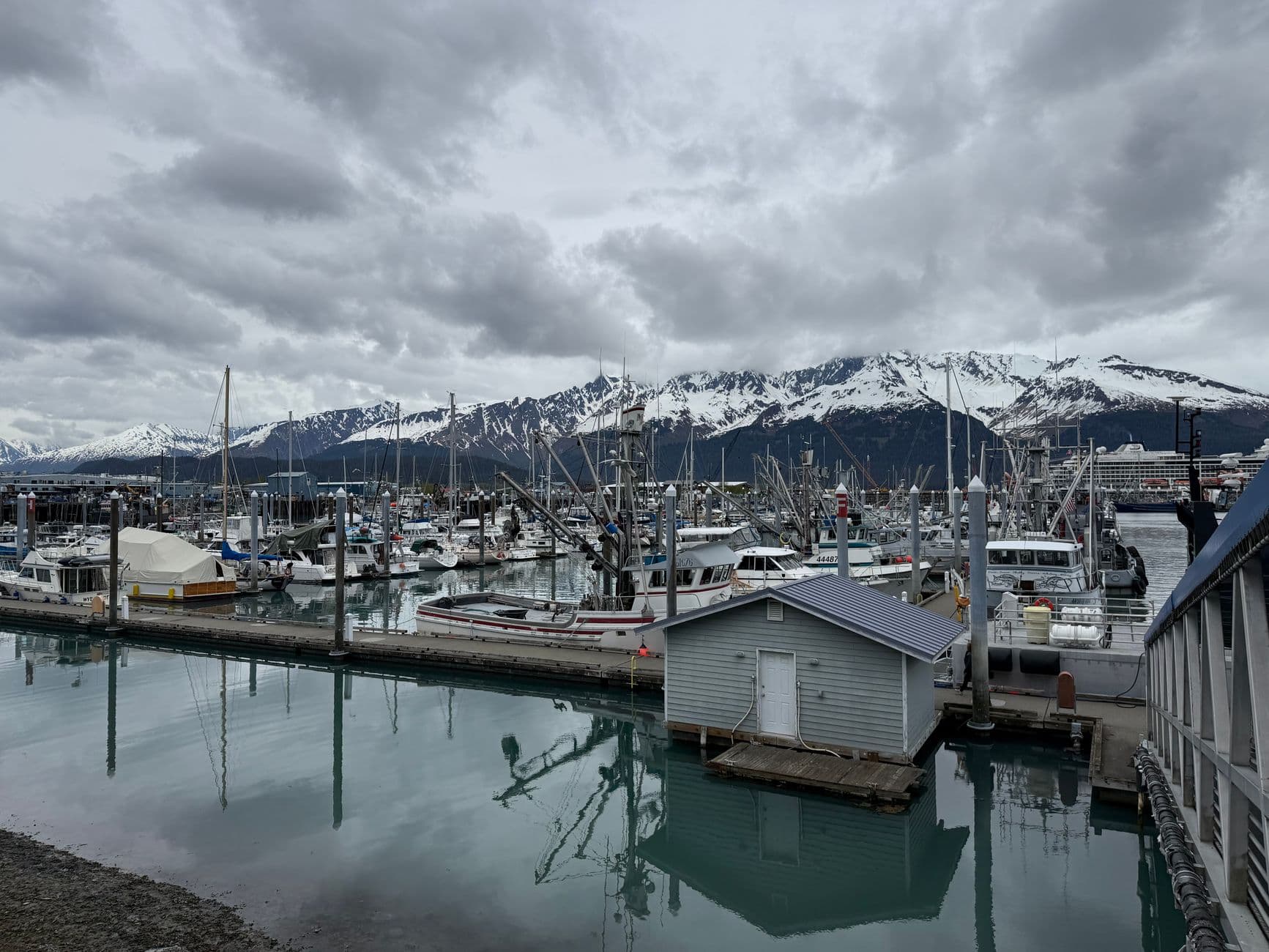
The final day opens with an easy scenic drive down the Spit, the kind of low-effort, high-reward stop that suits a family winding down after two active days. Morning light slants low across the bay, and the stillness of the off-season harbor gives the whole scene a contemplative, almost cinematic quality.
The pace stays gentle through midday — a relaxed walk along the docks, some teen independence to explore at their own speed, and a final stretch at the Spit's tip where the mountains and water dominate the view completely. It's unhurried, exactly the right note to end on.
Wrap the trip with a casual dinner near the harbor, something warm and unpretentious to match the whole trip's honest, unvarnished character. As the short winter day fades into early dark, there's a natural sense of closure — three days of ice, quiet rivers, and harbor light, experienced the way only off-season Alaska allows.
Want to tweak this trip?
Our AI planner can customize this itinerary to your exact dates, interests, and travel style.
Customize This ItineraryRestaurant details (hours, menus, availability) change frequently, especially in winter when many businesses operate reduced schedules. Check current hours before visiting.
Dietary compatibility tags are general guidance. If you have severe allergies, confirm directly with the restaurant.
Travel tips are general guidance, not professional safety advice. Check government and park advisories for current winter road and trail conditions.
All prices are approximate and may vary seasonally.