Grand Canyon NP (South Rim vs North Rim), Arizona
3-Day Itinerary for Solo Traveler
“Rim Light and Silence: Three Days Across the Grand Canyon's Two Faces”

The canyon doesn't reveal itself all at once — it arrives in layers, the way the rock itself does, one overlook at a time until the scale finally lands in your chest. Spring here means wildflowers pushing through red dust, cool mornings that turn warm by 10am, and just enough shoulder-season quiet to hear the wind do most of the talking.
At a Glance
Highlights
- Sunrise at Mather Point with the canyon nearly to yourself
- Standing inside the cool stone spiral of Desert View Watchtower
- A quiet wildflower walk along the Desert View Trail
- The knife-edge solitude of Bright Angel Point Trail on the North Rim
- Cape Royal's eastern throne, reached only by those willing to drive the distance
- Two rims, two moods, one river carving through both
Day-by-Day Plan
Day 1: First Light on the South Rim
A gentle first day easing into the canyon's scale with short walks and iconic overlooks, covering roughly 2–3 miles total.
This is the moment the canyon stops being an idea and becomes real — arrive by 7am and the overlook is nearly silent, just wind and the occasional shutter click. The light at this hour rakes low across the rock, pulling the layered reds and purples into sharp relief before the crowds and haze of midday flatten everything out. Give yourself a few slow minutes here before moving anywhere else; this is the calibration point for the whole trip.
From Mather Point, ease into the broader South Rim landscape with an unhurried walk along the rim, letting the silence and mineral scent of the stone settle in. This is a day for slow observation rather than mileage — pause at benches, watch the light shift, and let the scale of 1.8 billion years of geology sink in without rushing toward the next thing.
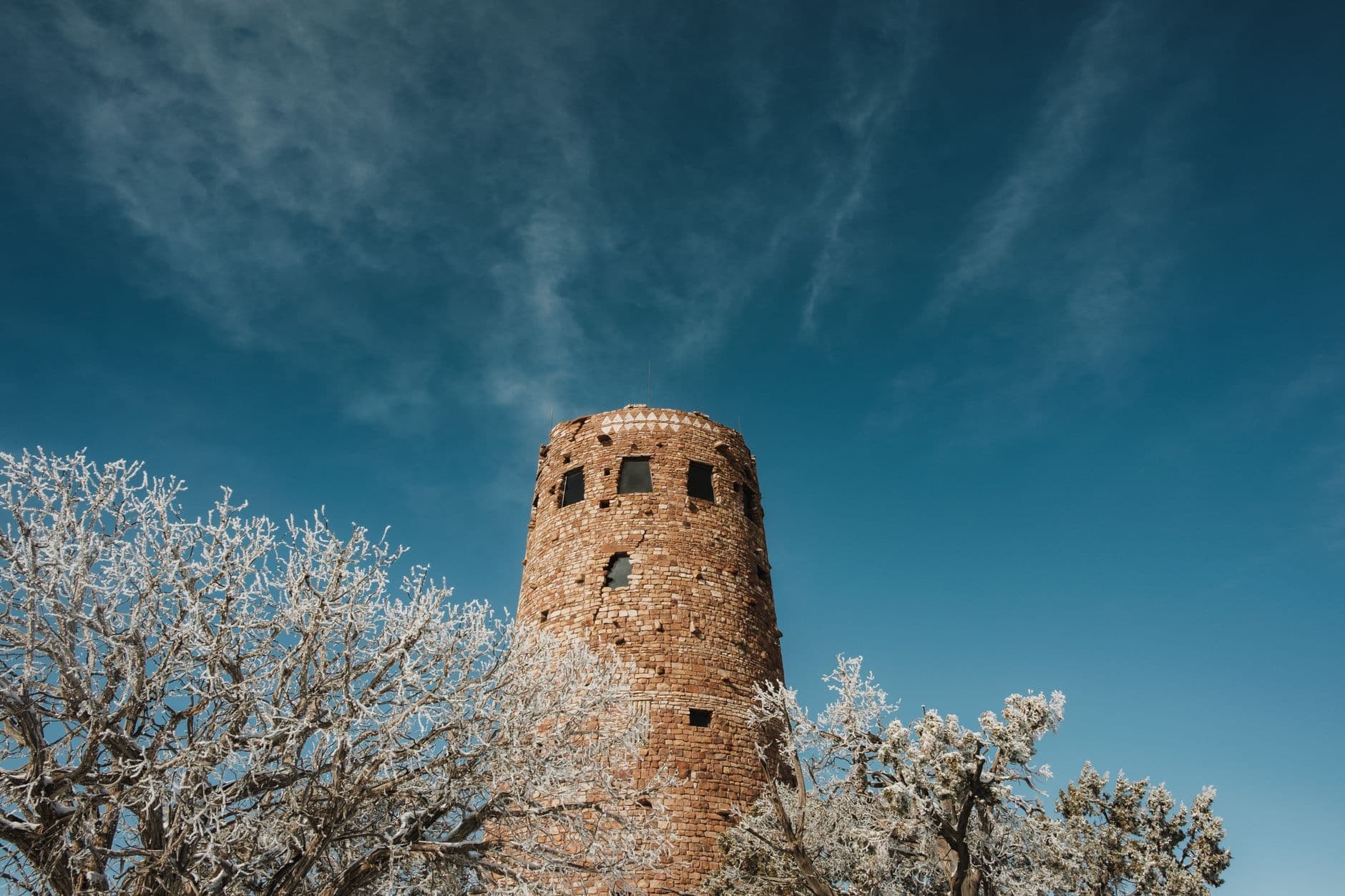
The drive out to Desert View is a decompression in itself, red rock rushing past the windows in long unbroken stretches. The Watchtower's cool adobe interior is a welcome contrast to the open rim — climb its stone stairwell for views that stretch toward the Painted Desert, then step back outside where the Colorado River appears as a thin silver thread far below.
The day begins in near-total quiet at Mather Point, the canyon just a dark shape until the sun catches its upper layers and the whole thing ignites in color. From there, an unhurried walk along the South Rim lets the scale of the place settle in slowly — no need to chase every viewpoint on day one, just let the silence and the geology do their work.
After a relaxed midday, the drive out to Desert View shifts the mood — longer views, a different quality of light, and the striking stone Watchtower rising from the rim like it grew there. This is a good stretch to slow the pace even further, wandering the nearby trail if energy allows or simply sitting with the view.
As the light fades, head back toward South Rim lodging for a quiet first evening — settle in early, since the next two days ask for early starts and long drives. This is the moment to check gear, refill water bottles, and let the day's scale settle before sleep.
Day 2: Trails, Wildflowers, and the Long Drive North
A moderately active day combining a rim trail walk on the South Rim with the long, scenic transition drive toward the North Rim, covering roughly 3–4 miles on foot.
Arrive early and this trail belongs almost entirely to you — wildflowers pushing up along the path, the high-desert breeze carrying sage and juniper, ravens calling somewhere out over the drop. It's a gentler hike than it looks, exposed stone slabs offering natural pause points to sit and take in the gorge without another soul in sight.
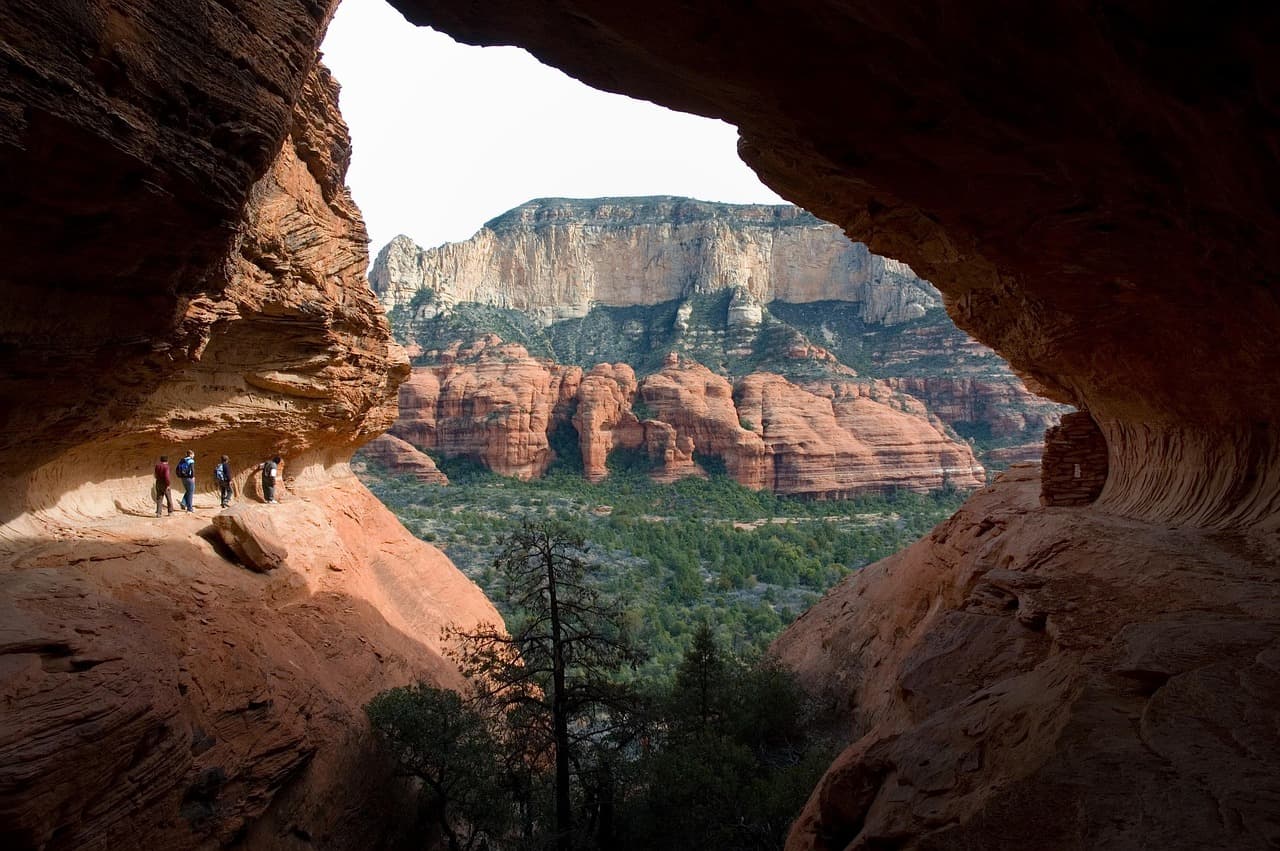
The long drive north delivers a completely different canyon — ponderosa pine replacing desert scrub, the air thinner and cooler, crowds thinning to almost nothing. Standing at the rim here feels like arriving somewhere genuinely remote; the Colorado River appears as the same thin blue thread, but the silence around it feels deeper, less interrupted.
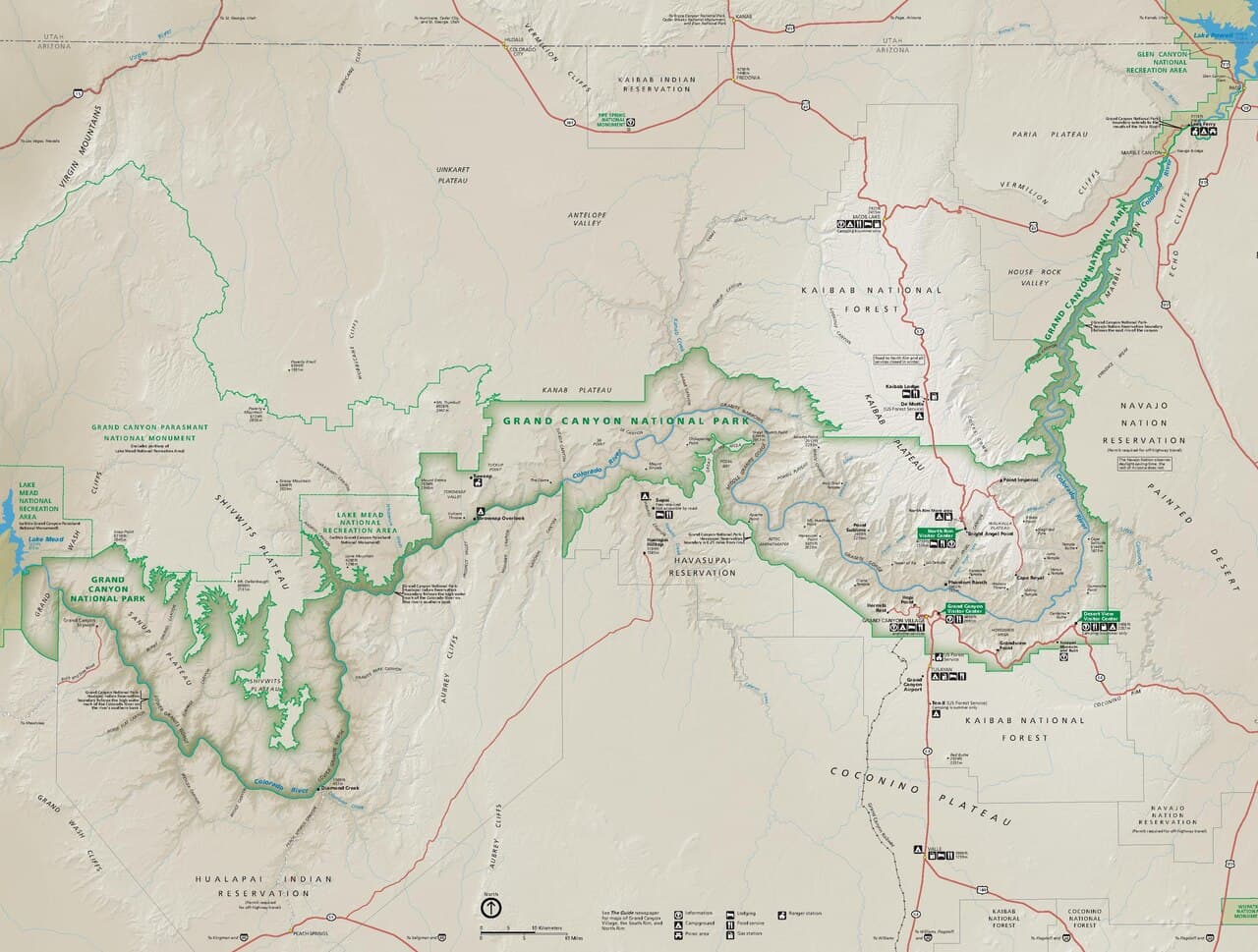
This narrow ridgeline trail feels like walking a spine between two worlds, the canyon dropping away on both sides. Late afternoon light softens the rock into warm gold, and with the crowds already thinned by distance and hour, the ridge often belongs to just a handful of hikers — a genuinely rare kind of solitude for such an iconic feature.
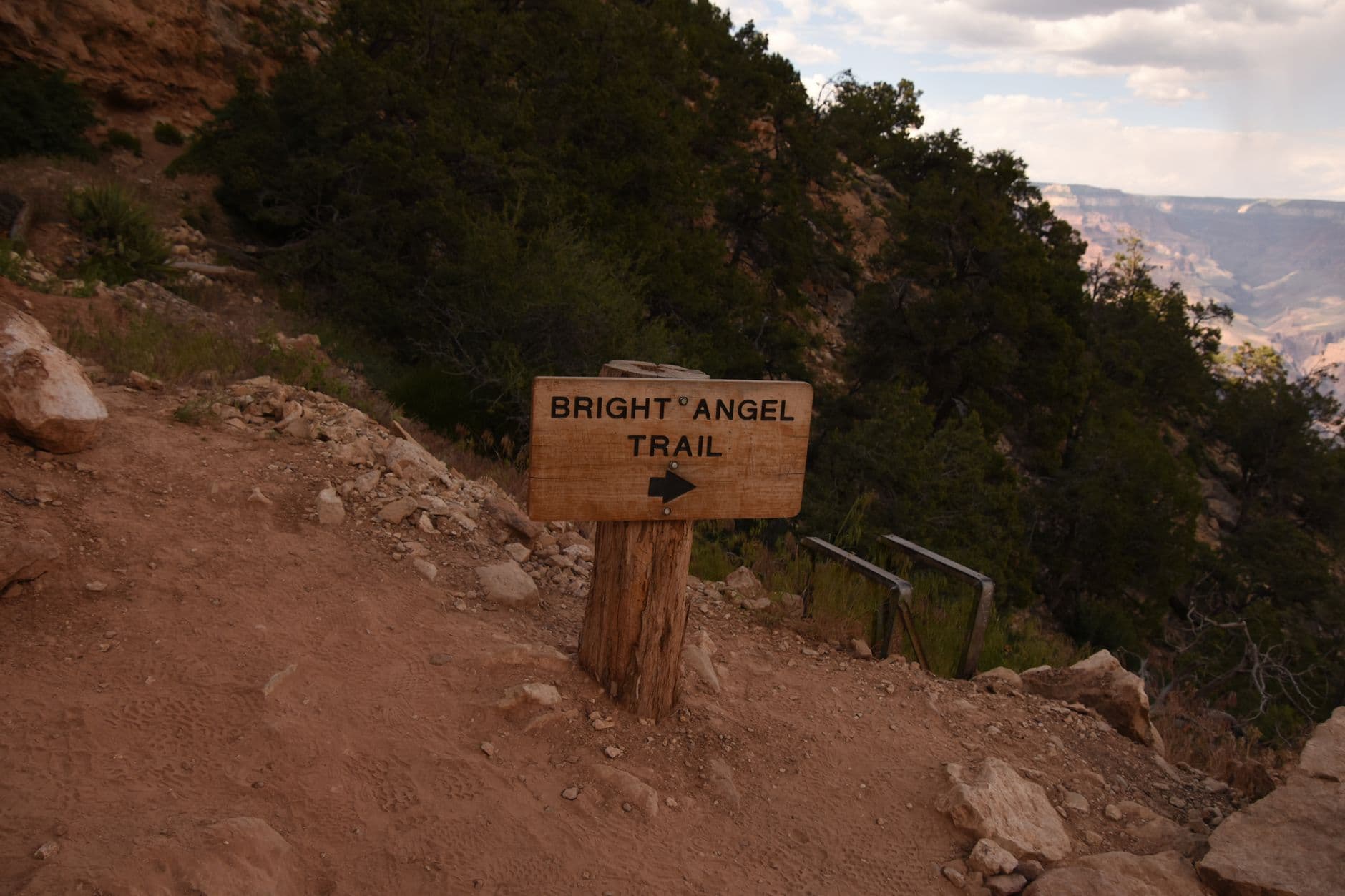
The morning starts gently with a quiet wildflower walk along the Desert View Trail, wind and raven calls the only company. It's a good final South Rim moment before the long transition north — unhurried, sensory, and a nice contrast to the driving ahead.
The drive to the North Rim is long, but it's also a genuine mood shift — desert giving way to pine forest, the air cooling, crowds falling away almost entirely. Arriving at Bright Angel Point in early afternoon light reveals a quieter, more intimate version of the canyon than anything seen on the South Rim.
As afternoon light softens, the walk out along Bright Angel Point Trail offers a rare kind of solitude — just wind, stone, and the long drop on either side. Settle into North Rim lodging for the evening, ready for an early start toward Cape Royal the next morning.
Day 3: The Eastern Throne and Farewell to the Rim
A quieter final day centered on the North Rim's most remote viewpoint, with light walking and generous time for reflection, totaling roughly 1–2 miles.
Arrive at dawn and Cape Royal feels like standing at the edge of the world — thin cool air, the Painted Desert glowing pink on the horizon, and almost no one else around given how far this viewpoint sits from the main road. This is the canyon at its most contemplative, worth every mile of the drive to reach it.
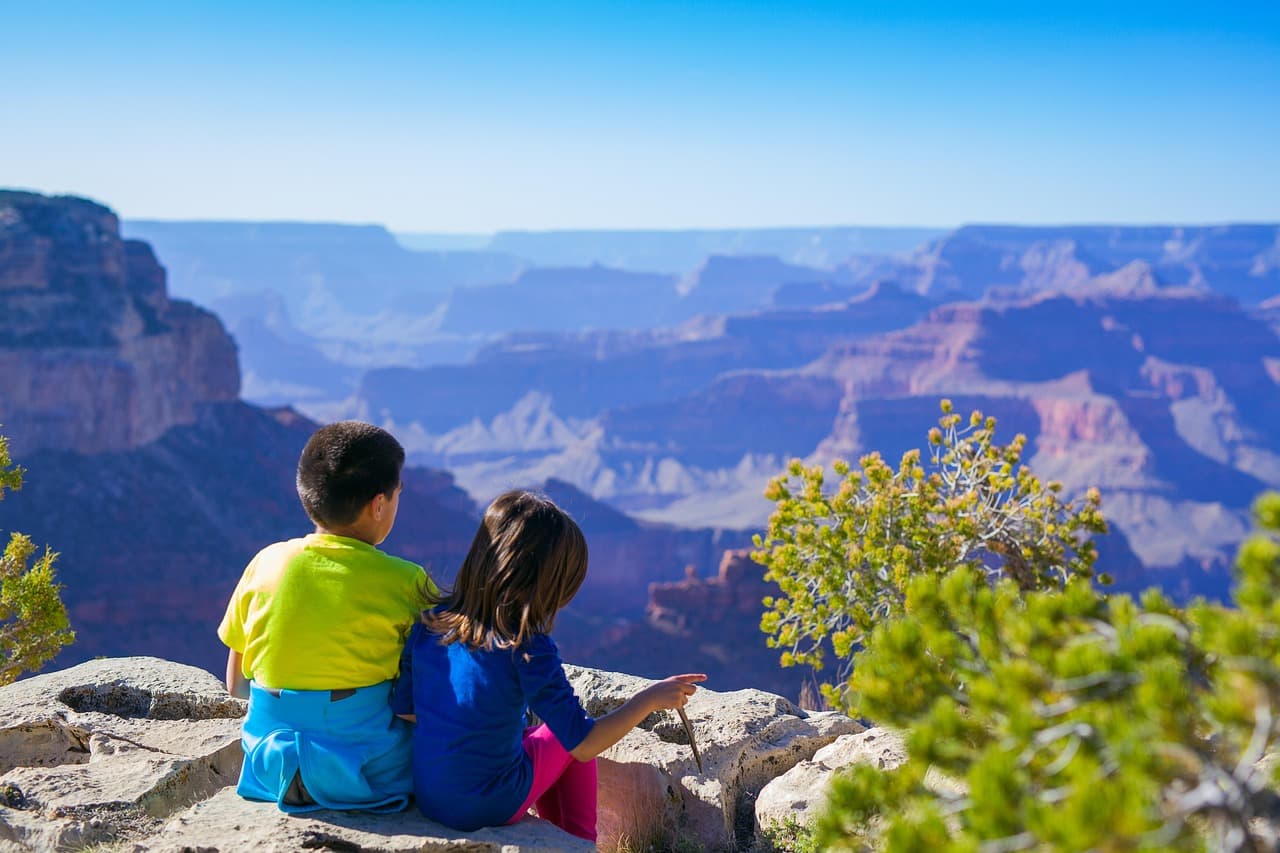
The final morning is spent at Cape Royal, reached via a quiet drive through pine forest as the sky lightens. Standing beneath the natural arch as dawn colors the Painted Desert feels like a fitting last full breath of canyon air before the long journey home.
With Cape Royal as the trip's closing note, the afternoon is left open for the return drive — a good stretch to reflect on how different the two rims felt, one bustling and iconic, the other remote and hushed.
However the departure timing falls, an early wind-down is wise given the driving ahead — pack layers away, refill water for the road, and let the canyon's silence linger a little longer before rejoining the noise of everyday travel.
Want to tweak this trip?
Our AI planner can customize this itinerary to your exact dates, interests, and travel style.
Customize This ItineraryRestaurant details (hours, menus, availability) change frequently. Check current hours before visiting, especially in seasonal destinations.
Dietary compatibility tags are general guidance. If you have severe allergies, confirm directly with the restaurant.
Travel tips are general guidance, not professional safety advice. Check government advisories for latest information.
All prices are approximate and may vary seasonally.
Attractions in This Itinerary
More Itineraries for Grand Canyon NP (South Rim vs North Rim)
Explore Arizona