Black Canyon of the Gunnison NP (South/North Rim), Colorado
2-Day Itinerary for Solo Traveler
“Rim Light and River Shadow: A Solo Two-Day Pass Through Black Canyon”
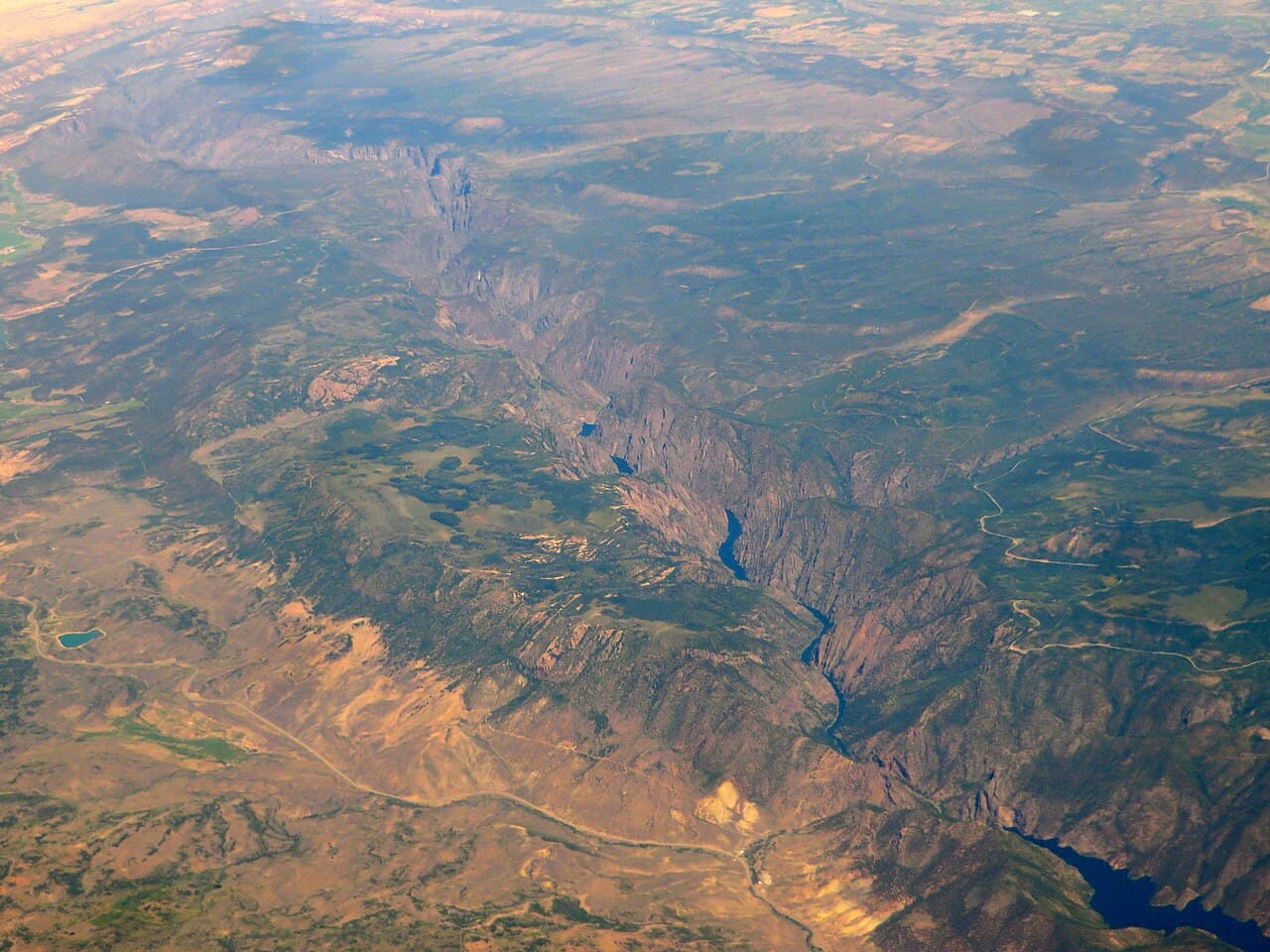
The canyon doesn't announce itself gradually — you walk a few steps from a quiet parking lot and the earth simply falls away, 2,000 feet down to a river you can hear but barely see. In spring, the rim trails are empty enough that the silence feels earned, wildflowers push up through the pinyon-juniper scrub, and the light shifts fast under moving clouds, rewarding anyone patient enough to wait for it.
At a Glance
Highlights
- Stand alone at Gunnison Point before the first tour bus arrives
- Trace the sheer face of Painted Wall, two billion years of rock laid bare
- Walk the quiet Rim Walk Trail with only wind and distant river for company
- Watch golden hour light rake across the canyon from Warner Point
- Spring wildflowers scattered through pinyon-juniper forest on the western rim
- A visitor center stop that turns raw geology into a story you'll actually remember
Day-by-Day Plan
Day 1: First Light on the Eastern Rim
A gentle introduction to the canyon's east section with about 2.5 miles of easy walking and moderate energy, pairing dramatic viewpoints with an indoor orientation stop.
Arrive by 7:30am and the overlook is yours — no shuffling for railing space, just cold air rising off the gorge and the distant murmur of the Gunnison River far below. This is the park's classic introduction: ancient Precambrian rock in deep purples and grays, a canyon so narrow it feels almost claustrophobic from above despite the 2,000-foot drop. Give yourself time to simply stand and let the scale sink in before the day's first tour groups arrive.
Step from crisp outdoor air into the climate-controlled hush of the exhibits, where geological cross-sections finally make sense of the chaos you just witnessed at the rim. It's a good social pocket of the day too — rangers here are generous with trail recommendations and happy to chat with solo visitors about current conditions. The overlook deck just outside the building offers one more wide, grounding view before you move on.
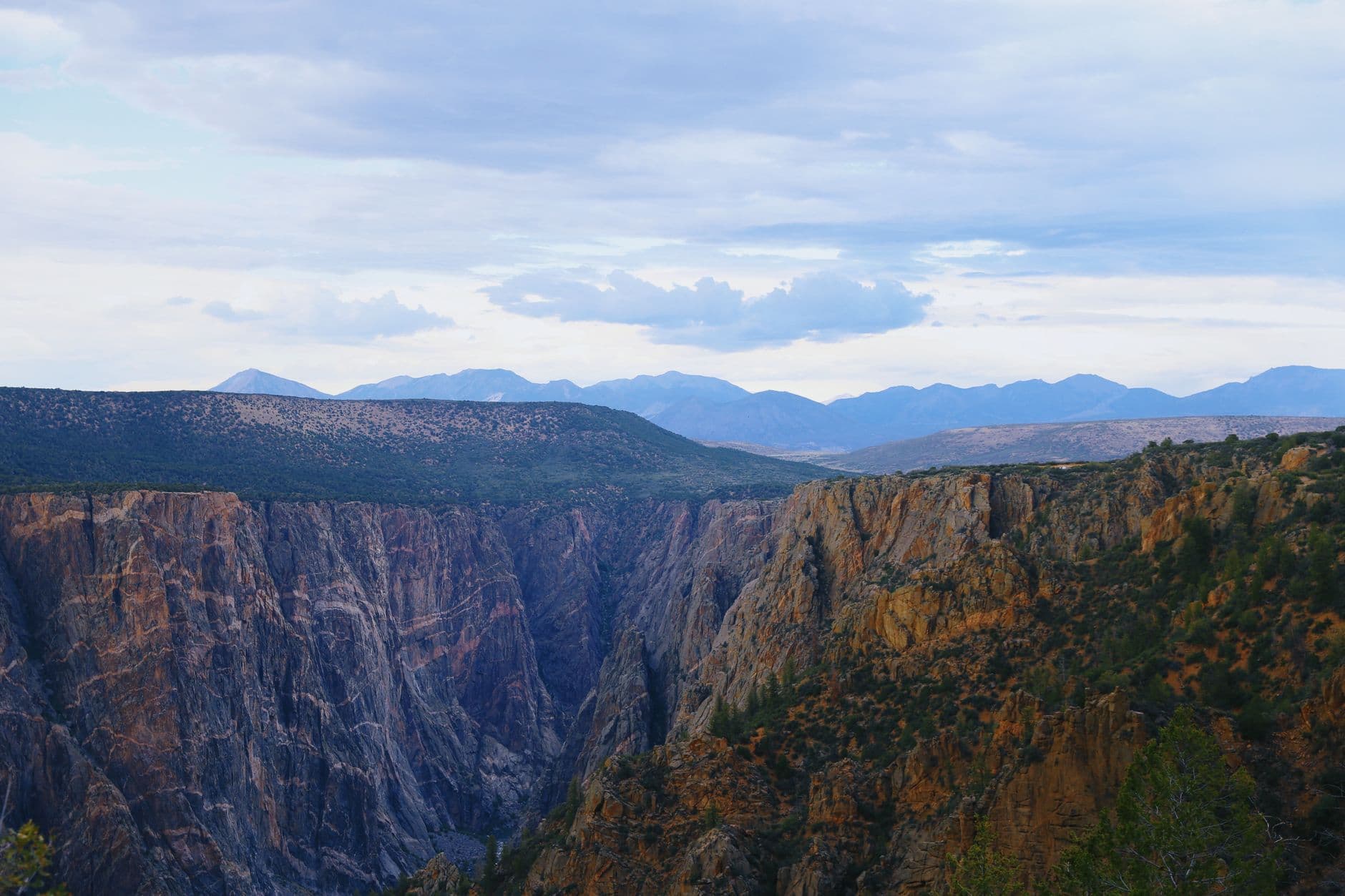
Nothing in the park quite matches the scale of this 2,000-foot face — two billion years of rock laid bare in striations that seem to bend away from you the longer you look. The platform is flat and accessible, giving you room to linger without jostling for a railing spot, and by mid-morning the crowds are still light enough that quiet contemplation is possible. Rest your hand on the rail, feel the pale stone dust, and listen for the river's faint roar rising from the abyss.

The day opens at Gunnison Point before 8am, when the overlook belongs entirely to whoever's willing to get up early — cold air, distant river sound, and a canyon that narrows the gorge into something almost intimate from above. A short drive brings you to the visitor center, where the geology finally gets context: exhibits explain the layered rock you've just stood above, and rangers are a good source of trail chatter if you're craving conversation on a solo trip.
Midday shifts to Painted Wall, the park's signature formation, where a flat accessible platform lets you take in the full 2,000-foot face without crowding. The light here changes quickly under spring clouds, so patience pays off — wait a few minutes and the wall's colors shift from flat gray to deep rust and purple. Pack a picnic for this stretch since dining options directly at the rim are limited; consider eating lunch at one of the pullouts with a view before heading back toward Montrose.
With the afternoon light fading and energy easing after a full morning outdoors, head back toward Montrose for dinner and an early night — the town's pace matches the park's rhythm, with most restaurants and shops closing by 9pm. This is the lighter of the two days, intentionally so, easing you into the canyon's scale before tomorrow's quieter, more remote western overlooks.
Day 2: Solitude on the Western Rim
A quieter, more trail-focused day covering roughly 4 miles through the park's western overlooks, ending with golden hour at the most remote and rewarding viewpoint.
Arrive early and this trail delivers near-total silence — just wind, the scrape of boots on packed earth, and the occasional far-off suggestion of the river. The walk winds along the rim through pinyon-juniper forest freshly dotted with spring wildflowers, offering repeated, shifting views of the canyon without the exposure of a single overlook. It's an ideal solo stretch: easy to set your own pace, plenty of spots to pause and simply absorb the scale.

The trail delivers you to one of the park's most striking and least crowded vantage points, where wind channels audibly through the gorge and the exposure feels genuinely humbling. Shoulder-season spring visitation keeps this spot quiet even by mid-morning, a rare treat compared to peak summer crowds. Take your time here — this is the kind of place solo travelers often describe as the trip's emotional high point.

Return here for golden hour, when side-lit geology turns the canyon walls molten orange and the crowds — thin to begin with — disappear almost entirely. This is the kind of quiet, contemplative closing stop that solo travelers often cite as the most memorable part of a canyon visit: no conversation needed, just the wind, the light, and the sheer scale of the place settling in before dinner back in town.
The day begins on the Rim Walk Trail just after sunrise, when the only company is wind moving through juniper branches and the occasional distant murmur of the river far below. Spring wildflowers scatter through the forest underfoot, and the trail's gentle switchbacks offer a string of canyon views that build gradually rather than arriving all at once. A short connecting walk delivers you to Warner Point, where the exposure and silence make for one of the trip's most striking stops.
With the morning's main exertion behind you, the afternoon opens up for a slower pace — pack a picnic for this stretch, since formal dining options are limited this far from town, and consider lingering near Warner Point or exploring short side paths at your own rhythm. This is a good window to head back toward Montrose for a mid-afternoon break, refuel, and recharge before returning for the day's signature moment.
Return to Warner Point for golden hour, when the canyon's geology turns dramatic under raking light and the overlook empties out almost entirely. It's a quiet, solitary close to two days spent at the rim — linger as long as the light holds, then head back to Montrose or Paonia for an easygoing dinner, keeping in mind that most local kitchens wind down by 9pm.
Want to tweak this trip?
Our AI planner can customize this itinerary to your exact dates, interests, and travel style.
Customize This ItineraryRestaurant details (hours, menus, availability) change frequently. Check current hours before visiting, especially in seasonal destinations.
Dietary compatibility tags are general guidance. If you have severe allergies, confirm directly with the restaurant.
Travel tips are general guidance, not professional safety advice. Check government advisories for latest information.
All prices are approximate and may vary seasonally.