North Park (Walden), Colorado
4-Day Itinerary for Active Retirees
“Big Sky, Slow Trails: 4 Days in North Park's Wild Valley”
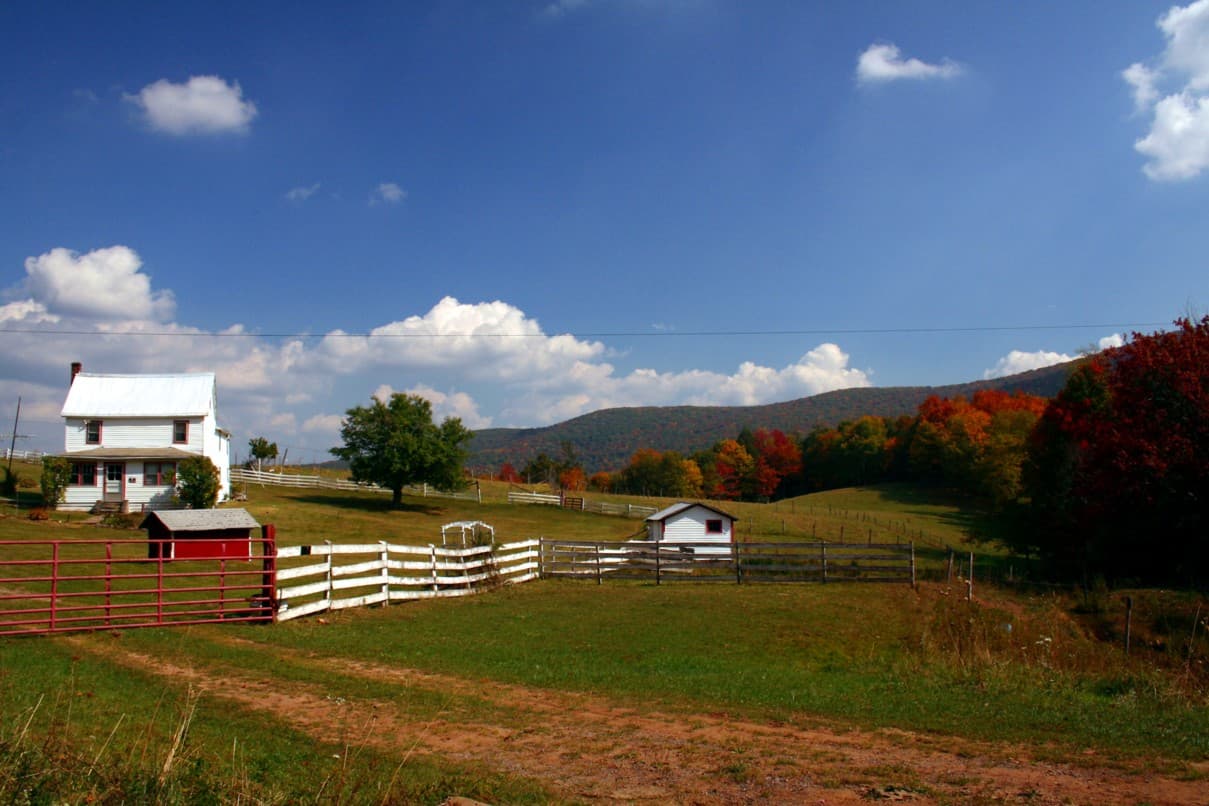
At 8,099 feet, the valley opens wide and quiet, willows trembling with unseen moose and marshes humming with birdsong under an impossibly tall sky. This is a place where the pace is set by wildlife, not clocks, and the reward for rising early is having it all to yourself.
At a Glance
Highlights
- Dawn moose-watching in the willow flats of State Forest State Park
- Sunrise light over the Walden Ponds at Arapaho NWR
- Flat, accessible boardwalks with birdsong instead of traffic noise
- Hearty ranch-style meals in a town where locals still linger over coffee
- Wide-open valley views uncluttered by resort crowds
- Photography golden hours with almost no one else on the trail
Day-by-Day Plan
Day 1: Settling Into the Valley
A gentle first day easing into altitude and valley rhythms with a relaxed visit to Arapaho NWR's flat, accessible trails—under 1.5 miles of walking total.
After settling in overnight, ease into the trip with a gentle first look at the refuge's flat boardwalks and observation platforms. Cool air still holds the night's chill as cottonwoods rustle and unseen birds call across the marsh; the light here is soft and forgiving, ideal for a slow first outing. This is the most accessible stretch of the whole trip—flat gravel paths, frequent benches, and wide views that reward patience rather than mileage.

The first morning calls for nothing more strenuous than easing into the valley's rhythm. A short, flat visit to Arapaho NWR offers cottonwood-lined marshes and distant birdsong, with benches scattered along the boardwalk for unhurried pauses. There's no rush here—altitude and travel fatigue deserve respect, and this gentle introduction lets the eyes adjust to the valley's enormous scale.
With the morning's wildlife walk behind you, the afternoon is left open for rest, a slow drive through the valley to get oriented, or a stroll through downtown Walden's modest main street. Locals move at an unhurried pace here, and there's real pleasure in matching it—perhaps a coffee, a look at the historic buildings, or simply sitting somewhere with a view of the surrounding peaks.
As the light softens, settle in early; most of Walden's few businesses close by early evening, and the town's rhythm favors quiet dinners and long conversations over anything late or loud. Let jet lag and altitude adjustment take priority tonight—tomorrow's moose-watching morning starts early.
Day 2: Willows, Beaver Ponds, and the Bugle of the Moose
A full but relaxed day dedicated to State Forest State Park's moose habitat, with roughly 1.5-2 miles of easy walking on uneven natural trail broken by long observation pauses.
Arrive by 7:30am and the beaver ponds are often perfectly still, mist curling off the water while a bull moose may be browsing the willows in near silence—by mid-morning the meadows grow busier and the animals retreat deeper into cover. The air smells of spruce and damp earth, and the quiet is profound enough to hear hooves in mud. This is the emotional heart of the trip: unhurried wildlife watching that rewards patience over pace, with plenty of pauses to simply stand and look.
Today belongs to the moose. Arriving early at State Forest State Park rewards with the valley at its most still—mist over the beaver ponds, the occasional distant bugle, and meadows not yet stirred by midday warmth. The trail is uneven, so good waterproof shoes matter, but frequent natural clearings offer easy places to rest and simply watch.
By midday, the moose have largely retreated to shade and the light turns flat and bright, making this a natural point to pause for a leisurely lunch and let energy recover. The afternoon can stretch loose—an optional slower return to Arapaho NWR for late-day birdlife, or simply resting at the lodge with valley views, is equally satisfying at this pace.
Dinner tonight leans into the valley's ranching roots—hearty, unpretentious, and best enjoyed early, in keeping with local rhythms. Expect the day's quiet satisfaction to settle in alongside a good meal; there's little need or desire for anything livelier once the sun begins its long summer descent over the peaks.
Day 3: Return to the Marsh, Slower and Deeper
A quieter, more contemplative day returning to Arapaho NWR at a slower pace, with under 2 miles of flat, accessible walking spread across the morning and midday.
Return here in the day's first light and the marsh feels entirely different from a midday visit—waterfowl are most active, the air is cool and still, and the wide sky holds every color before the sun climbs high. Jack's Creek Trail's marsh vistas are especially rewarding this early, with almost no other visitors on the boardwalk. This slower, second visit allows for real depth—settling onto a bench, watching one stretch of water for twenty minutes rather than covering ground.
This morning moves even slower than the last, returning to Arapaho NWR not to cover new ground but to sit with what's already been seen—watching light shift over the marsh, letting birds and mist do the work of entertainment. The flat boardwalks and frequent benches make this the gentlest outing of the trip, ideal for lingering.
Midday brings warmth and a natural lull in wildlife activity, a good cue to retreat toward Walden for lunch and rest. The afternoon can be left unstructured—an optional light return to the moose meadows for those with energy, or simply time spent absorbing the valley's scale from a porch or window.
With two wildlife-rich days behind you, this evening calls for ease—an early, unhurried dinner and a quiet night, the sky above the valley beginning to fill with more stars than most visitors have seen in years. Let the day close early; tomorrow's departure or final wanderings deserve a rested start.
Day 4: Last Light Over the Valley
A light closing day with an optional short return to a favorite wildlife spot, under 1 mile of walking, designed to wind down gently before departure.
A short final visit to the refuge's accessible overlooks offers one last unhurried look at the marsh before departure—no agenda beyond standing quietly and watching. Morning light is gentle here, the air carrying the same cool stillness as the first day, now familiar rather than new. This is less about covering ground than about a proper farewell to the valley's wide, watchful landscape.
The final morning is deliberately unhurried—one last, short visit to Arapaho NWR's flat overlooks, more about presence than discovery. The marsh looks much as it did on day one, but it now feels familiar, a fitting quiet close to a trip built around patience and wide-open watching.
With bags packed and the valley's long drive ahead, the early afternoon is best left for the journey out, allowing extra time given the region's remote roads and the possibility of wildlife crossing near dawn and dusk hours.
Departure day generally means travel rather than lingering, so plan the drive out to align with your return route—via Granby toward Denver, or Fort Collins to the east—giving yourself daylight hours to enjoy the same open ranchland and mountain views one final time.
Want to tweak this trip?
Our AI planner can customize this itinerary to your exact dates, interests, and travel style.
Customize This ItineraryRestaurant details (hours, menus, availability) change frequently. Check current hours before visiting, especially in seasonal destinations.
Dietary compatibility tags are general guidance. If you have severe allergies, confirm directly with the restaurant.
Travel tips are general guidance, not professional safety advice. Check government advisories for latest information.
All prices are approximate and may vary seasonally.