Yampa Valley (Steamboat Springs), Colorado
3-Day Itinerary for Solo Traveler
“Snow, Steam & Solitude: Three Days Alone in the Yampa Valley”
Snow squeaks underfoot at ten below zero, chairlifts creak skyward into a sky the color of unpolished silver, and somewhere below town a hot spring waits with your name on a locker. This is a valley that rewards those who move at their own pace — and there's no better pace than a solo one.
At a Glance
Highlights
- First tracks on Mount Werner before the lift lines form
- Fish Creek Falls half-frozen into a chandelier of ice
- Soaking under bare winter stars at Strawberry Park
- Yampa River's dark water cutting through snow-heavy banks
- Apres-ski bar seats built for striking up conversation
- Quiet, uncrowded winter version of a busy summer town
Day-by-Day Plan
Day 1: Settling In: Alpine Air and First Impressions
A gentle, low-effort day acclimating to altitude and cold with an easy afternoon on Mount Werner and a relaxed evening in town — under 2 miles of walking total.
In winter the slopes are the main event, but even a gondola ride up Mount Werner for the view is worth the trip on arrival day — the mechanical hum of the lift carries you above the tree line into a hushed, white world where the Yampa Valley spreads out below in muted blues and grays. Take it slow: your body is still adjusting to elevation, so this is about soaking in scale and light, not chasing runs. Arrive after lunch when lines have thinned and the light turns soft and golden against the snow.

Morning one is for settling in — unpacking, adjusting to the thin mountain air, and letting your body acclimate before any real exertion. A slow coffee and a walk around your accommodation's neighborhood is plenty; save your energy for the afternoon.
Head up Mount Werner via gondola for a gentle orientation to the landscape that will define the next three days. The cold is bracing but the views — endless ridgelines fading into pale winter haze — are the kind that make you forget how tired the flight left you. Keep this outing relaxed: a couple of hours taking in the summit, snapping photos, and warming up in the lodge café between exposures.
As the sun drops behind the peaks around 4:30pm, the town shifts into apres-ski mode — bars fill with skiers still in their boots, trading stories about the day's conditions. This is an easy, low-pressure way for a solo traveler to ease into the local rhythm: grab a seat at a bar counter, order something warm, and let conversation happen naturally. Turn in early; tomorrow starts with a hike.
Day 2: Ice, Water, and Winter Silence
A moderately active day hiking to a partially frozen waterfall in the morning, followed by an evening soak under the stars — roughly 3 miles round-trip on snow-packed trail.
In winter, Fish Creek Falls transforms into a cathedral of ice — the 86-meter cascade partially freezes into sculptural formations while a ribbon of dark water still churns beneath the ice sheets, the roar muffled but unmistakable in the glacial valley's stillness. Arrive by 8:30am and you'll likely have the overlook entirely to yourself; boots crunch on packed snow instead of scree, and the cold intensifies the mineral scent of frozen spray. This is solitude at its purest — bring microspikes, as the trail turns slick.
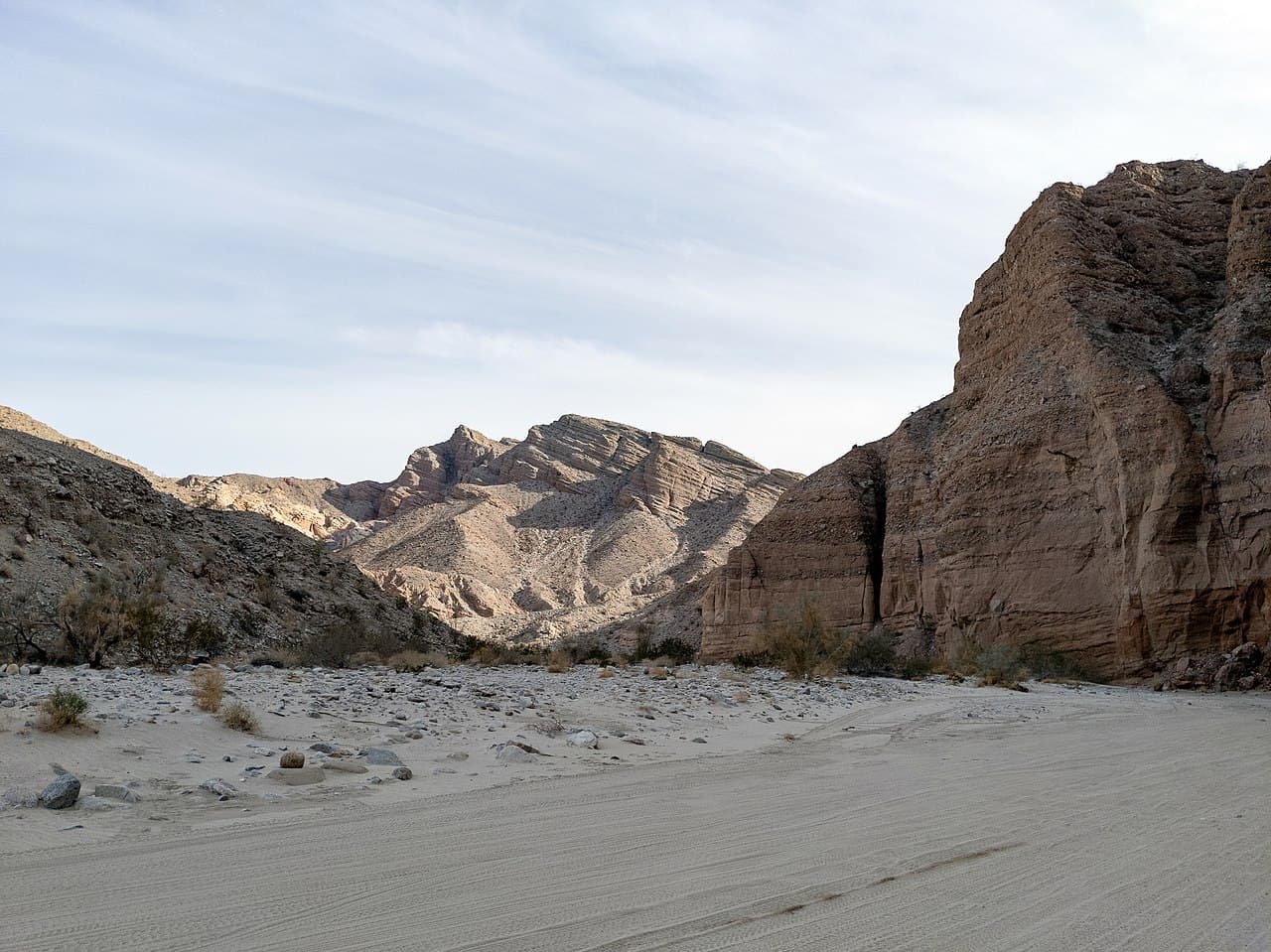
By early evening, dusk settles fast this time of year, and Strawberry Park becomes something close to magic — steam rising off mineral pools into freezing air, snow-laden pines ringing the pools like sentries, and once full dark falls, an unobstructed wash of stars overhead. This is one of the best solo experiences in the valley: strangers soak shoulder to shoulder, trading quiet conversation or comfortable silence, and the warm water makes the cold night feel like a gift rather than a hardship. Note the road here requires 4WD or a shuttle in winter — book a shuttle in advance for safety and ease.
The valley feels hushed and entirely yours in the early hours — Fish Creek Falls in winter is a different creature than its summer self, half-frozen and utterly silent apart from the muted rush of water beneath the ice. Take your time on the overlook, breathing in cold air scented with pine and mineral spray, and don't rush back; this is the kind of solitude that's hard to find once the day warms and other visitors arrive.
With the morning's hike behind you, ease into a slower afternoon back in town — warm up over lunch, wander the shops along the main street, or simply rest before the evening's soak. Energy levels should shift from active exploration to low-key recovery, since the hot springs experience later demands nothing but relaxed presence.
As darkness falls, the shuttle carries you up to Strawberry Park, where steaming pools wait beneath a sky rapidly filling with stars. This is the emotional high point of the trip for most solo travelers — the warm water, the cold air biting at any exposed skin, and the easy camaraderie of strangers soaking together in comfortable quiet. Dinner afterward, back in town, should be simple and warming; let the day's exertion catch up with you and turn in at a reasonable hour.
Day 3: River Light and Slow Goodbyes
A lighter final day exploring the Yampa River corridor at a relaxed pace before departure, roughly 1.5 miles of easy walking with pullouts and viewpoints.
In winter, the Yampa runs dark and swift between snow-crusted banks, a striking contrast of black water against white landscape, with canyon walls rising rust-colored where the snow hasn't settled. Arrive by 9am for soft, low-angle light and near-total solitude — this is a wild river even in the off-season, and the roar of moving water against winter stillness feels almost meditative. Roadside pullouts make this an easy, unhurried final outing before travel — no strenuous hiking required, just quiet observation.
The final morning is unhurried by design — a slow drive along the Yampa River corridor, stopping at pullouts to watch dark water cut through a landscape gone quiet and white. There's no itinerary pressure here, just space to reflect on three days spent largely in solitude, punctuated by moments of easy connection at bars and hot springs pools.
With the river explored, the afternoon opens up for any last-minute wandering downtown — a final coffee, a browse through local shops, or simply packing at a relaxed pace before the drive back toward Denver or Hayden. Energy should taper naturally as departure approaches.
Depending on flight or drive timing, an early dinner in town makes a fitting close — nothing elaborate, just a last taste of the valley's blend of rugged and refined before the mountains disappear in the rearview mirror.
Want to tweak this trip?
Our AI planner can customize this itinerary to your exact dates, interests, and travel style.
Customize This ItineraryRestaurant details (hours, menus, availability) change frequently. Check current hours before visiting, especially in seasonal destinations.
Dietary compatibility tags are general guidance. If you have severe allergies, confirm directly with the restaurant.
Travel tips are general guidance, not professional safety advice. Check government advisories for latest information.
All prices are approximate and may vary seasonally.