St. Augustine, Florida, Florida
3-Day Itinerary for Teen Families
“Cobblestones, Cannons & Copper Stills: 3 Days in St. Augustine”
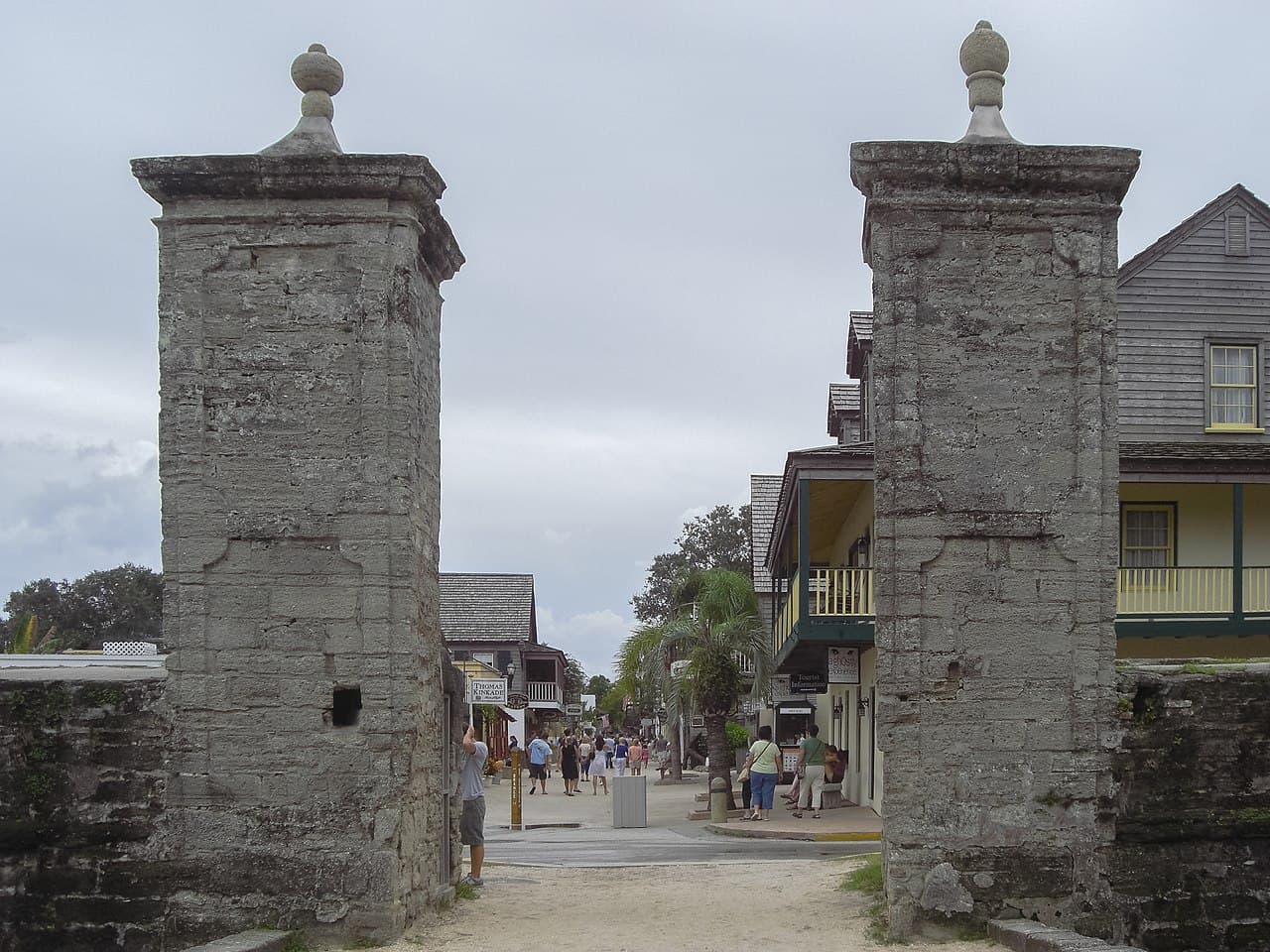
The oldest streets in America don't announce themselves — they just settle under your feet, cool coquina stone worn smooth by four centuries of boots, wagon wheels, and now sneakers. Fall here means the humidity finally loosens its grip, mornings arrive crisp enough for a light jacket, and the crowds thin just enough that a teenager might actually put the phone down to look up at the fort walls. This is a slow, walkable city built for exactly the kind of family trip where everyone — thirteen or fifty — finds something to obsess over.
At a Glance
Highlights
- Sunrise light hitting the coquina walls of Castillo de San Marcos
- Cannon demonstrations that make teens forget they're at a 'history site'
- Wax-museum shivers and colonial blacksmith sparks on the same afternoon
- A distillery tour where the whole family can smell (if not sip) the story
- Golden-hour photos across the Bridge of Lions and the old city gate
- Cobblestone wandering with zero itinerary pressure on day one
- Casual tapas and grill spots that feel more discovery than tourist trap
Day-by-Day Plan
Day 1: First Light on Cobblestone
A gentle, low-pressure introduction to the historic core — about 2 miles of easy walking, light cognitive load, plenty of wandering room.
There's no rush here — this first morning is about letting the pastel facades, wrought-iron balconies, and uneven cobblestones set the pace. Arrive by 9am and the streets still belong mostly to locals opening shutters and the smell of sweet pastries drifting from bakery doorways; by 10:30 the tour groups arrive and the energy shifts. Let teens lead for a stretch — there's a genuine thrill in discovering a hidden alley or gargoyle detail on their own terms.
After a morning of open-air wandering, the dim, slightly theatrical hush of the wax museum is a fun tonal shift — exactly the kind of mildly spooky, low-effort attraction that teens secretly love. The paranormal section with its fog effects tends to get the biggest reactions, and it's a good indoor break during the warmest part of the day.

The first morning is deliberately unstructured: wander the cobblestones of the historic core while the light is soft and the crowds haven't arrived, letting teens set some of the pace and discover their own favorite corners of the old city.
After lunch, the pace shifts indoors and downshifts in intensity — Potter's Wax Museum offers a slightly spooky, low-effort attraction that works well as a midday cool-down before more walking.
Dinner at Sangrias keeps things casual and communal, small plates encouraging everyone to try a bit of everything as the day's travel fatigue settles into an easy, satisfied tiredness.
Day 2: Stone Walls & Colonial Fire
A moderately active day covering roughly 2.5 miles, centered on the fort and colonial living history — higher energy, more standing and walking than day one.
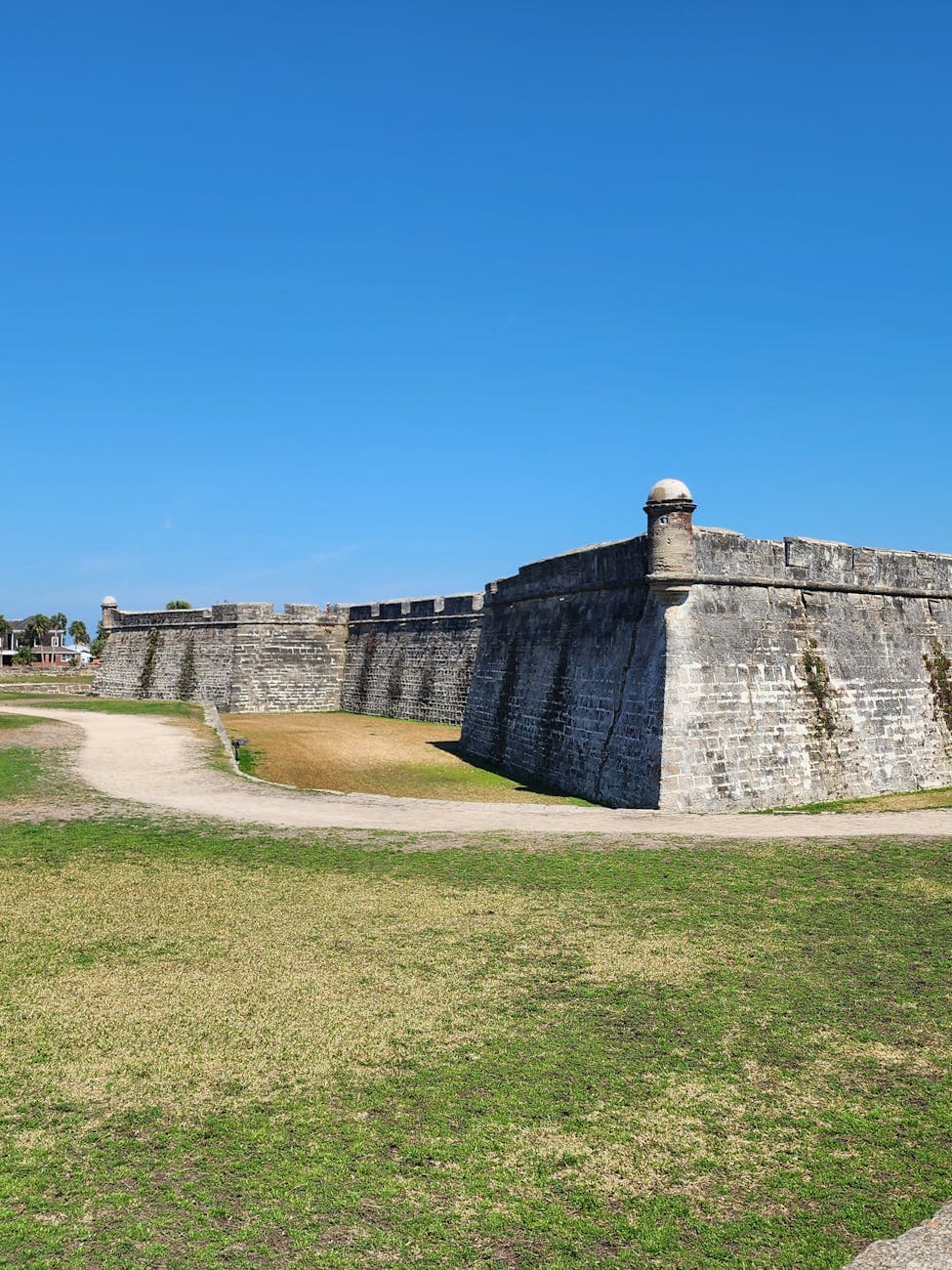
Arrive right at opening and the moat bridge is nearly empty — just salt air, the echo of footsteps on coquina stone, and maybe a lone ranger prepping the morning cannon demo. By 10am, tour buses start arriving and the courtyard fills fast, so this early window is worth protecting. Teens tend to light up during the cannon demonstrations, and the fort's stark stone walls make for genuinely striking, non-touristy photos.

The shift from military stone to lived-in colonial wood and smoke is a nice contrast — the blacksmith's hammer ringing against the anvil, the smell of a real cooking fire, period-dressed interpreters who are genuinely engaging with questions from kids and teens alike. It's hands-on enough to hold teen attention without feeling like a school field trip.

Early arrival at Castillo de San Marcos means the moat bridge and courtyard are quiet enough to actually hear the cannon demonstration crew prepping — a rare stretch of calm before the mid-morning crowds roll in with the tour buses.
The pace shifts from stone fortress to lived-in colonial village at the Colonial Quarter, where blacksmith sparks and open cooking fires give the day a hands-on, sensory contrast to the morning's military history.
Dinner at Mill Top Tavern, with its easy live-music energy, gives the day a relaxed close after a lot of walking and standing — the kind of low-key evening where everyone's a little tired in the good way.
Day 3: Copper, Spirits & Sunset Streets
A lighter final day (around 1.5–2 miles) blending a distillery tour with unhurried final wandering through the historic core before departure.
Arriving early means the production floor is quiet enough to really notice the details — copper stills catching the morning light through industrial windows, the warm scent of aging oak barrels, the hum of vintage machinery that hasn't stopped since the building was an ice factory in 1927. Teens tend to enjoy the Art Deco architecture and behind-the-scenes production story even without the tasting portion.

With no fixed agenda, this final stretch is for revisiting whatever caught the family's eye on day one — a particular shop, a photo spot, a bakery smell that demanded a second visit. It's also the best chance for a small teen autonomy moment: a solo café run or independent browsing window while parents linger over coffee nearby.
The distillery's quiet morning hours make for an easy, low-crowd start to the final day — copper stills, old brick, and the story of a 1927 ice factory turned rum producer, all without needing to rush anywhere.
The afternoon is intentionally loose, giving the family room to revisit favorite corners of the historic district, snap a few last golden-toned photos, and let teens have a small stretch of independent wandering.
A final seafood dinner leans into the coastal character of the trip, fresh grouper and shrimp served in a relaxed, unhurried setting that mirrors the whole trip's easy pace before heading home.
Want to tweak this trip?
Our AI planner can customize this itinerary to your exact dates, interests, and travel style.
Customize This ItineraryRestaurant details (hours, menus, availability) change frequently. Check current hours before visiting, especially in seasonal destinations.
Dietary compatibility tags are general guidance. If you have severe allergies, confirm directly with the restaurant.
Travel tips are general guidance, not professional safety advice. Check government advisories for latest information.
All prices are approximate and may vary seasonally.