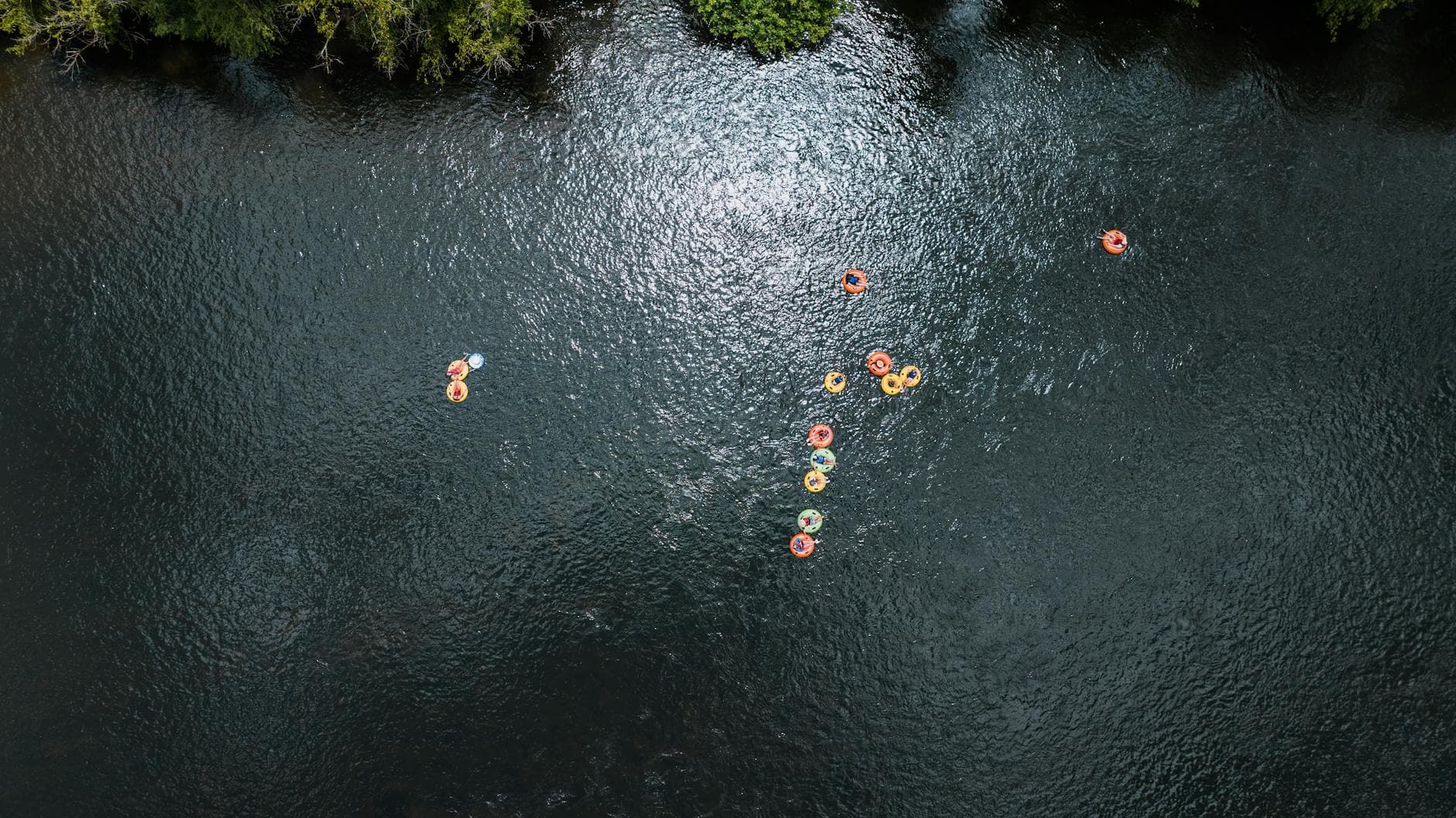
Okefenokee Swamp, Georgia
3-Day Itinerary for Teen Families
“Blackwater & Boardwalks: 3 Days in the Okefenokee”
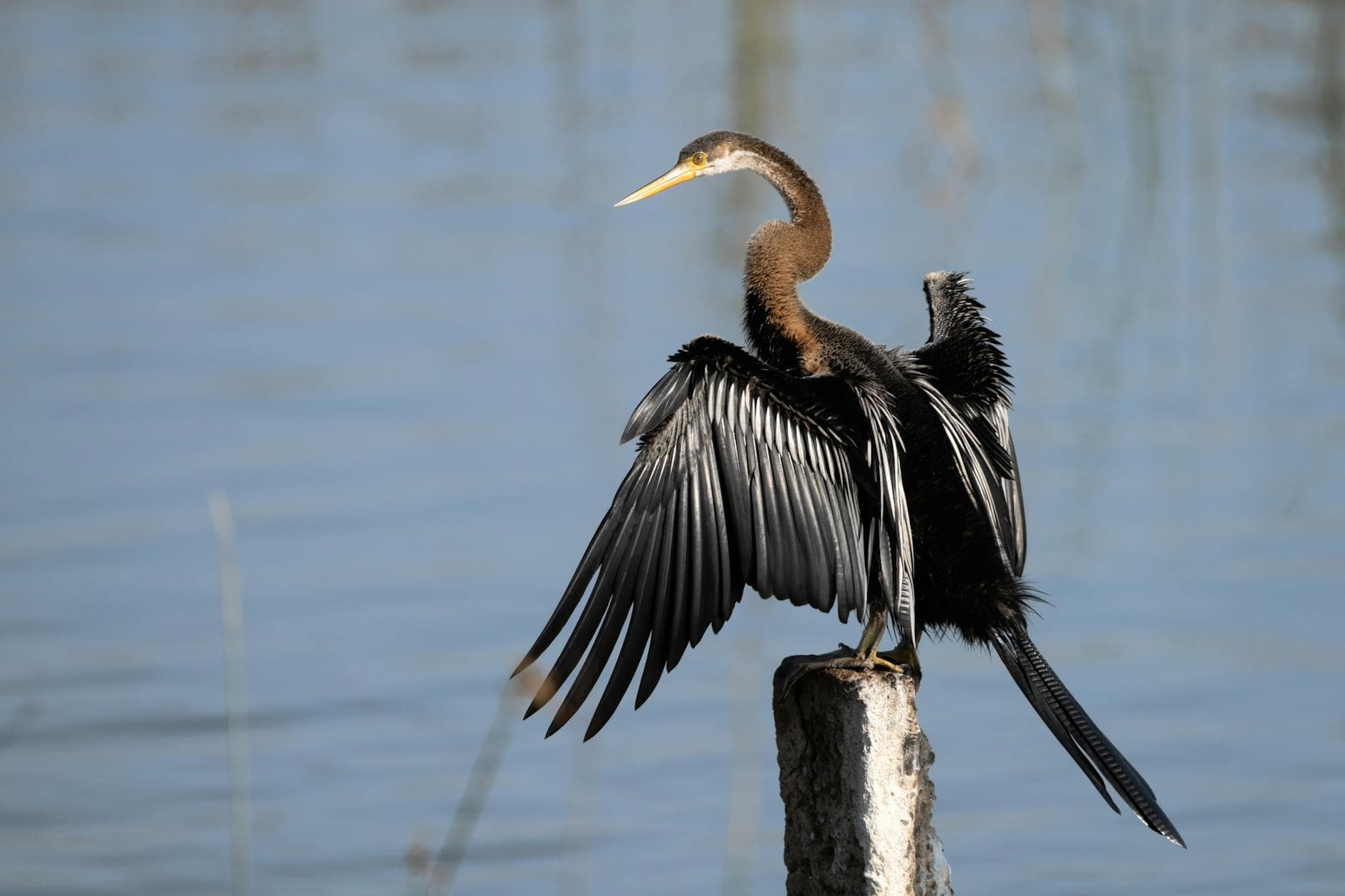
The Okefenokee doesn't announce itself so much as it seeps in — tea-dark water, the creak of cypress knees, a heron lifting off in slow motion. Over three unhurried days, this itinerary threads boardwalks, paddling routes, and pioneer homesteads into a rhythm built for teens who want a little adventure and parents who want everyone home by dinner.
At a Glance
Highlights
- Sunrise stillness on the Suwannee Canal before the first paddle wakes the water
- Alligators basking within camera range of a solid boardwalk railing
- A pioneer homestead frozen in cypress and tin, unchanged by time
- Minnie's Lake Trail — wheelchair-accessible boardwalk deep into gator territory
- Golden-hour reflections at Chesser Island that make phone cameras look professional
- Quiet paddling at Stephen C. Foster, the swamp's least-crowded corner
- Southern comfort food refueling stops in Folkston and Lake City
Day-by-Day Plan
Day 1: First Light on the Suwannee Canal
A gentle half-day at the Suwannee Canal and Okefenokee NWR to settle in, orient to the swamp's rhythm, and ease into the sensory overload of blackwater wilderness — under 2 miles of walking, low-to-moderate energy.
Start here, before the day fully wakes up — the canal is quiet enough at 8am that the only sound is distant bird calls and the occasional plop of a turtle sliding off a log. Walk the flat trace along the old canal, built over a century ago as an ambitious (and ultimately abandoned) drainage scheme the swamp simply swallowed whole. It's an easy, low-stakes first stop that lets teens get a feel for the swamp's stillness before committing to a longer hike.
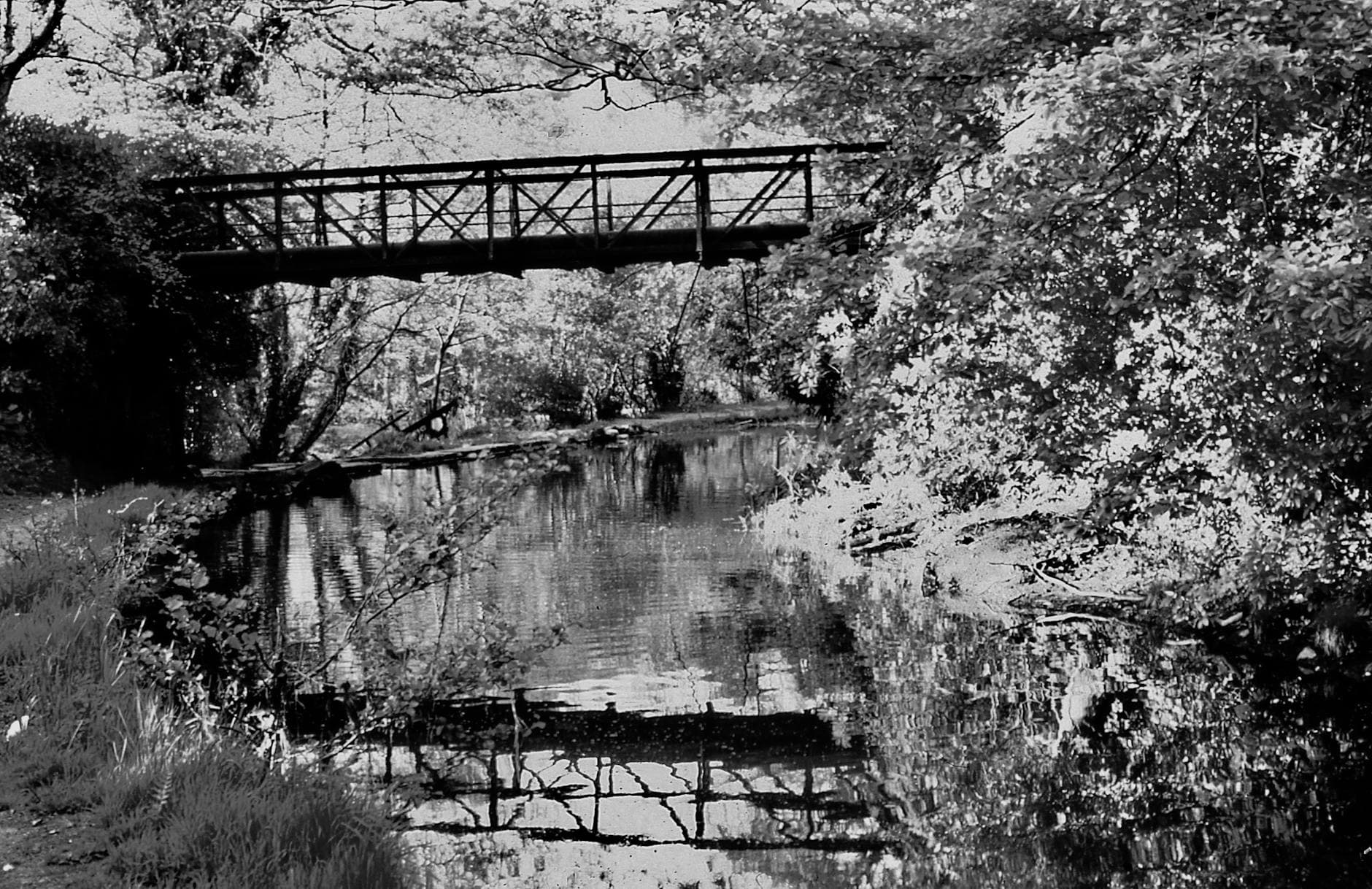
This is the heart of day one — a driving tour combined with wildlife viewing along the refuge's main routes, paced for families rather than hardcore hikers. Expect murky water reflecting Spanish moss, the far-off rumble of an alligator, and enough open prairie views to make teens forget their phones for a while. Keep this half moderate: a mix of short walks and driving stops rather than one long trek, since everyone's still adjusting to the humidity and pace of the place.
The day opens slow and quiet at the Suwannee Canal, where 8am light filters through a thick cypress canopy and the water holds its stillness like held breath. It's a short, flat walk — just enough to let jet-lagged legs and swamp-skeptical teens find their footing before anything more demanding.
By mid-morning, the group shifts into the wider Okefenokee National Wildlife Refuge, alternating short walks with driving stops through open prairie and cypress stands. This is the day's main event, but it's built to breathe — no forced marches, just steady wildlife-watching and enough stops to keep restless teens engaged.
With no mapped dining options directly at the refuge, plan to head back toward Folkston or Lake City for dinner — local diners here lean casual and hearty, so treat this as a chance to refuel rather than seek out anything fancy. Turn in early; day two starts before sunrise.
Day 2: Boardwalks, Gators, and Golden Hour
A full day split between Minnie's Lake Trail's accessible boardwalk and the Chesser Island Homestead's pioneer history, totaling roughly 2.5–3 miles of easy, flat walking with moderate energy throughout.
Arrive by 7:30am and the boardwalk is nearly empty — by 9am it fills with spring shoulder-season crowds and school groups peering over the same railings. This fully accessible boardwalk lets the whole family lean over dark water to spot turtles, gators, and the occasional loon call echoing through the humidity. Benches every 200 meters make it easy to pause, and the main observation platform at the half-mile mark is worth lingering at for wildlife spotting with teens.

After lunch, step into the boots of Okefenokee pioneers at this weathered homestead, where wooden boardwalks creak underfoot and cypress knees rise from tannin-stained pools around the historic structures. It's a slower, more reflective stop that balances the morning's wildlife-watching with tangible history — teens tend to connect with the isolation and self-sufficiency the homestead represents. Golden hour here, later in the day, is genuinely stunning, but early-to-mid afternoon avoids the tour-group crowds that build by 2-3pm.
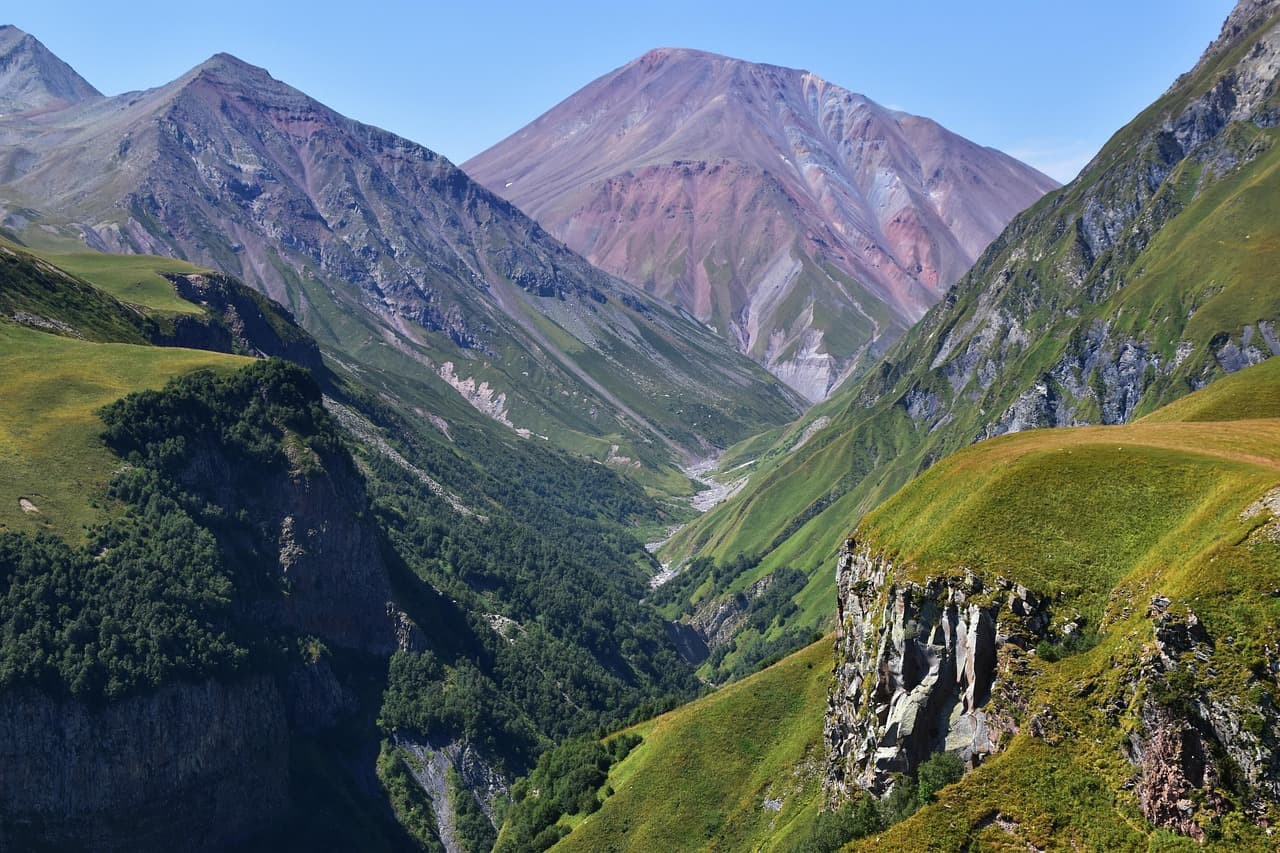
The day begins early and deliberately at Minnie's Lake Trail, timed to beat the boardwalk crowds that build fast once the spring sun clears the treeline. The accessible, flat boardwalk makes this one of the easiest wildlife-watching stops of the whole trip — turtles sunning on logs, the occasional gator drifting past, and enough bench stops to keep everyone comfortable.
After a midday break, the pace shifts from wildlife-spotting to history at the Chesser Island Homestead, where the mood turns quieter and more reflective. Weathered wood, cypress reflections, and the isolation of pioneer life give teens something to chew on beyond just photos — it's a good counterbalance to the morning's more sensory, wildlife-driven stop.
With no confirmed dining options mapped directly to these stops, plan to route dinner through Folkston on the way back to lodging — expect simple, hearty Southern fare rather than anything trend-driven. Wind down early; tomorrow shifts to the swamp's quieter western side.
Day 3: Paddling the Quiet Side
A half-day of paddling and exploration at Stephen C. Foster State Park, capping the trip with the swamp's most remote, peaceful corner — roughly 1.5–2 miles of walking plus optional paddling, moderate energy.
Arrive early — by mid-morning this quieter western gateway still feels far less crowded than the eastern entrance, even in peak spring season. Paddle out along the Suwannee Canal boat trail here, where the slap of paddle on black water and the distant bellow of an alligator create a soundtrack unlike anywhere else on the trip. Teens who want a taste of independence can take turns steering the canoe, while parents can relax into the slower, more meditative pace this side of the swamp is known for. The observation tower near the visitor center offers a final wide-angle view of the swamp worth the short climb before heading out.
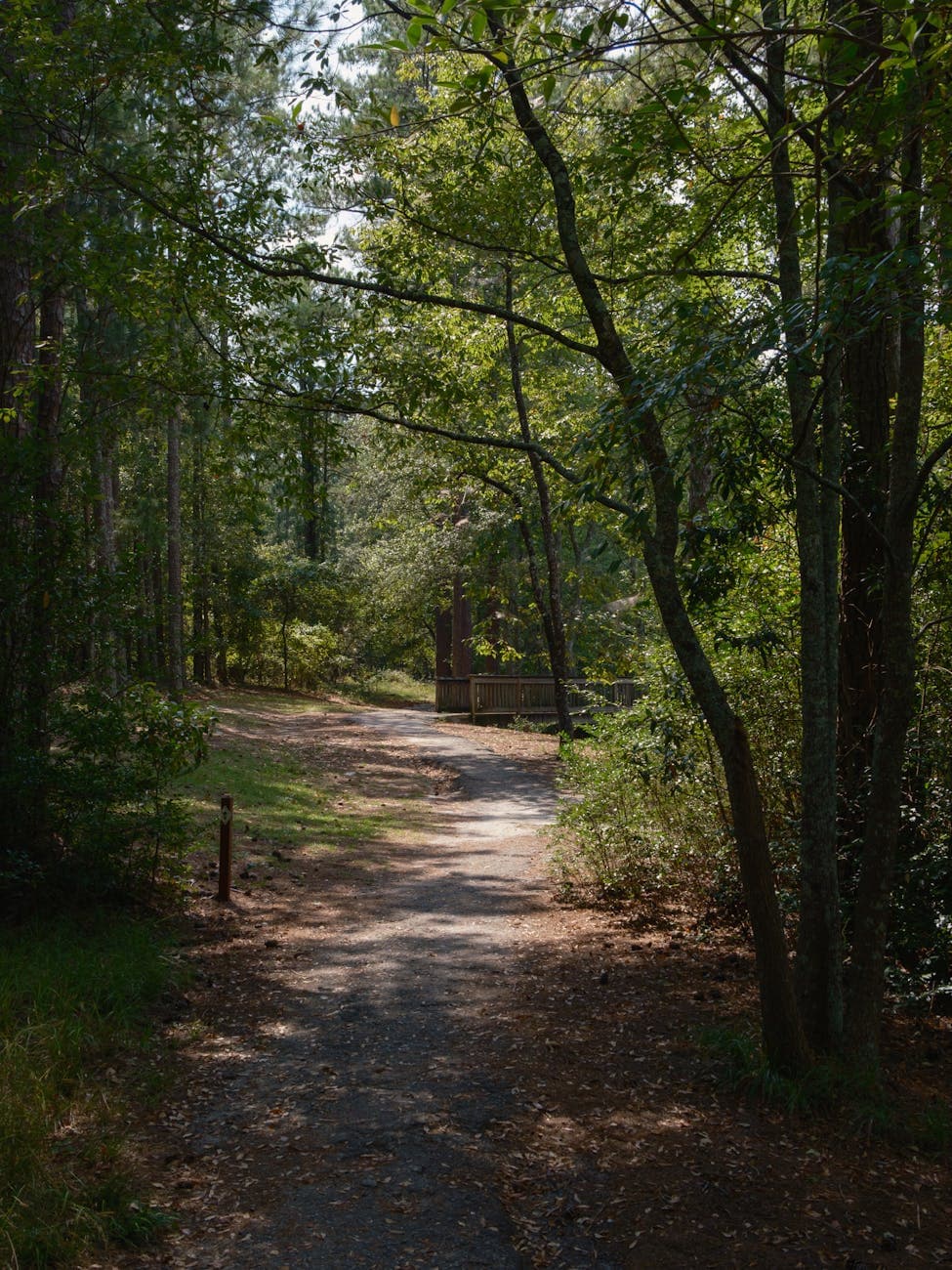
The final day trades boardwalks for water, easing into Stephen C. Foster State Park's quieter paddling routes while the morning air is still cool and the canal is calm. It's the most hands-on, adventurous stop of the trip — letting teens take the paddle for a stretch — balanced by the option to simply drift and watch cypress knees slide past.
By midday, the group wraps up at the observation tower for one last wide view over the swamp before starting the drive home or onward — a natural, unforced way to close out three days of blackwater immersion.
With travel plans likely dictating the evening, plan a simple dinner stop in whichever town sits along the route out — Folkston, Lake City, or Kingsland all offer casual, unpretentious options for a last Southern meal before departure.
Want to tweak this trip?
Our AI planner can customize this itinerary to your exact dates, interests, and travel style.
Customize This ItineraryRestaurant details (hours, menus, availability) change frequently. Check current hours before visiting, especially in seasonal destinations.
Dietary compatibility tags are general guidance. If you have severe allergies, confirm directly with the restaurant.
Travel tips are general guidance, not professional safety advice. Check government advisories for latest information.
All prices are approximate and may vary seasonally.