Salmon River (Salmon, Challis), Idaho
2-Day Itinerary for Active Retirees
“River of No Return: Two Quiet Days Along the Salmon”

In winter, the Salmon River country goes quiet — snow settles over the ghost towns, the river runs cold and slate-gray under bare cottonwoods, and the valley belongs almost entirely to the people who live there. This is a trip for travelers who want wide-open silence, frontier history, and unhurried days without a single line to stand in.
At a Glance
Highlights
- Snow-dusted ghost towns of the Land of Yankee Fork
- Quiet winter mornings at the Sacajawea Interpretive Center
- Flat, accessible riverside paths with frequent benches
- Hearty frontier dining with no summer crowds
- Scenic drive along ID-75 between Salmon and Challis
- Near-total solitude at sites packed in July
Day-by-Day Plan
Day 1: Settling In: The Sacajawea Interpretive Center and Salmon's Quiet Center
A gentle, low-walking first day centered on Salmon's accessible interpretive center and a slow afternoon acclimating to the valley's winter rhythm; under a mile of walking, mostly flat and paved.
The center sits quiet this time of year — cool mountain air, the hush of winter, and interpretive panels that trace Sacagawea's story at an unhurried pace. Arrive shortly after opening and you'll likely have the galleries to yourself, with plenty of benches to pause at length over each exhibit. The flat, paved pathways and frequent seating make this an easy, dignified way to ease into the trip.

Morning begins gently at the Sacajawea Interpretive Center, where the cold mountain air and the distant murmur of the Salmon River set the tone for the trip. With winter crowds nonexistent, there's no need to rush — benches are plentiful, the paths are flat and paved, and the exhibits reward slow, attentive reading rather than a quick walkthrough. This is an ideal first stop for easing into the valley's unhurried pace after a long drive in.
The afternoon is left open for settling into Salmon's town center — a walkable, modest downtown where shops and local life move at a relaxed, small-town rhythm. Given winter's early dusk, this is the time to rest, stroll briefly if conditions allow, and get oriented before tomorrow's slightly more ambitious day. Keep an eye on the clock; most shops close by 6pm and the valley goes dark and cold quickly once the sun drops behind the ridgeline.
Evening settles in early and quietly, as it does throughout the valley in winter. Plan for a relaxed dinner and an early night — this is frontier country, and the whole town tends to wind down well before 9pm. Use the quiet to rest up for tomorrow's half-day exploring the Land of Yankee Fork ghost towns.
Day 2: Ghosts in the Snow: Land of Yankee Fork
A moderate half-day exploring the snow-quiet ghost towns of Land of Yankee Fork, paced slowly with ample rest stops; roughly 1-1.5 miles of uneven, partly unpaved walking.
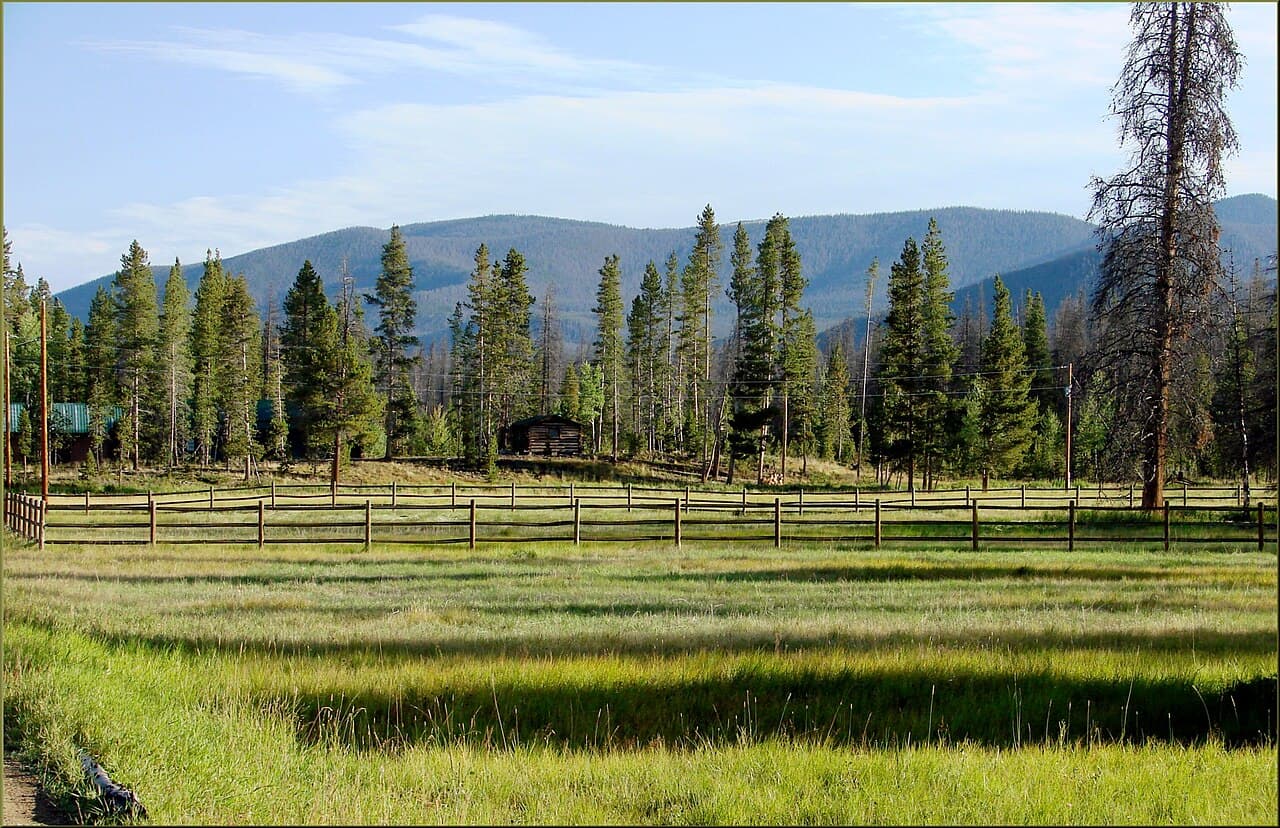
In winter, the ghost towns feel almost otherworldly — weathered cabins dusted in snow, the creak of old wood in the wind, and a silence so complete it feels like stepping fully out of time. This demographic should plan for the full casual-to-museum-lover range of 90-120 minutes, taking it slowly given the uneven, unpaved terrain; frequent pauses are easy since there's no one else around to rush past. Arrive by mid-morning once the roads have had a chance to warm slightly, and you'll have the entire site to yourselves.
The drive south toward Yankee Fork winds through snow-quiet ridgelines, with barely another vehicle on the road this time of year. Once at the ghost towns, the pace slows to a near-standstill — weathered cabins stand half-buried in snow, and the only sound is wind moving through old timber. Take this slowly; uneven, unpaved ground calls for careful footing, and there's no rush to move on, since the solitude itself is the point.
After the ghost towns, the afternoon opens up for a slow return drive back toward Salmon, with the option to pause at scenic pullouts along ID-75 if road conditions allow safely. Given the shortened winter daylight, plan to be off backcountry roads well before dusk settles over the valley.
With an early dusk and the day's quiet exploring behind you, evening calls for an unhurried dinner and a restful close to the trip. The valley's small-town rhythm means an early night fits naturally, leaving you with the lasting impression of snow-dusted cabins and a river valley that, in winter, belongs almost entirely to itself.
Want to tweak this trip?
Our AI planner can customize this itinerary to your exact dates, interests, and travel style.
Customize This ItineraryRestaurant details (hours, menus, availability) change frequently, especially in winter when small-town establishments may run reduced schedules; check current hours before visiting.
Dietary compatibility tags are general guidance. If you have severe allergies, confirm directly with the restaurant.
Travel tips are general guidance, not professional safety advice. Check road conditions and government advisories before winter travel in this region.
All prices are approximate and may vary seasonally.
Attractions in This Itinerary
More Itineraries for Salmon River (Salmon, Challis)
Explore Idaho