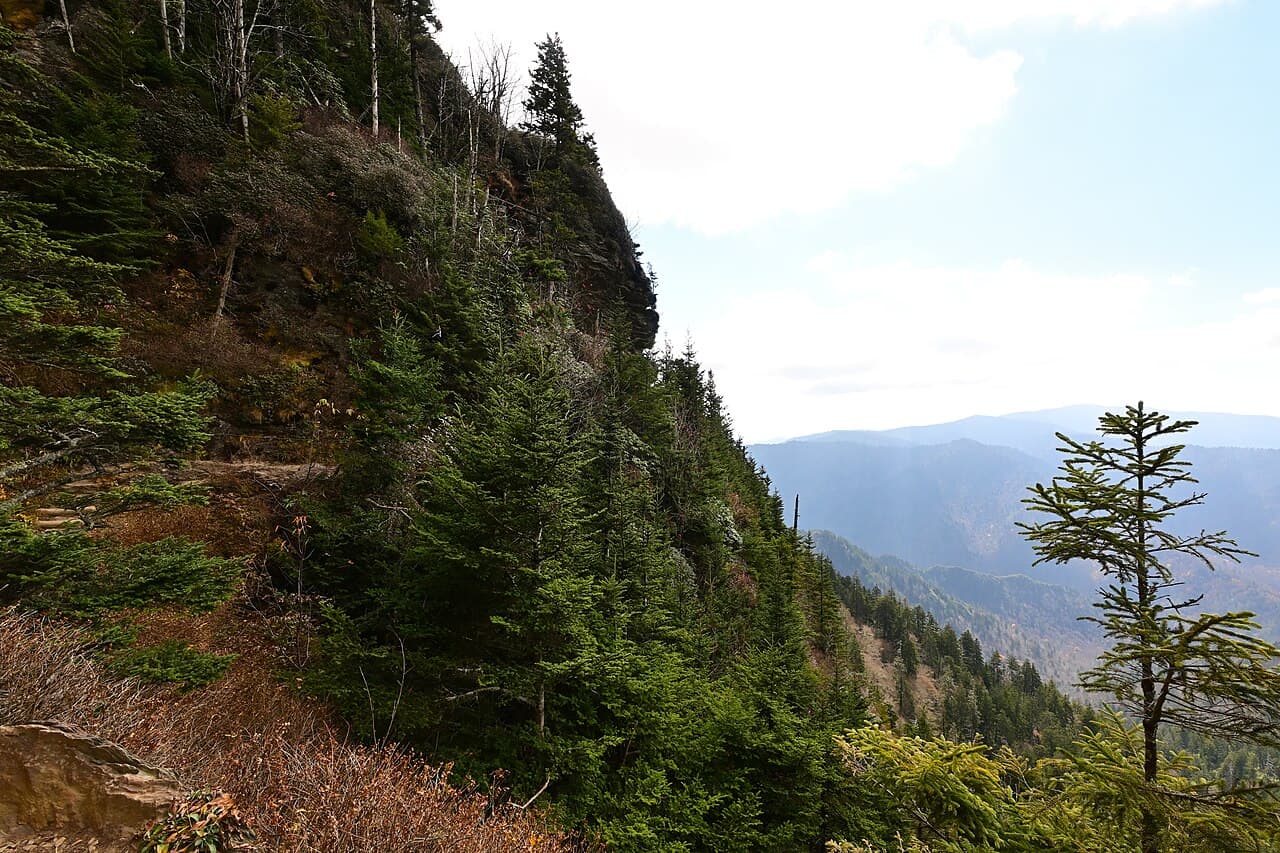
Sawtooth Valley (Stanley, Ketchum), Idaho
4-Day Itinerary for Active Retirees
“Frozen Peaks & Quiet Waters: 4 Winter Days in the Sawtooth Valley”
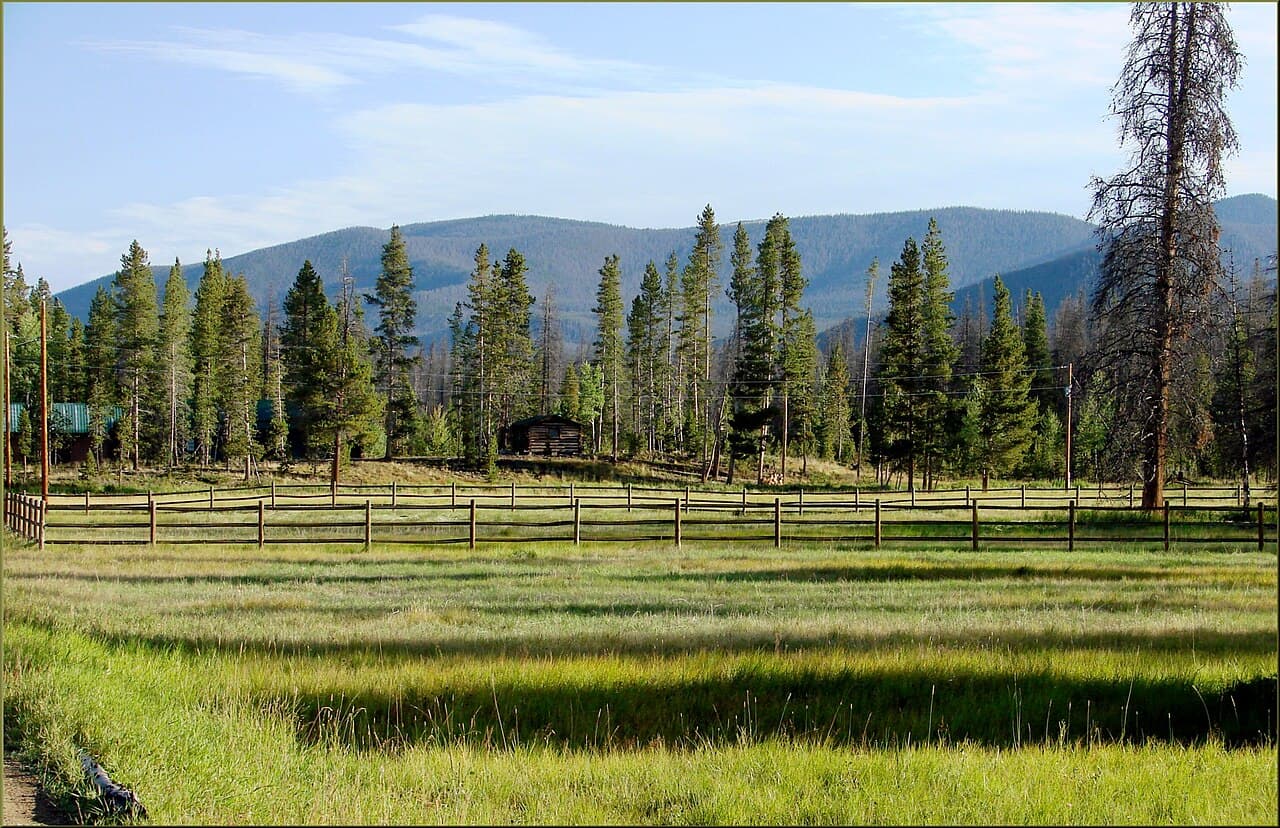
In winter the Sawtooth Valley goes silent and white, its granite spires standing like sentinels over frozen lakes. This is a season for slow mornings, short crisp walks to viewpoints that take your breath twice—once for the cold, once for the view—and long, warm evenings by a lodge fire.
At a Glance
Highlights
- Sunrise light on snow-draped Sawtooth peaks from Redfish Lake's shoreline
- Quiet, near-empty overlooks in the off-season hush
- Gentle lodge-area walks with mountain panoramas, no scrambling required
- Steaming bowls of mountain fare after short cold-weather outings
- Stanley Lake's mirror-still winter water framing Mount McGown
- Unhurried pace built around warmth, benches, and short distances
- Genuine backcountry solitude without the summer crowds
Day-by-Day Plan
Day 1: Settling Into the Silence
A gentle half-day easing into the valley's winter hush with one short, flat viewpoint walk; total walking under half a mile.
After the long drive in, this is less a hike than a slow, reverent stand-still at the lodge-area overlook, where the Sawtooths rise white and jagged against a pale winter sky. The air is cold enough to sting the lungs on the first breath, but the silence—broken only by the occasional creak of ice or call of a raven—settles something in the chest. Arrive by 1:30 and the area is essentially yours; there's no summer crowd to contend with in January.

Morning is given over to travel—the long, scenic drive up Highway 75 into the valley, with the Sawtooths gradually rising into view through the windshield. There's no rush; this is a day for arriving slowly, not conquering anything.
By early afternoon, once settled, a short walk to the lodge-area overlook near Redfish Lake offers the first real look at the valley's winter character—hushed, white, and vast. Thirty to forty minutes of standing and looking is enough; the cold sets the pace here, not ambition.
Evening settles in fast given the short winter daylight, with dusk arriving well before 5pm. This is a night for warming up indoors, reviewing the days ahead over a hot drink, and letting the body adjust to altitude and cold before more activity tomorrow.
Day 2: Morning Light on Redfish Lake
A relaxed morning viewing session at Redfish Lake followed by an easy afternoon in town; roughly 1 mile of walking total, low-to-moderate energy.
In winter, the turquoise of summer gives way to a slate-and-white stillness, with ice creeping along the shoreline and the granite peaks behind it dusted in fresh snow. Rather than attempting the full trail—uneven and often icy this time of year—the sensible approach is a short walk out to the lake outlet overlook, where the classic peak reflection view still holds even under snow. Arrive by 9am and you'll likely have the entire shoreline to yourself; by midday a handful of cross-country skiers or snowshoers may appear.

Morning begins with a short, unhurried drive to Redfish Lake, arriving early enough to catch the low winter sun catching the peaks before anyone else is stirring. Thirty to ninety minutes at the outlet overlook is plenty—enough time to watch the light shift, listen to the ice settle, and simply take in the scale of the place without pushing further onto uncertain footing.
The pace shifts indoors and into town for the afternoon, warming up over a slow lunch and browsing whatever shops remain open in Stanley's quieter winter rhythm. This is a good afternoon for simply resting the legs after the morning cold.
Dinner comes early, in keeping with the valley's rhythm, followed by a quiet evening indoors—the kind of night where the wind outside makes the fire inside feel that much better earned.
Day 3: Stanley Lake's Frozen Mirror
A gentle morning viewpoint visit to Stanley Lake followed by a relaxed, low-key afternoon in Stanley town; walking distance under 1 mile.
Stanley Lake in winter is a study in stillness—its surface often frozen glass-smooth, Mount McGown rising sharply behind it in a way that makes the whole scene feel suspended mid-breath. Rather than the full loop, the north shore outcrop near the trailhead offers the same iconic reflection view (or, in winter, the same iconic frozen-mirror effect) with minimal walking. Get there by 9:30am for soft light and virtually no one else around; this is one of the quietest corners of the valley outside summer.

The morning drive north toward Stanley Lake reveals more open, wind-scoured terrain, the peaks growing sharper and closer with each mile. At the north shore outcrop, the stillness is almost startling—no wind, no birds, just the occasional creak of lake ice settling beneath a hard blue sky.
Afternoon eases into Stanley's small winter footprint—a slow wander past whatever's open, warming drinks in hand, with plenty of time to simply sit and watch the light change on the peaks from indoors.
With the valley's early-dinner rhythm, plan to eat by 6 or 7pm and settle in for a quiet evening; winter nights here arrive early and invite little beyond rest and warmth.
Day 4: Farewell Light on the Valley Floor
A light, low-effort final morning viewpoint before departure; minimal walking, easy pace to accommodate travel.
A final, unhurried return to the lodge-area overlook offers one last look at the peaks before the long drive out—a fitting bookend to the trip, quieter now that the valley feels familiar rather than foreign. Morning light this time of year tends to be soft and golden by 9am, ideal for a last set of photographs before the roads demand attention.
The final morning is kept deliberately light—one last visit to the familiar lodge-area overlook, coffee in hand, watching the sun catch the peaks one more time before the drive south begins.
Afternoon is reserved for the drive out of the valley, allowing generous time for changing road conditions and a few scenic pullovers along Highway 75 to look back at the range one last time.
With travel likely consuming the rest of the day, evening is simply about reaching the next stop safely and reflecting on four quiet, snow-hushed days in the Sawtooths.
Want to tweak this trip?
Our AI planner can customize this itinerary to your exact dates, interests, and travel style.
Customize This ItineraryRestaurant details (hours, menus, availability) change frequently, especially in winter when many valley establishments reduce hours or close entirely. Check current hours before visiting.
Dietary compatibility tags are general guidance. If you have severe allergies, confirm directly with the restaurant.
Travel tips are general guidance, not professional safety advice. Check government advisories and local road condition reports for the latest information before traveling.
All prices are approximate and may vary seasonally.
Attractions in This Itinerary
More Itineraries for Sawtooth Valley (Stanley, Ketchum)
Explore Idaho