3 DaysSolo Traveler8 Stops

Chicago area (near suburbs), Illinois

3-Day Itinerary for Solo Traveler

Gardens, Glass, and Golden Dunes: A Solo Fall Escape to Chicagoland

Gardens, Glass, and Golden Dunes: A Solo Fall Escape to Chicagoland

Beyond the skyline, autumn in Chicagoland moves at a slower register — amber prairie grasses bending in lakeside wind, humid palm houses fogging camera lenses, dune ridges catching low October light. This itinerary threads three distinct landscapes for the solo traveler who wants quiet mornings, good light, and a few chances to strike up conversation along the way.

At a Glance

Climate & Weather
Fall (September–October) brings crisp mornings in the 45–55°F range warming to 60s by afternoon, with foliage peaking in the region's oaks and prairie grasses. Pack layers — a warm jacket for early mornings and lakeside wind at the dunes, a light sweater for midday, and waterproof shoes for occasional muddy trail sections after rain.
Getting Around
A rental car is essential — this itinerary spans three separate suburban and lakeshore clusters not connected by transit. Expect 30–90 minute drives between days' regions; parking is plentiful and usually free at all three destinations.
Budget
Budget roughly $70–110/day for a solo traveler, covering garden/park admission ($15–25 each), casual sit-down or café meals ($12–25 per meal), and incidental coffee stops.
Safety
The North Shore suburbs and arboretum grounds are low-traffic and well-patrolled, comfortable for solo exploration even in quieter hours. At Indiana Dunes, stick to marked trails and heed posted warnings about sudden weather shifts and strong lake currents; let someone know your planned route if hiking Mount Baldy or the ridge trails, and avoid isolated trail sections near closing time.
Connectivity
Cell coverage is strong and consistent across the North Shore and western suburbs; expect occasional dead zones on the more remote dune ridge trails at Indiana Dunes. All visitor centers offer WiFi.
Local Tips
Arrive at each major garden or park within 30 minutes of opening — fall's thinner crowds still cluster mid-morning through early afternoon on weekends. Sunset arrives around 6:15–6:30 PM in October, so plan any lakeside or golden-hour photography accordingly. Weekday visits (especially Tuesday–Thursday) offer near-solitary trail experiences at all three clusters.

Highlights

  • Sunrise light through the Chicago Botanic Garden's Japanese Garden islands
  • 1,700 acres of turning leaves at Morton Arboretum
  • Humid, jungle-warm escape inside Garfield Park Conservatory's Palm House
  • Wind-carved dune ridges above Lake Michigan at Indiana Dunes
  • Prairie restoration trails golden with fall grasses
  • Solo-friendly cafés and communal tables near every major stop
  • Shorter fall days built around early starts and early sunsets

Day-by-Day Plan

Arrival & Gentle Gardens

Day 1: Settling In Among the Islands and Prairie

A low-key first day centered entirely on the Chicago Botanic Garden's calm, flat, well-paved paths — roughly 2 miles of walking at an unhurried pace.

Wear
Layered light jacket, comfortable walking shoes, and a scarf for cool morning air off the lagoons.
Budget
$45–65 (garden admission/parking, café lunch, coffee)
8:00 AM - 11:00 AM
Chicago Botanic Garden · morning · 180 min · North Shore Gardens

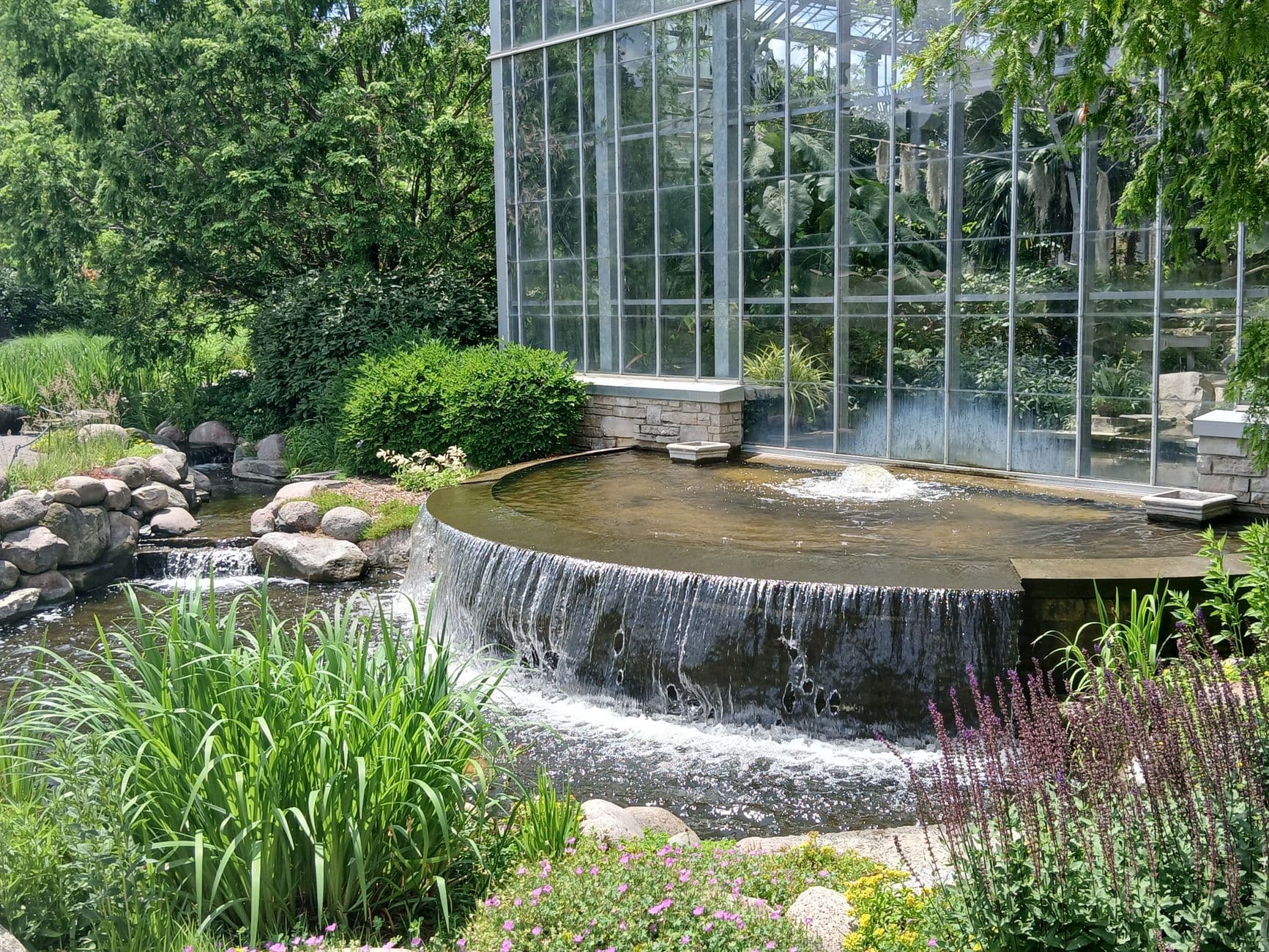
Arrive at opening and the garden belongs almost entirely to you — mist still clinging to the Skokie River, boardwalks damp and quiet, herons stalking the lagoon shallows. The Japanese Garden's islands are the emotional center: arched bridges, raked gravel, and maples just beginning to blush at the edges in early fall. Solo travelers find this an easy place to slow down — benches every few hundred feet invite lingering, journaling, or just watching light shift across the water.

Chicago Botanic Garden
Unknown authorUnknown author / wikimedia (Public domain)
Head to the Japanese Garden islands first thing — soft morning light and near-empty paths make for the clearest reflections before 9:30 AM.
Fully paved, flat paths throughout main garden loop; benches are frequent for rest stops.
10 min walkA short stroll along garden paths, crossing one of the arched bridges toward the reserve entrance.
11:00 AM - 12:00 PM
Chicago Botanic Garden · midday · 60 min · North Shore Gardens

Shift toward the Barbara Brown Nature Reserve boardwalk for a change of pace — native prairie grasses gone gold and rust, the hush broken only by birdsong and the occasional rustle of wind through switchgrass. It's a meditative extension of the morning, less manicured and more wild, and a good spot to feel the season's turn.

Chicago Botanic Garden
Unknown authorUnknown author / wikimedia (Public domain)
Prairie grasses catch backlight beautifully around midday sun — shoot low and wide to capture the seed heads glowing.
Boardwalk sections are stable but narrower than main paths; use caution if mobility aids are wide.
Lunch
Garden View Café $$
Cafe/Coffee · Inside Chicago Botanic Garden grounds
Relaxed self-serve café with garden views and communal seating — easy for solo diners to settle in without feeling conspicuous.
Garden Grill $$
Local · Near Chicago Botanic Garden
A step up from the café, with heartier plates for a solo traveler wanting a proper sit-down lunch after a morning of walking.
Dinner
Rose Terrace Beer Garden $$
Pub fare · Near Chicago Botanic Garden
Casual outdoor seating with shared tables — a good low-pressure spot to end a quiet first day with a beer and easy conversation with fellow visitors.
Optional detour: Chicago Botanic Garden — Evening Prairie WalkAfter lunch and before dinner
A second, quieter lap through the prairie or lagoon paths as afternoon light softens offers a peaceful bookend to the day without adding a new location. Skip if: If jet lag or travel fatigue has set in, skip this and head to lodging for an early rest instead — day two has more ground to cover.
If it rains: Light rain doesn't close the garden — paved paths remain walkable with an umbrella; focus on the formal display gardens and covered rest areas near the visitor center, skipping the muddier natural habitat trails.

The Chicago Botanic Garden greets early arrivals with mist over the lagoons and near-total solitude on the boardwalks. Wander the Japanese Garden's islands as the light turns from gray to gold, letting the pace of the morning match the pace of arrival — no rush, no agenda beyond noticing.

Midday shifts into the wilder, prairie-edged Barbara Brown Nature Reserve, where fall grasses have gone amber and the crowds — such as they are on a fall weekday — thin out even further. It's an easy, contemplative extension of the morning rather than a new burst of energy.

Dinner at the Rose Terrace Beer Garden offers shared tables and an unpretentious pint after a day of slow walking — a gentle, low-key close to a first day still finding its rhythm.

Arboretum & Conservatory

Day 2: Trees, Tropics, and Turning Leaves

A moderate-energy day spanning two garden environments — Morton Arboretum's expansive fall woodlands and Garfield Park Conservatory's humid indoor jungle — totaling roughly 3 miles of walking.

Wear
Sturdy walking shoes for gravel trails, a breathable layer to shed inside the humid conservatory, and a light rain jacket just in case.
Budget
$50–75 (arboretum admission, conservatory is free/donation-based, lunch, coffee)
40 min driveA straightforward suburban drive west, tree-lined roads gradually opening into the arboretum's rolling grounds.
8:30 AM - 11:30 AM
Morton Arboretum · morning · 180 min · Western Suburbs Arboretum

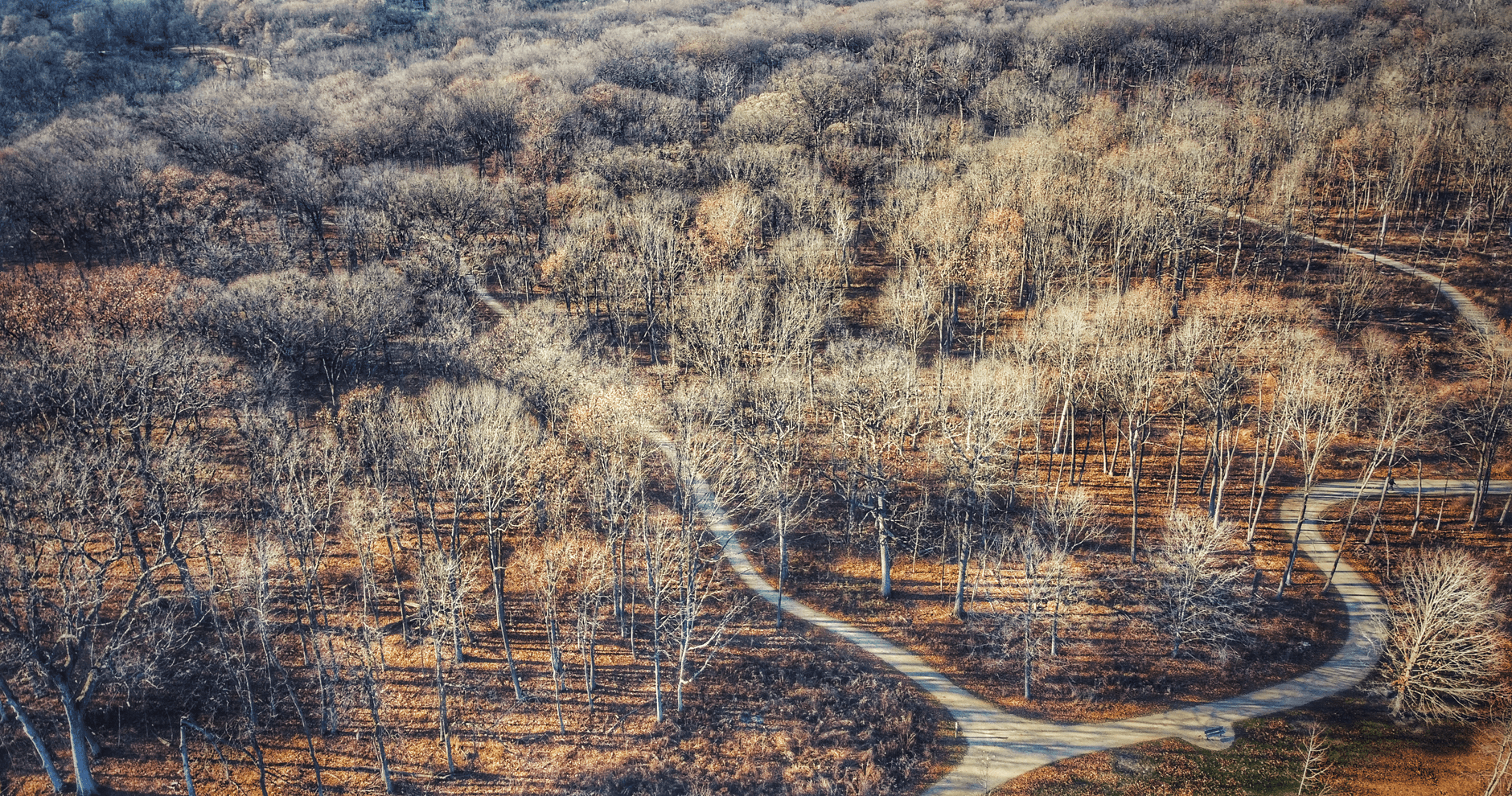
Arrive by 8:30 and the visitor center overlook is nearly empty, the Schulenberg Prairie catching low sun through a haze of gold and rust. Fall is Morton Arboretum's best season — 1,700 acres of oaks and maples shifting color, gravel paths crunching underfoot, the air carrying that specific autumn mix of dry leaves and cool soil. It rewards unhurried wandering; pick a loop trail and let the scale of the place set the pace.

Morton Arboretum
United States. Department of Agriculture. Office of Public Affairs (1989- ) / wikimedia (Public domain)
The Schulenberg Prairie glows best at sunrise or in the last hour before sunset — arrive early to catch the grasses backlit and the crowds still thin.
Main paths are well-maintained gravel or paved and largely flat; benches appear frequently along primary loops.
10 min walkA short walk along interior paths, the terrain shifting from open prairie to shaded garden.
11:30 AM - 12:15 PM
Morton Arboretum · midday · 45 min · Western Suburbs Arboretum

Wind down the morning near the Japanese Garden area, where careful framing and quiet water features offer one last contemplative stretch before lunch — a nice contrast to the open prairie you just walked.

Morton Arboretum
United States. Department of Agriculture. Office of Public Affairs (1989- ) / wikimedia (Public domain)
Architectural framing here works well at midday when soft overcast light minimizes harsh shadows on the water.
Paved, flat, and easily navigable.
35 min driveA drive east back toward the city, suburban sprawl giving way gradually to Chicago's West Side streets.
2:00 PM - 3:30 PM
Garfield Park Conservatory · afternoon · 90 min · Western Suburbs Arboretum

Step from crisp fall air into the warm, humid hush of the Palm House — a deliberate contrast that makes the transition feel like a small journey rather than just another garden. Towering palms brush ornate Beaux-Arts ironwork overhead, mist systems hiss softly, and the crowds this time of day are still light. It's an easy, low-energy afternoon stop, ideal for slowing the pace after a morning of walking.

Garfield Park Conservatory
Photo by Jeffrey Diehl on Pexels
Shoot straight upward inside the Palm House dome to capture the geometry of ironwork against green foliage and glass.
Fully indoor, flat, wheelchair accessible with frequent benches — a comfortable, low-effort stop after a longer morning.
Lunch
Ginkgo Cafe $
Cafe/Coffee · Inside Morton Arboretum
Quick, casual counter-service spot right on arboretum grounds — easy for a solo traveler grabbing a fast bite between trails.
Ginkgo Restaurant $$
Local · Inside Morton Arboretum
A sit-down option with arboretum views for a more leisurely midday meal if you want to linger before the drive to Garfield Park.
Dinner
Inspiration Kitchens $$
Local · Near Garfield Park Conservatory
A community-rooted restaurant near the conservatory with a warm, unpretentious feel — good for a solo diner wanting a proper meal without formality.
Semaphore Cafe $
Cafe/Coffee · Near Garfield Park Conservatory
Relaxed neighborhood café, good for an easy dinner or a coffee-and-pastry close to the day.
Optional detour: Momentum CoffeeAfter Garfield Park Conservatory and before dinner
A quiet coffee stop to decompress after the conservatory's warmth and process the day's photos before heading to dinner. Skip if: Skip if you're eager to get to dinner and rest — the conservatory itself offers plenty of low-key wind-down time already.
If it rains: Garfield Park Conservatory is a perfect rainy-day anchor since it's fully indoors — consider swapping the day's order to visit it first if rain is heavy in the morning, saving the arboretum's gravel paths for clearer skies.

Morton Arboretum unfolds slowly at fall's peak — 1,700 acres of turning color best explored on foot at a wandering pace, gravel paths leading from open prairie to shaded groves. Early arrival means the overlook and prairie trails are yours alone before the moderate midday crowds arrive.

The drive east toward Garfield Park Conservatory marks a deliberate shift in mood — from open autumn woodland to a warm, humid indoor jungle beneath ornate glass and ironwork. It's a gentle, contrasting close to the afternoon that doesn't demand much physical effort after a longer morning.

Dinner near the conservatory at Inspiration Kitchens offers an unpretentious, community-minded meal — a good place to reflect on a day that moved between two very different kinds of green before an early night ahead of tomorrow's dunes.

Dunes & Departure

Day 3: Wind, Sand, and Lake Light

An active final day exploring the dunes and shoreline of Indiana Dunes National Park, with moderate hiking totaling roughly 4 miles.

Wear
Sturdy hiking shoes or boots for sand and uneven terrain, a windproof jacket for lakeside gusts, and sunglasses for glare off the water.
Budget
$30–50 (park entry, packed snacks or nearby town meal, coffee)
90 min driveA longer highway drive southeast, skyline giving way to flat farmland and then, suddenly, the first glimpse of dune ridges against the horizon — consider a coffee stop partway if the drive starts to drag.
8:00 AM - 11:00 AM
Indiana Dunes NP (East) · morning · 180 min · Indiana Dunes Gateway

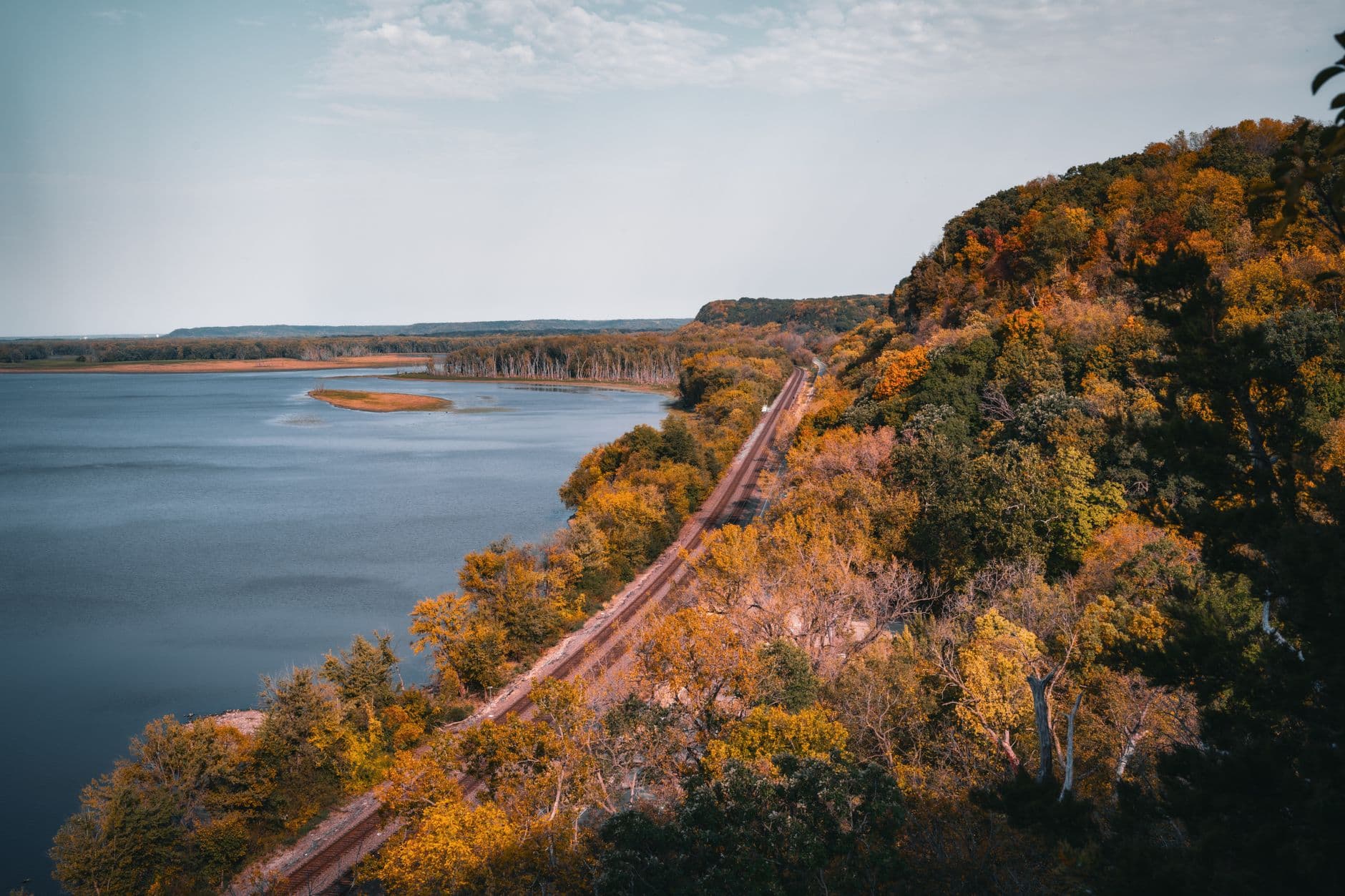
Arrive by 8am and the dune ridges are washed in cool early light, footprints from the previous day already smoothed by overnight wind. The climb up toward Mount Jackson's ridge is the day's physical centerpiece — loose sand underfoot, beach grass hissing in the wind, and at the top, a sweeping view of Lake Michigan's water shifting from steel-gray to deep blue as the sun climbs. Weekday mornings in fall mean near-total solitude on the trail, a rare thing this close to Chicago.

Indiana Dunes NP (East)
U.S. National Naval Medical Center / wikimedia (Public domain)
Climb to the ridge of Mount Jackson for panoramic views — best light is within the first two hours after sunrise, when shadows carve deep relief into the dune faces.
Trails are unpaved and involve loose sand and elevation change; not wheelchair accessible. Sturdy footwear strongly recommended.
15 min walkA gradual descent from ridge to shoreline, sand giving way to firmer packed beach near the water's edge.
11:00 AM - 12:30 PM
Indiana Dunes NP (East) · midday · 90 min · Indiana Dunes Gateway

Descend toward the shoreline itself for a slower, flatter stretch — waves lapping steadily, the lake stretching to a horizon that feels more ocean than freshwater sea. It's a good place to sit, eat a packed lunch, and let the morning's exertion settle before the drive back. Solo hikers often cross paths here with other trail-goers; the beach naturally invites brief, easy conversation.

Indiana Dunes NP (East)
U.S. National Naval Medical Center / wikimedia (Public domain)
Shoreline shots work best with the dunes silhouetted behind you — try early afternoon when the water's blue deepens against the pale sand.
Beach terrain is uneven and not accessible for wheelchairs or limited mobility; benches are sparse throughout this cluster.
Optional detour: Indiana Dunes NP (East) — Wetland BoardwalkAfter the shoreline visit and before the drive back
A flatter, easier boardwalk stretch through wetlands offers wildlife-spotting and reflective water views as a calmer close to an otherwise strenuous morning. Skip if: Skip if the dune climb has already tired you out or if you want to beat traffic back toward the city before early sunset.
If it rains: Heavy rain turns trails muddy and reduces visibility on what is fundamentally a views-driven landscape — if weather turns, retreat to the indoor visitor center for exhibits, or reschedule the ridge hike for a clearer window later in the day.

The dunes arrive like a held breath after the highway's flat farmland — sudden rises of sand and beach grass, then Lake Michigan opening wide beyond the ridge. Climbing Mount Jackson at sunrise light rewards early risers with a nearly empty trail and views that stretch far across the water, well worth the 90-minute drive from the northern suburbs.

Dropping down toward the shoreline shifts the day's energy from exertion to stillness — waves, wind, and packed sand replacing the climb's steeper pitches. It's an easy, contemplative stretch to close out a physically active morning, and a natural point to note that food options directly at the trailhead are limited, so packing snacks or planning a meal in nearby Chesterton is the better bet.

With shorter fall daylight, plan the drive back before dusk settles fully — sunset over the dune ridges is a fitting, quiet farewell to the trip, best watched from the parking area before beginning the return journey.

Want to tweak this trip?

Our AI planner can customize this itinerary to your exact dates, interests, and travel style.

Customize This Itinerary
Good to Know

Restaurant details (hours, menus, availability) change frequently. Check current hours before visiting, especially in seasonal destinations.

Dietary compatibility tags are general guidance. If you have severe allergies, confirm directly with the restaurant.

Travel tips are general guidance, not professional safety advice. Check government advisories for latest information.

All prices are approximate and may vary seasonally.
We use cookies to improve your experience and analyze site usage. Essential cookies are always active. You can customize your preferences or accept all cookies. Cookie Policy