Starved Rock State Park, Illinois
3-Day Itinerary for Teen Families
“Canyons, Cascades, and Wildflower Trails: 3 Days at Starved Rock”
Spring at Starved Rock means snowmelt-fed waterfalls thundering through slot canyons, wildflowers pushing up through last year's leaf litter, and cool mornings that turn the sandstone the color of rust and honey. This is a park built for the in-between years — teens get real adventure and photo-worthy drama, parents get manageable trails and a lodge fireplace waiting at the end of the day.
At a Glance
Highlights
- Descend into French Canyon where waterfalls echo off red cliff walls
- Stand at the mouth of Illinois Canyon as spring runoff feeds the falls
- Catch sunrise-quiet moments at Illinois River Overlook, 200 feet above the water
- Explore St. Louis Canyon's three-sided cliff amphitheater
- Warm up fireside at Starved Rock Lodge after muddy-boot days
- Wildflower spotting along canyon rim trails
- Ranger-led exhibits at the Visitor Center for rainy-day pivots
Day-by-Day Plan
Day 1: Settling In: First Steps Into French Canyon
A gentle arrival day with one moderate canyon hike and time to acclimate — about 2.5 miles of walking, light-to-moderate energy.
Wooden steps drop you into a hush broken only by falling water — the canyon narrows overhead until the sky is just a ribbon of light between rust-red cliffs. Spring runoff means the waterfall here is running fuller than most of the year, and the cool damp air feels like relief after the drive in. Teens tend to love scrambling near (not on) the slick rocks for photos; parents can relax knowing the trail, while uneven, isn't technical.

This trail picks up the same spring energy — mist rising off cascades, the mineral tang of wet stone, and enough elevation change to make it feel like a real hike without wearing anyone out. Give teens a little autonomy here: let them range ahead on straightaways while you keep pace on the descents. It's a good warm-up for the bigger canyons still to come this trip.

The first morning is about easing into the rhythm of the park rather than rushing it. French Canyon's short, dramatic descent is the perfect low-stakes introduction — cool air, tumbling water, red cliffs closing in overhead — without demanding much technical hiking. It's the kind of place that makes everyone stop talking for a second just to listen.
After French Canyon, the adjacent Waterfalls Canyon Trail extends the morning's energy without repeating it — more elevation, more spring runoff drama, and a chance for teens to set their own pace on parts of the trail. By early afternoon, legs are pleasantly tired but not spent, which is exactly the target for day one.
Head back toward the lodge or your accommodation for an easy dinner and early night — day one is about resetting the internal clock, not packing in more stops. A fireplace, dry socks, and a good night's sleep set the tone for the bigger hiking days ahead.
Day 2: Into the Heart: Illinois Canyon's Big Reveal
The park's signature canyon plus the Visitor Center for context — roughly 3 miles of walking at moderate energy, with a built-in midday rest.
Arrive by 8am and this canyon is nearly silent — just you, the layered sandstone walls rising 100+ feet, and a waterfall running strong on spring melt. By 10am the crowds arrive and the mood shifts; getting here early is worth the alarm clock. The canyon's scale tends to impress teens more than any other stop in the park — it's genuinely dramatic, not just pretty.

This is the built-in rest stop the day needs — climate-controlled, full of interpretive displays on the glacial forces that carved these canyons, and genuinely engaging for teens who like the 'how did this happen' angle. It's also the best fallback if morning trails were muddy. Take time in the gift shop; it's a natural moment for teen autonomy — let them browse while you regroup.
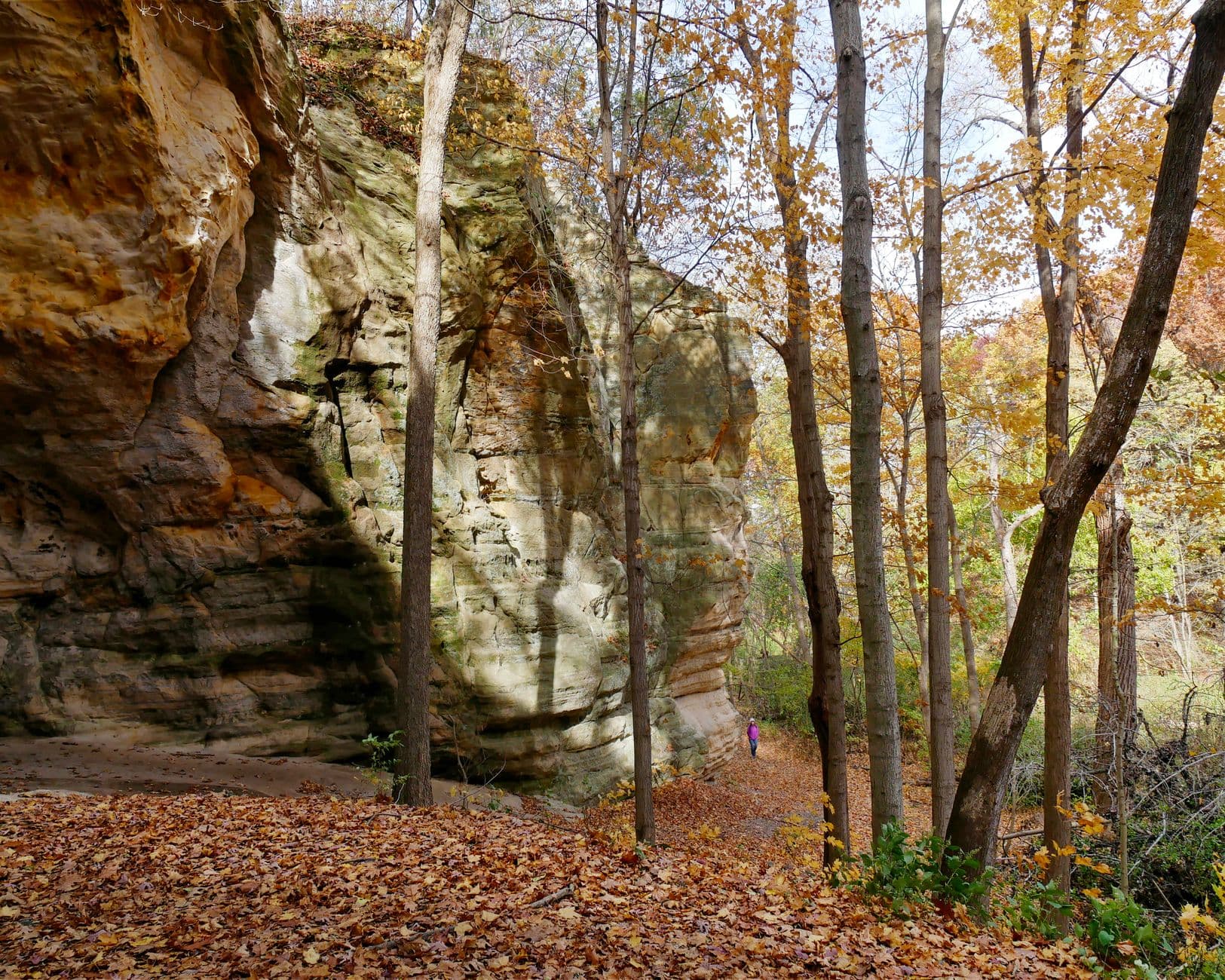
Illinois Canyon is the park's showpiece, and arriving before the crowds is the single best move of the trip. The waterfall runs strong on spring melt, the canyon walls tell 300 million years of geological story in visible rust-and-cream layers, and the whole scene feels bigger than its Midwest setting has any right to be.
The Visitor Center absorbs the midday lull perfectly — a cool, dry pause with real substance for curious teens and a genuine break for tired legs. It doubles as the day's rain insurance, so there's no wasted planning if weather shifts.
With the day's main hiking done by early afternoon, evening opens up for an easy dinner back near the lodge or in nearby Utica — just remember local kitchens close early, so aim to be seated well before 7:30pm.
Day 3: The Far Edge: St. Louis Canyon and River Views
The park's most remote canyon and its best river overlook — about 3 miles of walking, moderate energy, with more solitude than the previous two days.
This canyon feels different from the first two — sheer cliffs wrap around three sides, hawks circle overhead, and the crowds thin out considerably since it's the farthest hike from the main lot. It's a fitting finale hike: enough drama to feel earned, but calmer and more contemplative than Illinois Canyon's high-traffic energy. Good for a family that's found its hiking legs over the past two days.

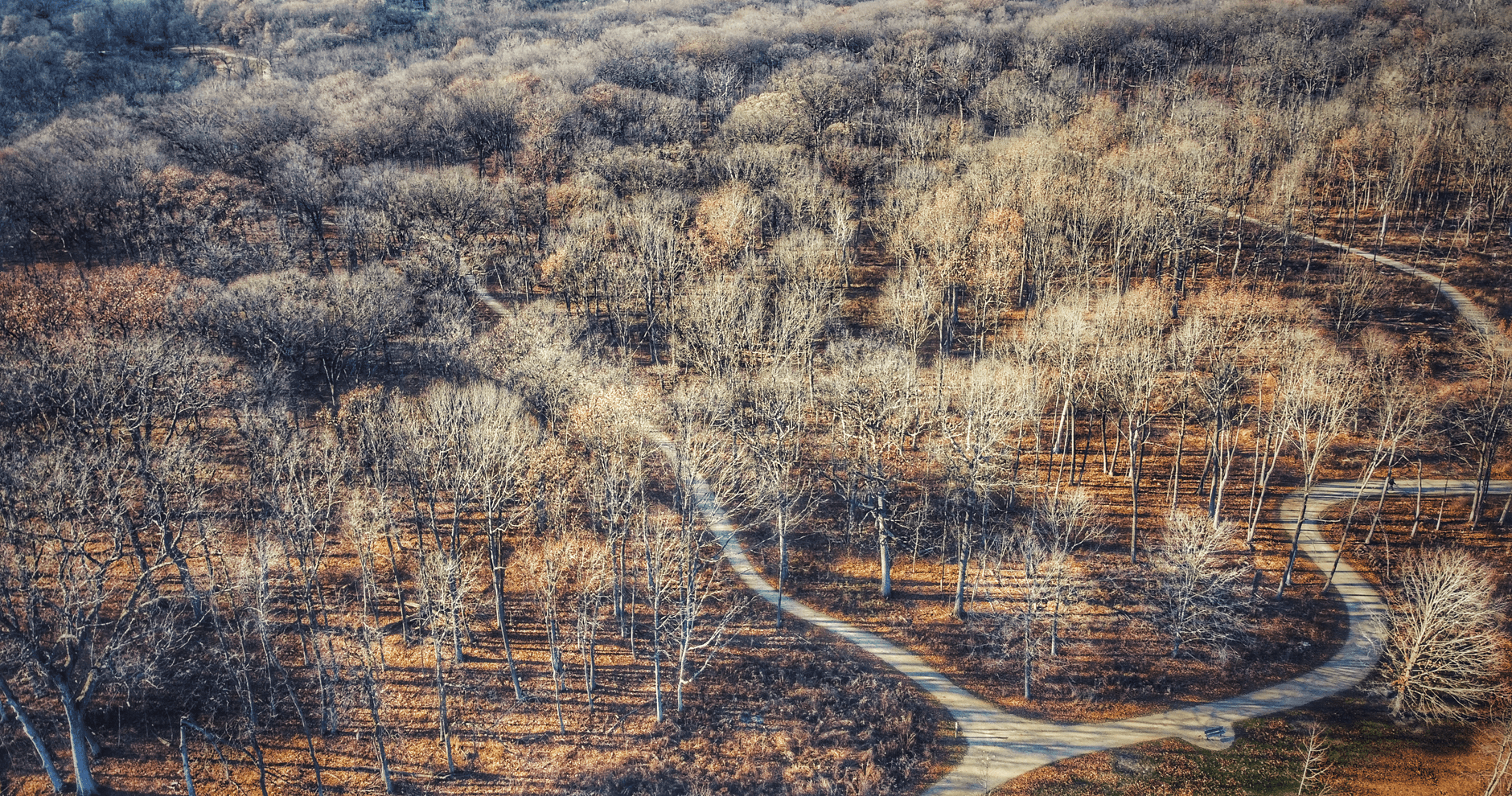
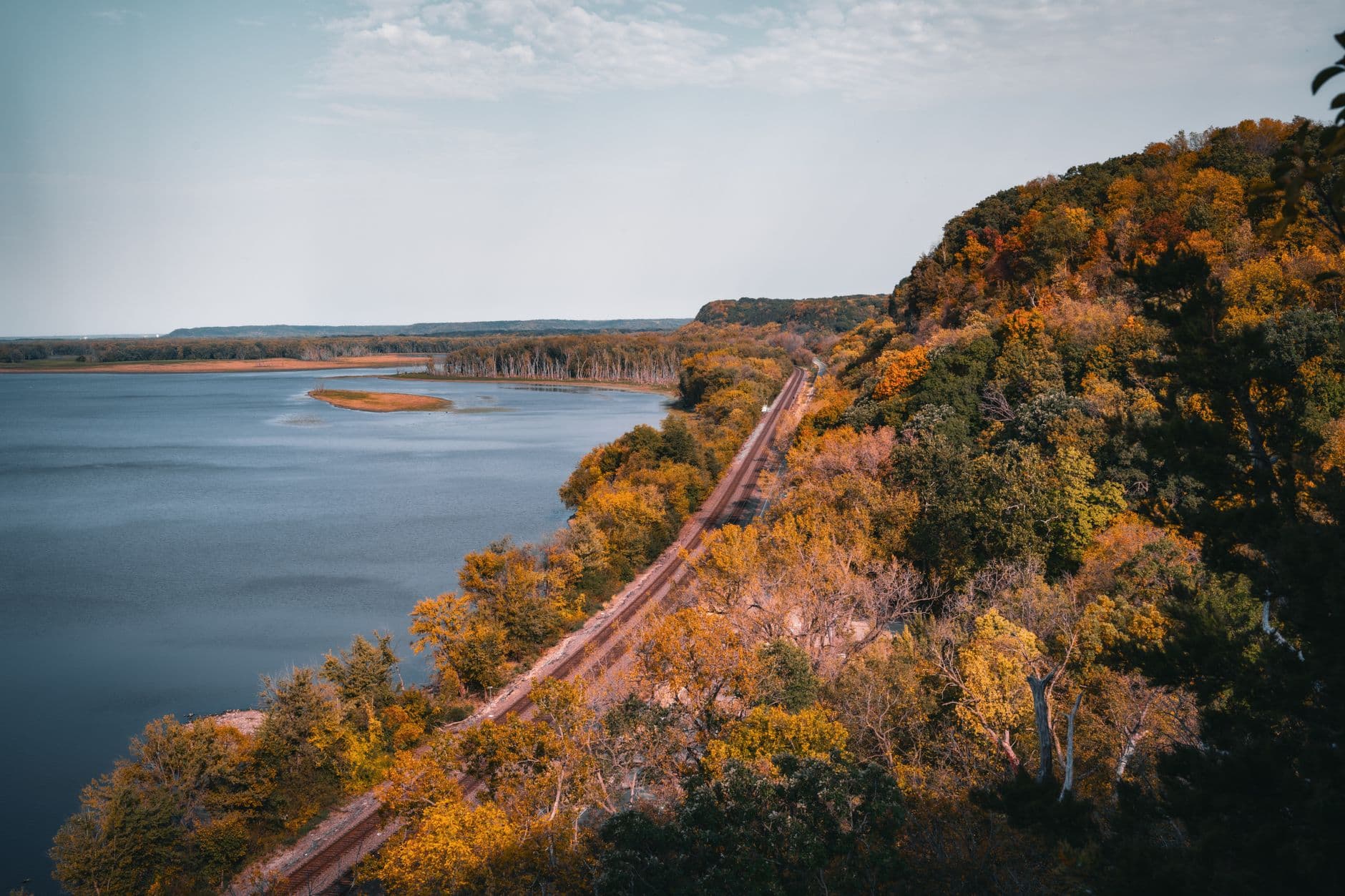
Two hundred feet above the Illinois River, this overlook is the trip's quiet, expansive closer — the S-curve of water below, wild oak scenting the air, and enough openness after two days of canyon walls to feel like a deep breath. It's less crowded than the morning canyon and a nice lower-energy stop to end the active portion of the trip on a high note, literally.
St. Louis Canyon rewards the effort of getting to the park's far edge — it's quieter, more atmospheric, and gives the trip a sense of graduation after two days of building trail confidence. Hawks overhead and cool, mossy air underfoot make this feel like the wildest stop of the whole visit.
A short lunch at Treetops Cafe bridges the transition from canyon floor to open overlook nicely — casual, quick, and close enough not to eat into hiking time. The Illinois River Overlook that follows is a deliberate change of pace: wide open, less strenuous, and visually stunning in a completely different way than the morning's tight canyon walls.
With the overlook as the day's final stop, evening is left open for an easy dinner and packing up — a good time to let teens pick the last meal spot in Utica or Peru, keeping in mind those small-town kitchens wind down by 9pm. The trip closes the way it started: unhurried, with the canyons already feeling like a shared story rather than just a checklist.
Want to tweak this trip?
Our AI planner can customize this itinerary to your exact dates, interests, and travel style.
Customize This ItineraryRestaurant details (hours, menus, availability) change frequently. Check current hours before visiting, especially in seasonal destinations.
Dietary compatibility tags are general guidance. If you have severe allergies, confirm directly with the restaurant.
Travel tips are general guidance, not professional safety advice. Check government advisories for latest information.
All prices are approximate and may vary seasonally.